Welcome to this UK AstraZeneca produced and funded website

This website is intended for UK Healthcare Professionals only.


The website contains both promotional and non-promotional content.


If you are a patient or a carer of a patient prescribed an AstraZeneca product, please visit myazmed.co.uk


For any other UK residents please visit astrazeneca.co.uk

I am not a Healthcare Professional
IMFINZI (durvalumab) UK Prescribing Information
Adverse Event Reporting

This website is intended for UK Healthcare professionals only. Other UK residents please visit astrazeneca.co.uk

Logo test product
  • Our Medicines
    • Cardiovascular, Renal & Metabolism
      • ATTR Amyloidosis
        • WAINZUA®▼(eplontersen)
      • Chronic Kidney Disease (CKD)
        • FORXIGA® (dapagliflozin)
      • Heart Failure
        • FORXIGA® (dapagliflozin)
      • Hyperkalaemia
        • LOKELMA® (sodium zirconium cyclosilicate)
      • Type 2 Diabetes (T2D)
        • FORXIGA® (dapagliflozin)
    • Oncology
      • Breast Cancer
        • LYNPARZA® (olaparib)
        • TRUQAP®▼(capivasertib)
      • Bladder Cancer
        • IMFINZI® (durvalumab)
      • Endometrial Cancer
        • IMFINZI® (durvalumab)
        • LYNPARZA® (olaparib)
      • Gastrointestinal Cancer
        • IMFINZI® (durvalumab)
        • IMJUDO®▼(tremelimumab)
      • Lung Cancer
        • IMFINZI® (durvalumab)
        • TAGRISSO® (osimertinib)
      • Ovarian Cancer
        • LYNPARZA® (olaparib)
      • Prostate Cancer
        • LYNPARZA® (olaparib)
        • ZOLADEX® (goserelin)
    • Respiratory
      • Asthma
        • TEZSPIRE®▼ (tezepelumab)
        • SYMBICORT® (budesonide/formoterol)
      • Chronic Obstructive Pulmonary Disease(COPD)
        • TRIXEO AEROSPHERE® (formoterol fumarate dihydrate/glycopyrronium/budesonide)
        • BEVESPI® (glycopyrronium/formoterol fumarate dihydrate)
    • Vaccines
      • Flu
        • FLUENZ® nasal spray suspension (influenza vaccine, live attenuated, nasal)
  • Therapy Areas
    • Cardiovascular, Renal & Metabolism
      • ATTR Amyloidosis
      • Chronic Kidney Disease (CKD)
      • Heart Failure
      • Hyperkalaemia
      • Type 2 Diabetes (T2D)
    • Oncology
      • Breast Cancer
      • Bladder Cancer
      • Endometrial Cancer
      • Gastrointestinal Cancer
      • Lung Cancer
      • Ovarian Cancer
      • Prostate Cancer
    • Respiratory
      • Asthma
      • Chronic Obstructive Pulmonary Disease(COPD)
    • Vaccines
      • Flu
  • About us
    • AZ Commitment
  • Contact us
Login
  • AstraZeneca UK
  • IMFINZI (durvalumab) MIBC
  • Clinical data
  • Home
  • NIAGARA trial
  • Dosing
  • Resources
Clinical data

A New Era in MIBC Care

NOW APPROVED in the UK: The IMFINZI NIAGARA regimen* – the FIRST and ONLY approved IO treatment to show statistically significant improvement in both EFS and OS vs NAC in eligible MIBC patients1,2

Indication: IMFINZI in combination with gemcitabine and cisplatin as neoadjuvant treatment, followed by IMFINZI as monotherapy adjuvant treatment after radical cystectomy, is indicated for the treatment of adults with resectable MIBC1

  • NIAGARA study design
  • Efficacy
  • Safety profile

NIAGARA study design

The NIAGARA trial (n=1063) was a randomised multicentre open-label phase III study designed to assess whether the addition of perioperative IMFINZI to NAC* could improve outcomes in a broad population of cisplatin-eligible, resectable MIBC patients vs current standard of care – neoadjuvant chemotherapy followed by RC.2


Click the tabs below to view the NIAGARA study design, key eligibility criteria and baseline characteristics:

  1. NIAGARA STUDY DESIGN
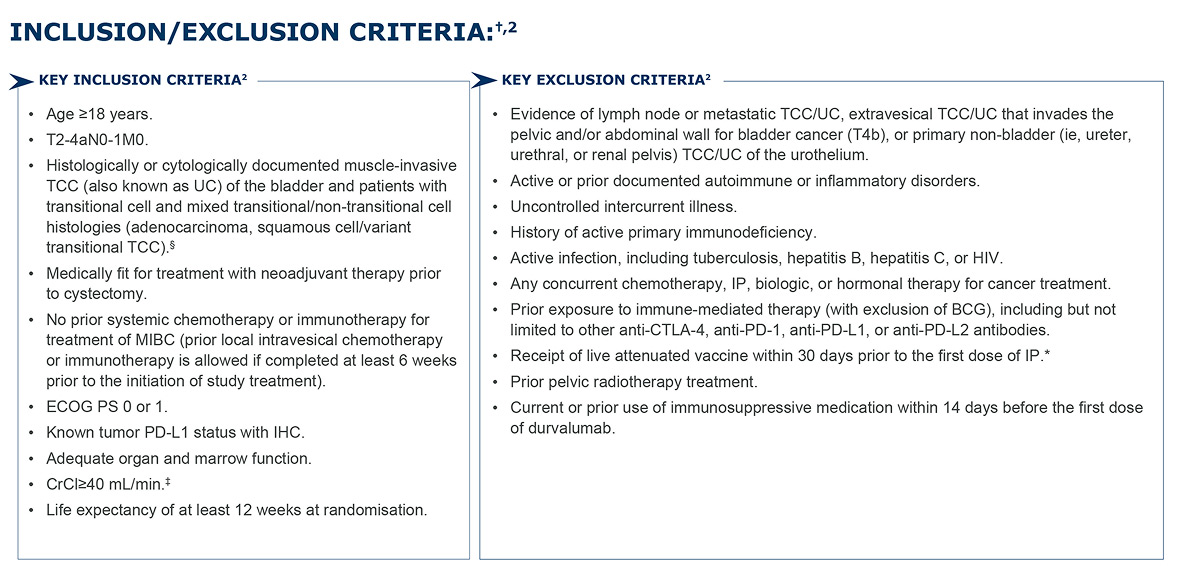
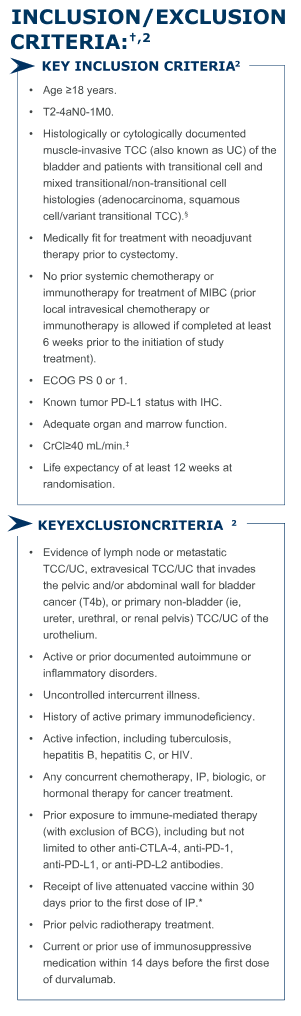
  2. KEY ELIGIBILITY CRITERIA
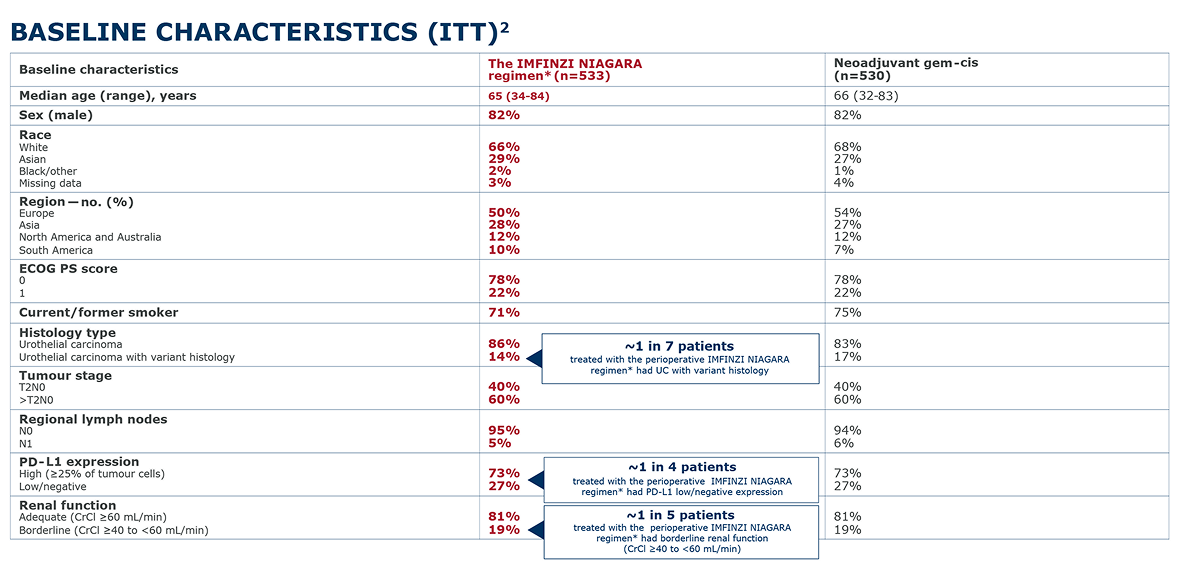
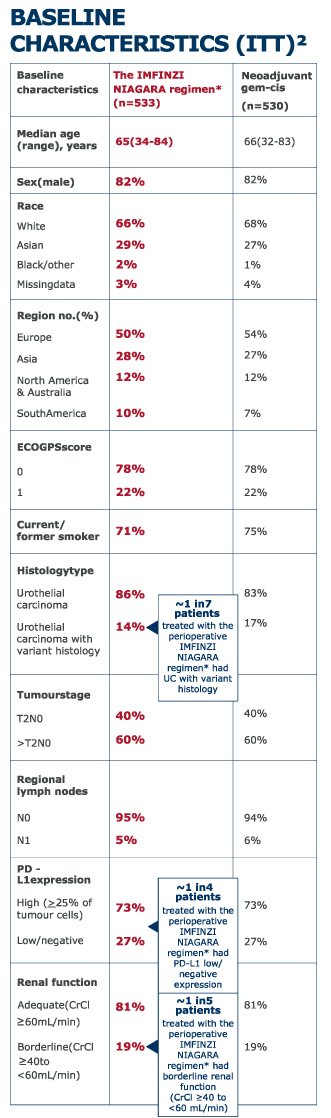
  3. BASELINE CHARACTERISTICS
NIAGARA study design NIAGARA study design

†This is not an exhaustive list. For full list of endpoints, please refer to the NIAGARA trial protocol.
§Day 1: Cisplatin 70 mg/m2, gemcitabine 1000 mg/m2; Day 8: Gemcitabine 1000 mg/m2; every 21 days for 4 cycles. Patients with borderline renal function (CrCl ≥40 mL/min to <60 mL/min) received split-dose cisplatin (35 mg/m2 on Days 1 and 8 of each cycle)1,2
‖ Or by CPR if a biopsy was needed for analysis of a suspected new lesion.2
¶Event-free survival was defined as the time from randomisation to first recurrence of disease post-RC, time to first documented progression in patients who were precluded from RC, time of expected surgery in patients who refused RC or failure to undergo RC due to residual disease, or death due to any cause, whichever occurs first.2

NIAGARA trial inclusion and exclusion citeria NIAGARA trial inclusion and exclusion citeria

†This list is not exhaustive. For full inclusion and exclusion criteria, please refer to the NIAGARA trial protocol.2


*Patients, if enrolled, should not receive live vaccine while receiving IP and up to 30 days after the last dose of IP.


‡Patients with borderline renal function (CrCl ≥40 mL/min to <60 mL/min) received split-dose cisplatin (35 mg/m2 on Days 1 and 8 of each cycle).2


§e.g., micropapillary, plasmacytoid, sarcomatoid, nested variant, lymphoepitheliod, nested variant. Patients with pure non-transitional cell variant histologies and any small cell histology were not eligible.2

NIAGARA trial baseline characteristics NIAGARA trial baseline characteristics
Click here learn more about dosing and administration for
your patients with borderline renal function

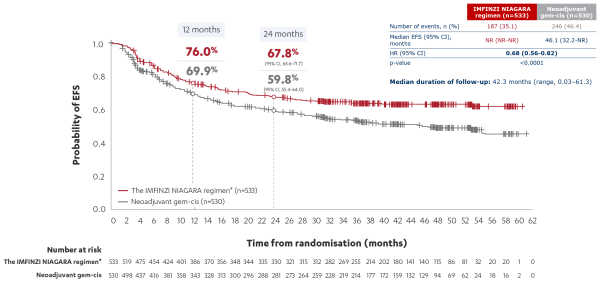
The perioperative IMFINZI NIAGARA regimen* was associated with a 32% statistically significant reduction in the risk of an event vs neoadjuvant gem-cis (dual primary endpoint)2,3

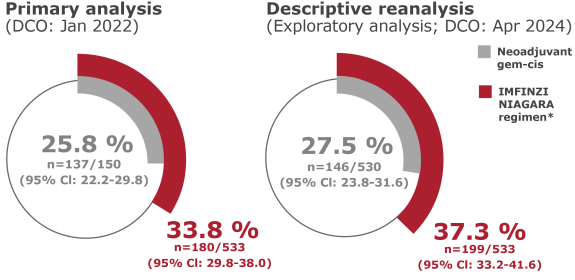
Pathological complete response (pCR) data (dual primary endpoint) Pathological complete response (pCR) data (dual primary endpoint)

ARR 8% at 24 months

EFS (DUAL PRIMARY ENDPOINT)

REDUCTION IN THE RISK OF AN EFS EVENT (progression, recurrence, death, or not undergoing RC)† vs neoadjuvant gem-cis (HR=0.68 [95% CI, 0.56-0.82]; P<0.0001).

  • Median EFS was not reached with the IMFINZI NIAGARA regimen* (95% CI, NR-NR) vs 46.1 months (95% CI, 32.2-NR) with neoadjuvant gem-cis.
  • Median duration of follow-up: 42.3 months (range: 0.03–61.3).
Click to view Kaplan Meier Curve

†Event-free survival was a dual primary endpoint and was defined as the time from randomisation to first recurrence of disease post-RC, time to first documented progression in patients who were precluded from RC, time of expected surgery in patients who refused RC or failure to undergo RC due to residual disease, or death due to any cause, whichever occurs first. EFS was assessed using RECIST v1.1.2

Pathological complete response with the perioperative IMFINZI NIAGARA regimen* vs neoadjuvant gem-cis (dual primary endpoint)2

Pathological complete response (pCR) data (dual primary endpoint) Pathological complete response (pCR) data (dual primary endpoint)
pCR (DUAL PRIMARY ENDPOINT)
  • The pCR descriptive reanalysis was conducted as 59 evaluable samples were mistakenly omitted from the primary analysis because the date of central assessment (which occurred after January 14, 2022), rather than the date of surgery (which occurred before January 14, 2022), was used as the data-cutoff date.
  • The descriptive reanalysis in April 2024 corrected this error and reflects the accurate results; however, the initial primary analysis remains the formal analysis, which was not statistically significant.
  • Reanalysis by definition does not allow statistically powering the analysis as that has to follow a predefined hierarchical process, which is why the re-analysis is shown as descriptive.

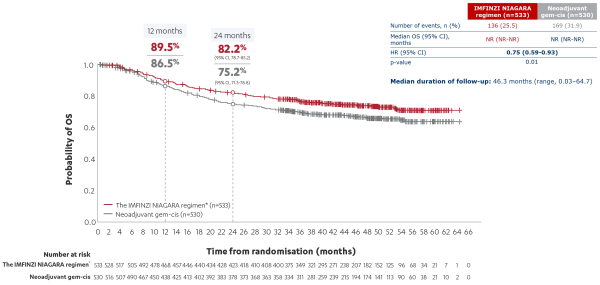
The perioperative IMFINZI NIAGARA regimen* is the FIRST and ONLY IO approved in the UK achieving statistically significant OS improvement in cisplatin-eligible, resectable MIBC vs NAC2

Time to radical cysectomy following neoadjuvant treatment data Time to radical cysectomy following neoadjuvant treatment data

ARR 7% at 24 months

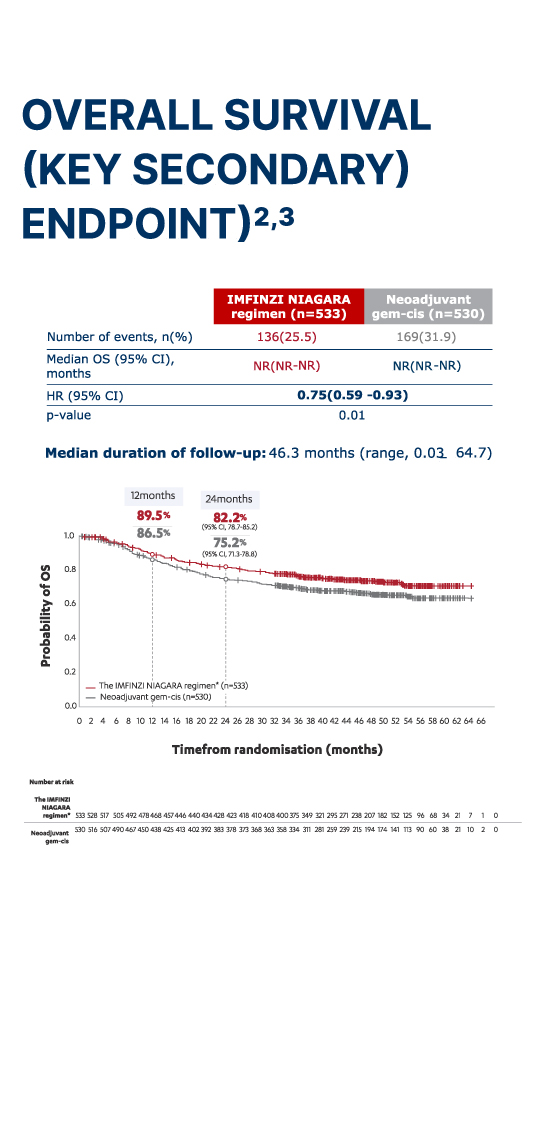
OS (KEY SECONDARY ENDPOINT)

REDUCTION IN RISK OF DEATH vs neoadjuvant gem-cis† 
(HR=0.75 [95% CI, 0.59-0.93]; P=0.01)

  • Median OS was not reached in either treatment arm (95% CI, NR-NR).
  • Median duration of follow-up: 46.3 months 
(range: 0.03-64.7).
Click to view Kaplan Meier Curve

†The key secondary endpoint was OS as assessed with an alpha-allocation approach, following EFS in the statistical hierarchy..2

Offer more eligible patients the potential of improved outcomes vs NAC with the perioperative IMFINZI NIAGARA regimen*2

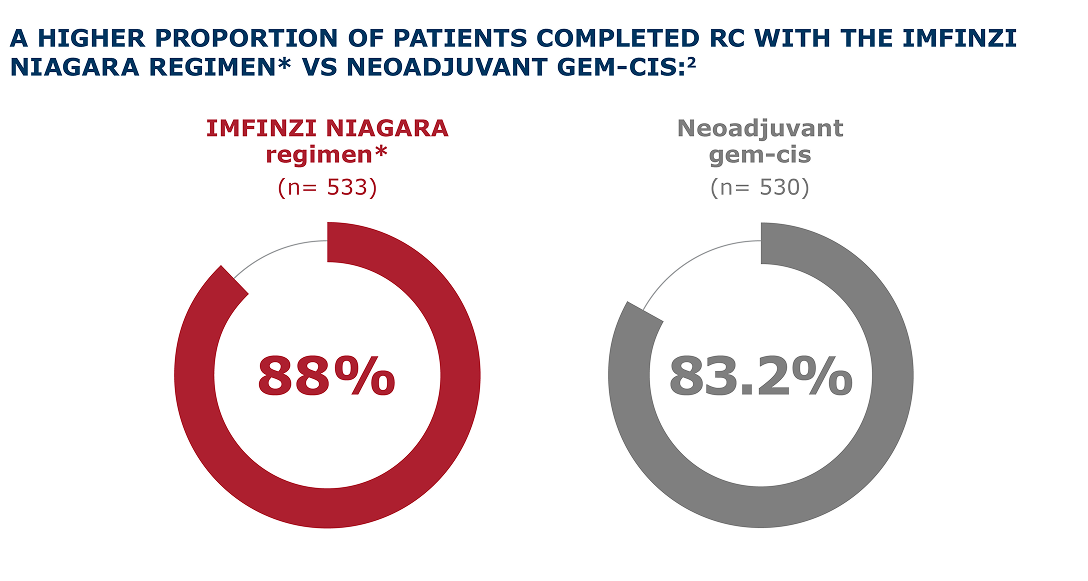
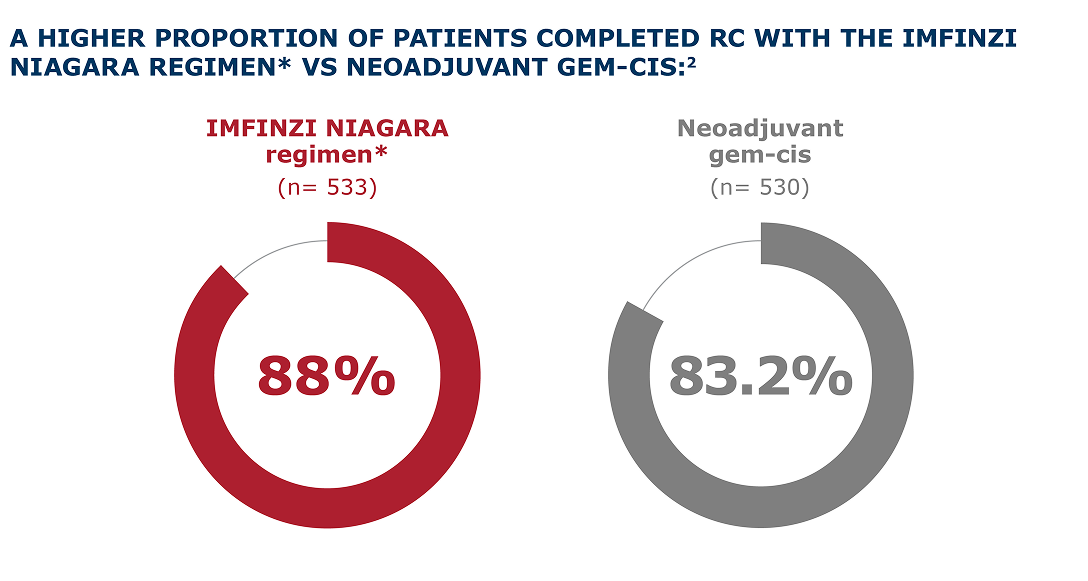
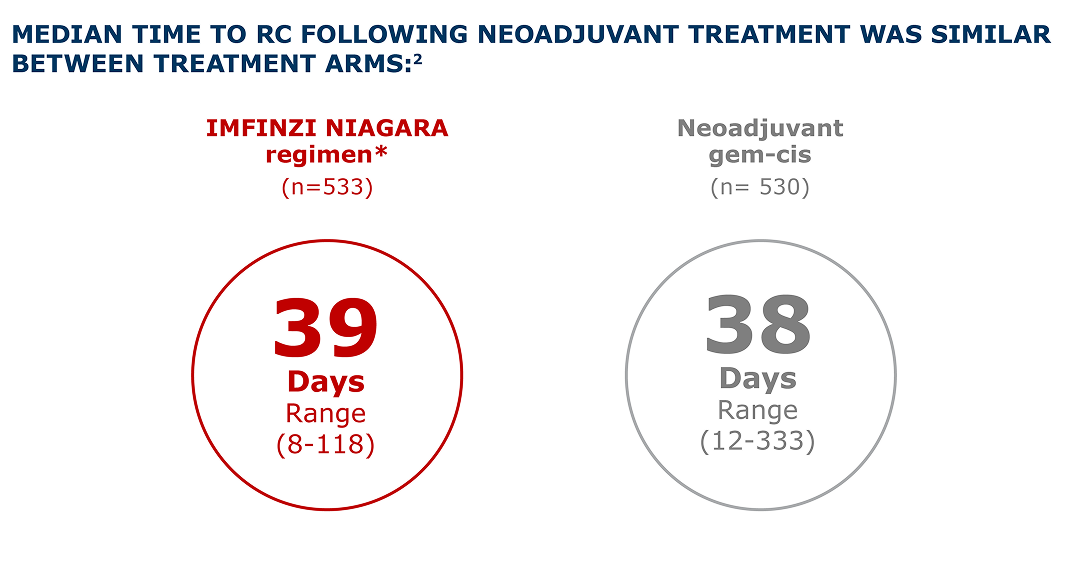
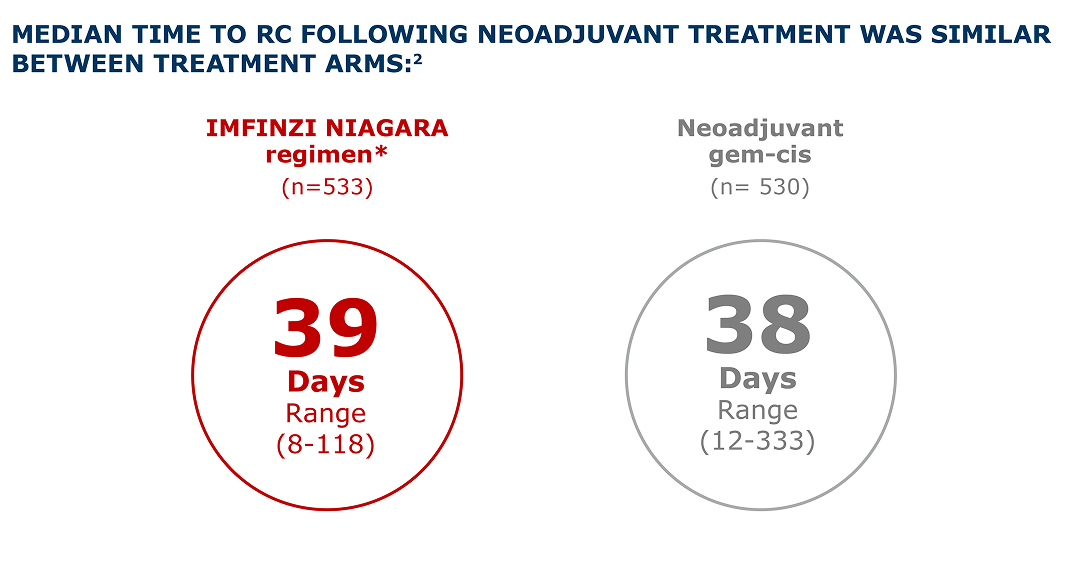
Addition of IMFINZI to NAC did not negatively impact the rate or timing of RC vs neoadjuvant gem-cis

Scroll through the carousel below to view surgical data from the NIAGARA trial which includes: proportion of patients completing RC and time to RC following neoadjuvant treatment:


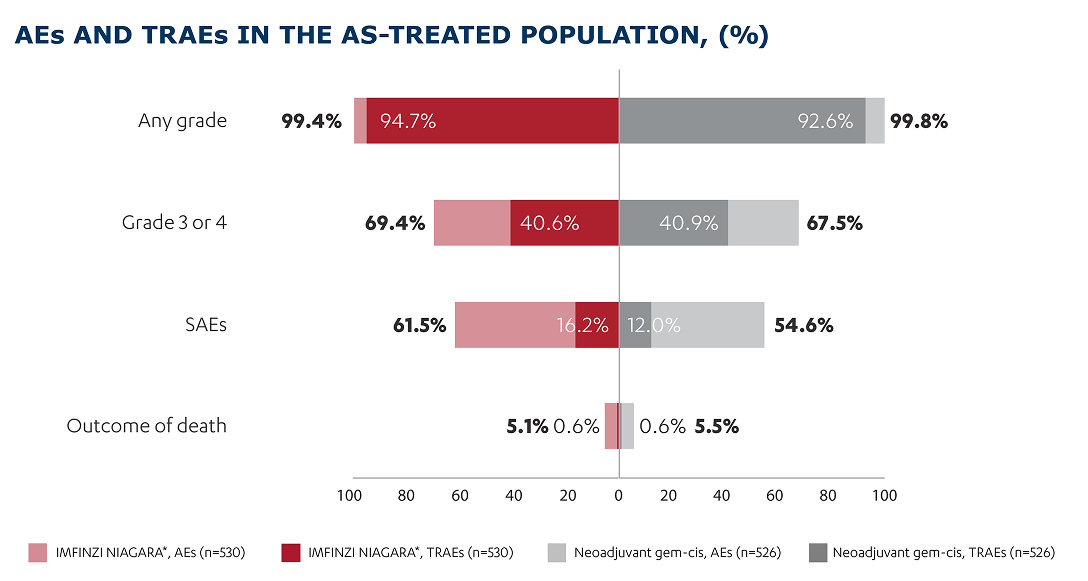
Tornado plot showing adverse events and treatment-related adverse events in the as-treared population Tornado plot showing adverse events and treatment-related adverse events in the as-treared population
Time to radical cysectomy following neoadjuvant treatment data Time to radical cysectomy following neoadjuvant treatment data
  1. first
  2. second

Back to top

Addition of perioperative IMFINZI to NAC was generally tolerable and manageable, with no new safety signals2,3

The safety profile of the perioperative IMFINZI NIAGARA regimen* was consistent with the known safety profiles of the individual components of the regimen.2


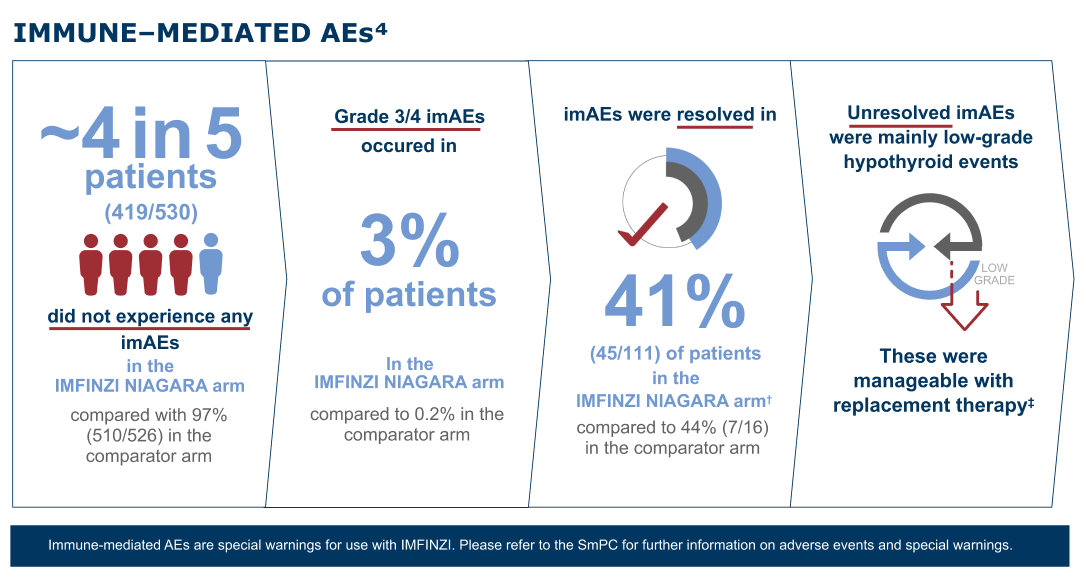
Scroll through the carousel below to view NIAGARA data on imAEs and discontinuations due to AEs:


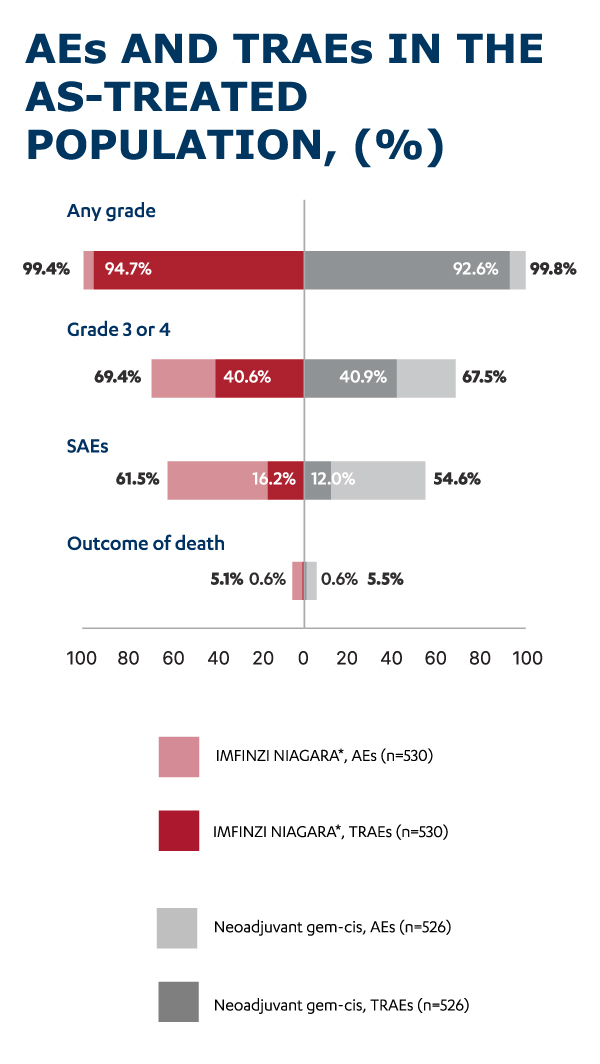
Tornado plot showing adverse events and treatment-related adverse events in the as-treared population Tornado plot showing adverse events and treatment-related adverse events in the as-treared population

Figure adapted from Powles et al. 20242

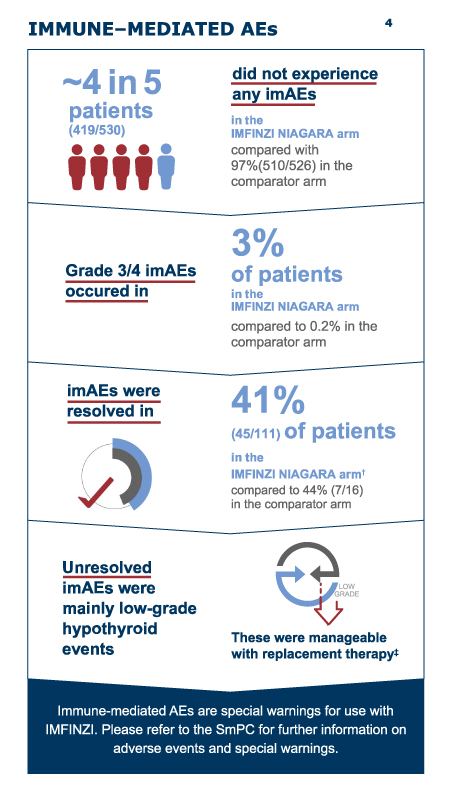
Immune-mediated adverse events data Immune-mediated adverse events data

†Resolved includes outcomes of recovered/resolved and recovered/resolved with sequelae.
‡ Other events included hyperthyroid events, dermatitis/rash, renal events, diarrhoea and pneumonitis.

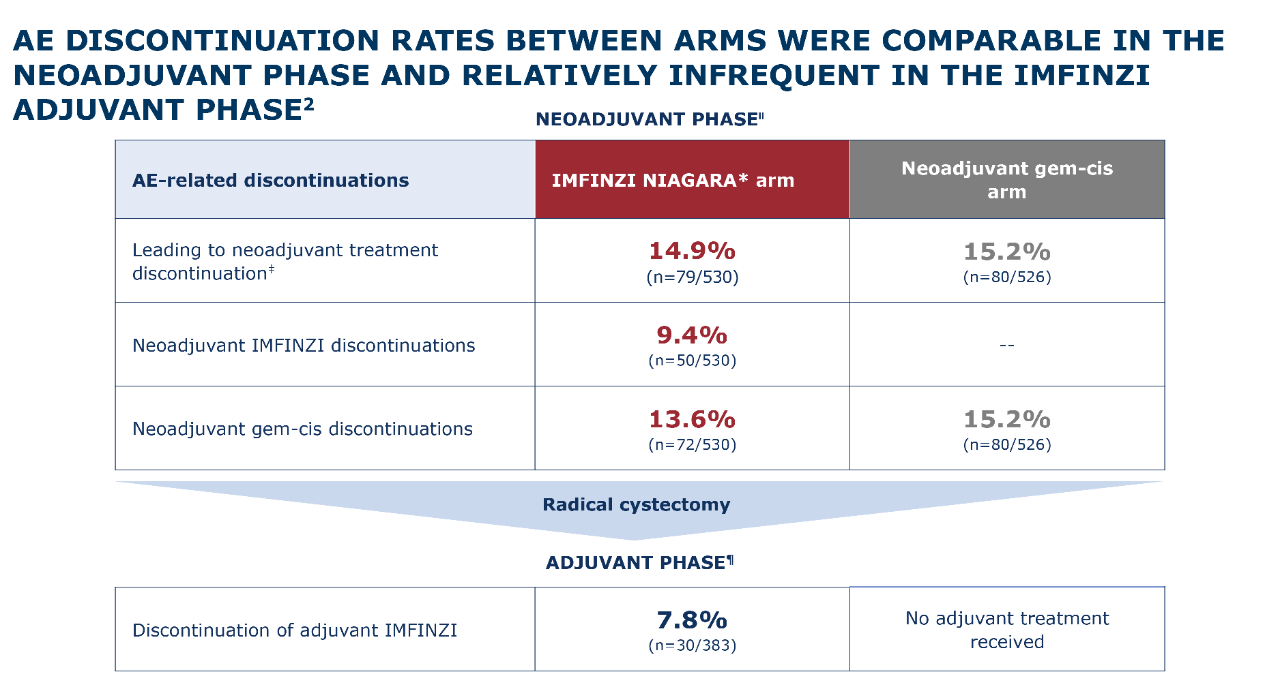
Table presenting discontinuation rates in the neoadjuvant and adjuvant phases due to adverse events. Table presenting discontinuation rates in the neoadjuvant and adjuvant phases due to adverse events.

‡Refers to IMFINZI/gemcitabine/cisplatin and does not include surgery.2


‖ Neoadjuvant phase - includes all patients who received at least one dose of neoadjuvant treatment.2


¶ Adjuvant phase - Includes all patients who received at least one dose of IMFINZI as adjuvant treatment in the IMFINZI NIAGARA group and all patients who had at least 1 visit in the adjuvant phase in the neoadjuvant gem-cis group.2

  1. first
  2. second
  3. third
Click here to find out more about dosing and administration

Back to top


*The perioperative IMFINZI NIAGARA regimen is defined as neoadjuvant IMFINZI + gem-cis followed by adjuvant IMFINZI as a single agent after RC1,2

AE, adverse event; BCG, Bacillus Calmette–Guérin; BICR, Blinded Independent Central Review; CI, confidence interval; CPR, complete pathological response; CrCl, creatinine clearance; CTLA-4, cytotoxic T-lymphocyte–associated protein 4; ECOG PS, Eastern Cooperative Oncology Group performance status; EFS, event-free survival; gem-cis, gemcitabine-cisplatin; HIV, human immunodeficiency virus; HR, hazard ratio; imAEs, immune mediated adverse events; IP, investigational product; IO, immuno-oncology; ITT, intent-to-treat; MFS, metastasis-free survival; MIBC, muscle-invasive bladder cancer; N, node; NAC, neoadjuvant chemotherapy; NR, not reached; OS, overall survival; pCR, pathological complete response; PD-1, programmed cell death protein 1; PD-L1, programmed death-ligand 1; PD-L2, programmed death-ligand 2; Q4W, once every 4 weeks; RC, radical cystectomy; SAE, serious adverse event; TCC, transitional cell carcinoma; UC, urothelial carcinoma; ARR, absolute risk reduction.


 

  1. IMFINZI, Summary of Product Characteristics.
  2. Powles T, et al. N Engl J Med. 2024;391(19):1773-1786 (including Supplementary Appendix and Protocol).
  3. Powles T, et al. Presented at ESMO; September 13-17, 2024; Barcelona, Spain. Abs LBA5.
  4. Galsky MD, et al. Presented at ASCO GU Cancers Symposium; February 13-15, 2025; San Francisco, CA. Abs659.

GB-67156 | October 2025

Progression-free survival (PFS) Kaplan-Meier curve (dual primary endpoint) Progression-free survival (PFS) Kaplan-Meier curve (dual primary endpoint)

Overall survival (OS) Kaplan-Meier curve (key secondary endpoint) Overall survival (OS) Kaplan-Meier curve (key secondary endpoint)

Adverse events should be reported. Reporting forms and information can be found at www.mhra.gov.uk/yellowcard or search for MHRA Yellow Card in the Google Play or Apple App Store. Adverse events should also be reported to AstraZeneca by visiting https://contactazmedical.astrazeneca.com/ or by calling ‌‌‌0‌‌‌8‌‌‌‌‌0‌‌‌‌0‌‌‌ ‌‌7‌‌‌‌‌‌8‌‌‌3‌‌‌ ‌‌0‌‌‌‌‌0‌‌‌‌3‌‌‌‌3‌‌‌.

Connessiallasalute.it

This website was created for UK HCPs and has been designed to provide information to educate, empower and enable them in the great work they are doing for patients across a range of therapy areas. This website is intended for doctors, nurses, and pharmacists in the UK. Other UK residents please visit astrazeneca.co.uk.

Terms of use

Privacy Policy

Cookie Policy

Contact Us

LinkedIn

Twitter

©2025 AstraZeneca. GB-69724 | October 2025