Welcome to this UK AstraZeneca produced and funded website

This website is intended for UK Healthcare Professionals only.


The website contains both promotional and non-promotional content.


If you are a patient or a carer of a patient prescribed an AstraZeneca product, please visit myazmed.co.uk


For any other UK residents please visit astrazeneca.co.uk

I am not a Healthcare Professional
Prescribing Information LYNPARZA (olaparib) United Kingdom
Adverse Event Reporting

This website is intended for UK Healthcare Professionals only. Other UK residents please visit astrazeneca.co.uk

These Lynparza website pages were funded and produced by AstraZeneca UK and MSD UK

AstraZeneca-logo
  • Our Medicines
    • Cardiovascular, Renal & Metabolism
      • ATTR Amyloidosis
        • WAINZUA®▼(eplontersen)
      • Chronic Kidney Disease (CKD)
        • FORXIGA® (dapagliflozin)
      • Heart Failure
        • FORXIGA® (dapagliflozin)
      • Hyperkalaemia
        • LOKELMA® (sodium zirconium cyclosilicate)
      • Type 2 Diabetes (T2D)
        • FORXIGA® (dapagliflozin)
    • Oncology
      • Breast Cancer
        • LYNPARZA® (olaparib)
        • TRUQAP®▼(capivasertib)
      • Bladder Cancer
        • IMFINZI® (durvalumab)
      • Endometrial Cancer
        • IMFINZI® (durvalumab)
        • LYNPARZA® (olaparib)
      • Gastrointestinal Cancer
        • IMFINZI® (durvalumab)
        • IMJUDO®▼(tremelimumab)
      • Lung Cancer
        • IMFINZI® (durvalumab)
        • TAGRISSO® (osimertinib)
      • Ovarian Cancer
        • LYNPARZA® (olaparib)
      • Prostate Cancer
        • LYNPARZA® (olaparib)
        • ZOLADEX® (goserelin)
    • Respiratory
      • Asthma
        • TEZSPIRE®▼ (tezepelumab)
        • SYMBICORT® (budesonide/formoterol)
      • Chronic Obstructive Pulmonary Disease(COPD)
        • TRIXEO AEROSPHERE® (formoterol fumarate dihydrate/glycopyrronium/budesonide)
        • BEVESPI® (glycopyrronium/formoterol fumarate dihydrate)
    • Vaccines
      • Flu
        • FLUENZ® nasal spray suspension (influenza vaccine, live attenuated, nasal)
  • Therapy Areas
    • Cardiovascular, Renal & Metabolism
      • ATTR Amyloidosis
      • Chronic Kidney Disease (CKD)
      • Heart Failure
      • Hyperkalaemia
      • Type 2 Diabetes (T2D)
    • Oncology
      • Breast Cancer
      • Bladder Cancer
      • Endometrial Cancer
      • Gastrointestinal Cancer
      • Lung Cancer
      • Ovarian Cancer
      • Prostate Cancer
    • Respiratory
      • Asthma
      • Chronic Obstructive Pulmonary Disease(COPD)
    • Vaccines
      • Flu
  • About us
    • AZ Commitment
  • Contact us
  • AstraZeneca UK
  • Lynparza
  • LYNPARZA® (olaparib) | Ovarian Cancer | AstraZeneca & MSD UK
  • LYNPARZA® (olaparib) | PAOLA-1 trial
  • Home
  • PAOLA-1
  • SOLO-1
  • HRD Testing
  • Dosing
  • Resources
LYNPARZA® (olaparib) | PAOLA-1 trial
Make HER first-line count in the maintenance setting in newly diagnosed aOC Make HER first-line count in the maintenance setting in newly diagnosed aOC

Lynparza + bevacizumab is a targeted treatment approach for all eligible HRD+ aOC patients, supported by ESMO recommended guidelines1-4

  • Study design
  • Efficacy
  • Safety profile
  • Indication

Lynparza + bevacizumab is the only approved PARP inhibitor combination to be tested against an active, ESMO-recommended comparator: bevacizumab2,4

Click the tabs below to view the PAOLA-1 study design, key patient enrolment criteria and key baseline patient characteristics:

  1. PAOLA-1 study design
  2. Patient enrolment criteria
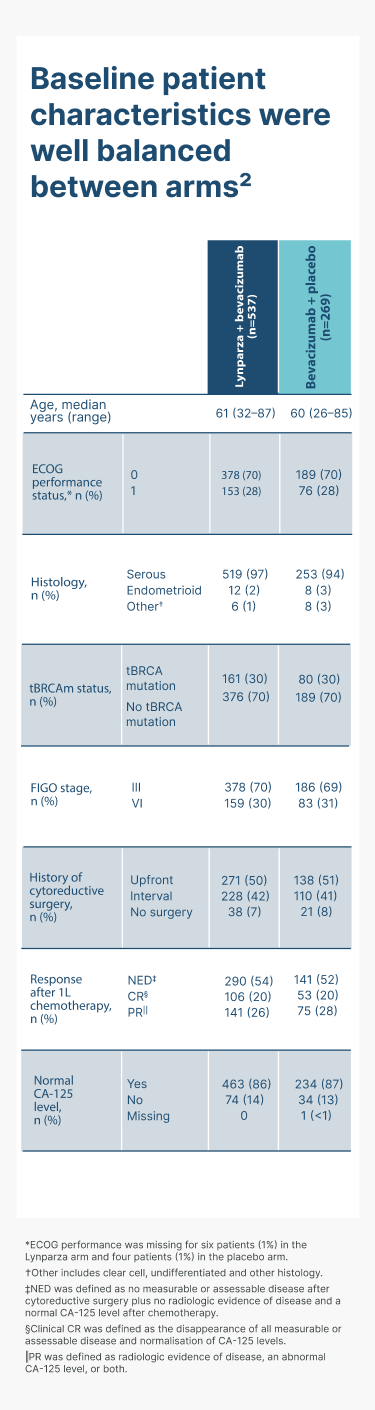
  3. Baseline Patient Characteristics
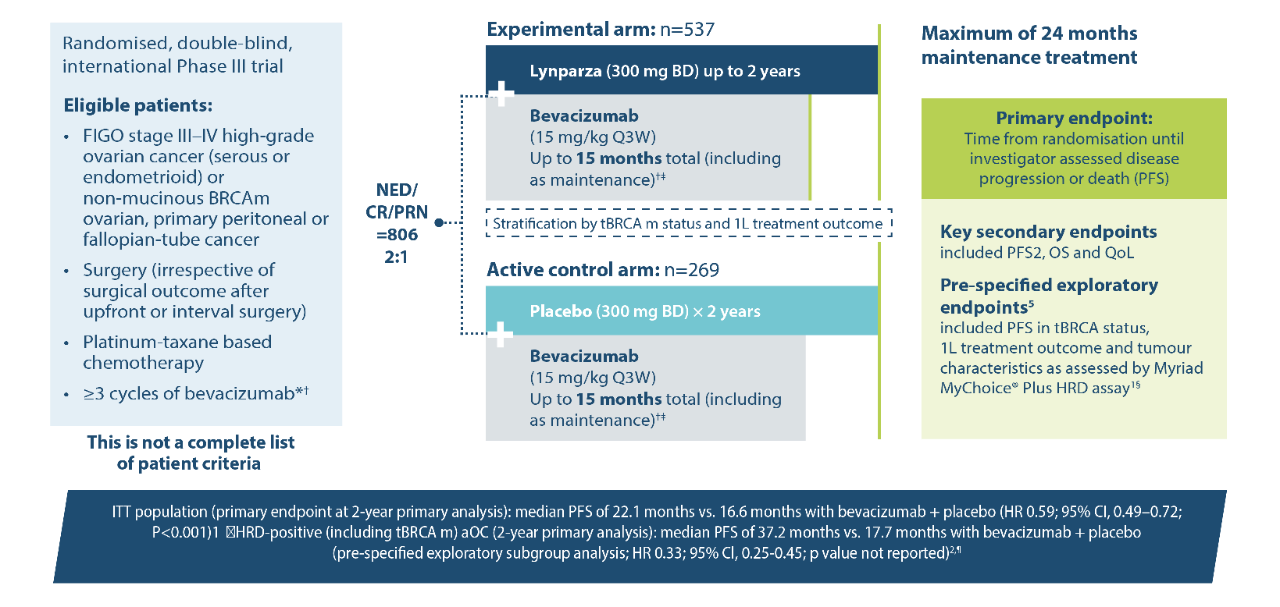
PAOLA-1 study design PAOLA-1 study design

Primary PFS data cut-off: 22 March 2019. Median duration of follow up: 22.7 months with Lynparza, 24.0 months with placebo.


*Including when administered with platinum-based chemotherapy.
†Prior to randomisation, patient must have received a minimum of three cycles of bevacizumab in combination with the three last cycles of platinum-based chemotherapy. Only in the case of interval debulking surgery, it is allowed to receive only two cycles of bevacizumab in combination with the last three cycles of platinum-based chemotherapy.
‡Total of 15 cycles including 3 cycles (-9 weeks) administered during 1L chemotherapy. HRD-positive is defined by tBRCAm and/or HRD score ≥42; HRD subgroup analysis should be regarded with caution and some potential statistical biases (selection bias, given that only 82% of the ITT population of PAOLA-1 had a conclusive HRD test, and imbalance bias, due to the randomisation not being stratified according to HRD status) should be taken into account. Although the tBRCAm status was a stratification factor in the study, HRD status was not randomised; §HRD analysis was a prespecified exploratory analysis and was not controlled for Type 1 error.
¶<50% of events had occurred in the Lynparza arm during primary analysis, therefore the reported median is unstable.


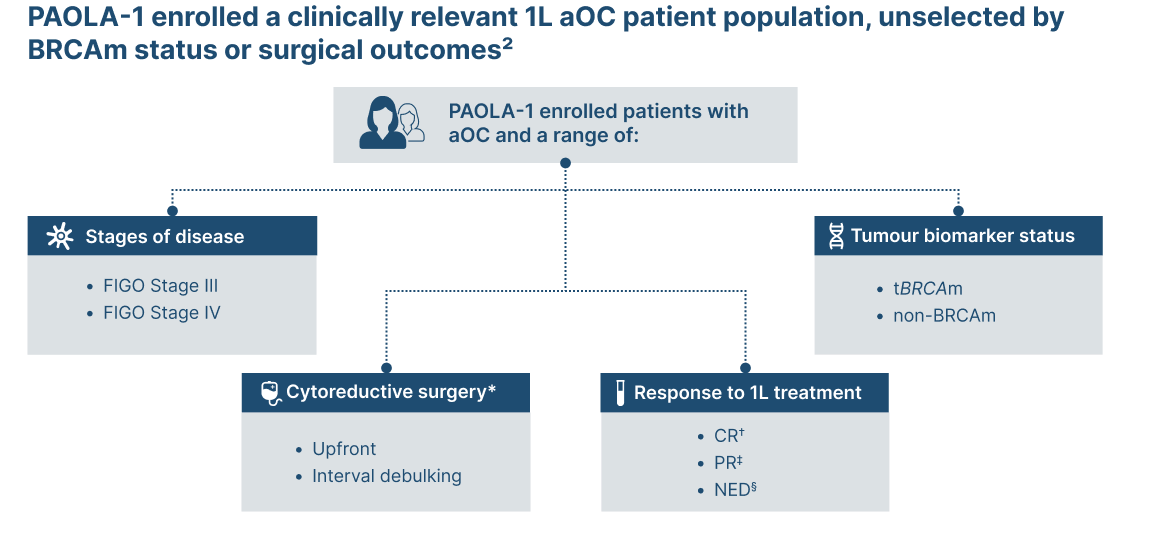
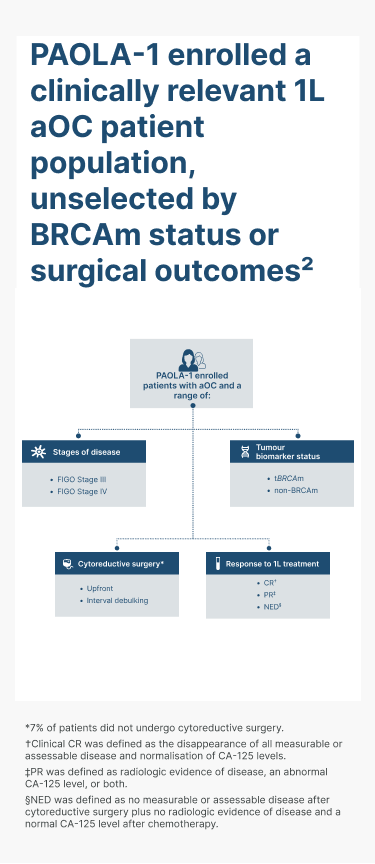
PAOLA-1 patient enrolment criteria PAOLA-1 patient enrolment criteria

*7% of patients did not undergo cytoreductive surgery. 

†Clinical CR was defined as the disappearance of all measurable or assessable disease and normalisation of CA-125 levels. 

‡PR was defined as radiologic evidence of disease, an abnormal CA-125 level, or both. 

§NED was defined as no measurable or assessable disease after cytoreductive surgery plus no radiologic evidence of disease and a normal CA-125 level after chemotherapy.

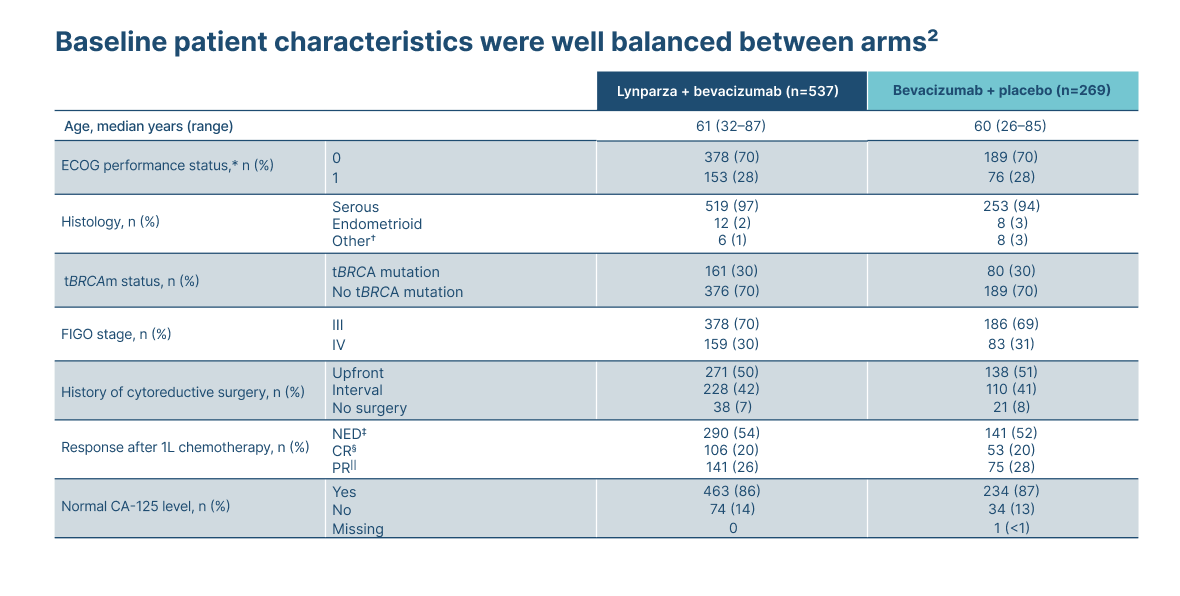
PAOLA-1 Baseline patient characteristics PAOLA-1 Baseline patient characteristics

*ECOG performance was missing for six patients (1%) in the Lynparza arm and four patients (1%) in the placebo arm. 

†Other includes clear cell, undifferentiated and other histology. 

‡NED was defined as no measurable or assessable disease after cytoreductive surgery plus no radiologic evidence of disease and a normal CA-125 level after chemotherapy. 

§Clinical CR was defined as the disappearance of all measurable or assessable disease and normalisation of CA-125 levels. 

‖PR was defined as radiologic evidence of disease, an abnormal CA-125 level, or both.

Learn more about HRD testing

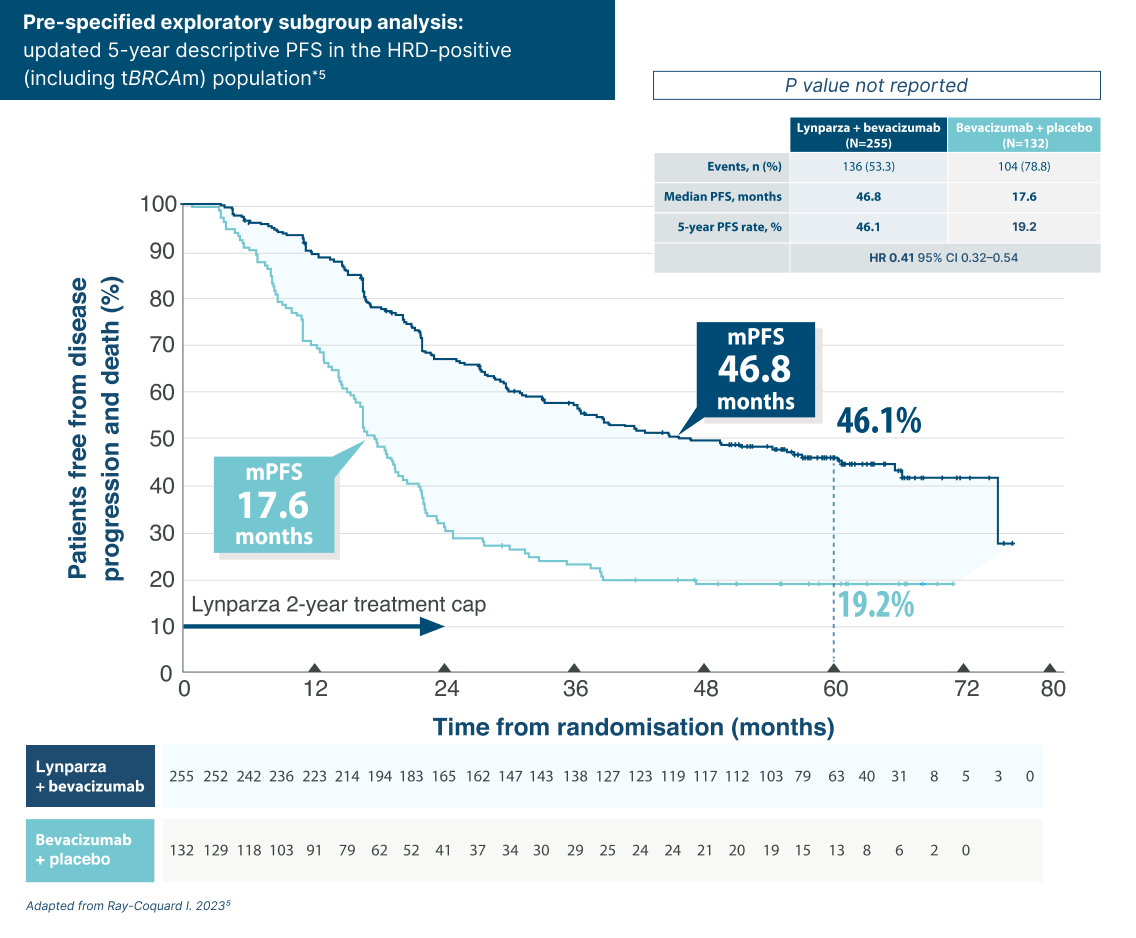
~1-in-2 patients treated with Lynparza + bevacizumab presented progression-free at 5 years vs ~1 in 5 patients on bevacizumab + placebo (P-value not reported)5

Patients receiving Lynparza + bevacizumab presented a 59% reduction in risk of disease progression or death compared with bevacizumab + placebo (5-year ARR at 5 years was 26.9%)

'Graph showing key secondary endpoint: OS for Lynparza + bevacisumab vs bevacisumab + placebo 'Graph showing key secondary endpoint: OS for Lynparza + bevacisumab vs bevacisumab + placebo

Final OS data cut-off: 22 March 2022. Median duration of follow up: 61.7 months with Lynparza, 61.9 months with placebo. 


*Please note that these are exploratory analyses and no statistical comparisons can be made between treatment arms.


Learn more about this trial from UK experts,
and patient case studies

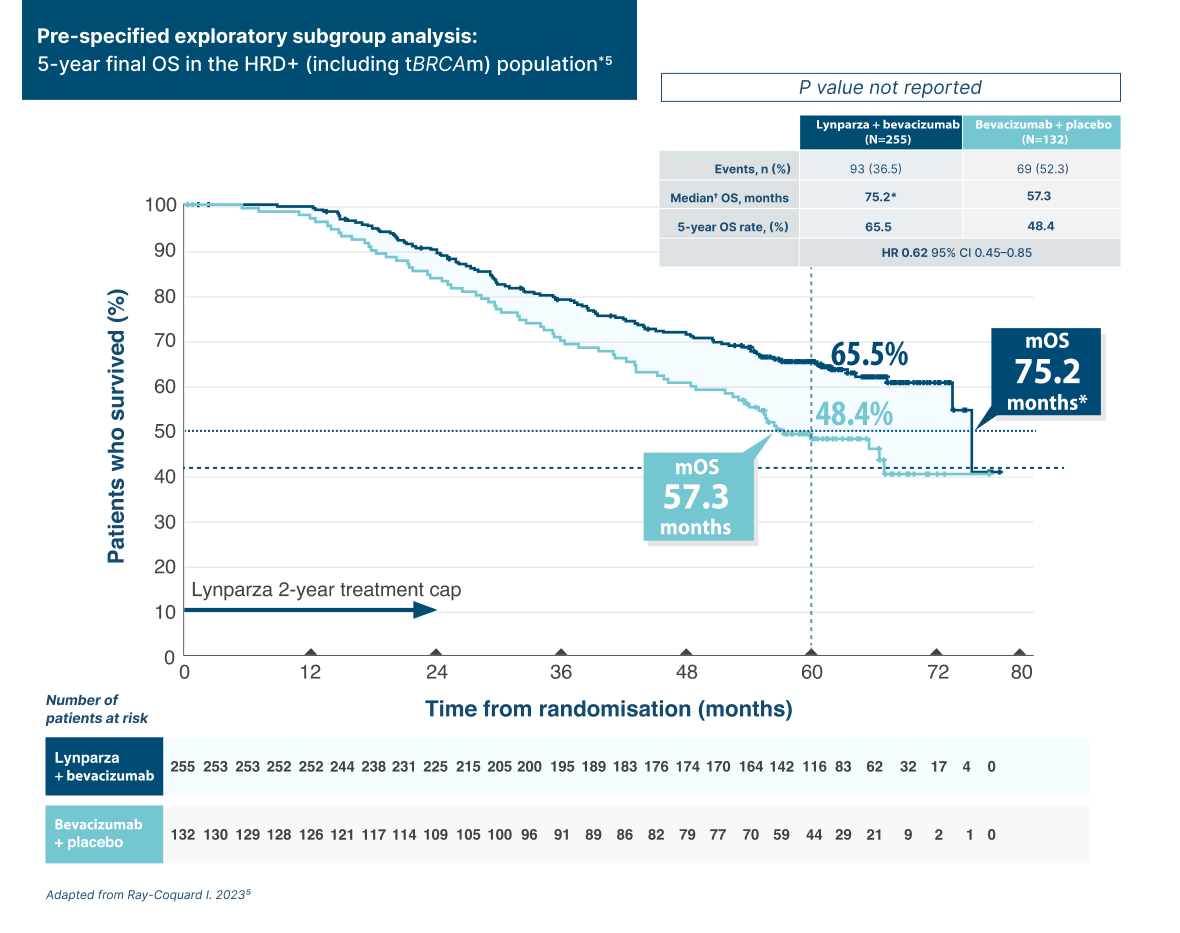
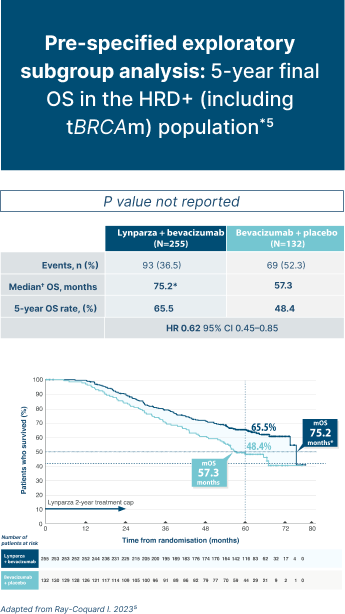
~2-in-3 patients treated with Lynparza + bevacizumab were alive at 
5 years vs ~1 in 2 patients on bevacizumab + placebo (P-value not reported)5

Patients receiving Lynparza + bevacizumab presented a 38% reduction in risk of death compared with bevacizumab + placebo (ARR at 5 years was 17.1%)5

Graph showing OS for Lynparza + bevacisumab vs bevacisumab + placebo in the HRD+ tBRCAm population Graph showing OS for Lynparza + bevacisumab vs bevacisumab + placebo in the HRD+ tBRCAm population

Final OS data cut-off: 22 March 2022. Median duration of follow up: 61.7 months with Lynparza, 61.9 months with placebo.
*Please note that these are exploratory analyses and no statistical comparisons can be made between treatment arms.
† <50% of events had occurred in the Lynparza arm during primary analysis, therefore the reported median is unstable.


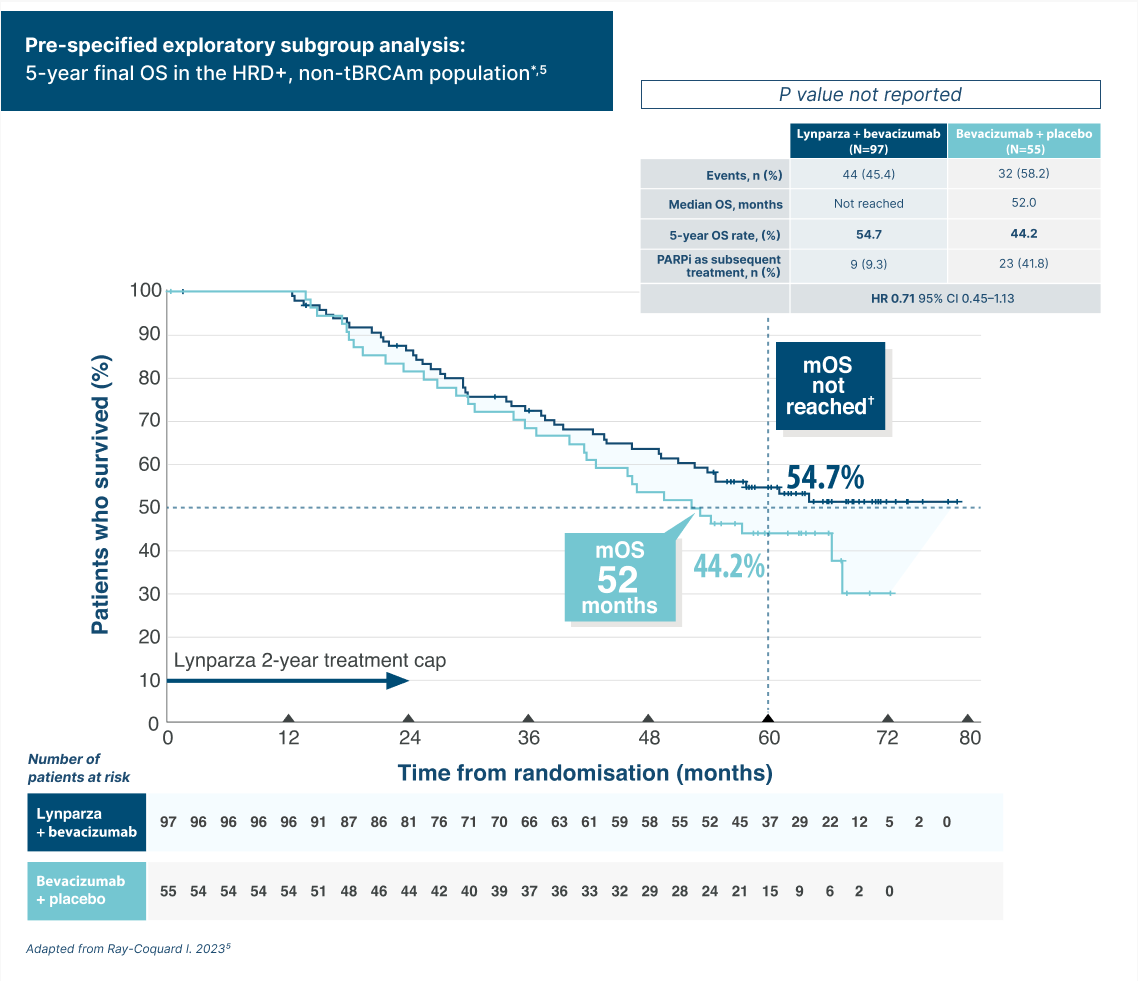
View the final OS results in the HRD+,
non-tBRCAm population

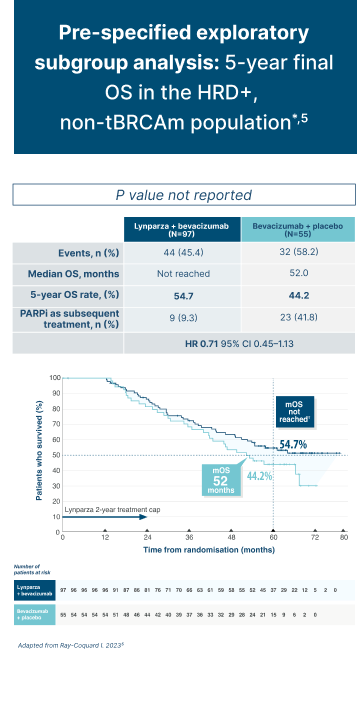
Patients receiving Lynparza + bevacizumab presented a 29% reduction in the risk of death compared with bevacizumab + placebo (ARR at 5 years was 10.5%)5

'Graph showing OS for Lynparza + bevacisumab vs bevacisumab + placebo in the HRD+ tBRCAm population 'Graph showing OS for Lynparza + bevacisumab vs bevacisumab + placebo in the HRD+ tBRCAm population

Final OS data cut-off: 22 March 2022. Median duration of follow up: 61.7 months with Lynparza, 61.9 months with placebo.
*Please note that these are exploratory analyses and no statistical comparisons can be made between treatment arms.
†'Not reached' reflects persistent OS in this treatment arm.

The safety profile of Lynparza + bevacizumab is generally manageable, no new safety signals were detected at the 5-year follow-up analysis1-3,5-6

The addition of Lynparza to bevacizumab did not amplify safety signals beyond the established profiles of the individual components (p-value not reported).5,6
Click the tabs below to view the summary of AEs and AEs of special interest at 5-years:

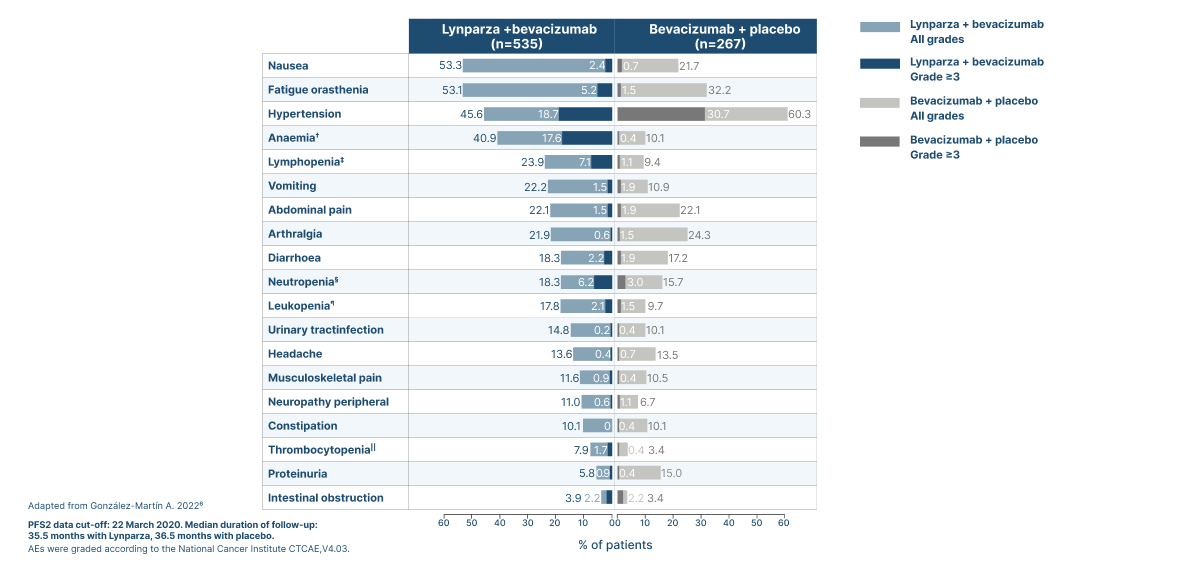
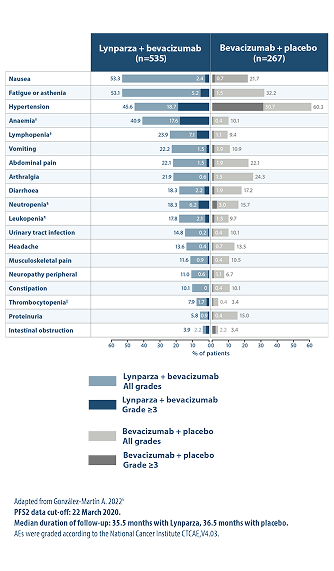
  1. Summary of AEs (2020 PFS2 analysis safety update)
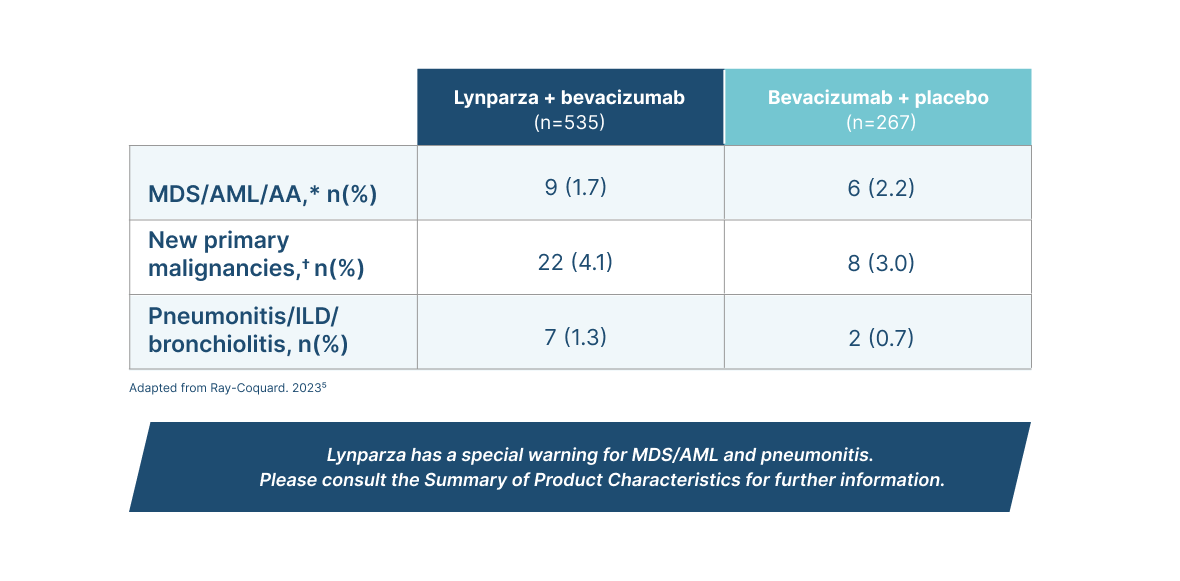
  2. AEs of special interest at 5-years
PAOLA-1 study design PAOLA-1 study design

* Data shown are all treatment-emergent AEs that occurred in at least 10% of patients in either treatment group and all Grade ≥3 events occurring in at least 2% of patients in either treatment group (except where noted) during study treatment or up to 30 days after discontinuation of the intervention. In total, two patients in the Lynparza + bevacizumab group (aplastic anaemia: n=1; pneumonia: n=1) and three patients in the bevacizumab + placebo group (dyspnoea: n=1; intestinal perforation: n=1;myocardial infarction: n=1) experienced a Grade 5 AE.
† Includes patients with anaemia, decreased haemoglobin concentration, decreased haematocrit, decreased red-cell count, erythropenia, macrocytic anaemia, normochromic anaemia, normochromic normocytic anaemia or normocytic anaemia.
‡ Includes patients with a decreased lymphocyte count, lymphopenia, a decreased B-lymphocyte count or a decreased T-lymphocyte count.
§ Includes patients with neutropenia, febrile neutropenia, neutropenic sepsis, neutropenic infection, decreased neutrophil count, idiopathic neutropenia, granulocytopenia, decreased granulocyte count or agranulocytosis.
¶ Includes patients with leukopenia or a decreased white-cell count.
|| Thrombocytopenia occurred in less than 10% of the patients in each trial group, but the data are provided to complete the profile of haematologic toxic effects. The data include patients with thrombocytopenia, decreased platelet production, a decreased platelet count, or a decreased plateletcrit.

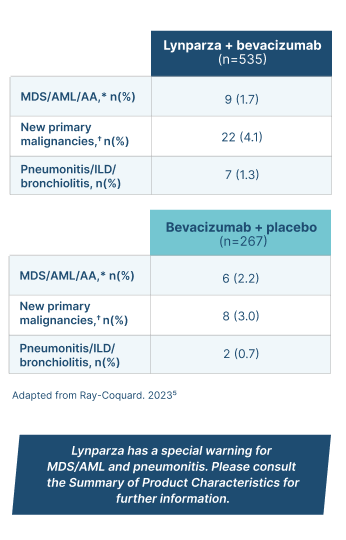
'Table showing AEs of special interest at 5 years  for Lynparza + bevacisumab vs bevacisumab + placebo  'Table showing AEs of special interest at 5 years  for Lynparza + bevacisumab vs bevacisumab + placebo

Final OS data cut-off: 22 March 2022. Median duration of follow up: 61.7 months with Lynparza, 61.9 months with placebo. 

*Of six patients in the placebo arm who had experienced an MDS/AML/AA event by the OS DCO, four received a PARP inhibitor as subsequent therapy and two did not; in all four patients who received a PARP inhibitor as subsequent therapy, the MDS/AML/AA event occurred within 35 days after the end of the subsequent treatment.
† New primary malignancies were: one plasma cell myeloma, two basal cell carcinoma, 11 breast cancer, one bronchial carcinoma, one colon cancer, one glioblastoma, one malignant neoplasm, one pancreatic carcinoma, two squamous cell carcinoma and one ureteric cancer in the Lynparza arm; and one papillary thyroid cancer, four breast cancer, one diffuse-large B-cell lymphoma, one malignant lung neoplasm and one malignant neoplasm in the placebo arm.

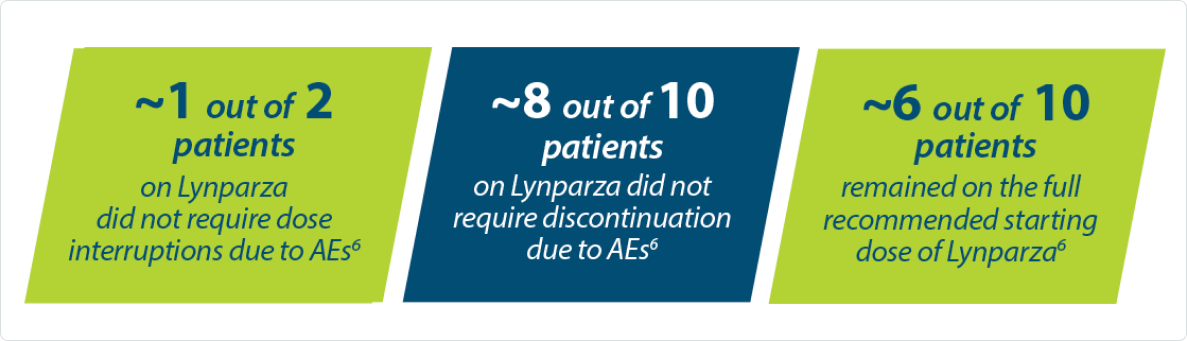
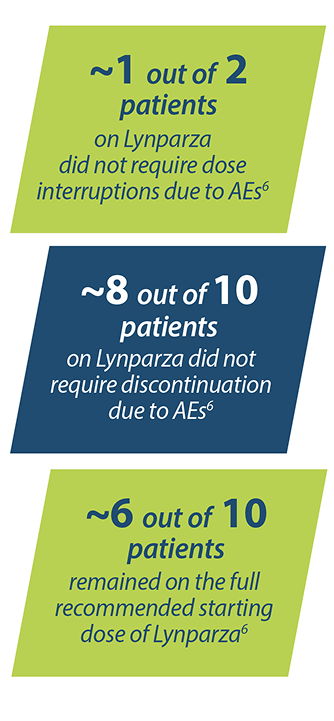
AEs were usually managed by dose interruption or dose reduction rather than discontinuation6

'Image showong proportion of patients requiring dose reductions, interuptions or discontinations due to Aes with Lynparza 'Image showong proportion of patients requiring dose reductions, interuptions or discontinations due to Aes with Lynparza
Click to view data on dose modifications and
discontinuations due to AEs in PAOLA-1

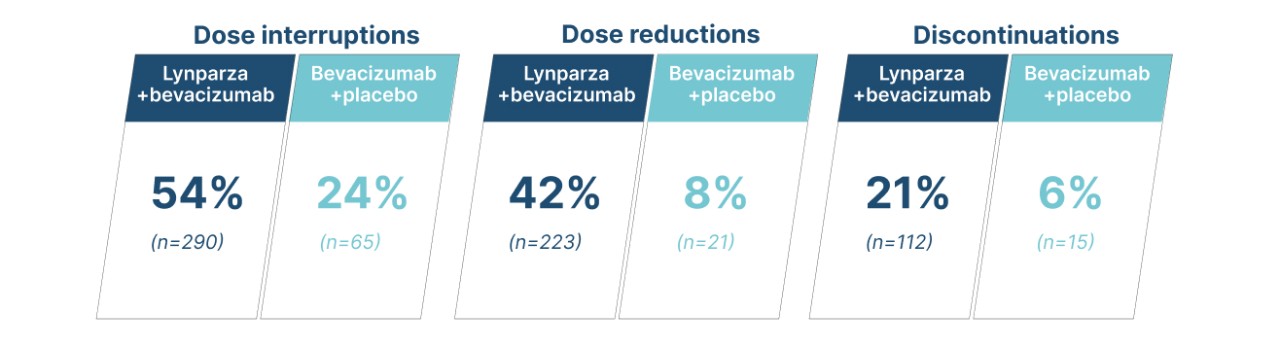
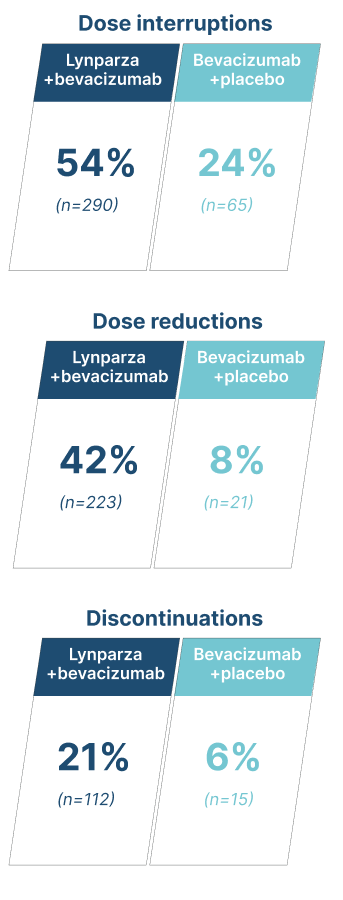
Dose modifications and discontinuations due to AEs in PAOLA-1 (2020 PFS2 analysis safety update):6,*

Data showing dose modifications and discontinuations due to AEs in PAOLA-1 (2020 PFS2 analysis safety update) Data showing dose modifications and discontinuations due to AEs in PAOLA-1 (2020 PFS2 analysis safety update)

PFS2 data cut-off: 22 March 2020. Median duration of follow-up: 35.5 months with Lynparza, 36.5 months with placebo.
*Rates of dose interruptions, dose reductions and discontinuations relate to Lynparza versus placebo

Please refer to the relevant Summary of Product Characteristics before prescribing to help minimise the risks associated with the use of the combination

To learn about flexible dosing with Lynparza to help manage AEs,
visit our dosing page

Lynparza tablets therapeutic indications1

Lynparza tablets are indicated as
monotherapy for:

  • The maintenance treatment of adult patients with advanced (FIGO stages III and IV) BRCA1/2-mutated (germline and/or somatic) high-grade epithelial ovarian, fallopian tube or primary peritoneal cancer who are in response (complete or partial) following completion of first-line platinum-based chemotherapy.
  • The maintenance treatment of adult patients with platinum-sensitive relapsed high-grade epithelial ovarian, fallopian tube, or primary peritoneal cancer who are in response (complete or partial) to platinum-based chemotherapy.

Lynparza in combination with bevacizumab
is indicated for:

  • The maintenance treatment of adult patients with advanced (FIGO stages III and IV) high-grade epithelial ovarian, fallopian tube or primary peritoneal cancer who are in response (complete or partial) following completion of first-line platinum-based chemotherapy in combination with bevacizumab and whose cancer is associated with homologous recombination deficiency (HRD) positive status defined by either a BRCA1/2 mutation and/or genomic instability.

Please consult the SmPC for further information before making any prescribing decisions.

1L, first-line; AA, aplastic anaemia; AE, adverse event; aOC, advanced Ovarian Cancer; AML, acute myeloid leukaemia; ARR, absolute risk reduction; BD, twice daily; BRCAm, BRCA1 or BRCA2 mutation; CA-125, cancer antigen 125; CI, confidence interval; CR, complete response; CTCAE, Common Terminology Criteria for Adverse Events; DCO, data cut-off; ESMO, European Society for Medical Oncology; FIGO, Fédération Internationale de Gynécologie et d’Obstétrique; HR, hazard ratio; HRD, homologous recombination deficiency; ILD, interstitial lung disease; ITT, intention to treat; mOS, median overall survival; MDS, myelodysplastic syndrome; NED, no evidence of disease; OS, overall survival; PARP, poly(ADP-ribose) polymerase; PFS, progression-free survival; PR, partial response; QoL, quality of life; Q3W, every 3 weeks; tBRCAm, tumour BRCA mutation. 

 

  1. Lynparza (olaparib) Summary of Product Characteristics.
  2. Ray-Coquard I, et al. N Engl J Med. 2019;381:2416–2428 (plus supplementary appendix)
  3. Avastin (bevacizumab) Summary of Product Characteristics
  4. Ledermann J, et al. Ann Oncol. 2024;35:248–266
  5. Ray-Coquard I, et al. Ann Oncol. 2023;34:681–692.
  6. González-Martín A, et al. Eur J Cancer. 2022;174:221–231 (plus supplementary appendix).

GB-73640 | February 2026

Adverse events should be reported. Reporting forms and information can be found at www.mhra.gov.uk/yellowcard or search for MHRA Yellow Card in the Google Play or Apple App Store. Adverse events should also be reported to AstraZeneca by visiting https://contactazmedical.astrazeneca.com/ or by calling ‌‌‌0‌‌‌8‌‌‌‌‌0‌‌‌‌0‌‌‌ ‌‌7‌‌‌‌‌‌8‌‌‌3‌‌‌ ‌‌0‌‌‌‌‌0‌‌‌‌3‌‌‌‌3‌‌‌.

Connessiallasalute.it

This website was created for UK HCPs and has been designed to provide information to educate, empower and enable them in the great work they are doing for patients across a range of therapy areas. This website is intended for doctors, nurses, and pharmacists in the UK. Other UK residents please visit astrazeneca.co.uk.

Terms of use

Privacy Policy

Cookie Policy

Contact Us

LinkedIn

Twitter

© Merck Sharp & Dohme (UK) Limited 2025. All rights reserved.

©2026 AstraZeneca. GB-73125 | January 2026