Welcome to this UK AstraZeneca produced and funded website

This website is intended for UK Healthcare Professionals only.


The website contains both promotional and non-promotional content.


If you are a patient or a carer of a patient prescribed an AstraZeneca product, please visit myazmed.co.uk


For any other UK residents please visit astrazeneca.co.uk

I am not a Healthcare Professional
Prescribing Information LYNPARZA (olaparib) United Kingdom
Adverse Event Reporting

This is a promotional website developed by AstraZeneca and intended for UK Healthcare Professionals only. Other UK residents please visit astrazeneca.co.uk

AstraZeneca-logo
  • Our Medicines
    • Cardiovascular, Renal & Metabolism
      • ATTR Amyloidosis
        • WAINZUA®▼(eplontersen)
      • Chronic Kidney Disease (CKD)
        • FORXIGA® (dapagliflozin)
      • Heart Failure
        • FORXIGA® (dapagliflozin)
      • Hyperkalaemia
        • LOKELMA® (sodium zirconium cyclosilicate)
      • Type 2 Diabetes (T2D)
        • FORXIGA® (dapagliflozin)
    • Oncology
      • Breast Cancer
        • LYNPARZA® (olaparib)
        • TRUQAP®▼(capivasertib)
      • Bladder Cancer
        • IMFINZI® (durvalumab)
      • Endometrial Cancer
        • IMFINZI® (durvalumab)
        • LYNPARZA® (olaparib)
      • Gastrointestinal Cancer
        • IMFINZI® (durvalumab)
        • IMJUDO®▼(tremelimumab)
      • Lung Cancer
        • IMFINZI® (durvalumab)
        • TAGRISSO® (osimertinib)
      • Ovarian Cancer
        • LYNPARZA® (olaparib)
      • Prostate Cancer
        • LYNPARZA® (olaparib)
        • ZOLADEX® (goserelin)
    • Respiratory
      • Asthma
        • TEZSPIRE®▼ (tezepelumab)
        • SYMBICORT® (budesonide/formoterol)
      • Chronic Obstructive Pulmonary Disease(COPD)
        • TRIXEO AEROSPHERE® (formoterol fumarate dihydrate/glycopyrronium/budesonide)
        • BEVESPI® (glycopyrronium/formoterol fumarate dihydrate)
    • Vaccines
      • Flu
        • FLUENZ® nasal spray suspension (influenza vaccine, live attenuated, nasal)
  • Therapy Areas
    • Cardiovascular, Renal & Metabolism
      • ATTR Amyloidosis
      • Chronic Kidney Disease (CKD)
      • Heart Failure
      • Hyperkalaemia
      • Type 2 Diabetes (T2D)
    • Oncology
      • Breast Cancer
      • Bladder Cancer
      • Endometrial Cancer
      • Gastrointestinal Cancer
      • Lung Cancer
      • Ovarian Cancer
      • Prostate Cancer
    • Respiratory
      • Asthma
      • Chronic Obstructive Pulmonary Disease(COPD)
    • Vaccines
      • Flu
  • About us
    • AZ Commitment
  • Contact us
  • AstraZeneca UK
  • Lynparza
  • Home
  • Lynparza (Olaparib): OlympiAD clinical trial
  • Home
  • BRCA testing
  • OlympiA: eBC
  • OlympiAD: mBC
  • Resources
Lynparza (Olaparib): OlympiAD clinical trial
Woman-smiling.jpg

OlympiAD clinical trial


The efficacy and safety profile of LYNPARZA in mBC was demonstrated in OlympiAD: a randomised,
open-label, controlled, multicentre, Phase III trial1,2

  • Study design
  • Efficacy
  • Safety profile


LYNPARZA is a targeted treatment option licensed and reimbursed for eligible patients with gBRCAm, HER2-negative aBC3–5

Study design

OlympiAD was designed to investigate PFS as its primary endpoint and also included a pre-specified secondary endpoint of PFS21

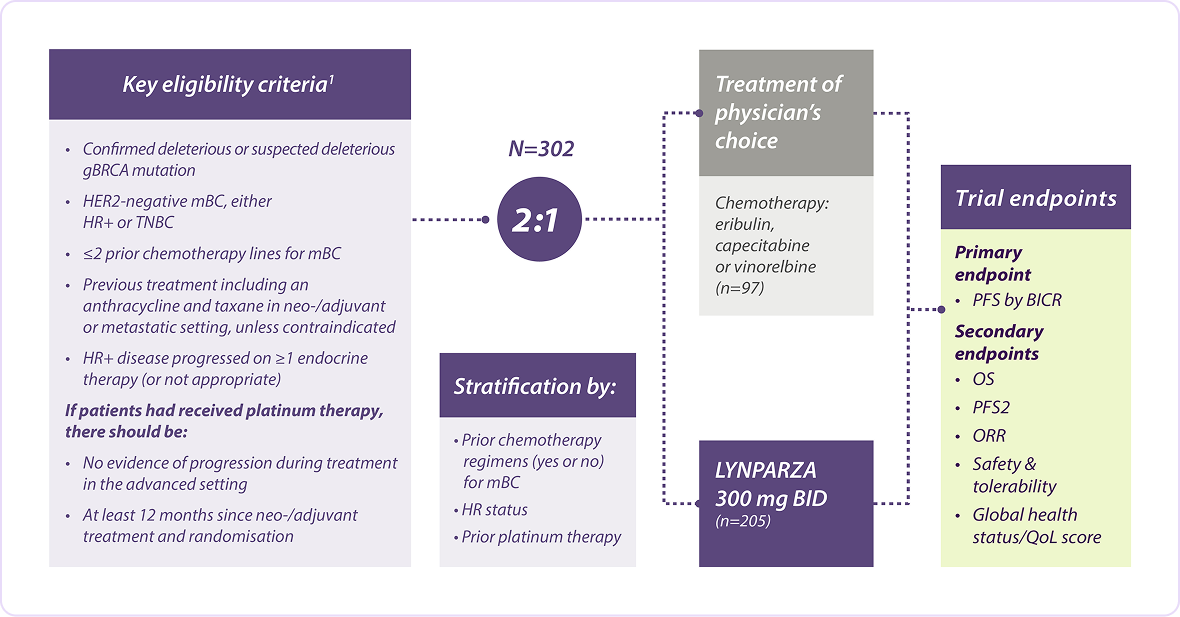
OlympiAD was a randomised, open-label, controlled, multicentre, Phase III trial designed to investigate the efficacy and safety of LYNPARZA vs. chemotherapy in patients with gBRCAm, HER2-negative mBC.1

Flowchart of study design Flowchart of study design

Adapted from Robson M, et al. 2017.1
*Treatment of physician’s choice (eribulin, capecitabine or vinorelbine).1

Back to top

Efficacy results

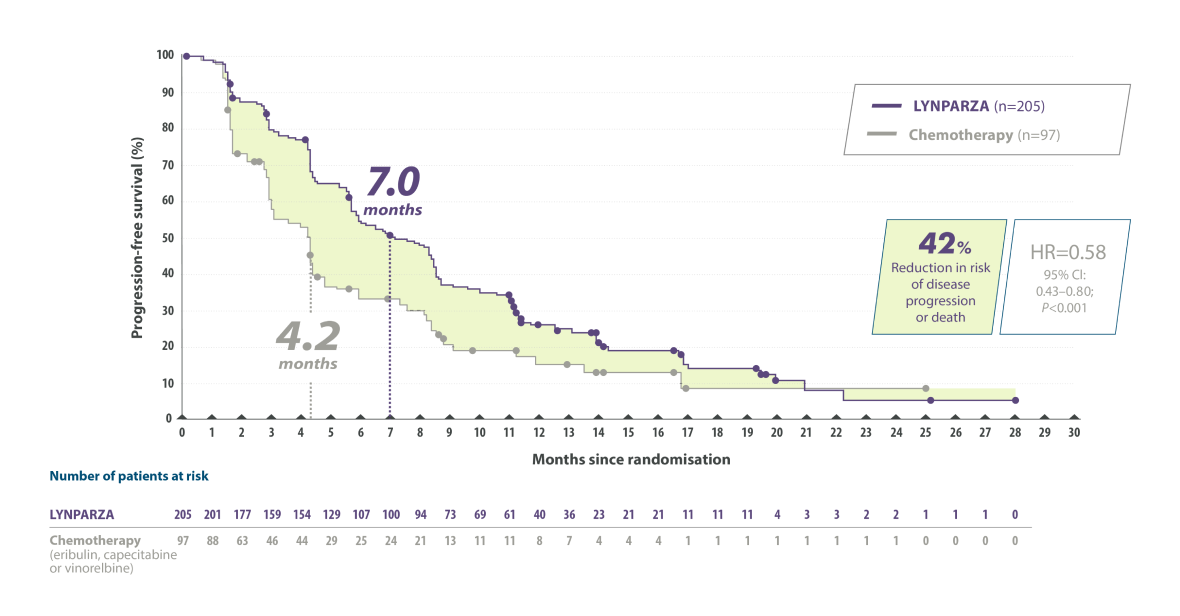
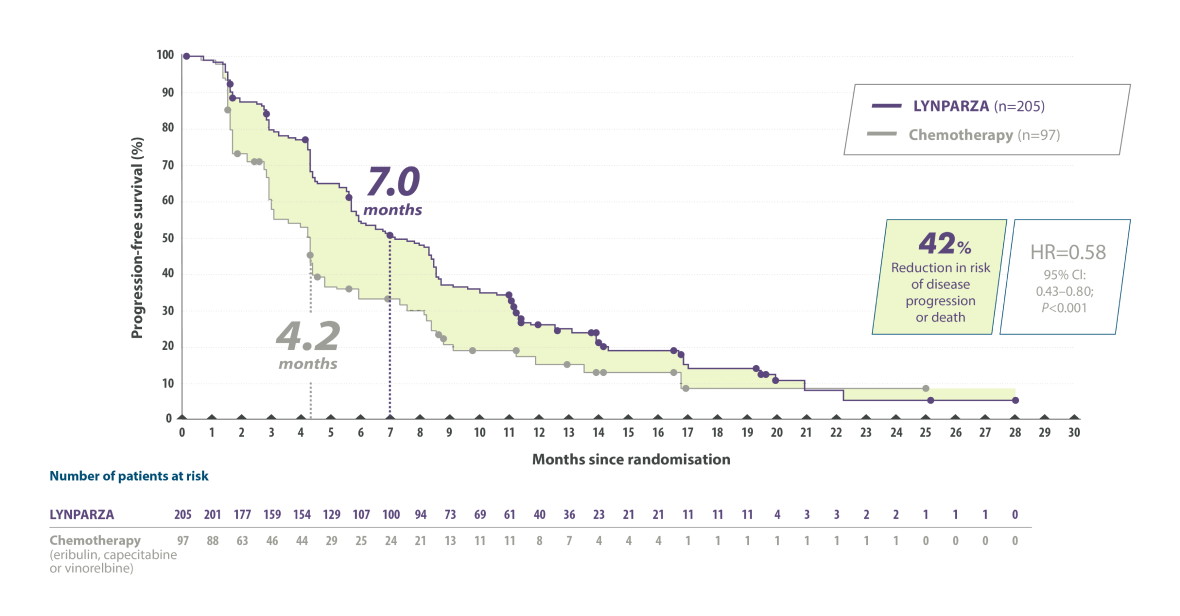
Primary endpoint: LYNPARZA reduced the risk of progression or death by 42% vs. chemotherapy1

LYNPARZA significantly prolonged mPFS by 2.8 months, with a mPFS of 7.0 months vs. 4.2 months with chemotherapy

(HR=0.58 [95% CI: 0.43–0.80]; P<0.001).1

PFS (assessed by BICR*) in patients with gBRCAm, HER2-negative mBC:1

Linegraph of efficiacy results Linegraph of efficiacy results

Adapted from Robson M, et al. 2017.1
*PFS results that were based on investigator assessment were consistent with results based on BICR.1

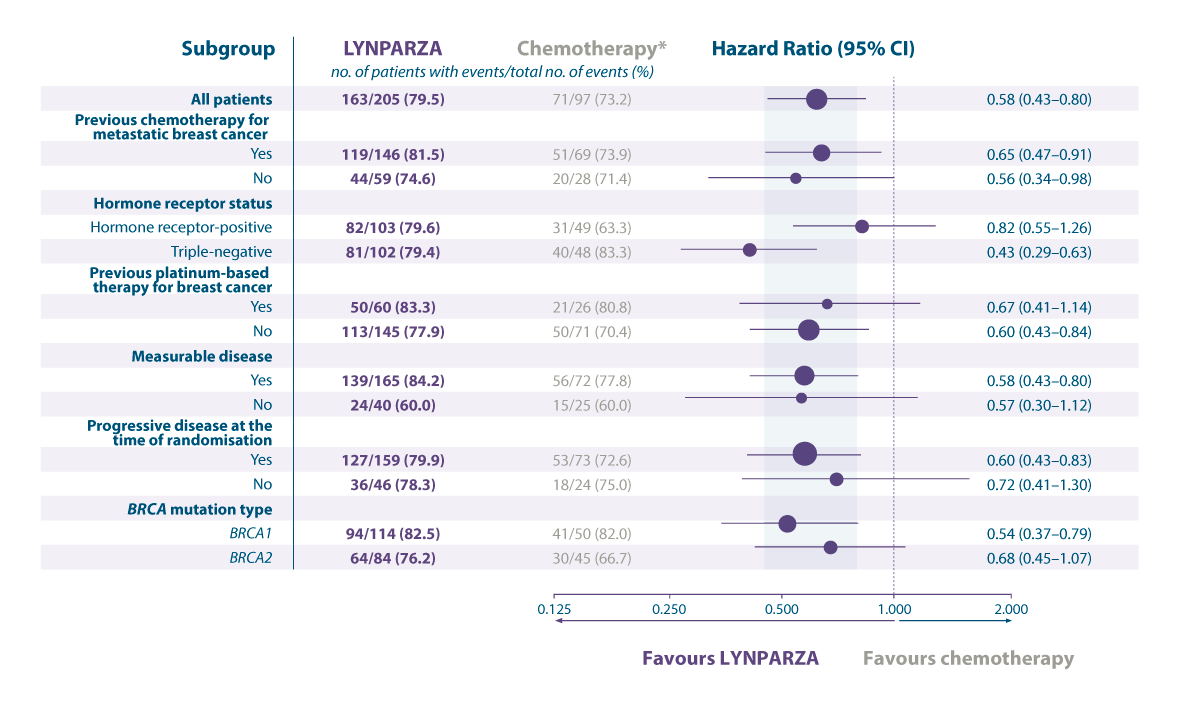
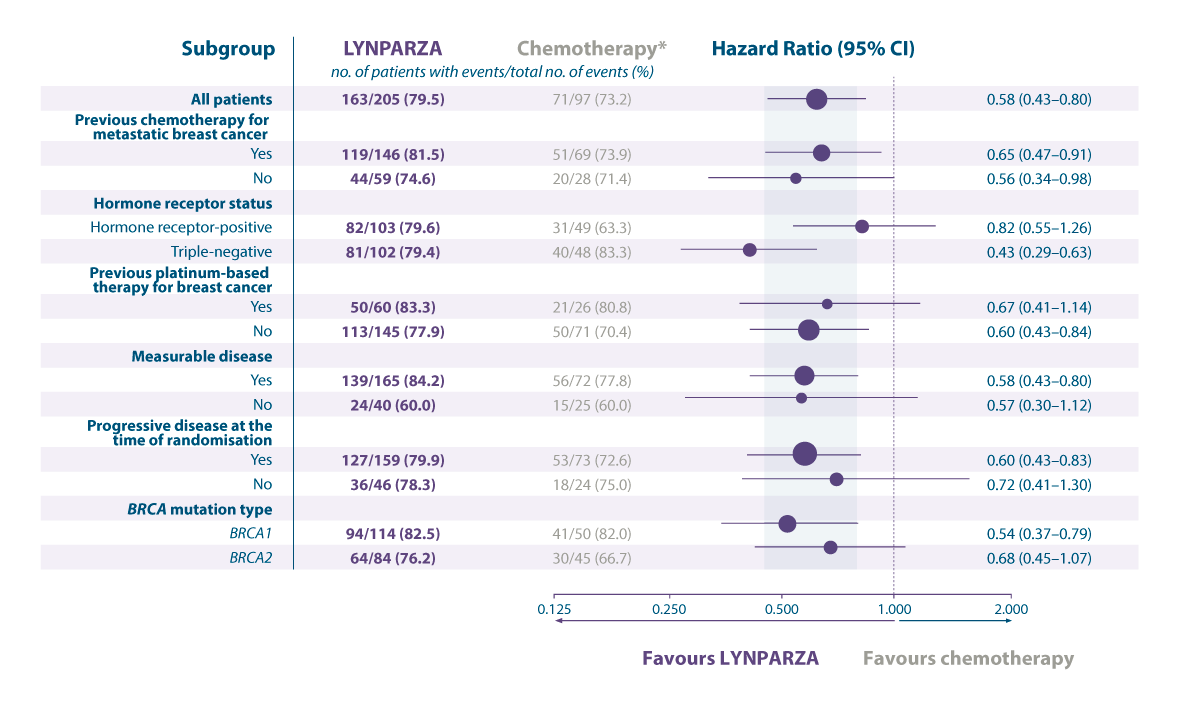
PFS benefits table PFS benefits table

Adapted from Robson M, et al. 2017.1
*Treatment of physician’s choice (eribulin, capecitabine or vinorelbine).1

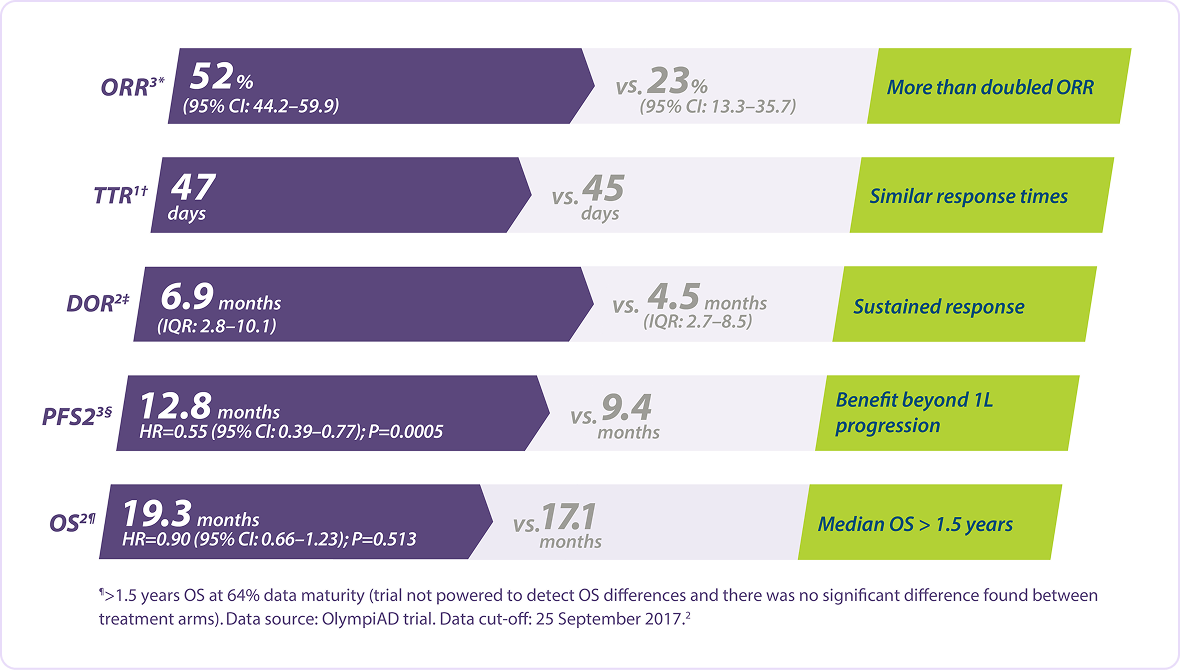
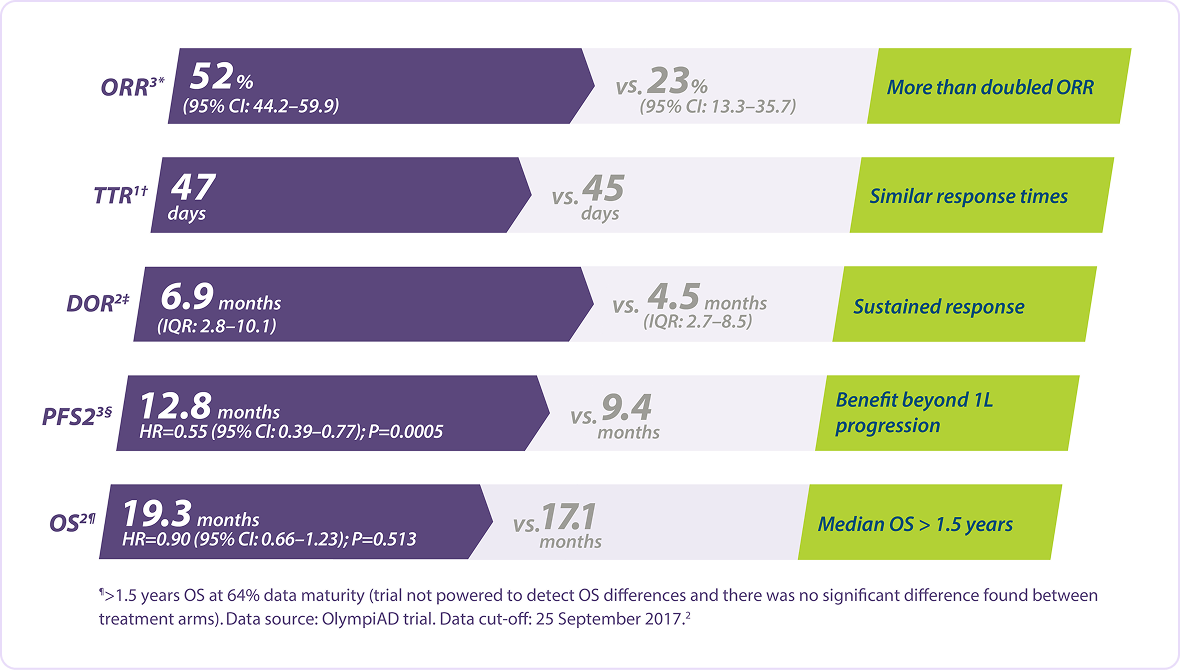
Secondary endpoints: LYNPARZA improved key outcomes vs. chemotherapy in patients with gBRCAm, HER2-negative mBC1–3

Secondary endpoints for Lynparza key outcomes infographic Secondary endpoints for Lynparza key outcomes infographic

*Confirmed responses (by BICR) were defined as a recorded response of either CR/PR, confirmed by repeat imaging not less than 4 weeks after the visit when the response was first observed. Data source: SmPC. Data cut-off: 9 December 2016.3

†TTR was assessed in patients with measurable disease who had a response to treatment – 100/167 LYNPARZA patients and 19/66 chemotherapy patients. Data source: OlympiAD trial. Data cut-off: December 2016.1

‡Investigator-assessed data from patients with measurable disease who had a response to treatment and were available for longer follow-up (n=111). Data source: OlympiAD trial. Data cut-off: 25 September 2017.2

§PFS2 assesses the time from treatment initiation to the second disease progression or death from any cause. Data source: SmPC. Data cut-off: 25 September 2017.3

Back to top

Safety profile

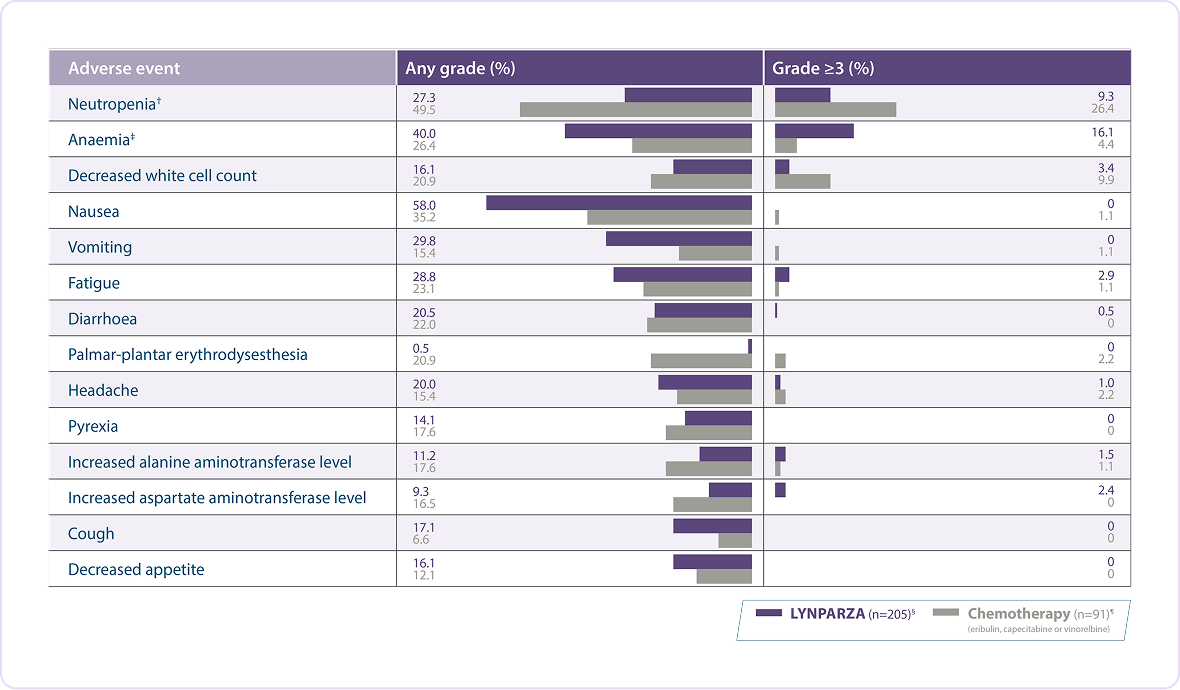
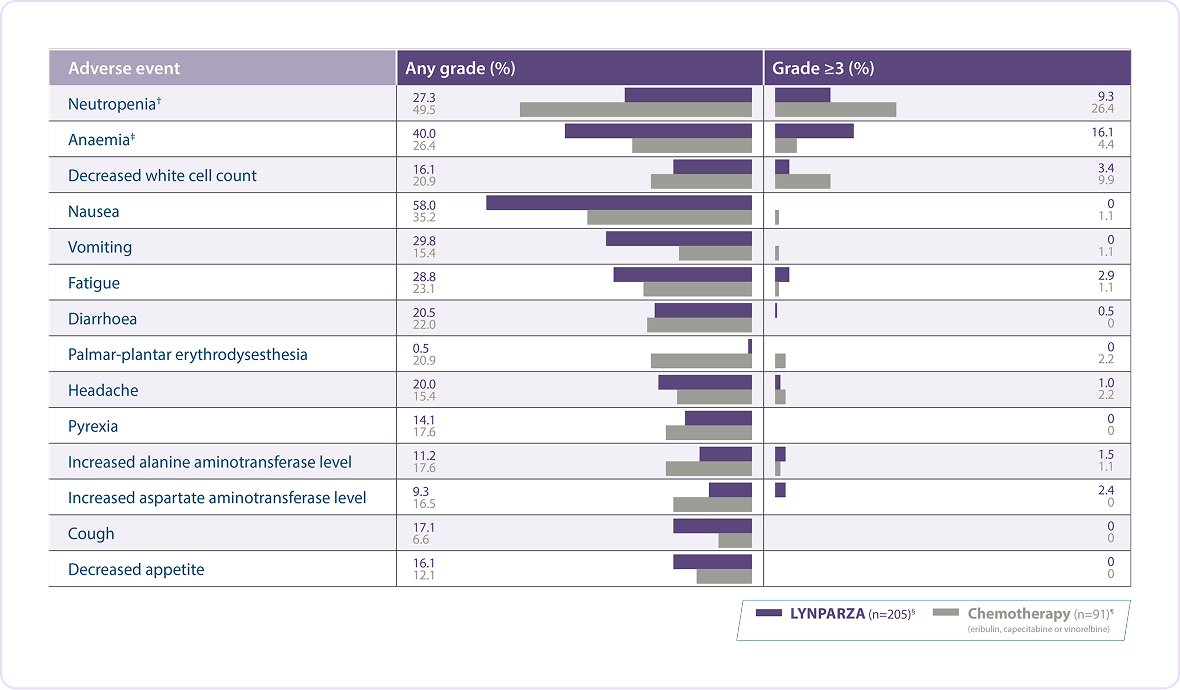
LYNPARZA has a generally manageable safety profile, with the majority of AEs being mild-to-moderate1

AEs reported in ≥15% of patients in OlympiAD1*

Safety profile table Safety profile table

Adapted from Robson M, et al. 2017.1

*Includes AEs of any grade that occurred in ≥15% of patients in either group and grade ≥3 AEs, which were graded according to the NCI CTCAE, version 4.0.1

†The neutropenia category included febrile neutropenia, granulocytopenia, decreased granulocyte count, neutropenia, neutropenic sepsis, decreased neutrophil count and neutropenic infection.1

‡The anaemia category included anaemia, decreased haemoglobin level, decreased haematocrit, decreased red-cell count and erythropenia.1

§205 patients were assigned to receive LYNPARZA. All 205 patients received treatment and were included in safety analyses.1

¶97 patients were assigned to receive standard therapy, 6 did not receive treatment owing to patient decision. 91 received treatment and were included in the safety analyses.1

Haematological toxicity and hepatotoxicity are listed as special warnings in the LYNPARZA SmPC. Please consult the SmPC for more information on AEs and their management prior to prescribing.3

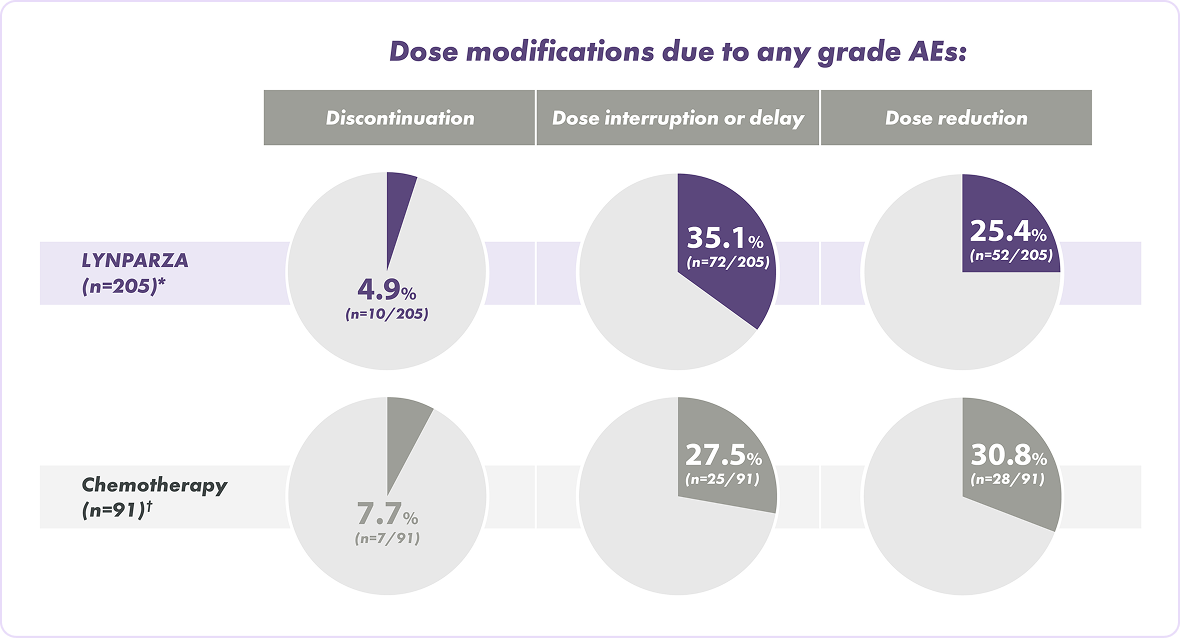
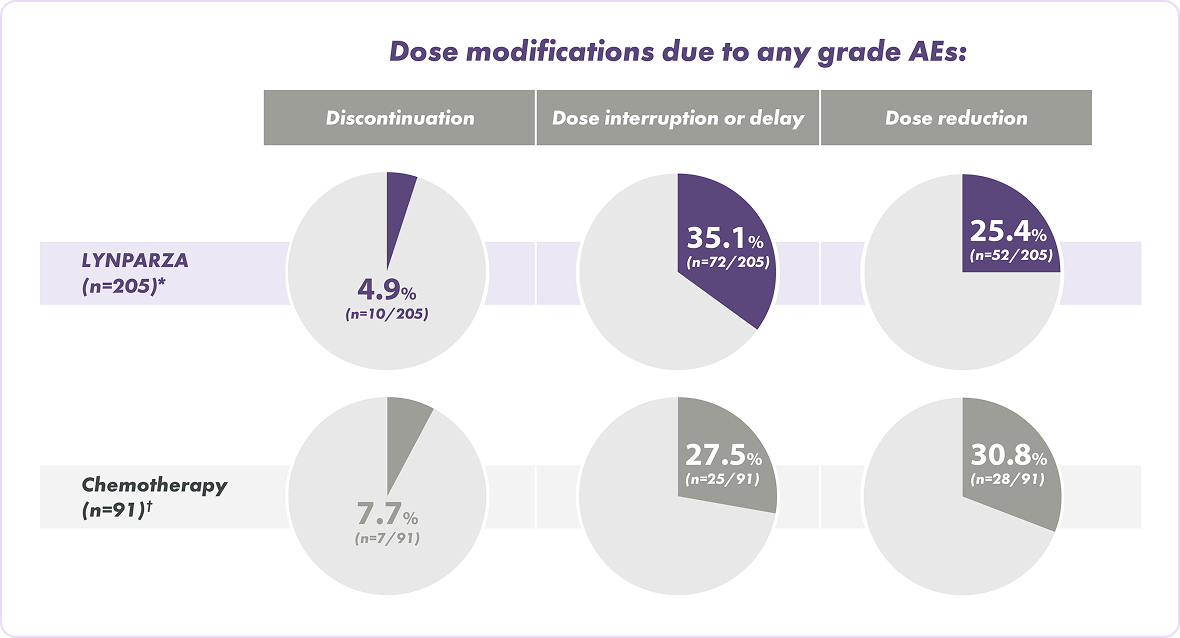
Piechart visual to show patients that stayed on Lynparza Piechart visual to show patients that stayed on Lynparza

*205 patients were assigned to receive LYNPARZA and all 205 received treatment and were included in safety analyses.1
†Treatment of physician’s choice (eribulin, capecitabine or vinorelbine). A total of 97 patients were assigned to receive standard therapy, 6 did not receive treatment owing to patient decision. 91 received treatment and were included in the safety analyses.1

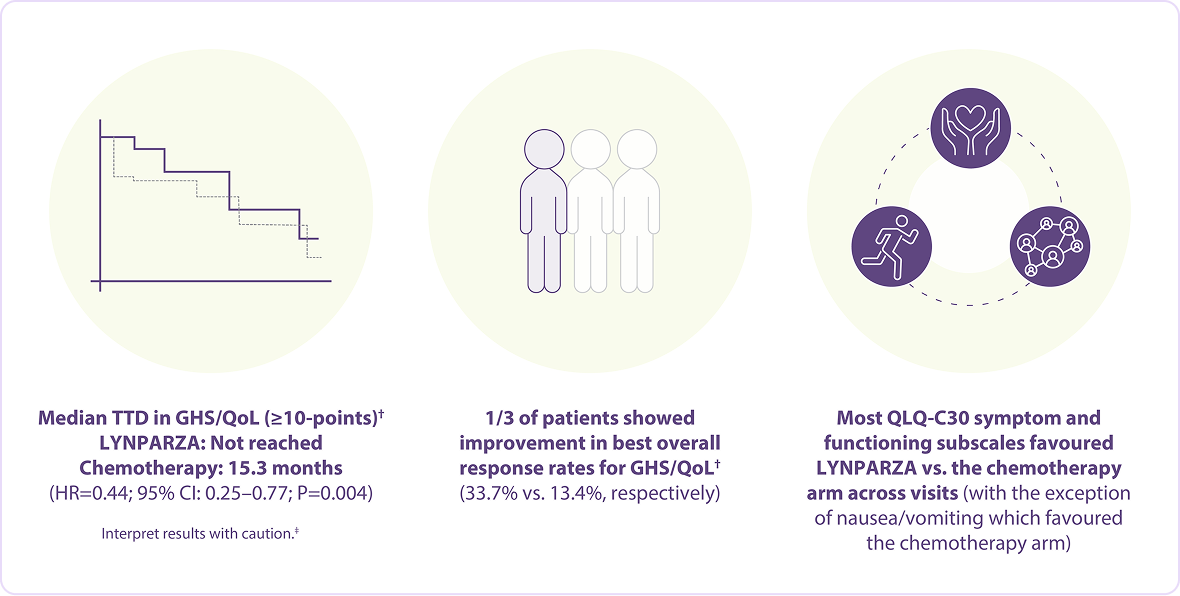
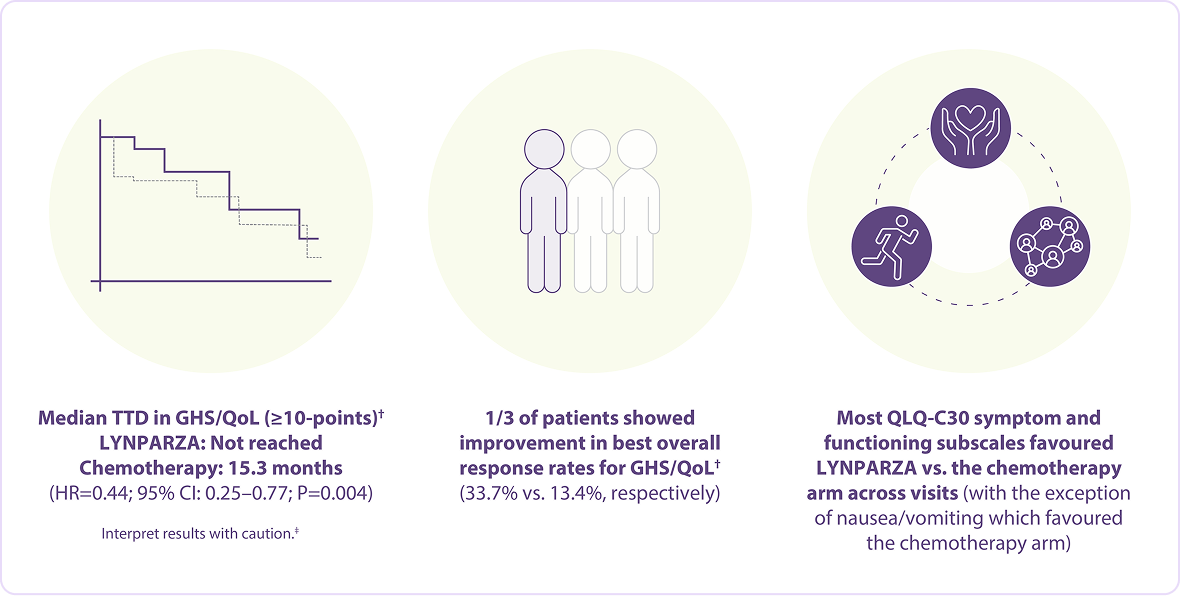
LYNPARZA significantly improved global HRQoL vs. chemotherapy7

OlympiAD included cancer-specific HRQoL outcomes to assess the patient experience during treatment with LYNPARZA7*

HRQoL outcomes with LYNPARZA vs. chemotherapy:

Infographic displaying patients improvement in QOL Infographic displaying patients improvement in QOL

*The EORTC QLQ-C30 questionnaire was completed by the patient at baseline and every 6 weeks until disease progression (compliance rates were 93.2% for LYNPARZA and 76.3% for treatment of physician’s choice [eribulin, capecitabine or vinorelbine]).7

†Best overall response of improvement and deterioration were defined as a ≥10 point change from baseline and sustained for at least 21 days (for ‘improvement’, without an intervening visit response of  ‘deterioration’; for ‘deterioration’, without an intervening response of ‘improved’ or ‘no change’).7

‡Censoring of most LYNPARZA-treated patients because they did not meet the 10-point threshold criterion for deterioration means that these TTD data should be interpreted with caution.7

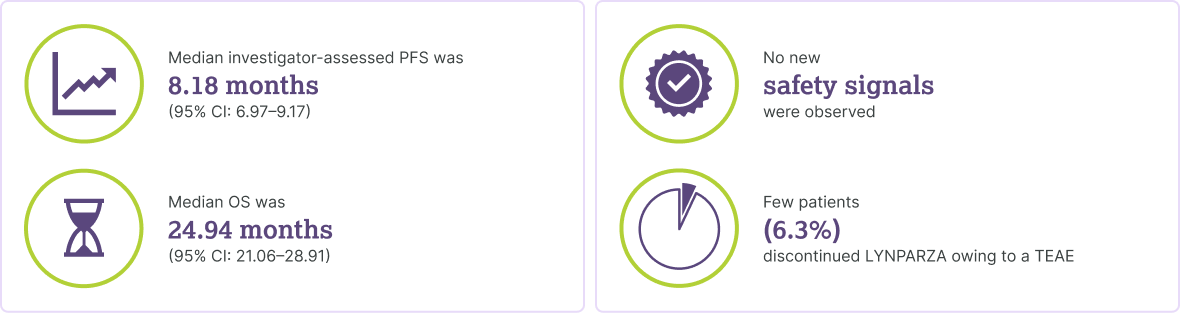
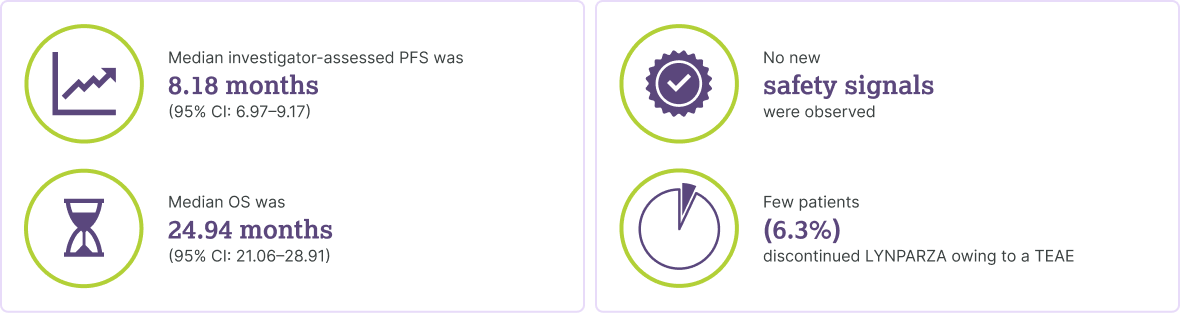
The real-world LUCY study generally supports LYNPARZA effectiveness and tolerability in routine practice, reporting 8 months mPFS8

LUCY was a Phase IIIb, open-label, single-arm, real-world study that followed 255 adults with gBRCAm, HER2-negative mBC receiving LYNPARZA 300 mg BID in routine practice.8


Outcomes were consistent with those seen in OlympiAD:8


Infographic displaying data from LUCY study Infographic displaying data from LUCY study


Consider LYNPARZA – an extensively studied PARPi as a treatment option for eligible patients with gBRCAm, HER2-negative aBC1,8

The importance of

BRCA testing

Find out more

OlympiA: clinical


trial in eBC

Find out more

Educational and


patient resources

Find out more

Sign up to our mailing list

Click here

Back to top

1L, first-line; aBC, advanced breast cancer; AE, adverse event; BICR, blinded independent central review; BID, twice daily; BRCA, breast cancer gene; CI, confidence interval; CR, complete response; DOR, duration of response; eBC, early breast cancer; EORTC QLQ-C30, European Organisation for Research and Treatment of Cancer Quality of Life Questionnaire Core 30; gBRCAm, germline BRCA mutation; GHS, global health status, HER2, human epidermal growth factor receptor 2; HR+, hormone receptor positive; HR, hazard ratio; HRQoL, health-related quality of life; IQR, interquartile range; mBC, metastatic breast cancer; mPFS, median progression-free survival; NCI CTCAE, National Cancer Institute’s Common Terminology Criteria for Adverse Events; ORR, objective response rate; OS, overall survival; PARPi, poly (ADP-ribose) polymerase inhibitor; PFS(2), progression-free survival (2); PR, partial response; QoL, quality of life; SmPC, Summary of Product Characteristics; TEAE, treatment-emergent adverse event; TNBC, triple-negative breast cancer; TTD, time to deterioration; TTR, time to response.


  1. Robson M, et al. N Engl J Med. 2017;377(6):523–533.
  2. Robson M, et al. Ann Oncol. 2019;30(4):558–566.
  3. LYNPARZA (olaparib). Summary of Product Characteristics.
  4. NICE TA1040. Available at: https://www.nice.org.uk/guidance/ta1040. Accessed March 2026.  
  5. SMC 2737. Available at: https://scottishmedicines.org.uk/medicines-advice/olaparib-lynparza-abb-smc2737/. Accessed March 2026.
  6. Robson M, et al. N Engl J Med. 2017;377(6):523–533 (supplementary appendix).
  7. Robson M, et al. Eur J Cancer. 2019;120:20–30.
  8. Balmaña J, et al. Breast Cancer Res Treat. 2024;204:237–248.

GB-71739 | March 2026

Adverse events should be reported. Reporting forms and information can be found at www.mhra.gov.uk/yellowcard or search for MHRA Yellow Card in the Google Play or Apple App Store. Adverse events should also be reported to AstraZeneca by visiting https://contactazmedical.astrazeneca.com/ or by calling ‌‌‌0‌‌‌8‌‌‌‌‌0‌‌‌‌0‌‌‌ ‌‌7‌‌‌‌‌‌8‌‌‌3‌‌‌ ‌‌0‌‌‌‌‌0‌‌‌‌3‌‌‌‌3‌‌‌.

Connessiallasalute.it

This website was created for UK HCPs and has been designed to provide information to educate, empower and enable them in the great work they are doing for patients across a range of therapy areas. This website is intended for doctors, nurses, and pharmacists in the UK. Other UK residents please visit astrazeneca.co.uk.

Terms of use

Privacy Policy

Cookie Policy

Contact Us

LinkedIn

Twitter

©2026 AstraZeneca. GB-71732 | March 2026