Welcome to this UK AstraZeneca produced and funded website

This website is intended for UK Healthcare Professionals only.


The website contains both promotional and non-promotional content.


If you are a patient or a carer of a patient prescribed an AstraZeneca product, please visit myazmed.co.uk


For any other UK residents please visit astrazeneca.co.uk

I am not a Healthcare Professional
Prescribing Information LYNPARZA (olaparib) United Kingdom
Adverse Event Reporting

This is a promotional website developed by AstraZeneca and intended for UK Healthcare Professionals only. Other UK residents please visit astrazeneca.co.uk

AstraZeneca-logo
  • Our Medicines
    • Cardiovascular, Renal & Metabolism
      • ATTR Amyloidosis
        • WAINZUA®▼(eplontersen)
      • Chronic Kidney Disease (CKD)
        • FORXIGA® (dapagliflozin)
      • Heart Failure
        • FORXIGA® (dapagliflozin)
      • Hyperkalaemia
        • LOKELMA® (sodium zirconium cyclosilicate)
      • Type 2 Diabetes (T2D)
        • FORXIGA® (dapagliflozin)
    • Oncology
      • Breast Cancer
        • LYNPARZA® (olaparib)
        • TRUQAP®▼(capivasertib)
      • Bladder Cancer
        • IMFINZI® (durvalumab)
      • Endometrial Cancer
        • IMFINZI® (durvalumab)
        • LYNPARZA® (olaparib)
      • Gastrointestinal Cancer
        • IMFINZI® (durvalumab)
        • IMJUDO®▼(tremelimumab)
      • Lung Cancer
        • IMFINZI® (durvalumab)
        • TAGRISSO® (osimertinib)
      • Ovarian Cancer
        • LYNPARZA® (olaparib)
      • Prostate Cancer
        • LYNPARZA® (olaparib)
        • ZOLADEX® (goserelin)
    • Respiratory
      • Asthma
        • TEZSPIRE®▼ (tezepelumab)
        • SYMBICORT® (budesonide/formoterol)
      • Chronic Obstructive Pulmonary Disease(COPD)
        • TRIXEO AEROSPHERE® (formoterol fumarate dihydrate/glycopyrronium/budesonide)
        • BEVESPI® (glycopyrronium/formoterol fumarate dihydrate)
    • Vaccines
      • Flu
        • FLUENZ® nasal spray suspension (influenza vaccine, live attenuated, nasal)
  • Therapy Areas
    • Cardiovascular, Renal & Metabolism
      • ATTR Amyloidosis
      • Chronic Kidney Disease (CKD)
      • Heart Failure
      • Hyperkalaemia
      • Type 2 Diabetes (T2D)
    • Oncology
      • Breast Cancer
      • Bladder Cancer
      • Endometrial Cancer
      • Gastrointestinal Cancer
      • Lung Cancer
      • Ovarian Cancer
      • Prostate Cancer
    • Respiratory
      • Asthma
      • Chronic Obstructive Pulmonary Disease(COPD)
    • Vaccines
      • Flu
  • About us
    • AZ Commitment
  • Contact us
  • AstraZeneca UK
  • Lynparza
  • Home
  • Lynparza (Olaparib): BRCA testing
  • Home
  • BRCA testing
  • OlympiA: eBC
  • OlympiAD: mBC
  • Resources
Lynparza (Olaparib): BRCA testing

The importance of BRCA testing in HER2-negative breast cancer

Testing for BRCA mutations may offer a treatment opportunity to target a driver of breast cancer1,2

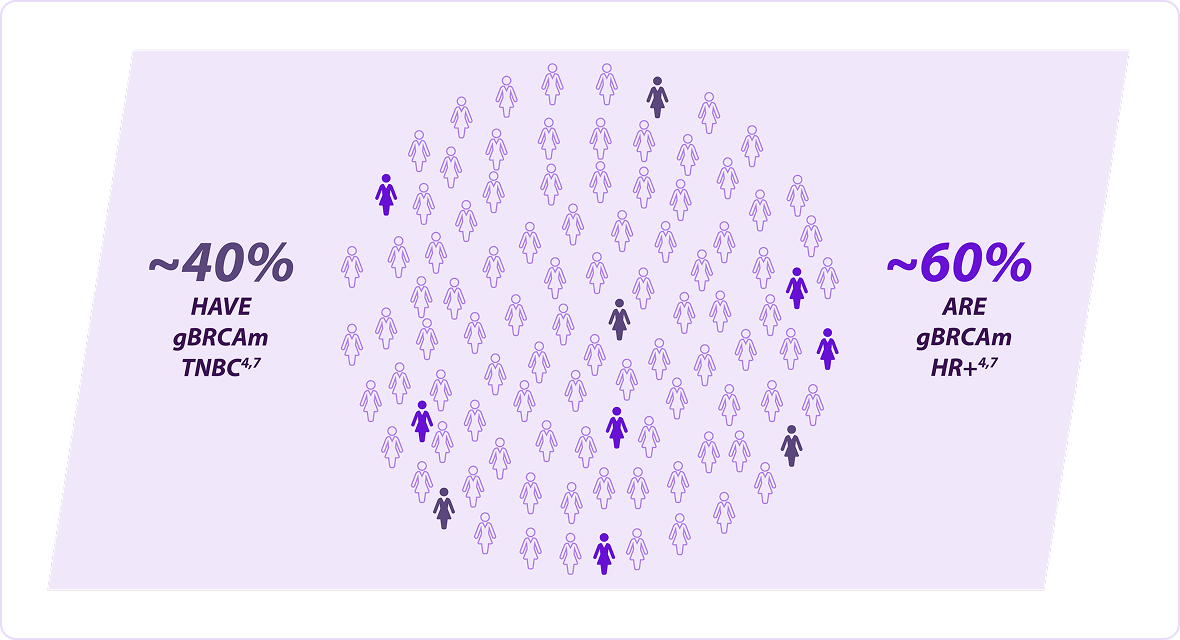
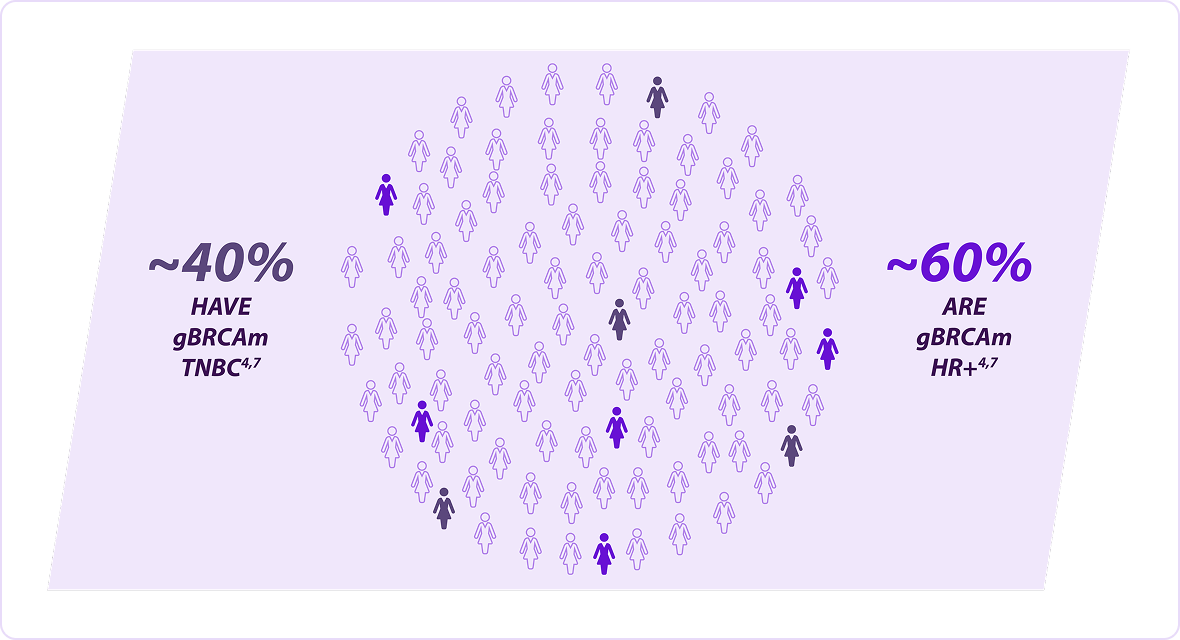
The HR+/HER2-negative subtype is ~6x more common than TNBC and is likely to account for the majority of patients with gBRCAm breast cancer3–7

~1 in 10 patients with HER2-negative breast cancer has a gBRCA mutation.2–4,7–9

Of the patients with a gBRCA mutation:

her2-negative her2-negative

ESMO guidelines recommend BRCA testing for both TNBC and HR+/HER2-negative breast cancers.10


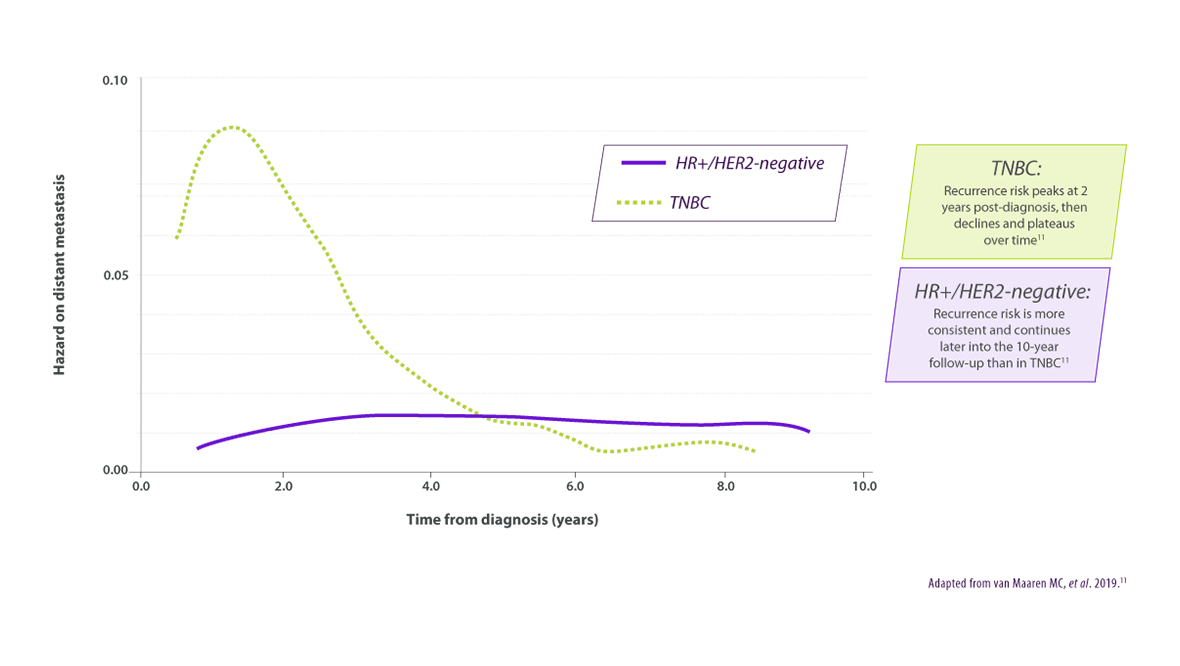
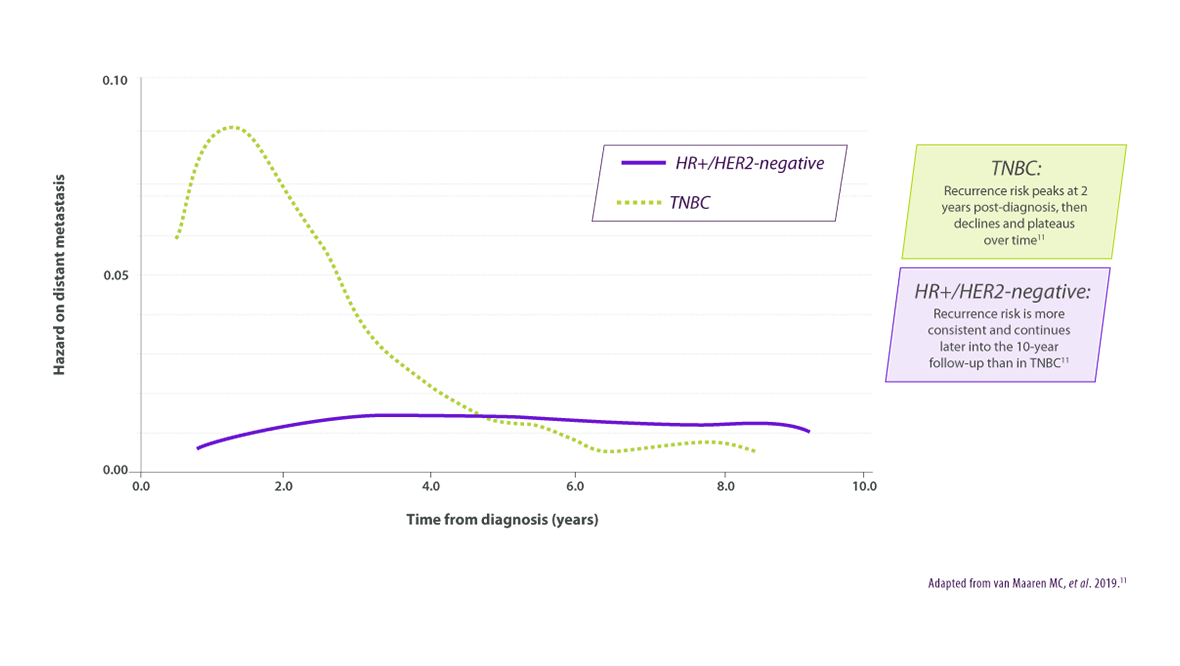
A large 2019 population-based study conducted in the Netherlands assessed the 10-year recurrence rates of multiple breast cancer subtypes:11

  • Of 8,062 patients involved in the study, 4,482 (56%) were HR+/HER2-negative and 986 (12%) had TNBC11


Fear of recurrence is the most prevalent and disruptive source of distress for long-term breast cancer survivors.12

her2-negative her2-negative

BRCA testing at diagnosis is critical to inform targeted treatment and surgical approach

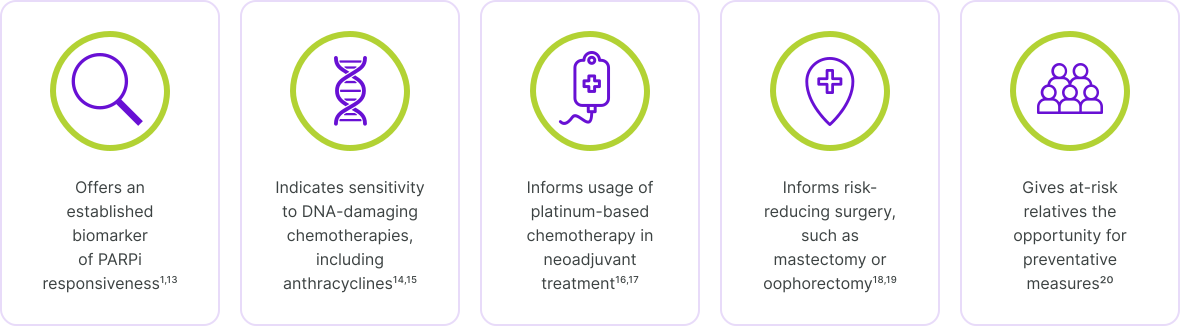
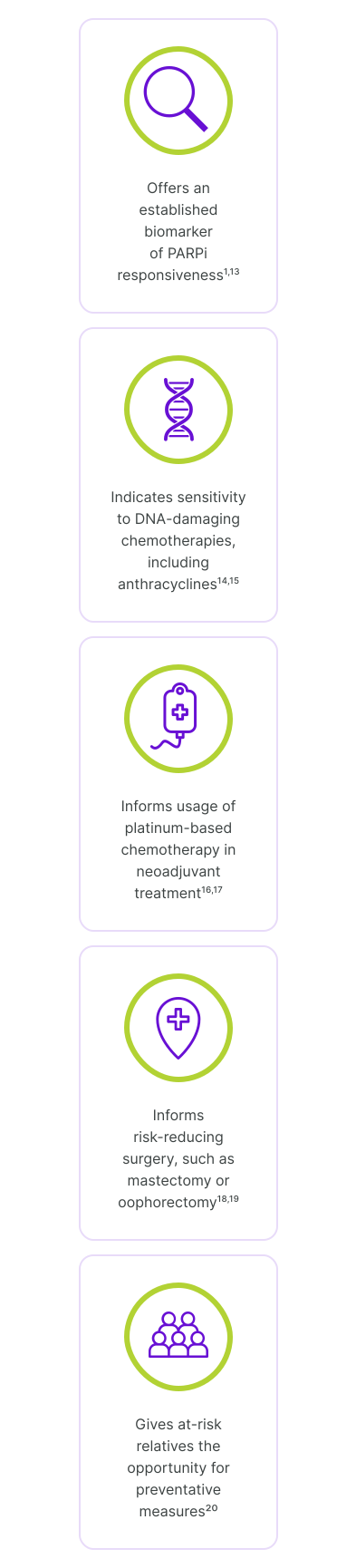
Knowing your patients’ BRCA status early:


Early BRCA testing in HER2-negative breast cancer can identify patients with BRCA1/2 mutations who may be eligible for a targeted therapy, with the aim to improve patient outcomes.1,21,22

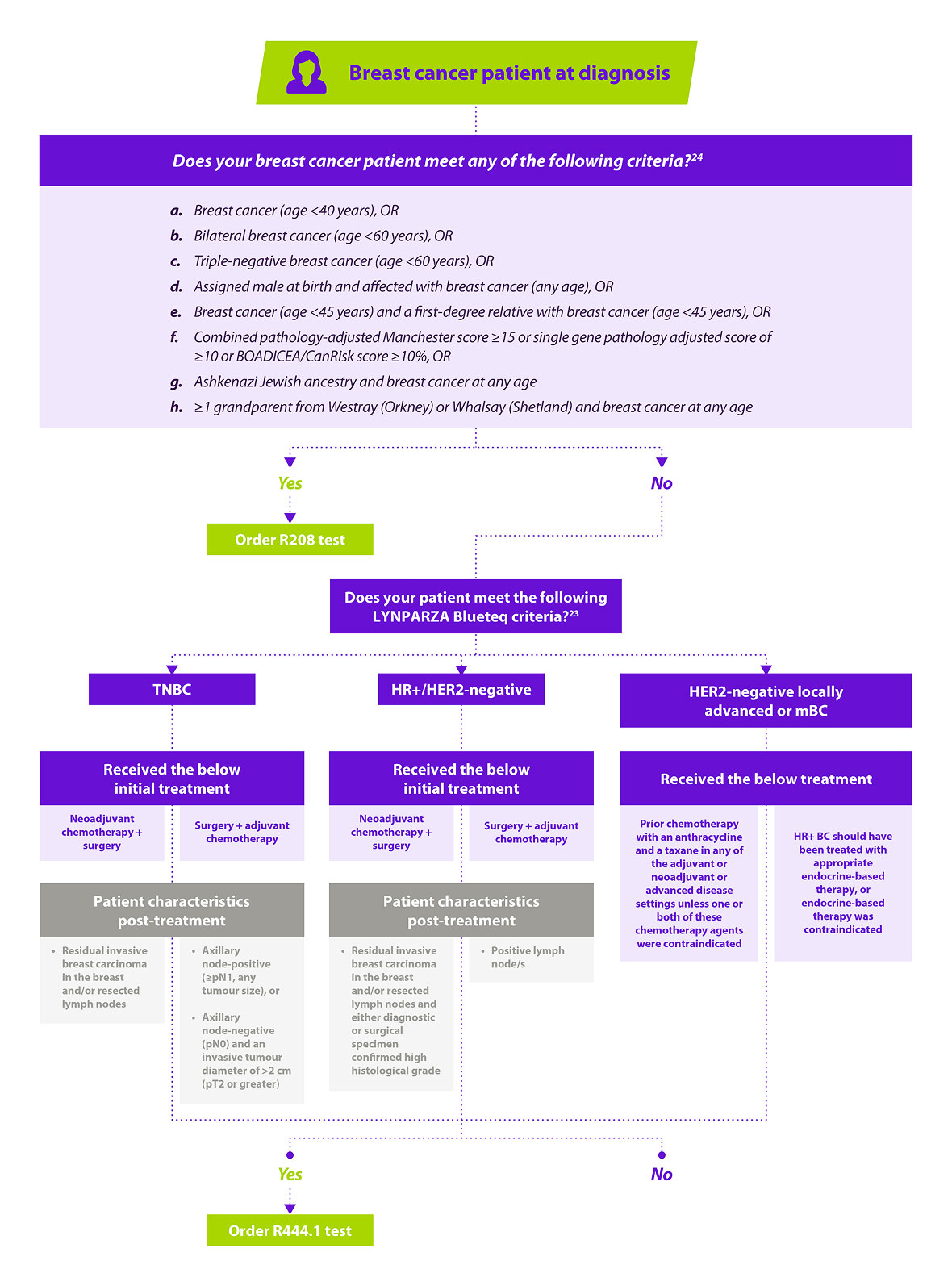
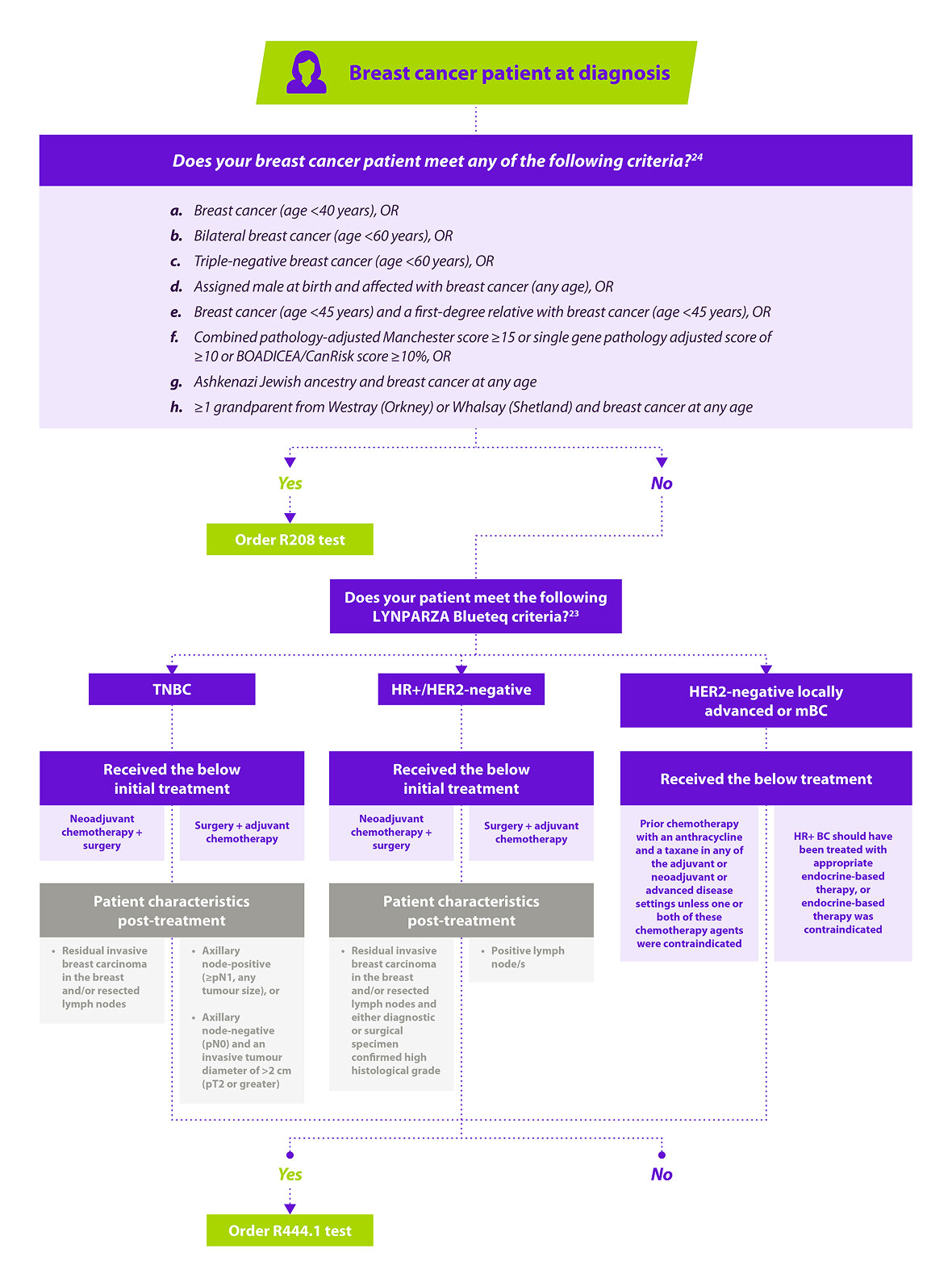
BRCA testing is NHS-funded for your eligible patients with breast cancer23

Click here to view the Blueteq eligibility criteria

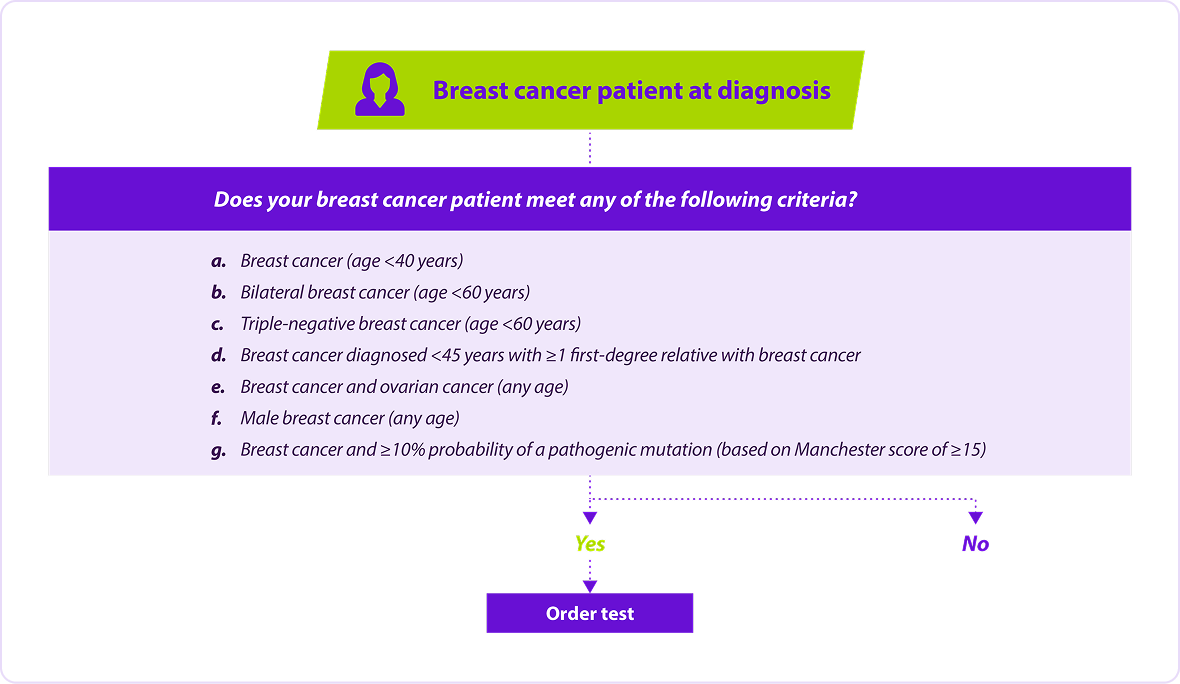
Eligible patients with breast cancer should be tested at diagnosis for gBRCAm using the R208 test code or following (neo)adjuvant chemotherapy using the R444.1 test code to assess eligibility for LYNPARZA.24


For patients with locally advanced or mBC, prior treatment with an anthracycline and/or a taxane in the (neo)adjuvant, locally advanced or metastatic setting is required to be eligible for the R444.1 test code, unless these treatments were deemed unsuitable.24


Please see the cited guidance documents for full recommendations.


her2-negative her2-negative

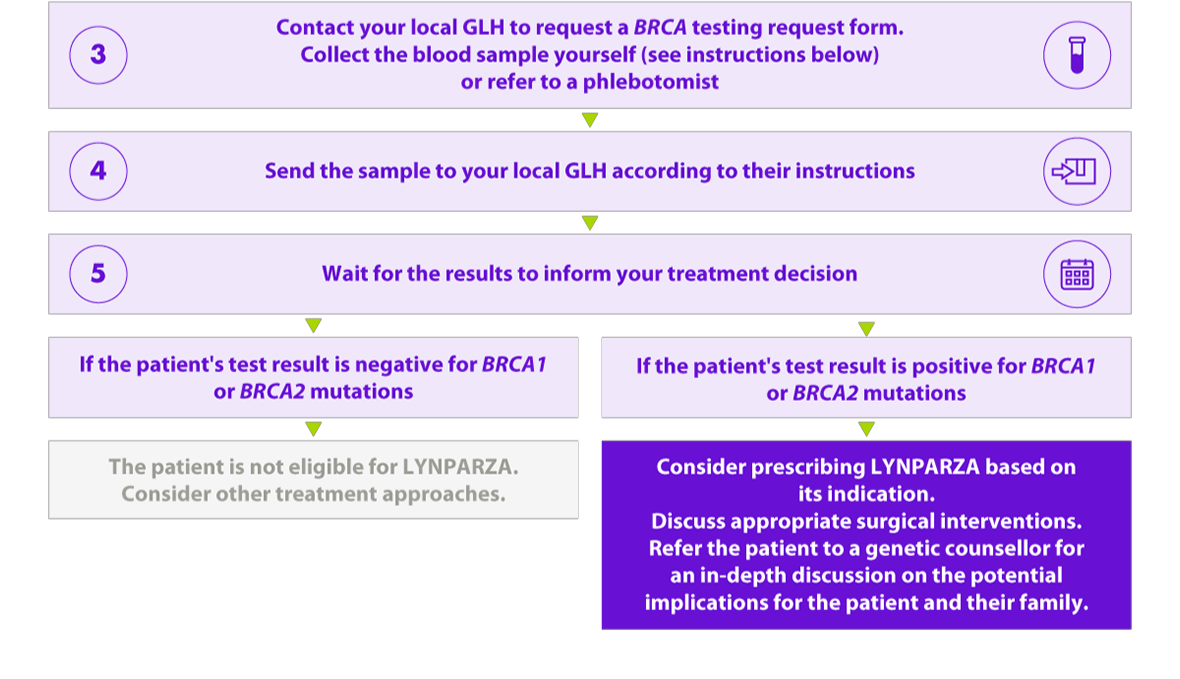
If a gBRCAm is identified, consider prescribing LYNPARZA for your eligible patients.

Identify patients with early BC who are eligible for BRCA testing. You can find the eligibility criteria here Identify patients with early BC who are eligible for BRCA testing. You can find the eligibility criteria here
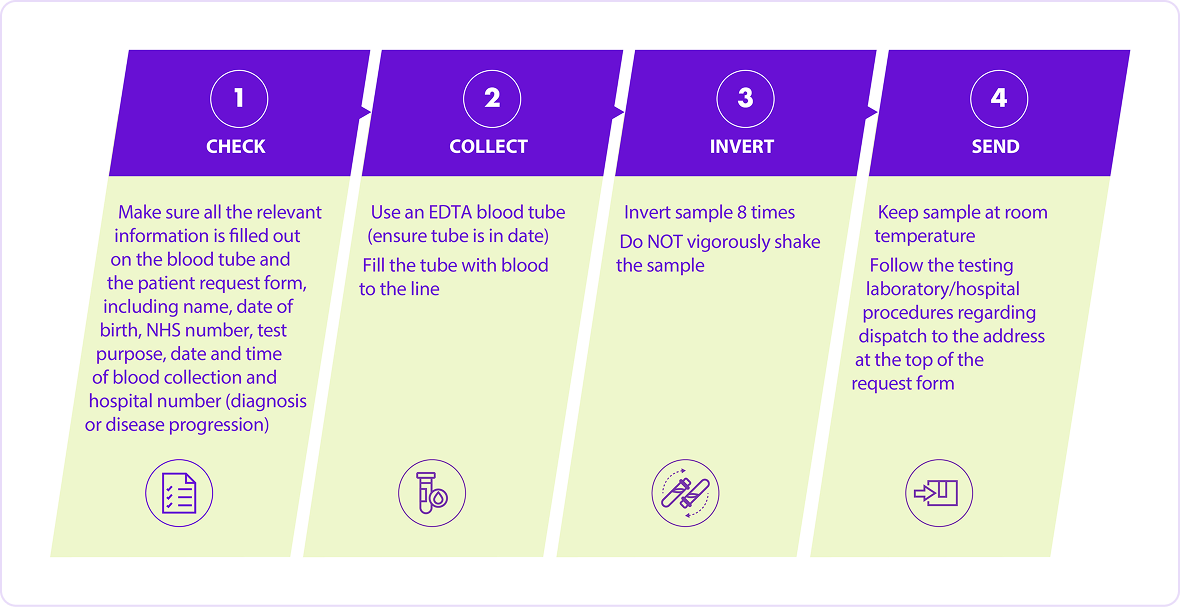
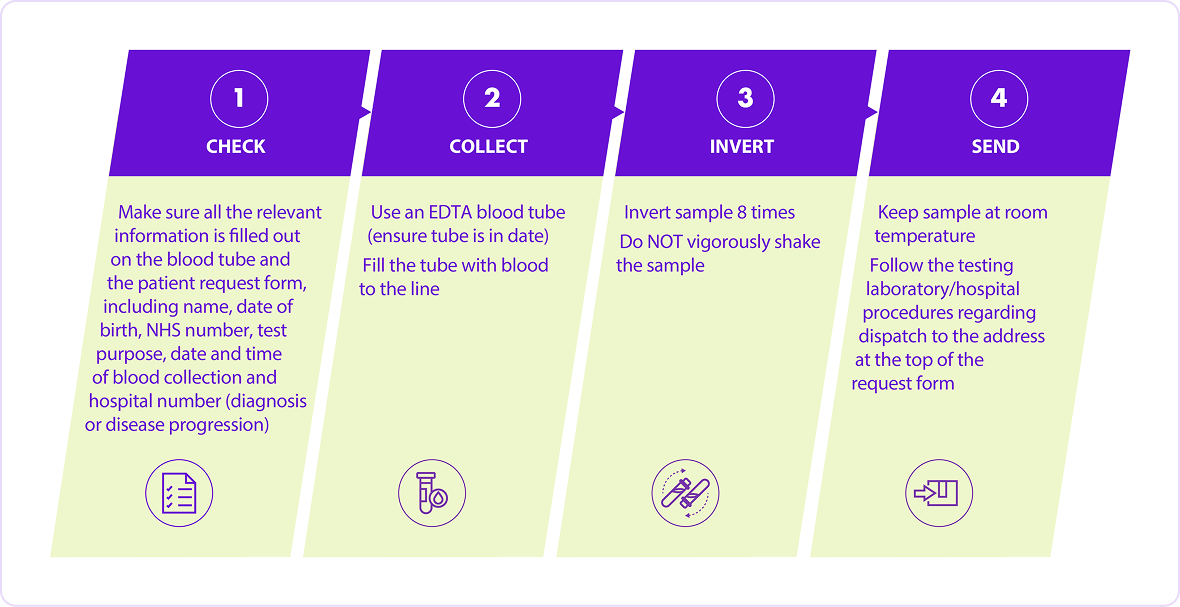
Explain the testing process to the patient and obtain patient's consent. Document the consent as a "record of discussion" in the patient's notes. You can find your local GLH here Explain the testing process to the patient and obtain patient's consent. Document the consent as a "record of discussion" in the patient's notes. You can find your local GLH here
Identify patients with early BC who are eligible for BRCA testing. You can find the eligibility criteria here Identify patients with early BC who are eligible for BRCA testing. You can find the eligibility criteria here


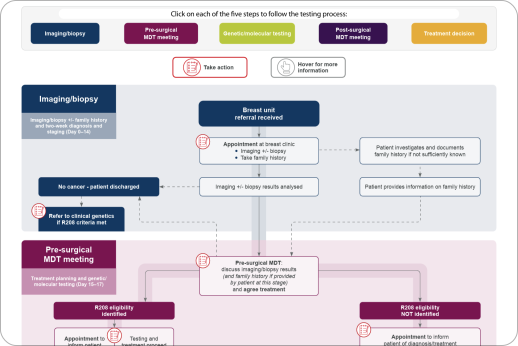
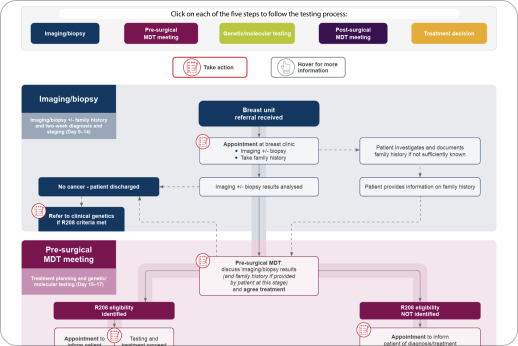
Access our interactive pathway to deepen your understanding of the process of gBRCAm genomic testing in patients with HER2-negative breast cancer.


Click here

OlympiA: clinical

trial in eBC

Find out more

OlympiAD: clinical

trial in mBC

Find out more

Educational and


patient resources

Find out more

Sign up to our mailing list

Click here

Back to top

BC, breast cancer; BRCA, breast cancer gene; DNA, deoxyribonucleic acid; eBC, early breast cancer; EDTA, ethylenediaminetetraacetic acid; gBRCAm, germline BRCA mutated; GLH, Genomic Laboratory Hub; HER2, human epidermal growth factor 2; HR+, hormone receptor positive; mBC, metastatic breast cancer; NHS, National Health Service; PARPi, poly (ADP-ribose) polymerase inhibitor; pN(0/1), pathologic node (0/1); TNBC, triple-negative breast cancer.

  1. Waks AG and Winer EP. JAMA. 2019;321(3):288–300.  
  2. Winter C, et al. Ann Oncol. 2016;27(8):1532–1538. 
  3. Kurian AW, et al. J Clin Oncol. 2019;37(15):1305–1315.  
  4. Kurian AW, et al. J Clin Oncol. 2019;37(15):1305–1315. Supplementary appendix.  
  5. Cancer stat facts: Female breast cancer subtypes. National Cancer Institute. Available at: https://seer.cancer.gov/statfacts/html/breast-subtypes.html. Accessed March 2026.  
  6. American Cancer Society. Breast cancer facts & figures 2019–2020. Available at: https://www.cancer.org/content/dam/cancer-org/research/cancer-facts-and-statistics/breast-cancer-facts-and-figures/breast-cancer-facts-and-figures-2019-2020.pdf. Accessed March 2026.  
  7. O’Shaughnessy J, et al. Breast Can Res. 2020;22(1):114. 
  8. Copson ER, et al. Lancet Oncol. 2018;19(2):169–180. 
  9. Kim H, et al. Medicina (Kaunas). 2020;56(10):514. 
  10. ESMO. Early Breast Cancer Guideline. Available at: https://interactiveguidelines.esmo.org/esmo-web-app/gl_toc/index.php?GL_id=114. Accessed March 2026. 
  11. van Maaren MC, et al. Int J Cancer. 2019;144(2):263–272. 
  12. Cohee AA, et al. Psychooncology. 2017;26(1):22–28. 
  13. BRCA Gene Mutations: Cancer risk and genetic testing. National Cancer Institute. 
Available at: https://www.cancer.gov/about-cancer/causes-prevention/genetics/brca-fact-sheet. Accessed March 2026.
  14. Chalasani P and Livingston R. Oncologist. 2013;18(8):909–916. 
  15. Kennedy RD, et al. J Natl Cancer Inst. 2004;96(22):1659–1668. 
  16. Sæther NH, et al. Hered Cancer Clin Pract. 2018;16(1):9. 
  17. Caramelo O, et al. Hered Cancer Clin Pract. 2019;17(1):11.  
  18. Consensus guideline on genetic testing for hereditary breast cancer. The American Society of Breast Surgeons. 
Available at: https://www.breastsurgeons.org/docs/statements/Consensus-Guideline-on-Genetic-Testing-for-Hereditary-Breast-Cancer.pdf. Accessed March 2026. 
  19. Balmaña J, et al. Ann Oncol. 2011;22(suppl 6):vi31–vi34. 
  20. Arun B, et al. Br J Cancer. 2024;131(9):1400–1414.
  21. Becourt S, et al. J Clin Oncol. 2018;36(1):e13522.  
  22. Baretta Z, et al. Medicine. 2016;95(1):e4975. 
  23. NHS. National Cancer Drugs Fund list. Available at: https://www.england.nhs.uk/publication/national-cancer-drugs-fund-list/. Accessed March 2026.
  24. NHS England. National Genomic Test Directory. Available at: https://www.england.nhs.uk/publication/national-genomic-test-directories. Accessed March 2026. 
  25. NHS Scotland. Scottish Genomic Test Directories. Available at: https://www.genomics.nhs.scot/test-directories/. Accessed March 2026. 

GB-71735 | March 2026

Adverse events should be reported. Reporting forms and information can be found at www.mhra.gov.uk/yellowcard or search for MHRA Yellow Card in the Google Play or Apple App Store. Adverse events should also be reported to AstraZeneca by visiting https://contactazmedical.astrazeneca.com/ or by calling ‌‌‌0‌‌‌8‌‌‌‌‌0‌‌‌‌0‌‌‌ ‌‌7‌‌‌‌‌‌8‌‌‌3‌‌‌ ‌‌0‌‌‌‌‌0‌‌‌‌3‌‌‌‌3‌‌‌.

Connessiallasalute.it

This website was created for UK HCPs and has been designed to provide information to educate, empower and enable them in the great work they are doing for patients across a range of therapy areas. This website is intended for doctors, nurses, and pharmacists in the UK. Other UK residents please visit astrazeneca.co.uk.

Terms of use

Privacy Policy

Cookie Policy

Contact Us

LinkedIn

Twitter

©2026 AstraZeneca. GB-71732 | March 2026