This website is intended for UK Healthcare Professionals only. Other UK residents please visit astrazeneca.co.uk

Home-page-hero-image.png


LYNPARZA in combination

Challenge mCRPC with LYNPARZA + abiraterone + prednisone or prednisolone

LYNPARZA in combination with abiraterone and prednisone or prednisolone is recommended by NICE and accepted by the SMC for the treatment of adult patients with mCRPC in whom chemotherapy is not clinically indicated.​1,2

LYNPARZA + abiraterone + prednisone/prednisolone is the first PARPi-based combination therapy for 1L mCRPC patients not previously treated with an NHA, irrespective of HRRm status.3

LYNPARZA tablets are indicated in combination with abiraterone and prednisone or prednisolone for the treatment of adult patients with mCRPC in whom chemotherapy is not clinically indicated.3

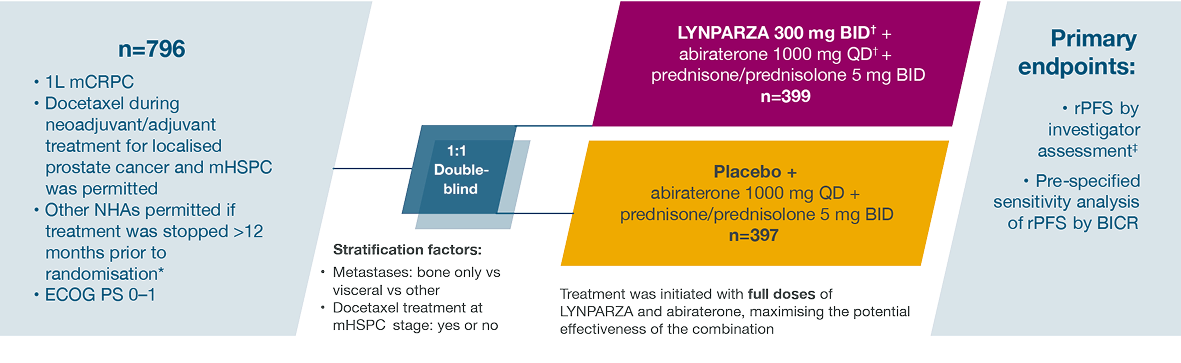
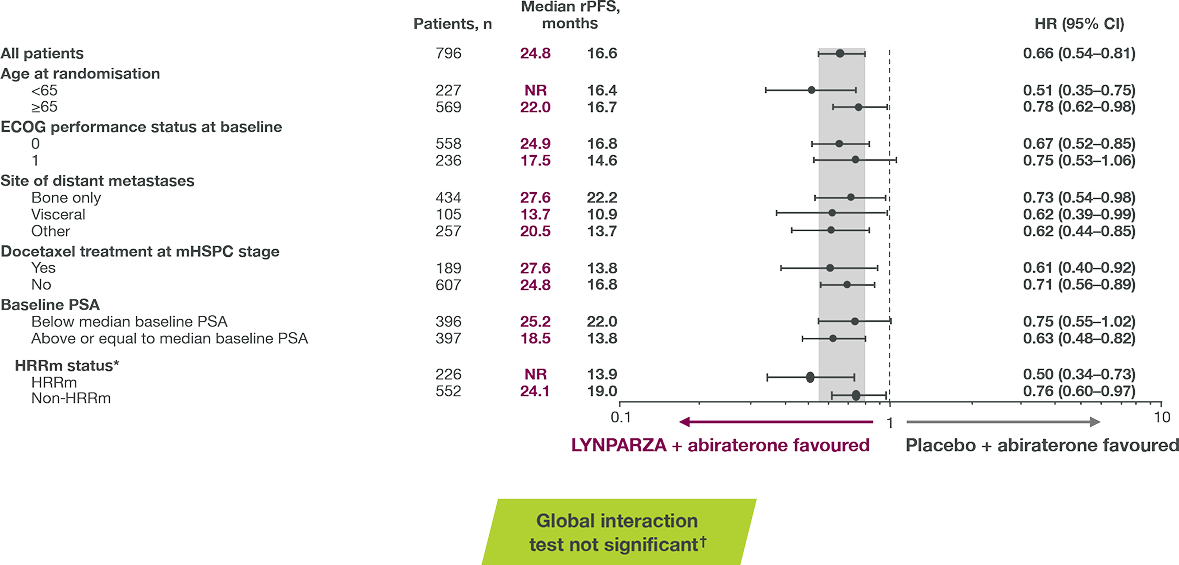
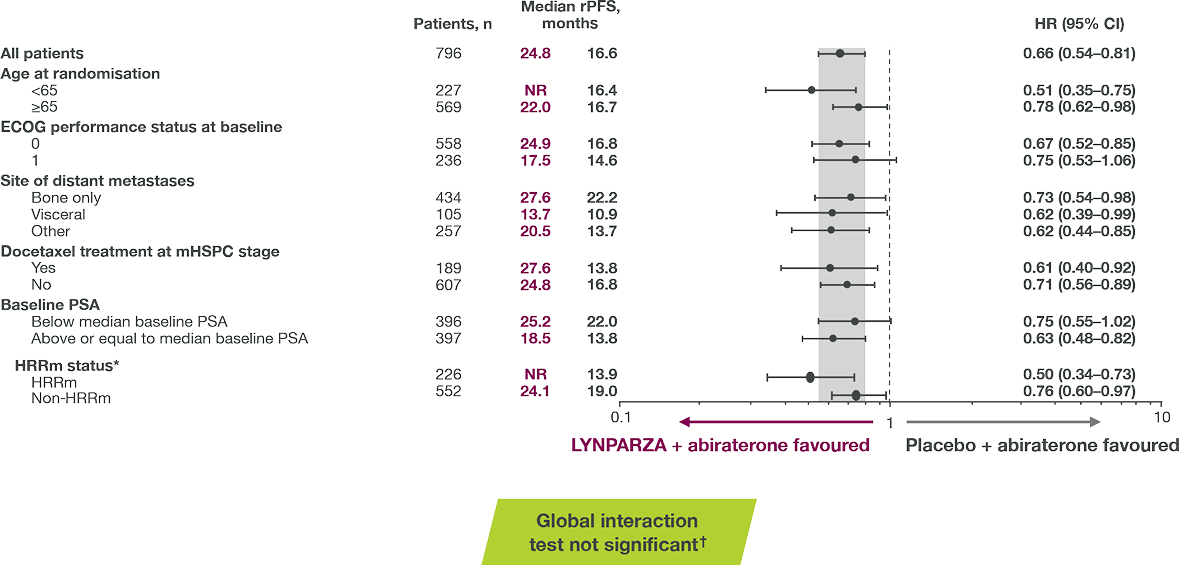
PROpel was a Phase III, randomised, double-blind trial that evaluated LYNPARZA combination therapy in 1L mCRPC with any HRRm status4,5

Basic outline of the PROpel study design Basic outline of the PROpel study design

Adapted from Clarke NW et al. 2022.5


*Except abiraterone; Both therapies were used at full dose, equivalent to monotherapy regimens. Patients in both treatment arms also received prednisone/prednisolone 5 mg BID; rPFS assessed by investigator per RECIST 1.1 (soft tissue) and PCWG-3 (bone) criteria.


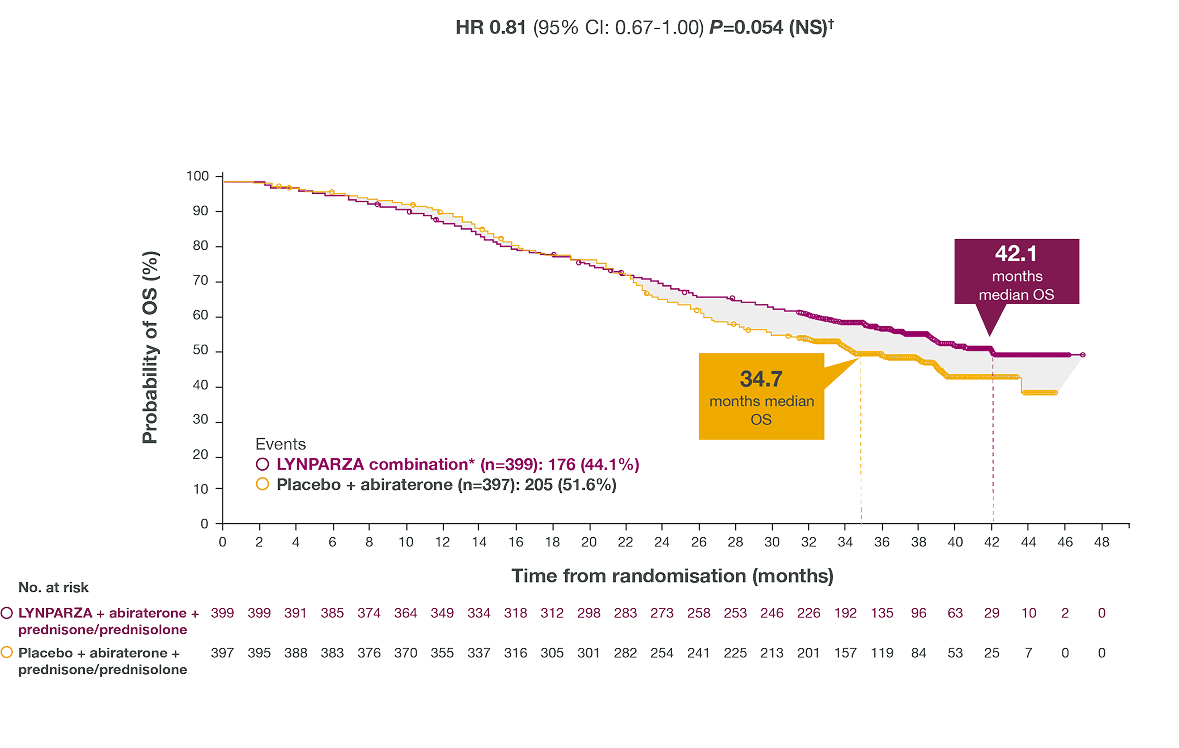
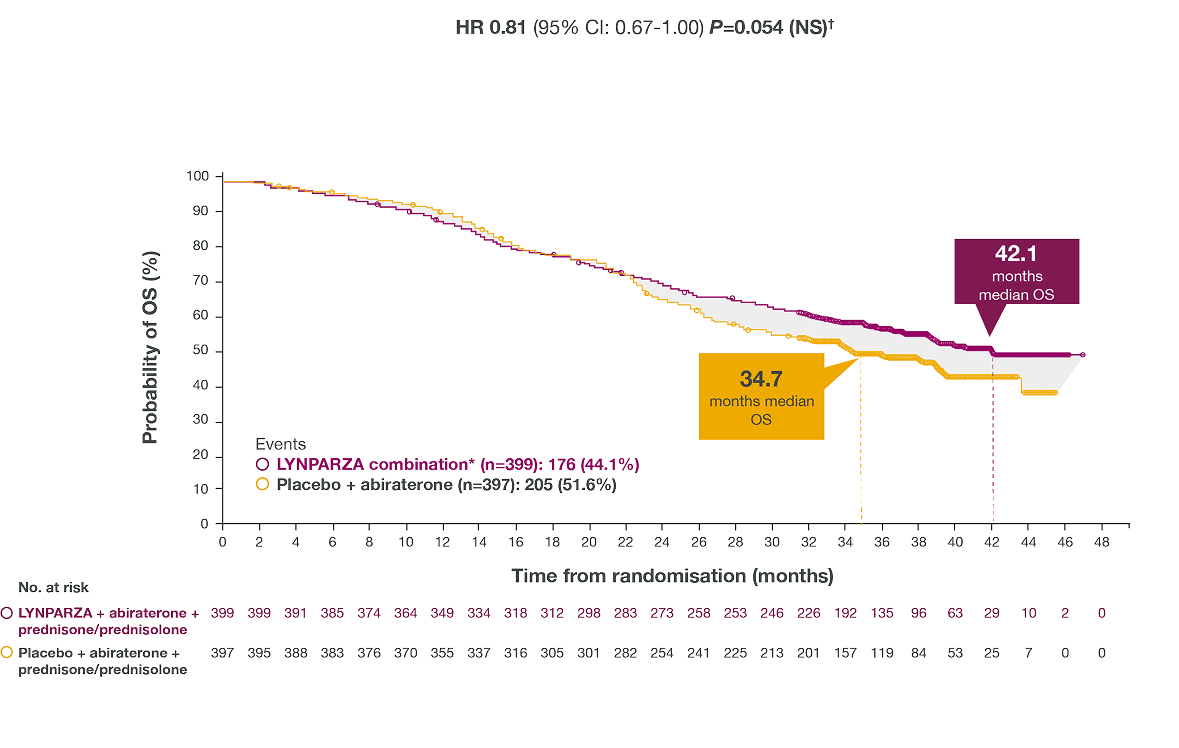
Key secondary endpoint:

  • OS

Additional endpoints:

  • TFST
  • PFS2
  • ORR
  • Time to an SSRE
  • CTC conversion
  • Time to opiate use
  • HRRm status (pre-defined, post- randomisation testing)
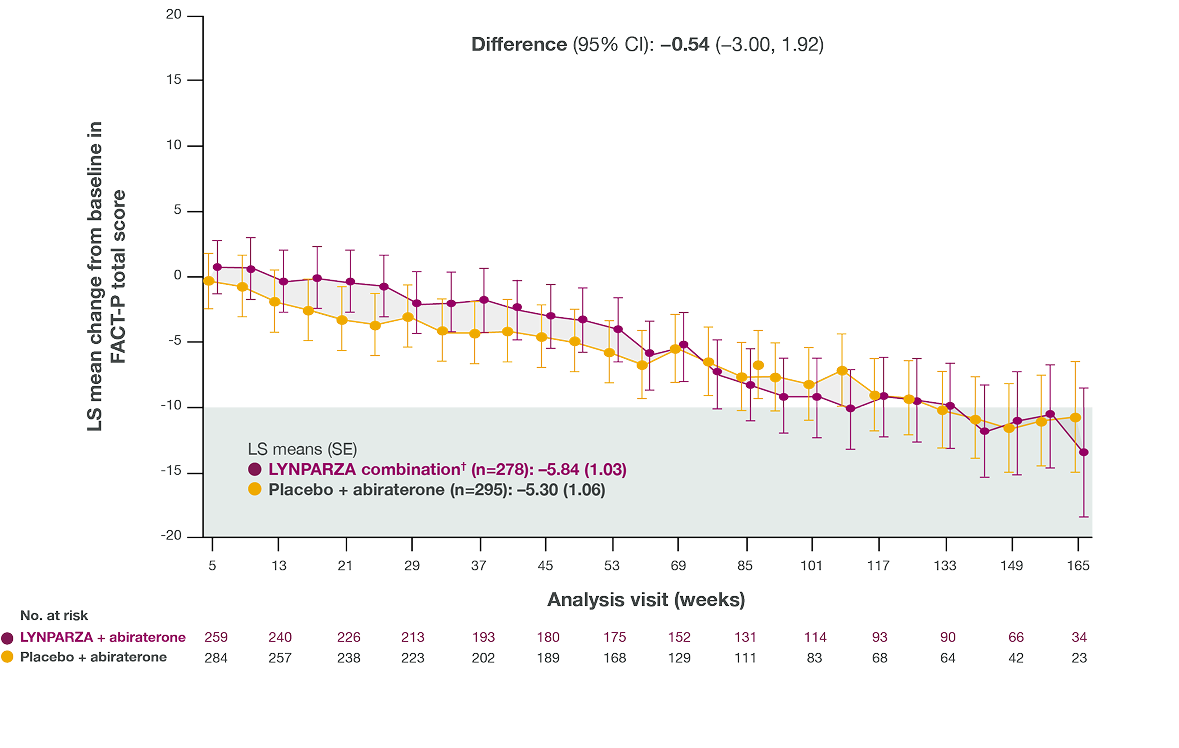
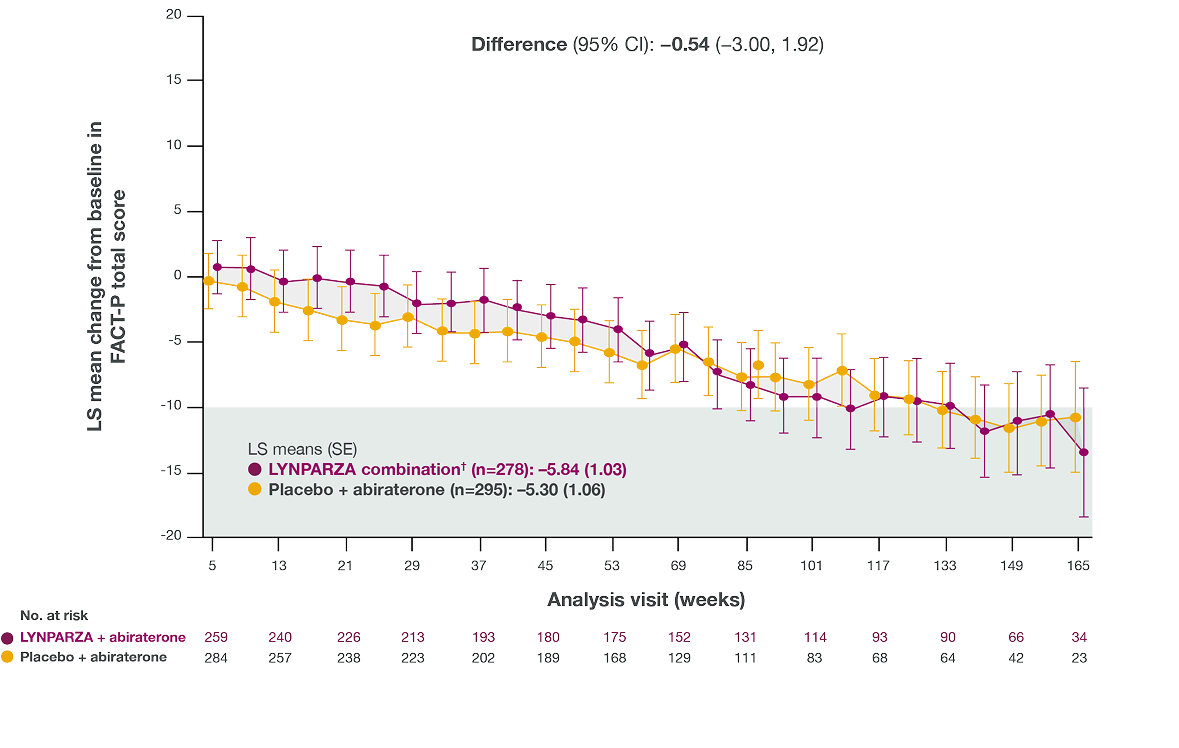
  • HRQoL (FACT-P)
  • Safety and tolerability

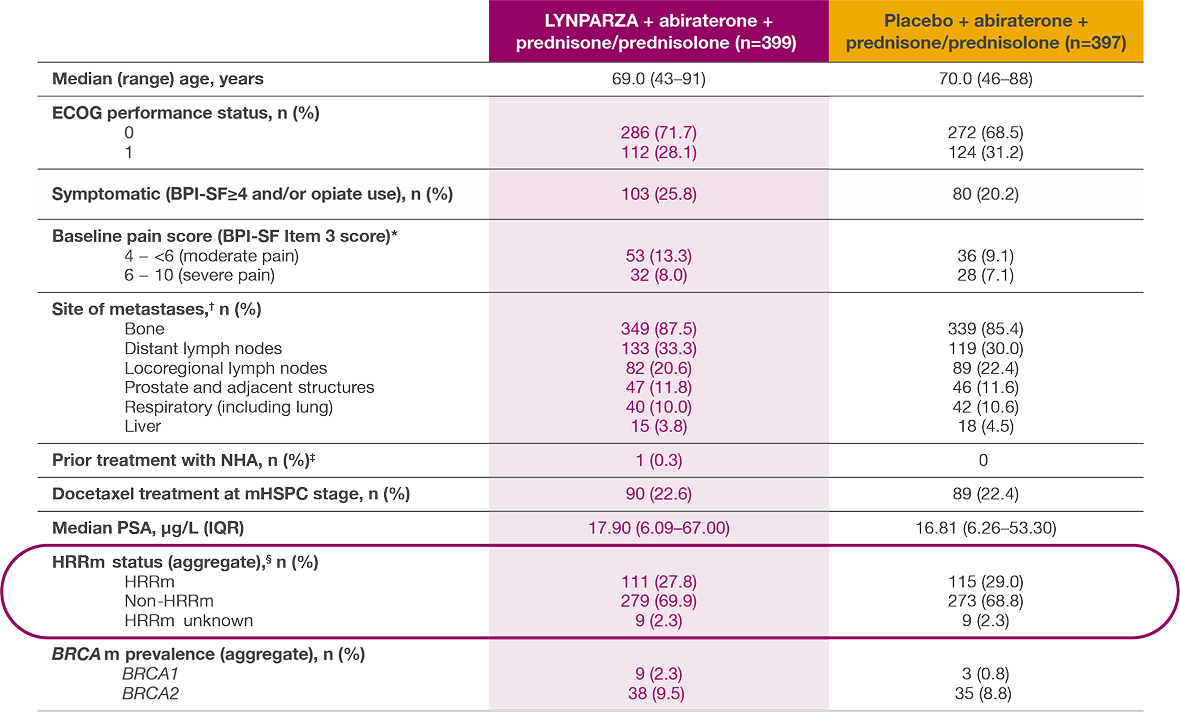
Basic outline of the PROpel study design Basic outline of the PROpel study design

Adapted from Clarke NW et al. 2022.3


*Baseline pain score is based on a patient completing the BPI-SF questionnaire item 3 (worst pain) at least once during the 7-day baseline period and is presented as an average.

Investigators could select more than one site of disease. Entries for ‘Other locally advanced sites’, ‘Other distant sites’ and ‘Other’ have been excluded. 

Prior to mCRPC, treatment with next-generation hormonal agents (except abiraterone) was allowed, provided patients had not had PSA, clinical or imaging-based progression during the treatment and the treatment was stopped at least 12 months before randomisation.

§HRRm: Any deleterious or suspected deleterious HRR gene mutation detected; non-HRRm: no deleterious or suspected deleterious HRR gene mutation detected; HRRm unknown: patients for whom mutation testing was not performed or where mutation testing failed due to insufficient quantity or quality of the sample, or technical failure at sequencing or post-sequencing steps on analysis. Use of aggregate test data was considered the favoured method for assignment of PROpel patients to HRRm subgroups to maximise the proportion of patients with assigned HRRm status and minimise potential false-negative results.


In PROpel, molecular testing to determine HRRm status was not done prospectively5

  • HRRm status determination for all study eligible patients is complicated by sample and testing challenges
  • Requiring determination of HRRm status pre-enrolment risks biasing patient enrolment to those with sufficient tumour, and/or detectable ctDNA

  • It was anticipated that due to the size of the study, the population baseline factors would be balanced
  • Therefore, retrospective patient assignment to biomarker subgroups was expected to give balanced representation of HRR subgroups in the study arms

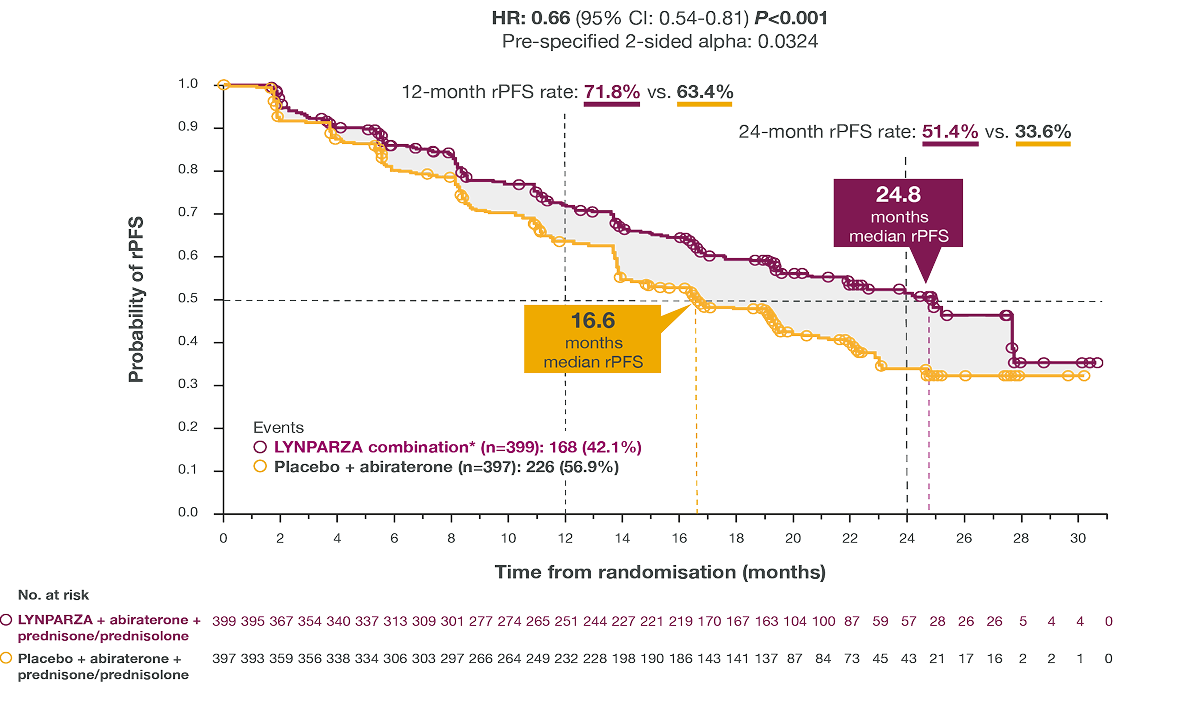
Discover the efficacy outcomes for LYNPARZA combination therapy

8 out of 10 patients remain on LYNPARZA combination therapy without discontinuing due to AEs*9

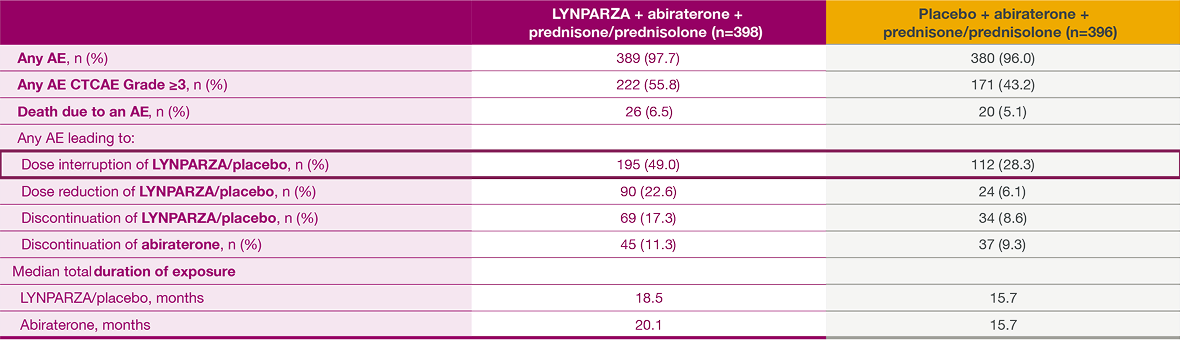
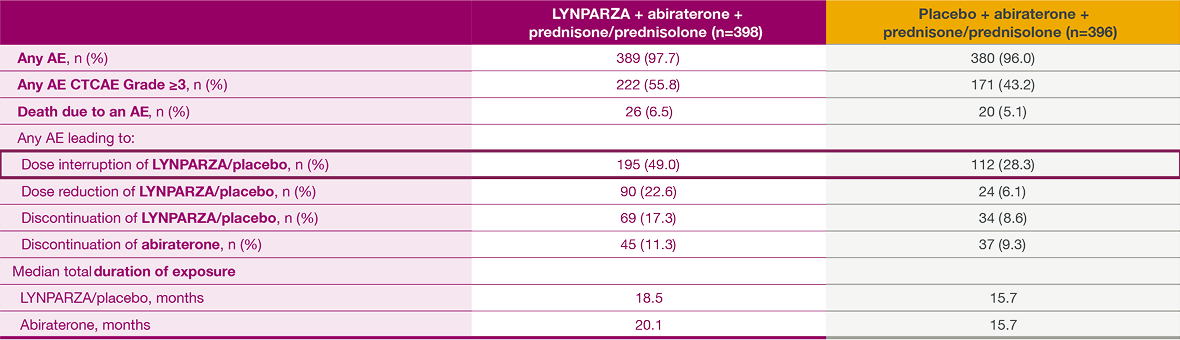
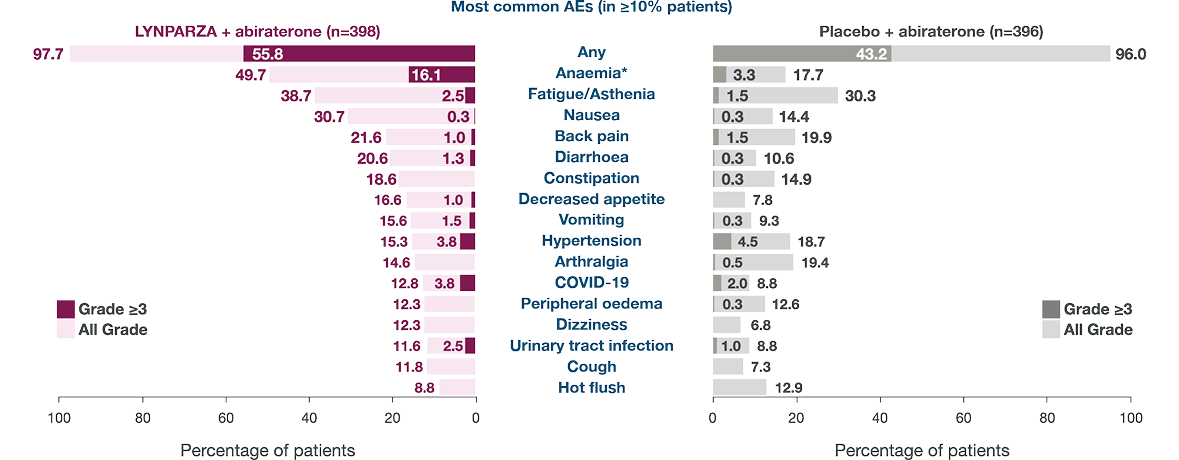
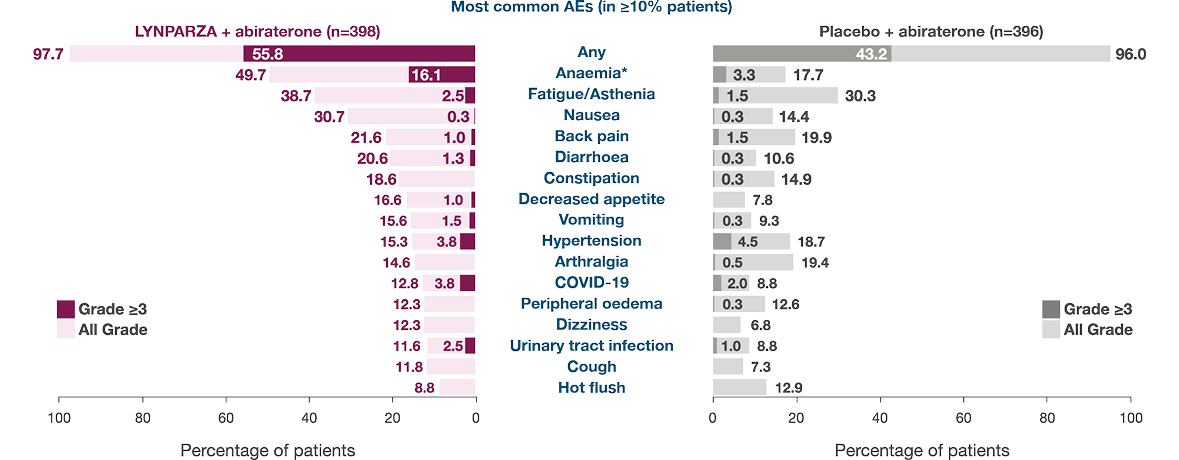
Table containing PROpel adverse events in LYNPARZA treatment group and placebo group Table containing PROpel adverse events in LYNPARZA treatment group and placebo group

Data cut-off 3: 12 October 2022.


Two pie charts - left: No dose reduction pie chart with 77% in the middle. right: No discontinuations pie chart with 83% in the middle Two pie charts - left: No dose reduction pie chart with 77% in the middle. right: No discontinuations pie chart with 83% in the middle


Data cut-off 3: 12 October 2022.

4 out of 5 patients remain on LYNPARZA combination therapy without discontinuation due to AEs, however 49% of patients did require a dose interruption.9

The AE profile in PROpel was consistent with the known toxicity profiles for the individual drugs (olaparib and abiraterone)3,9


The most frequently observed adverse reactions across clinical trials in patients receiving LYNPARZA monotherapy (≥10%) were nausea, fatigue/asthenia, anaemia, vomiting, diarrhoea, decreased appetite, headache, neutropenia, dysgeusia, cough, leukopenia, dizziness, dyspnoea and dyspepsia.3,9


Two pie charts - left: No dose reduction pie chart with 77% in the middle. right: No discontinuations pie chart with 83% in the middle Two pie charts - left: No dose reduction pie chart with 77% in the middle. right: No discontinuations pie chart with 83% in the middle


Adapted from Clarke NW et al. 2023.9


DCO3: 12 October 2022.


Safety was assessed through the reporting of AEs according to the NCI CTCAE v4.03 and laboratory assessments. Patients in both treatment arms also received prednisone/prednisolone 5 mg BID.

*Anaemia category includes anaemia, decreased haemoglobin level, decreased red cell count, decreased haematocrit level, erythropenia, macrocytic anaemia, normochromic anaemia, normochromic normocytic anaemia, and normocytic anaemia.


Special warnings and precautions for use3

MDS/AML

Two cases of MDS/AML were observed with LYNPARZA combination therapy vs the placebo and abiraterone arm in PROpel9


VTEs

In PROpel, VTE events occurred in 8.5% vs 4% (at DCO3) in the LYNPARZA combination therapy and placebo and abraterone arm, respectively.9 This is consistent with other observations in other PARPi studies in mCRPC.3,9,11 The majority of PE events were asymptomatic and incidental on imaging3,9


Pneumonitis

Incidence of pneumonitis was balanced between the LYNPARZA combination therapy and placebo and abiraterone arm (5 vs 3 cases, respectively)9


Please refer to the SmPC for a full list of adverse events and special warnings.

Discover the dosing regimen for LYNPARZA combination therapy

Challenge NHA-naive mCRPC with LYNPARZA combination therapy

Please refer to the SmPC for further information to minimise the risks associated with the use of the medicine before making any prescribing decisions.

Want to learn more about LYNPARZA?

1L=first-line; abi=abiraterone; AE=adverse event; AML=acute myeloid leukaemia; BICR=blinded independent central review; BID=twice a day; BPI-SF=Brief Pain Inventory - Short Form; BRCAm=breast cancer gene mutation; CBC=complete blood count; CI=confidence interval; CTC=circulating tumour cell; CTCAE=Common Terminology Criteria for Adverse Events; ctDNA=circulating tumour DNA; DCO=data cut-off; ECOG=Eastern Cooperative Oncology Group; FACT-P=Functional Assessment of Cancer Therapy-Prostate; HR=hazard ratio; HRQoL=health-related quality of life; HRR=homologous recombination repair; HRRm=homologous recombination repair mutation; IQR=interquartile range; ITT=intention-to-treat; LFT=liver function test; LS=least squares; mCRPC=metastatic castration-resistant prostate cancer; MDS=myelodysplastic syndrome; mHSPC=metastatic hormone-sensitive prostate cancer; NICE=National Institute for Health and Care Excellence; NHA=novel hormonal agent; NS=not significant; ORR=objective response rate; OS=overall survival; PARPi=poly (ADP-ribose) polymerase inhibitor; PFS=progression-free survival; PFS2=time to second objective disease progression; pre=prednisone/prednisolone; PSA=prostate-specific antigen; rPFS=radiographic PFS; SE=standard error; SMC=Scottish Medicines Consortium; SSRE=symptomatic skeletal-related event; TFST=time to first subsequent therapy; VTE=venous thromboembolism.


  1. Olaparib with abiraterone for untreated hormone relapsed metastatic prostate cancer. NICE TA951. February 2024. Available at https://www.nice.org.uk/guidance/ta951/resources/olaparib-with-abiraterone-for-untreated-hormonerelapsed-metastatic-prostate-cancer-pdf-82615723963333. Accessed January 2026.
  2. Scottish Medicines Consortium. Olaparib (Lynparza) March 2024. Available at: https://www.scottishmedicines.org.uk/medicines-advice/olaparib-lynparza-mcrpc-full-smc2617/. Accessed January 2026.
  3. LYNPARZA (olaparib). Summary of Product Characteristics. https://www.medicines.org.uk/emc/product/9488. Accessed January 2026.
  4. Clinicaltrials.gov. NCT03732820. Available at: https://clinicaltrials.gov/ct2/show/NCT03732820 Accessed January 2026.
  5. Clarke NW, et al. NEJM Evid. 2022. doi:https://doi.org/10.1056/EVIDoa2200043. Accessed January 2026.
  6. Clarke NW, et al. NEJM Evid. 2022. doi:https://doi.org/10.1056/EVIDoa2200043. Supplementary data. Accessed January 2026.
  7. Saad F, et al. Presented at ASCO GU Annual Meeting 2022. 17–19 February. San Francisco, CA, USA. Oral Abstract. 
  8. Saad F, et al. Presented at ESMO Annual Congress 2022. 9–13 September. Paris, France. Abstract #13570.
  9. Clarke N, et al. Presented at ASCO GU 2023. 16–18 February. San Francisco, US. Abstract #LBA16.
  10. Armstrong AJ, et al. Presented at ASCO GU Annual Meeting 2023. 02–06 June. Chicago, IL, US. Abstract 5012; Poster 106.
  11. Chi KN, et al. Ann Oncol. 2023;34(9):772-782.


GB-73794 | DOP: February 2026

Adverse events should be reported. Reporting forms and information can be found at www.mhra.gov.uk/yellowcard or search for MHRA Yellow Card in the Google Play or Apple App Store. Adverse events should also be reported to AstraZeneca by visiting https://contactazmedical.astrazeneca.com/ or by calling ‌‌‌0‌‌‌8‌‌‌‌‌0‌‌‌‌0‌‌‌ ‌‌7‌‌‌‌‌‌8‌‌‌3‌‌‌ ‌‌0‌‌‌‌‌0‌‌‌‌3‌‌‌‌3‌‌‌.