Welcome to this UK AstraZeneca produced and funded website

This website is intended for UK Healthcare Professionals only.


The website contains both promotional and non-promotional content.


If you are a patient or a carer of a patient prescribed an AstraZeneca product, please visit myazmed.co.uk


For any other UK residents please visit astrazeneca.co.uk

I am not a Healthcare Professional
Prescribing information WAINZUA®▼(eplontersen)
Adverse Event Reporting

This website is intended for UK Healthcare Professionals only. Other UK residents please visit astrazeneca.co.uk

AstraZeneca-logo
  • Our Medicines
    • Cardiovascular, Renal & Metabolism
      • ATTR Amyloidosis
        • WAINZUA®▼(eplontersen)
      • Chronic Kidney Disease (CKD)
        • FORXIGA® (dapagliflozin)
      • Heart Failure
        • FORXIGA® (dapagliflozin)
      • Hyperkalaemia
        • LOKELMA® (sodium zirconium cyclosilicate)
      • Type 2 Diabetes (T2D)
        • FORXIGA® (dapagliflozin)
    • Oncology
      • Breast Cancer
        • LYNPARZA® (olaparib)
        • TRUQAP®▼(capivasertib)
      • Bladder Cancer
        • IMFINZI® (durvalumab)
      • Endometrial Cancer
        • IMFINZI® (durvalumab)
        • LYNPARZA® (olaparib)
      • Gastrointestinal Cancer
        • IMFINZI® (durvalumab)
        • IMJUDO®▼(tremelimumab)
      • Lung Cancer
        • IMFINZI® (durvalumab)
        • TAGRISSO® (osimertinib)
      • Ovarian Cancer
        • LYNPARZA® (olaparib)
      • Prostate Cancer
        • LYNPARZA® (olaparib)
        • ZOLADEX® (goserelin)
    • Respiratory
      • Asthma
        • TEZSPIRE®▼ (tezepelumab)
        • SYMBICORT® (budesonide/formoterol)
      • Chronic Obstructive Pulmonary Disease(COPD)
        • TRIXEO AEROSPHERE® (formoterol fumarate dihydrate/glycopyrronium/budesonide)
        • BEVESPI® (glycopyrronium/formoterol fumarate dihydrate)
    • Vaccines
      • Flu
        • FLUENZ® nasal spray suspension (influenza vaccine, live attenuated, nasal)
  • Therapy Areas
    • Cardiovascular, Renal & Metabolism
      • ATTR Amyloidosis
      • Chronic Kidney Disease (CKD)
      • Heart Failure
      • Hyperkalaemia
      • Type 2 Diabetes (T2D)
    • Oncology
      • Breast Cancer
      • Bladder Cancer
      • Endometrial Cancer
      • Gastrointestinal Cancer
      • Lung Cancer
      • Ovarian Cancer
      • Prostate Cancer
    • Respiratory
      • Asthma
      • Chronic Obstructive Pulmonary Disease(COPD)
    • Vaccines
      • Flu
  • About us
    • AZ Commitment
  • Contact us
  • AstraZeneca UK
  • WAINZUA® (eplontersen)
  • Efficacy and Clinical Trials Data
  • Welcome to WAINZUA
  • About ATTR Amyloidosis
  • Why WAINZUA
    • Mechanism of Action
    • Efficacy
    • Safety
  • Dosing & Administration
  • Patient Support
  • Resources
Efficacy and Clinical Trials Data

Wainzua logo

Clinical trial & efficacy data

WAINZUA is indicated for the treatment of hereditary transthyretin-mediated amyloidosis (ATTRv amyloidosis) in adult patients with

Stage 1 and 2 polyneuropathy.1

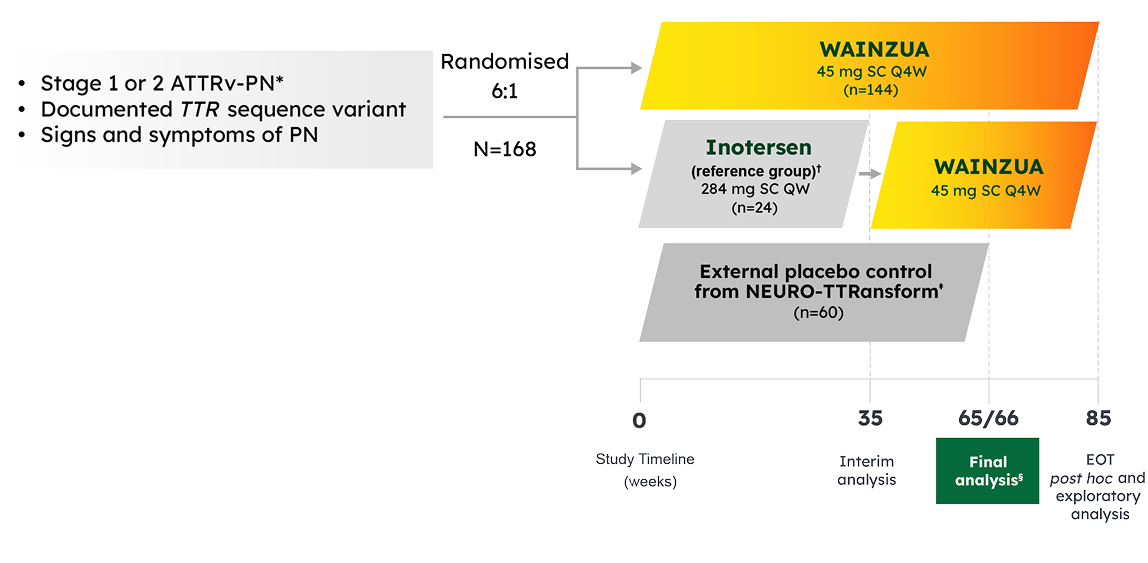
NEURO-TTRansform was a pivotal Phase III, randomised, open-label, multicentre trial that enrolled 168 patients with Coutinho Stage 1 or 2 hereditary transthyretin amyloidosis with polyneuropathy (ATTRv-PN).2 The study aimed to evaluate the efficacy and safety of WAINZUA.1,2


NEURO-TTRansform study design1,2

study-design-graph study-design-graph

Adapted from Coelho T, et al. JAMA. 2023 (including Supplementary Materials).2

*Stage 1 (ambulatory without assistance) or Stage 2 (ambulatory with assistance);2,3


†The inotersen reference group was included to confirm sufficiently comparable disease progression and treatment response patterns between NEURO-TTR and NEURO-TTRansform trials.1 The recommended dose of inotersen is 284 mg by subcutaneous injection. Please see the product SmPC for full dosing administration;4


‡All endpoints were compared with the external placebo group of the earlier NEURO-TTR trial. This control was considered appropriate because of similar eligibility criteria and endpoints;1,2 


§The final analysis endpoints were distributed over two visits (Week 65 and Week 66), as prespecified in the protocol.2


Endpoints1–3

Three co-primary endpoints (at Week 65/66) were used for assessing the efficacy of WAINZUA:1–3

Quality of life

Change from baseline in Norfolk QoL-DN* scores vs. external placebo up to Week 661,2

Neuropathy impairment

Change from baseline in mNIS+7† scores vs. external placebo up to Week 661,2

Serum TTR levels

Change from baseline in serum TTR (%) vs. external placebo up to Week 651,2

Key secondary endpoints included change from baseline in:2

Symptom severity

Neuropathy Symptom and Change (NSC) total score at Week 66

Physical health-related QoL

36-item Short Form Physical Component Summary Score (SF-36 PCS) at Week 65

Polyneuropathy disability

Polyneuropathy disability (PND) score at Week 65


Nutritional status

Modified BMI (mBMI)‡ at

Week 65


*The Norfolk QoL–DN Questionnaire is a neuropathy–specific tool that has been validated and used in clinical trials in patients with ATTRv–PN (scoring range, –4 to 136; higher scores indicate poorer QoL);2


†The mNIS+7 is a modified version of the NIS and was previously used in trials of ATTRv–PN (scoring range, –22.3 to 346.3;2 higher scores indicate poorer function);2


‡mBMI is a validated measure that accounts for volume overload by including the serum albumin levels, and is defined as body mass index (BMI) × albumin (g/L), with higher scores indicating better nutritional status.2,5

Inclusion and exclusion criteria, and patient characteristics2

Patients studied in NEURO-TTRansform were enrolled from Argentina, Australia, Brazil, Canada, Cyprus, France, Germany, Italy, New Zealand, Portugal, Spain, Sweden, Taiwan, Turkey, and the US.2

Key inclusion criteria for patients included in the study:2

  • 18 to 82 years old
  • Coutinho Stage 1 (ambulatory without assistance) or Stage 2 (ambulatory with assistance) ATTRv–PN
  • Documented TTR variant
  • Symptoms and signs consistent with polyneuropathy, including a NIS ≥10 and ≤130


Key exclusion criteria for patients included in the study:3

  • Prior liver transplant, New York Heart Association (NYHA) functional classification ≥3
  • Alternative causes of polyneuropathy
  • Current or previous treatment with TTR silencers (inotersen, patisiran, antisense oligonucleotides (ASOs) or small interfering RNAs (siRNAs))
  • Current treatment (previous treatment must have discontinued ≤2 weeks prior to study day 1) with tafamidis, diflusinal and doxycycline (alone or in combination with tauroursodeoxycholic acid)
  • Abnormal laboratory results*

*UPCR ≥1000 mg/g, platelets <125 x 109/L or eGFR <45 mL/min/1.73 m2.3

Patients treated with WAINZUA (n=144)1,2

age-icon age-icon

Broad age range2

18–82 years old (mean 53)

mixed-pn-icon mixed-pn-icon

Mixed PN and CM presentation2

27% cardiomyopathy (CM) baseline diagnosis**

treated-icon treated-icon

Previously treated*†1

69% treated with a TTR stabiliser (tafamidis or diflunisal)‡

disease-icon disease-icon

Range of disease severity††1

79% with Stage 1 polyneuropathy


20% with Stage 2 polyneuropathy

variant-icon variant-icon

>10 Variants studied§¶2

V30M (59%), A97S (15%), T60A (3%), F64L (3%), 


L58H (3%), V122I (3%), S77Y (2%), E89Q (1%), 


S50R (1%), T49A (1%), and others (10%)

sex-icon sex-icon

Sex‡‡1,2

69% male, 31% female


*Patients must have discontinued active treatment with any other approved drug for ATTRv amyloidosis at least 2 weeks prior to study;1,3


†n=100;1,2


‡Tafamidis 20 mg is licensed in the UK for the treatment of ATTR amyloidosis in adult patients with Stage 1 symptomatic polyneuropathy to delay peripheral neurologic impairment. Tafamidis 61 mg is licensed for the treatment of wild-type or ATTRv amyloidosis in adult patients with CM.6  Please refer to the SmPC for further information. Diflunisal is not licensed in the UK;


§V30M (n=85), A97S (n=21), T60A (n=4), F64L (n=5), L58H (n=4), V122I (n=4), S77Y (n=3), E89Q (n=1), S50R (n=2), T49A (n=1), and others (n=14);2


¶Patients studied in NEURO-TTRansform were enrolled from Argentina, Australia, Brazil, Canada, Cyprus, France, Germany, Italy, New Zealand, Portugal, Spain, Sweden, Taiwan, Turkey, and the US;2 TTR variants most frequently observed in the UK include T60A, V122I, and V30M;7


**n=39;2


††Stage 1: n=115, Stage 2: n=29;2


‡‡Male: n=100, Female: n=44.2

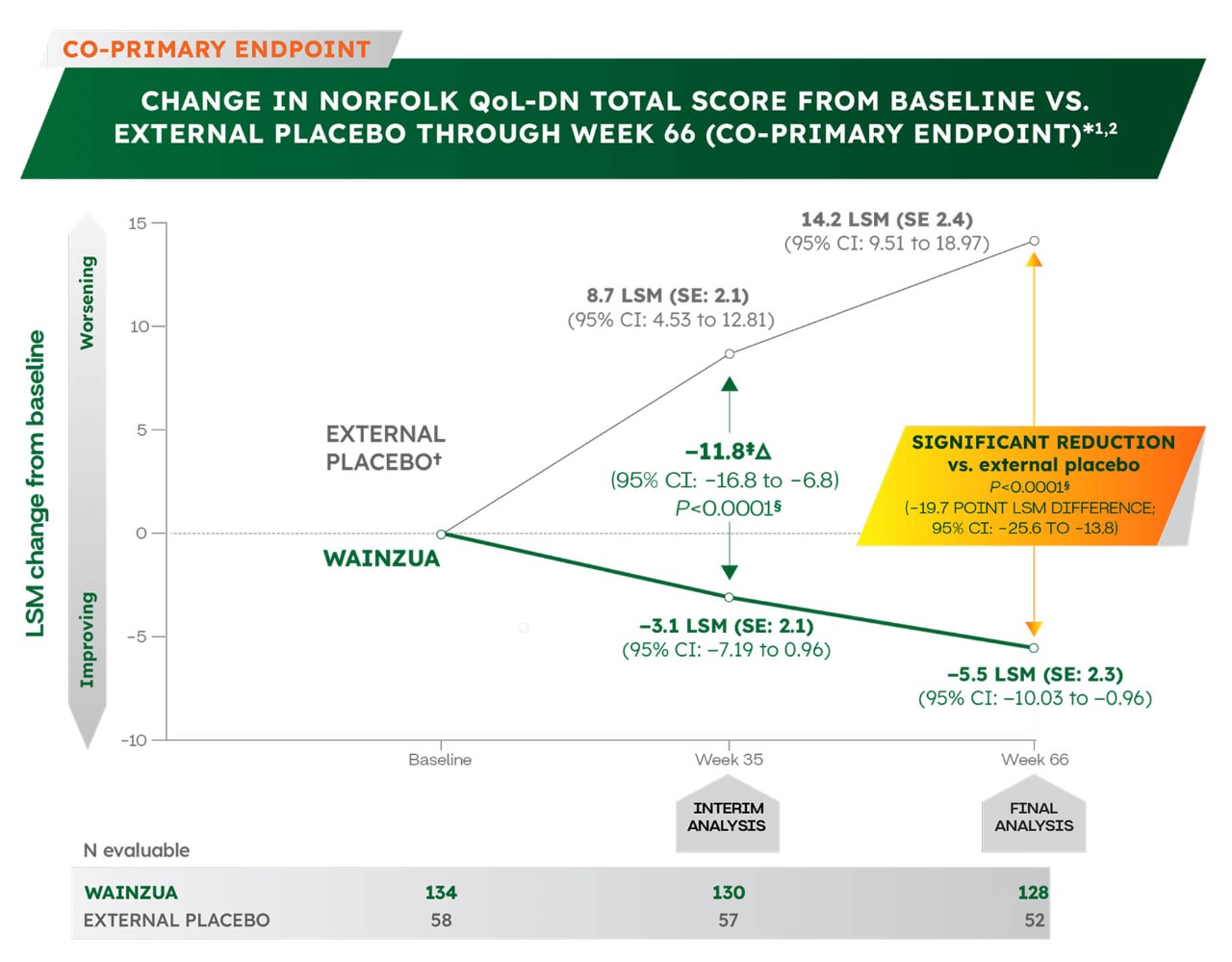
Statistically significant improvement across all co-primary endpoints with WAINZUA from baseline vs. external placebo through Week 65/661,2

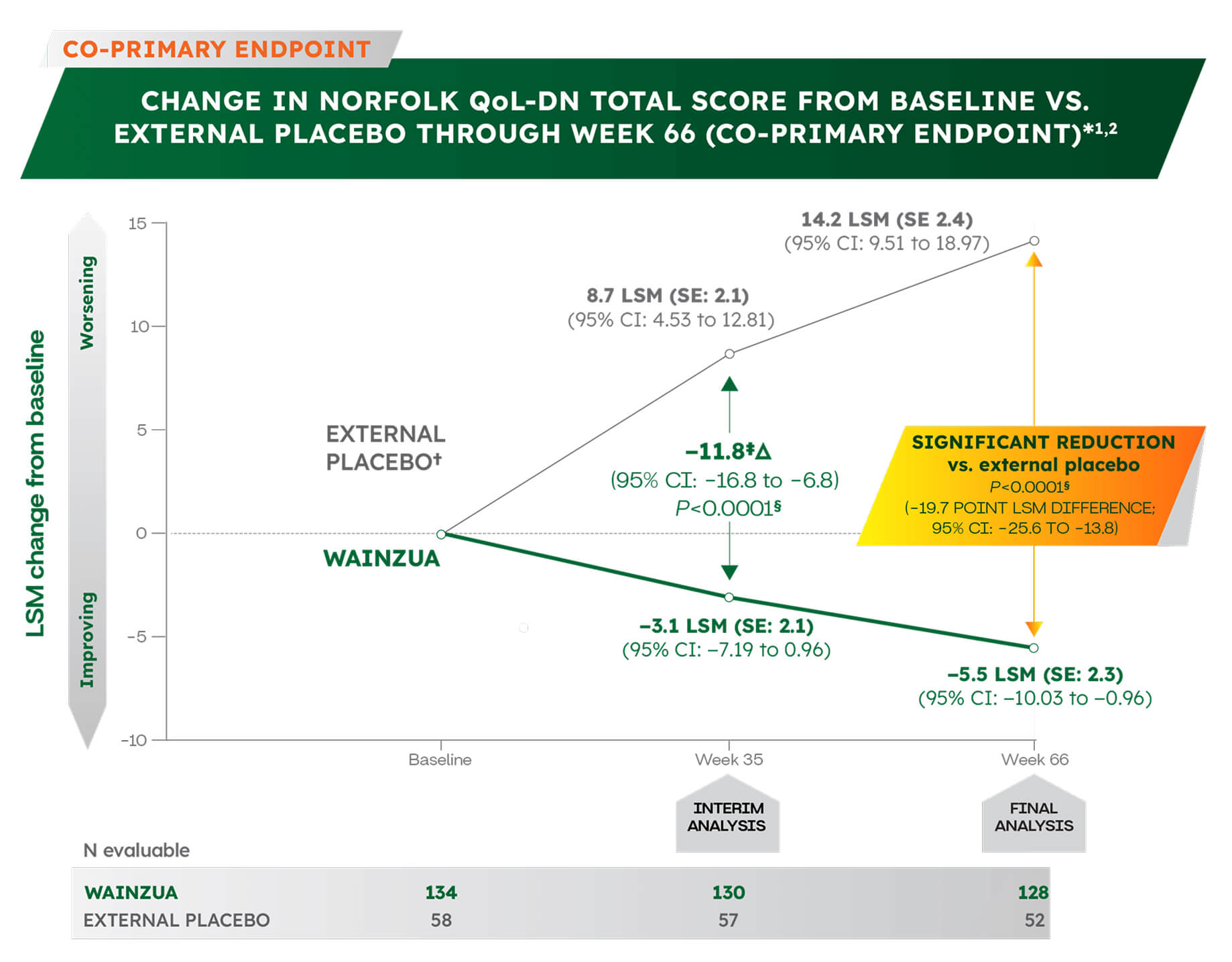
WAINZUA significantly improves quality of life vs. external placebo1,2

lsm-chart lsm-chart

Adapted from Coelho T, et al. JAMA. 2023 (including Supplementary Materials).2

Co-primary endpoint at Week 66 & key secondary endpoint at Week 35: 

Consistent and sustained benefit regardless of concomitant CM, previous treatment, baseline disease stage, mutational status, sex, region, and patient age at Week 66¶1,2

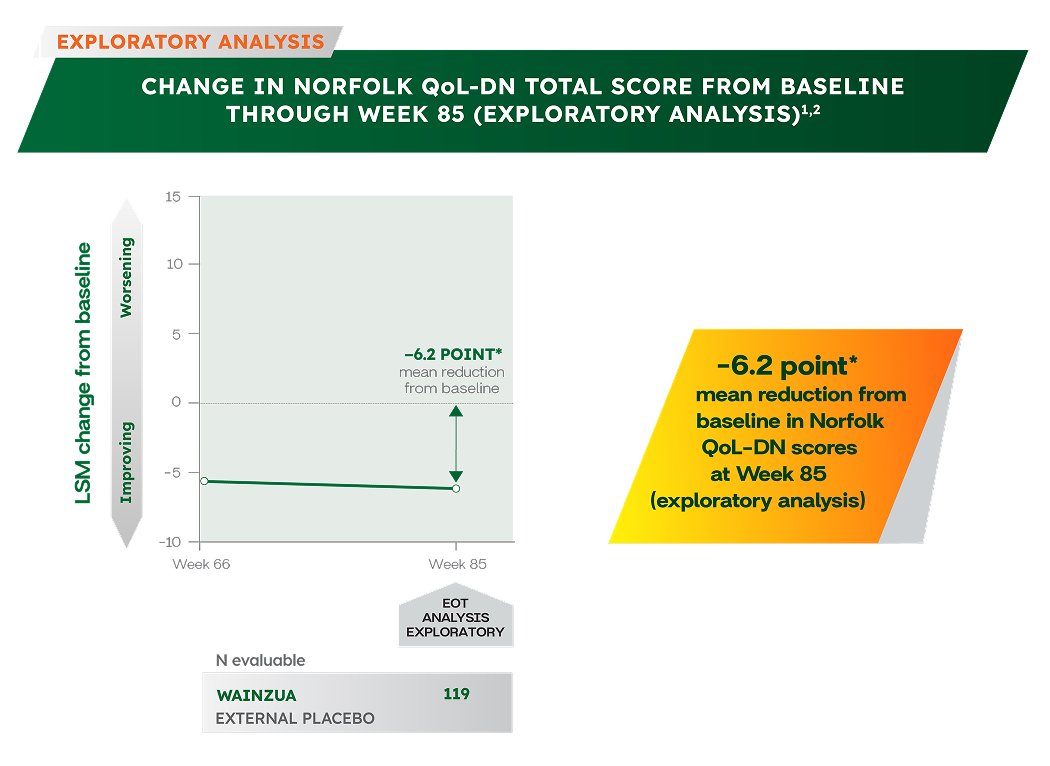
Week 85 exploratory analysis

*The Norfolk QoL−DN score is a patient–reported quality–of–life assessment, measuring physical function/large−fibre neuropathy, symptoms, activities of daily living symptoms, small–fibre neuropathy, and autonomic neuropathy. The Norfolk QoL−DN total score has a range of −4 to 136, and a higher score indicates poorer quality of life;1,2


†External placebo group from another randomised controlled trial (NEURO–TTR);1


‡Treatment difference presents results from formal Week 35 interim analysis based on MI Multiple Imputation Analysis of Covariance (MI ANCOVA) adjusted by propensity score weights with fixed categorical effects for treatment, disease stage, Val30Met mutation, previous treatment, and fixed covariates for the baseline. Only data up to Week 35 are included in the Week 35 interim analysis. The Week 66 LSM mean treatment difference (WAINZUA vs. external placebo) is based on Mixed Model Repeated Measures (MMRM) adjusted by propensity score weights with fixed categorical effects for treatment, time, treatment–by–time interaction, disease stage, Val30Met mutation, previous treatment, and fixed covariates for the baseline and the baseline–by–time interaction. Analysis based on data collected up to 52 days after last dose of study treatment;1


§P–value at Week 66 not formally tested due to statistically significant results at Week 35;1


¶Efficacy analyses were performed in prespecified subgroups according to age, region, sex, Val30Met TTR sequence variant, previous treatment with stabilisers, disease stage, and diagnosis of cardiomyopathy.2


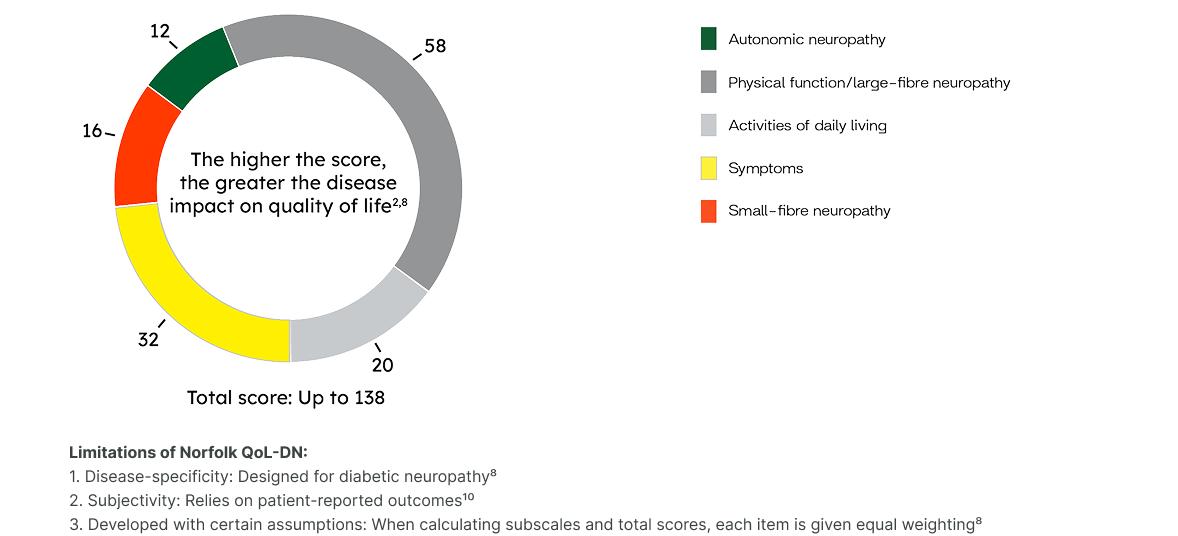
The Norfolk QoL-DN score is a validated patient-reported quality-of-life assessment for patients with ATTRv-PN2,3,8,9

Scores measure five domains, including physical function/large-fibre neuropathy, activities of daily living, symptoms, small-fibre neuropathy, and autonomic nerve function.8

stomach-issues stomach-issues

Autonomic neuropathy

Neuropathy-related impact, including orthostasis, gastrointestinal (GI), and genitourinary functions.


nerve nerve

Physical function/large-fibre neuropathy

Impact on motor functions and sensory function related to large-nerve fibres (e.g. weakness, unsteadiness on feet, unable to feel feet when walking).

tingling tingling

Symptoms

Impact of the common symptoms of neuropathy at four body sites (feet, legs, hands, and arms). 

gripping gripping

Activities of daily living

Impact of neuropathy on routine activities of daily life (e.g. bathing, toileting, and fine finger movements). 

nerve-thin nerve-thin

Small-fibre neuropathy

Impact of sensory function related to small-fibres (e.g. numbness, tingling, needle-like pain, and loss of thermal sensation).

score-graph score-graph

Norfolk QoL-DN responder analysis

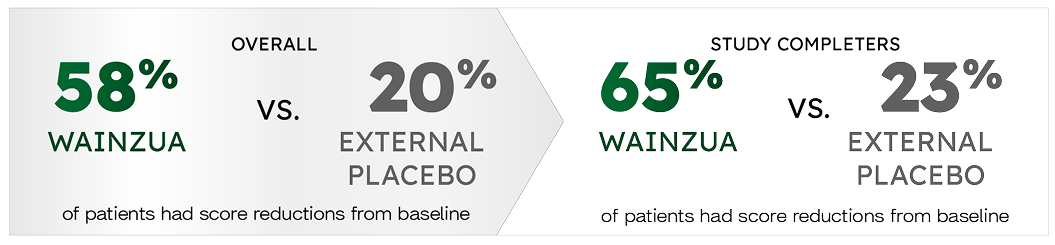
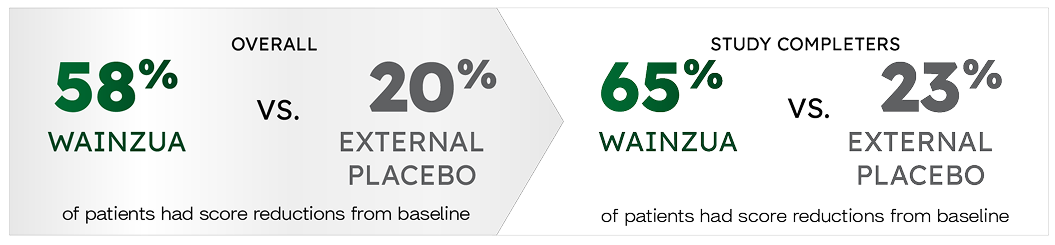
65% of study completers achieved improvement in quality of life with WAINZUA vs. external placebo at Week 66 (post-hoc analysis)1,2

Patients with improvement in Norfolk QoL-DN from baseline at Week 66:2

norfolk-chart norfolk-chart

Note: The placebo group refers to the placebo arm from the previous NEURO–TTR trial. Improvement defined as a score change from baseline <0. 

The percentages of patients were calculated using the safety analysis population (WAINZUA: n=144; placebo: n=60) as the denominator.1,2


Data sourced from study completers (WAINZUA, 136/144; external placebo, 52/60) from the responder analysis.1

WAINZUA significantly reduces neuropathy impairment vs. external placebo1,2

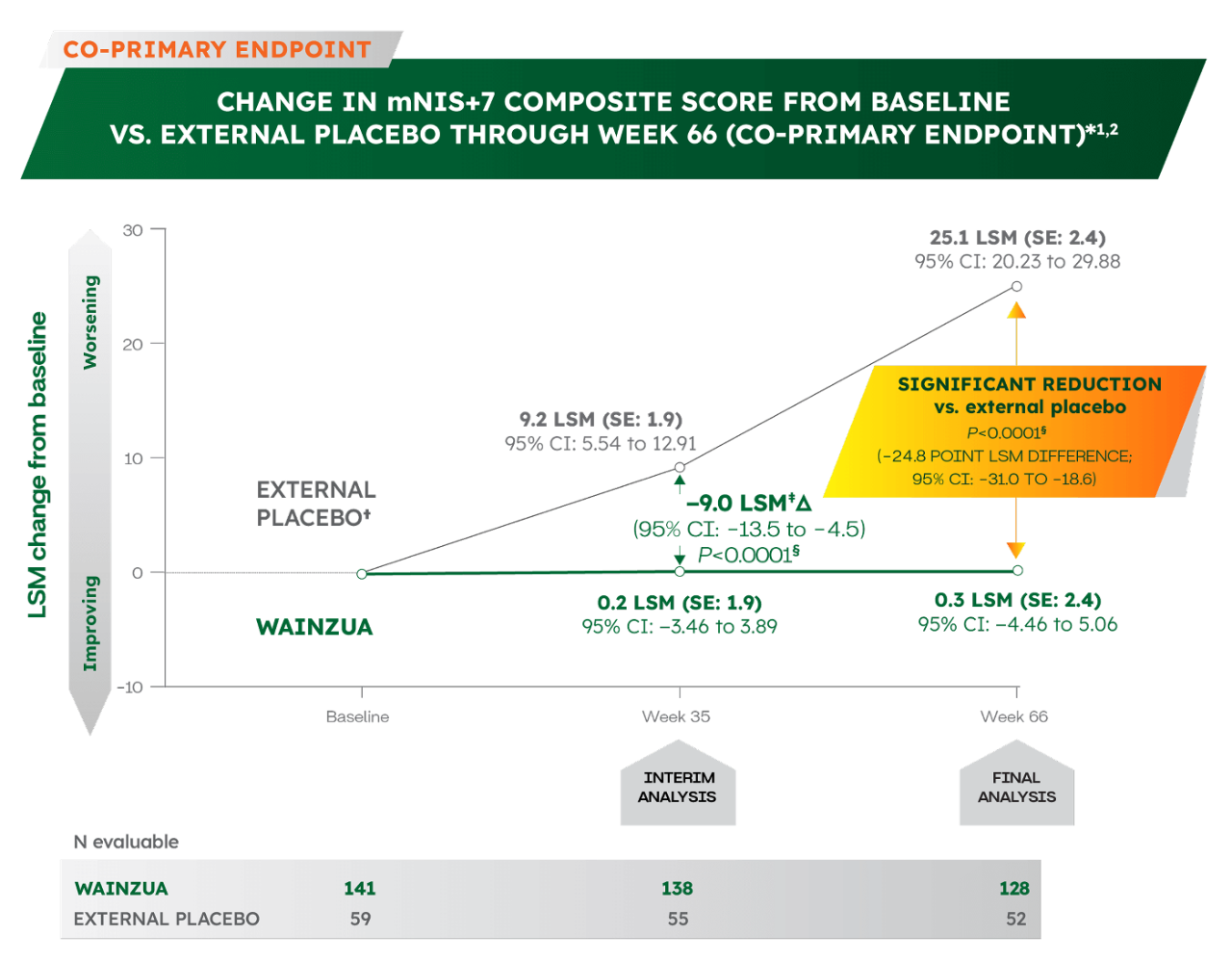
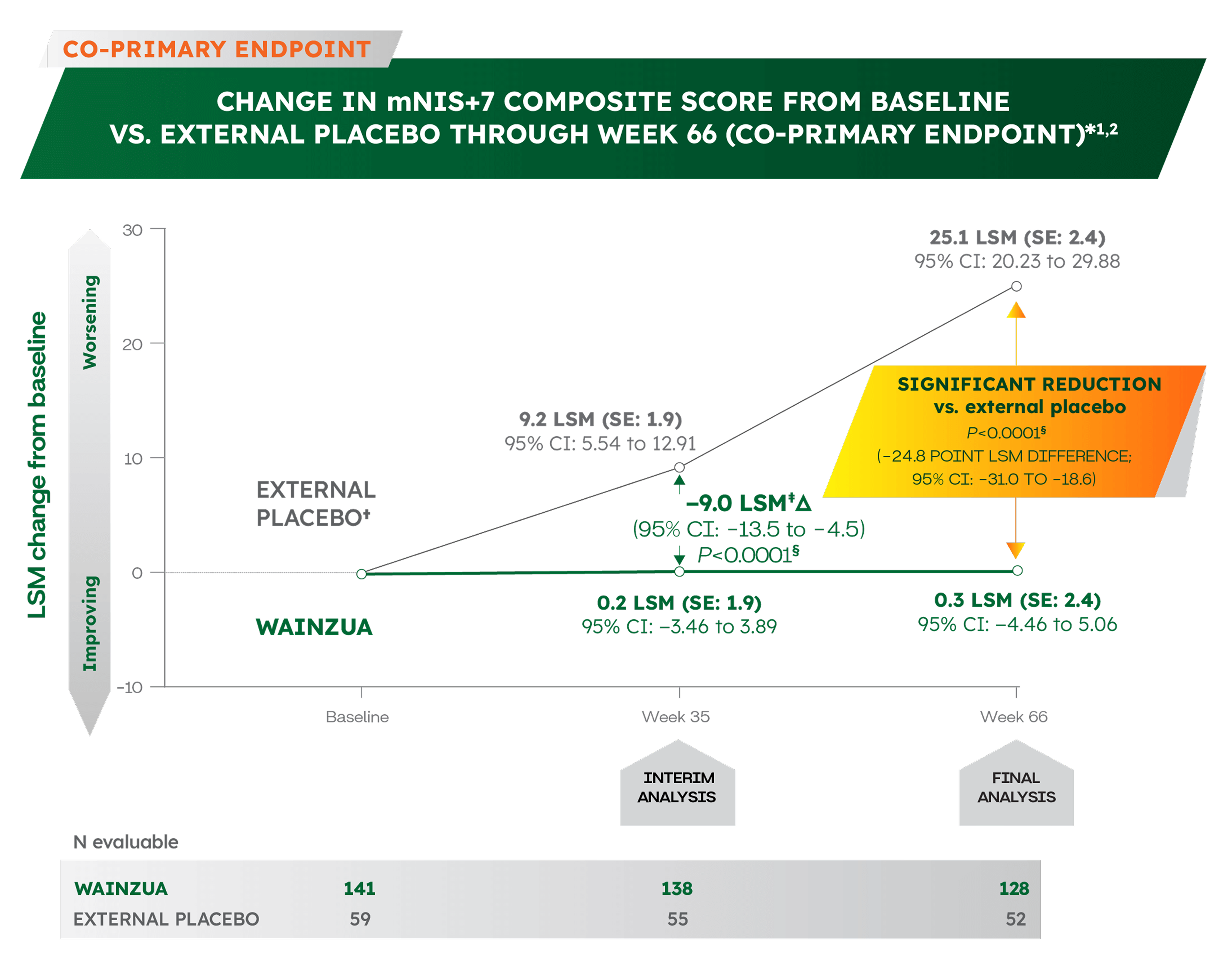
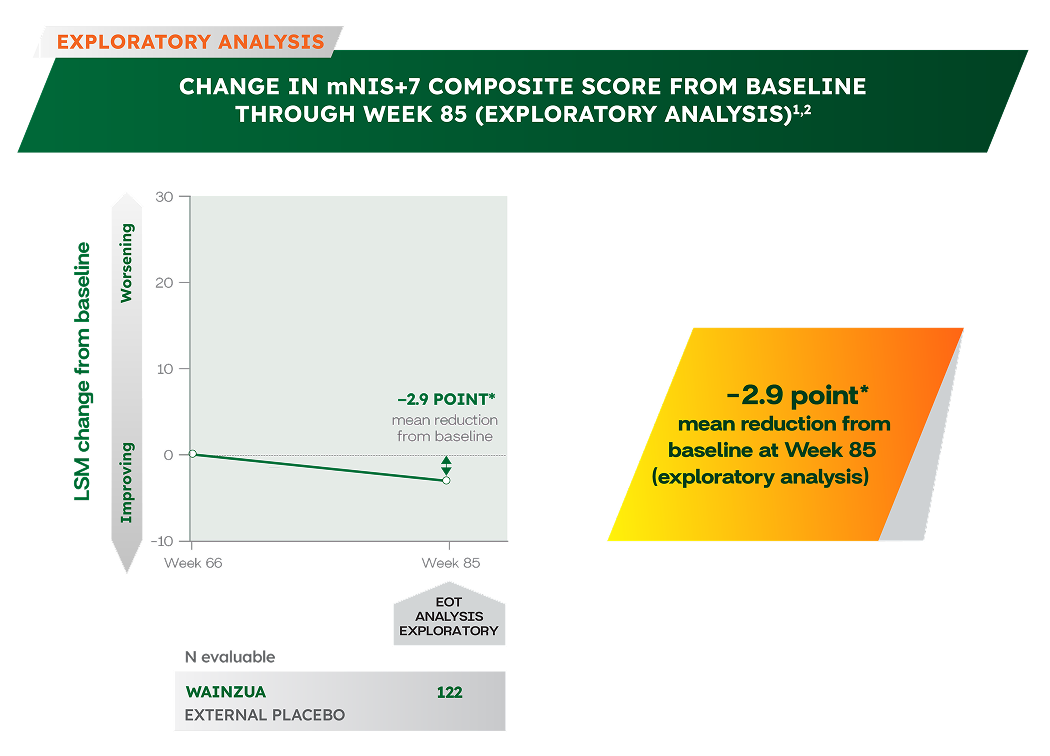
Neuropathy impairment was assessed via the change in the mNIS+7 composite score from baseline. mNIS+7 was reduced in patients receiving WAINZUA through to Week 66 compared to the external placebo.1,2

impairment-external-grph impairment-external-grph

Adapted from Coelho T, et al. JAMA. 2023 (including Supplementary Materials).2

Co-primary endpoint at Week 66 & key secondary endpoint at Week 35:

Consistent and sustained benefit regardless of concomitant CM, previous treatment, baseline disease stage, mutational status, sex, region, and patient age at Week 66¶1,2

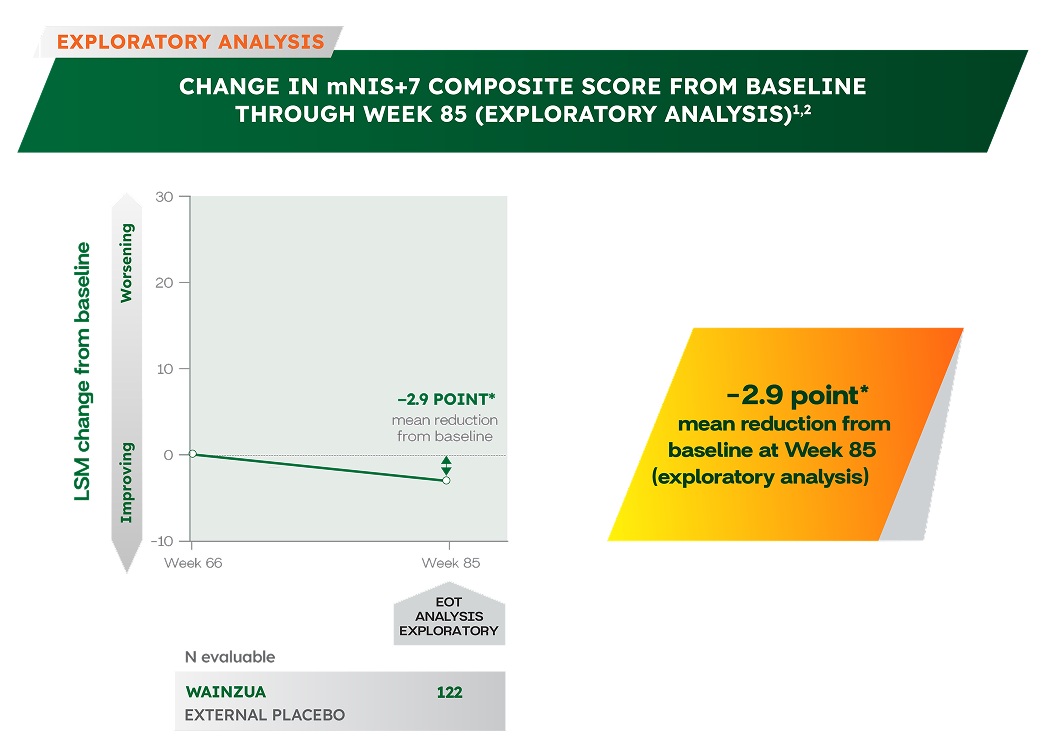
Week 85 exploratory analysis

*The mNIS+7 composite score is a measure of neurologic impairment that evaluates nerve conduction, autonomic function, sensation, reflexes, muscle weakness, cranial nerve function and quantitative sensory testing. The mNIS+7 composite score has a range of −22.3 to 346.3, and a higher score indicates lower function. mNIS scoring may vary across clinical trials;1 


†External placebo group from another randomised controlled trial (NEURO–TTR);1


‡Treatment difference presents results from formal Week 35 interim analysis based on MI ANCOVA adjusted by propensity score weights with fixed categorical effects for treatment, disease stage, Val30Met mutation, previous treatment and fixed covariates for the baseline. Only data up to Week 35 are included in the Week 35 interim analysis. The Week 66 LSM mean treatment difference (WAINZUA vs. external placebo) is based on MMRM adjusted by propensity score weights with fixed categorical effects for treatment, time, treatment–by–time interaction, disease stage, Val30Met mutation, previous treatment, and fixed covariates for the baseline and the baseline–by–time interaction. Analysis based on data collected up to 52 days after last dose of study treatment;1


§P−value at Week 66 not formally tested due to statistically significant results at Week 35;1


¶Efficacy analyses were performed in prespecified subgroups according to age, region, sex, Val30Met TTR sequence variant, previous treatment with stabilisers, disease stage, and diagnosis of CM.2

mNIS+7 composite score

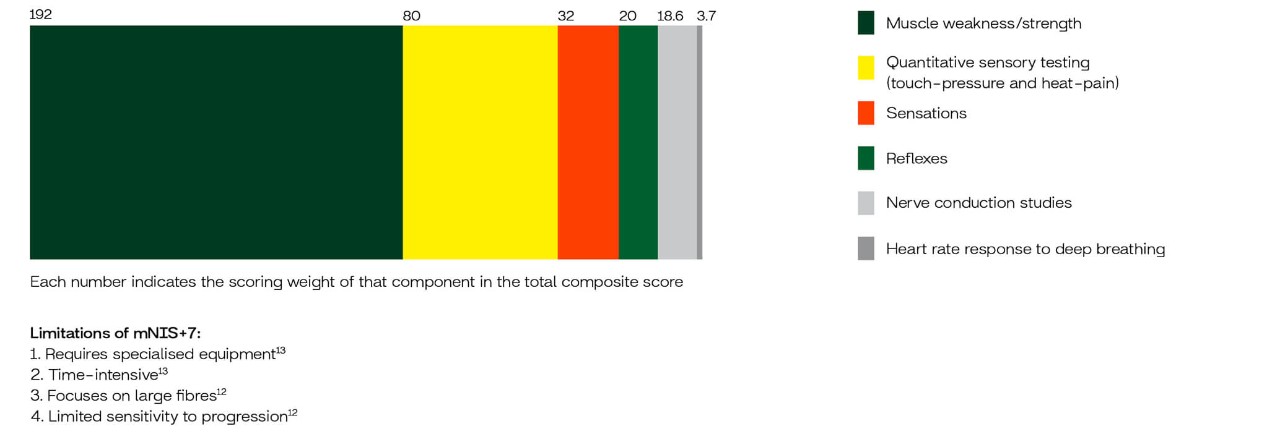
mNIS+7 composite score is validated in ATTRv-PN to quantify neurologic impairment and progression1-3,8,9,11

Scores measure muscle strength/weakness, quantitative sensory testing, sensations, reflexes, nerve conduction, and heart rate response to deep breathing.1

musculoskeletal-icon musculoskeletal-icon

Muscle weakness/strength

Assessed in 24 muscle groups.


brain-icon brain-icon

Quantitative sensory testing (touch-pressure and heat-pain)

Assessed in up to 10 sites.

tingling tingling

Sensations

Assessed touch, pressure, and pinprick.

knee-hammer-icon knee-hammer-icon

Reflexes

Assessed in five muscle groups.

nerve-thin nerve-thin

Nerve conduction studies

5 nerve assessments.

heart-icon heart-icon

Heart rate response to deep breathing

The higher the score, the greater the neuropathic impairment.1 

neuropathic-chart neuropathic-chart

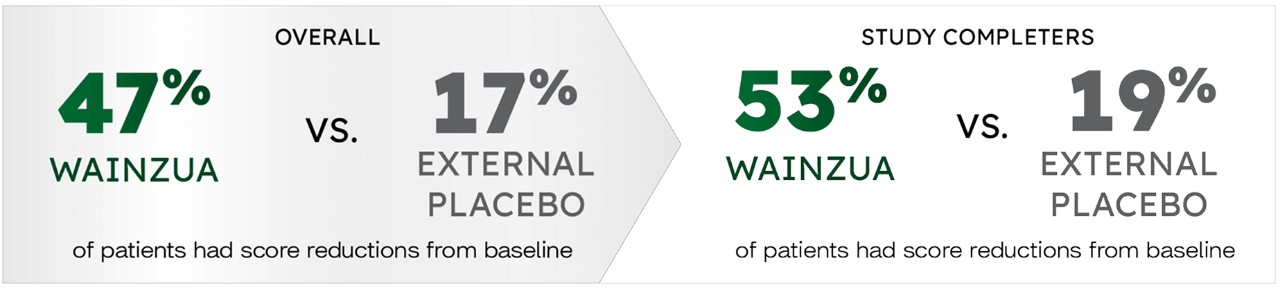
mNIS+7 responder analysis

53% of study completers achieved improvement in neuropathy impairment with WAINZUA vs external placebo at Week 66 (post hoc analysis)2

Patients with improvement in mNIS+7 from baseline at Week 66:2

nis-reponder nis-reponder

Note: The placebo group refers to the placebo arm from the previous NEURO-TTR trial. Improvement defined as a score change from baseline <0. The percentages of patients were calculated using the safety analysis population (WAINZUA: n=144; placebo: n=60) as the denominator.2


Data sourced from study completers (WAINZUA, 136/144; external placebo, 52/60) from the responder analysis.2 

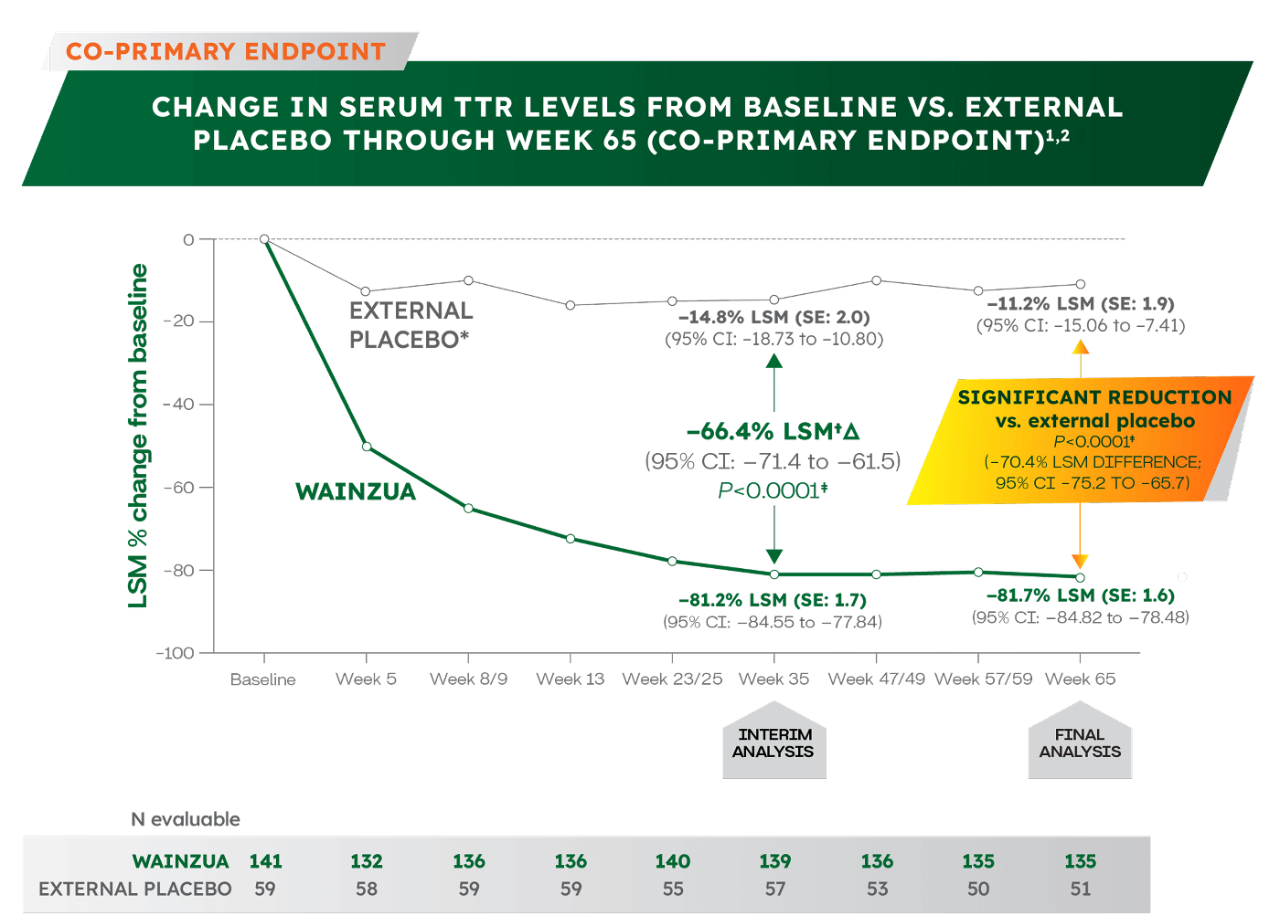
WAINZUA demonstrates steady and sustained TTR suppression vs. external placebo from as early as Week 51,2

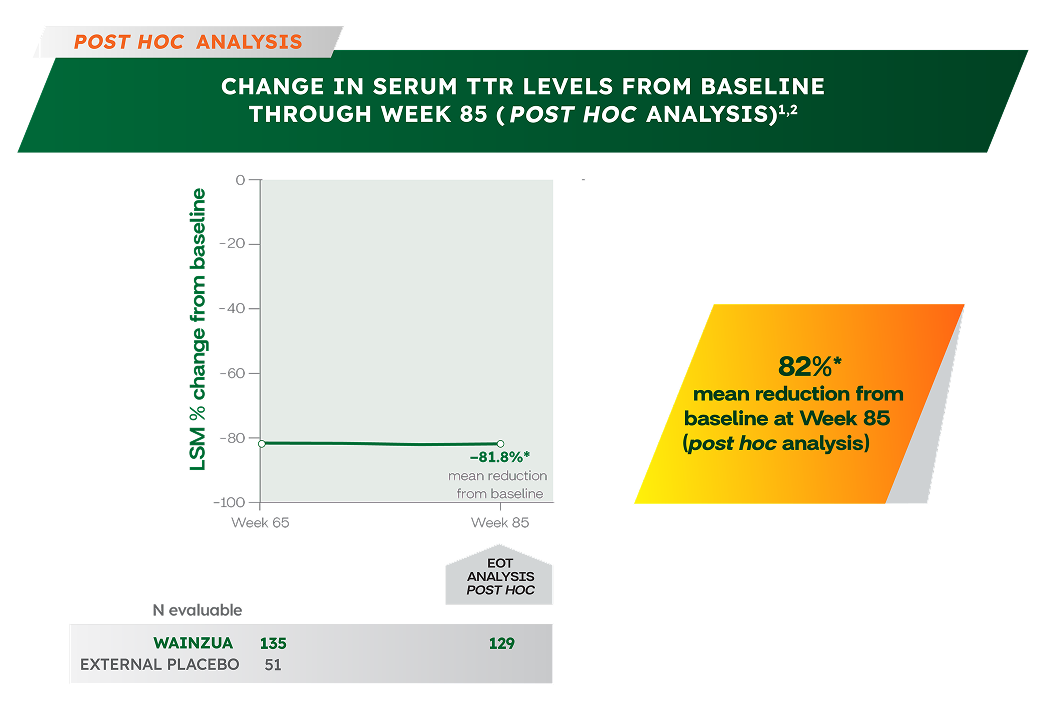
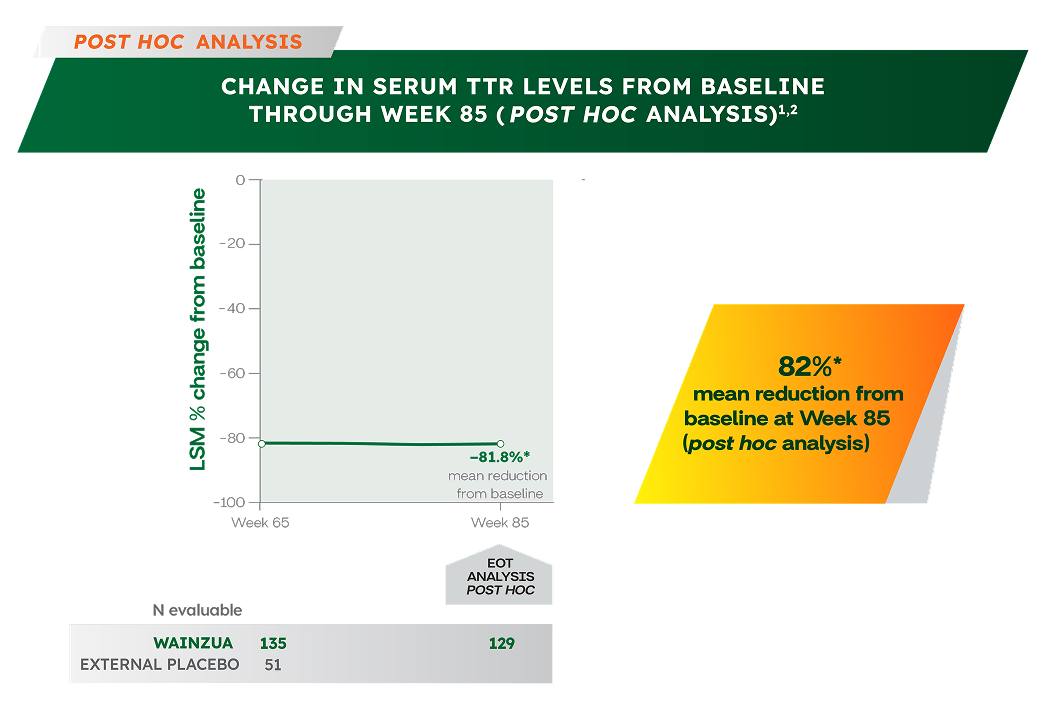
WAINZUA decreased serum TTR protein levels from baseline as early as Week 5 compared with the external placebo, achieving a statistically significant and consistent reduction at Week 65.1,2

ttr-supression-chart ttr-supression-chart

Adapted from Coelho T, et al. JAMA. 2023 (including Supplementary Materials).2

Co-primary endpoint at Week 65:

Consistent results demonstrated across all patient subgroups (sex, age, disease stage, previous treatment, CM status, and region) at Week 65.§1,2

Week 85 post hoc analysis

*External placebo group from another randomised controlled trial (NEURO–TTR);1


†Treatment difference presents results from formal Week 35 interim analysis. Only data up to Week 35 are included in the Week 35 interim analysis. The Week 35 and Week 65 LSM treatment difference (WAINZUA vs. external placebo) is based on MMRM adjusted by propensity score weights with fixed categorical effects for treatment, time, treatment–by–time interaction, disease stage, Val30Met mutation, previous treatment, and fixed covariates for the baseline and the baseline–by–time interaction. Analysis based on data collected up to 28 days after last dose of study treatment;1


‡P-value at Week 65 not formally tested due to statistically significant results at Week 35;1


§Efficacy analyses were performed in prespecified subgroups according to age, region, sex, Val30Met TTR sequence variant, previous treatment with stabilisers, disease stage, and diagnosis of cardiomyopathy.2 

Statistically significant improvement across all secondary 
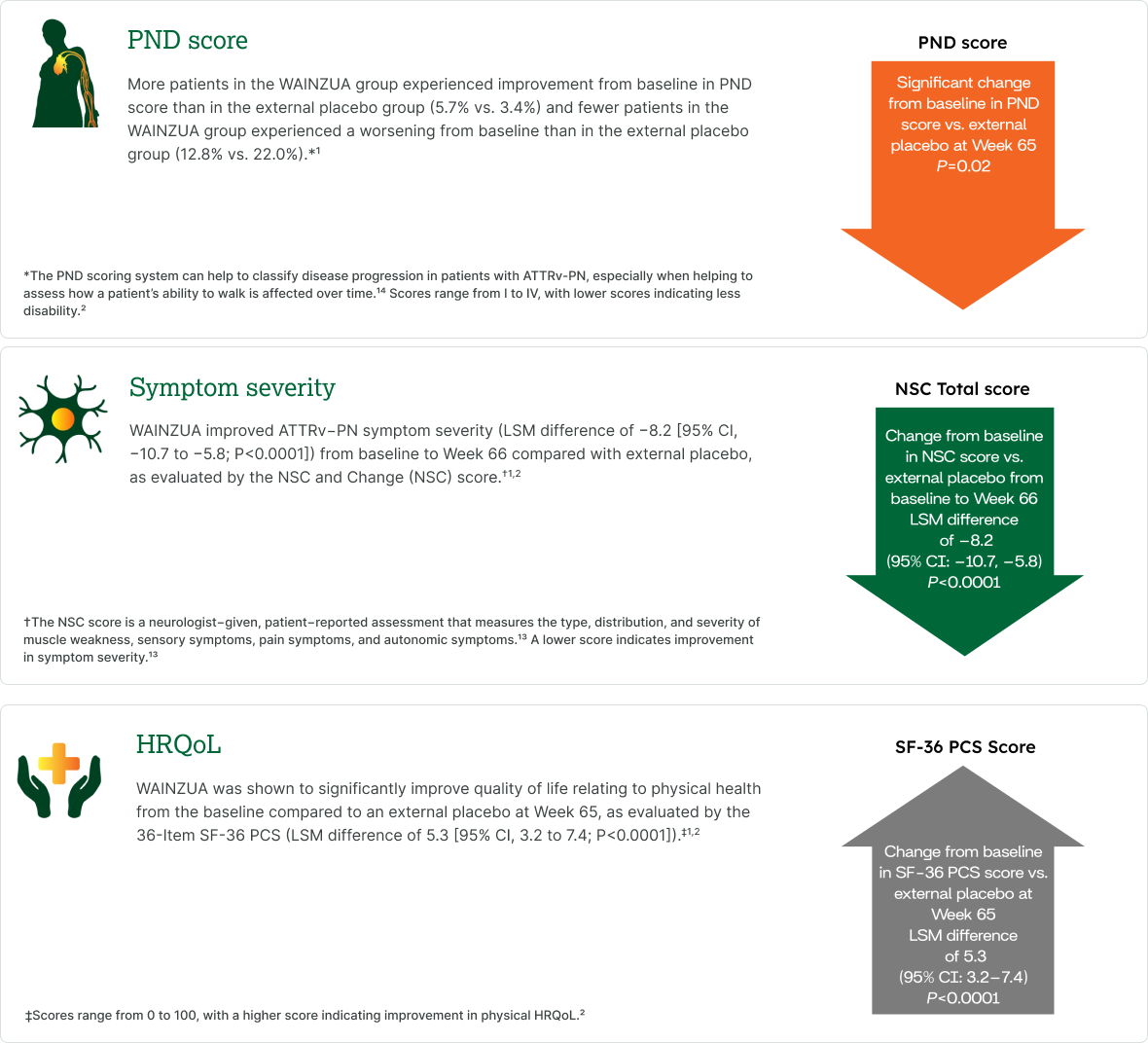
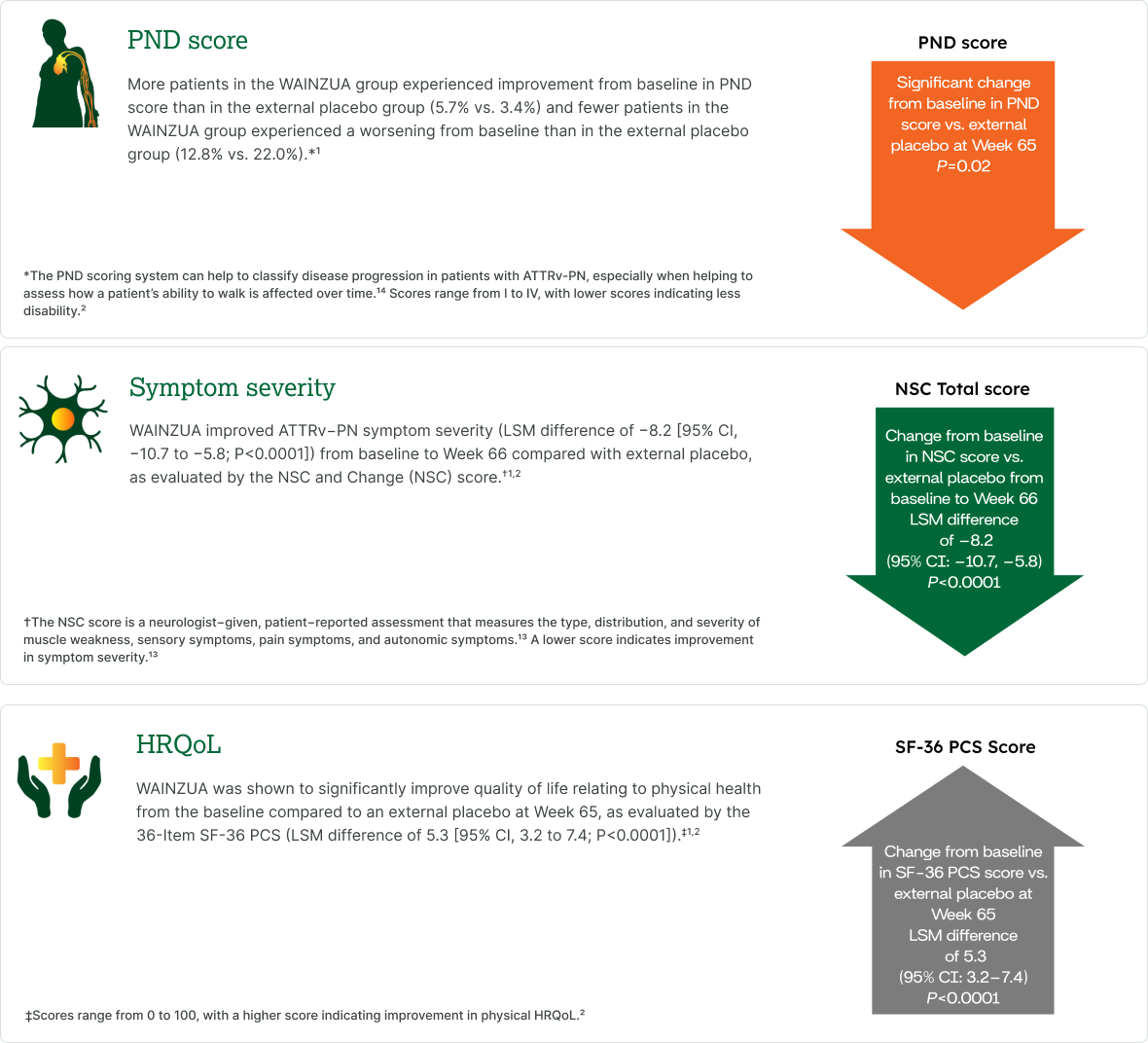
endpoints with WAINZUA vs. external placebo through Week 65/662

WAINZUA demonstrated significant improvements in all secondary endpoints vs. external placebo.2


From baseline at Week 65/66, WAINZUA stabilised symptom severity, improved physical health-related QoL (HRQoL) measures, reduced polyneuropathy disability, and maintained nutritional status compared with external placebo.2

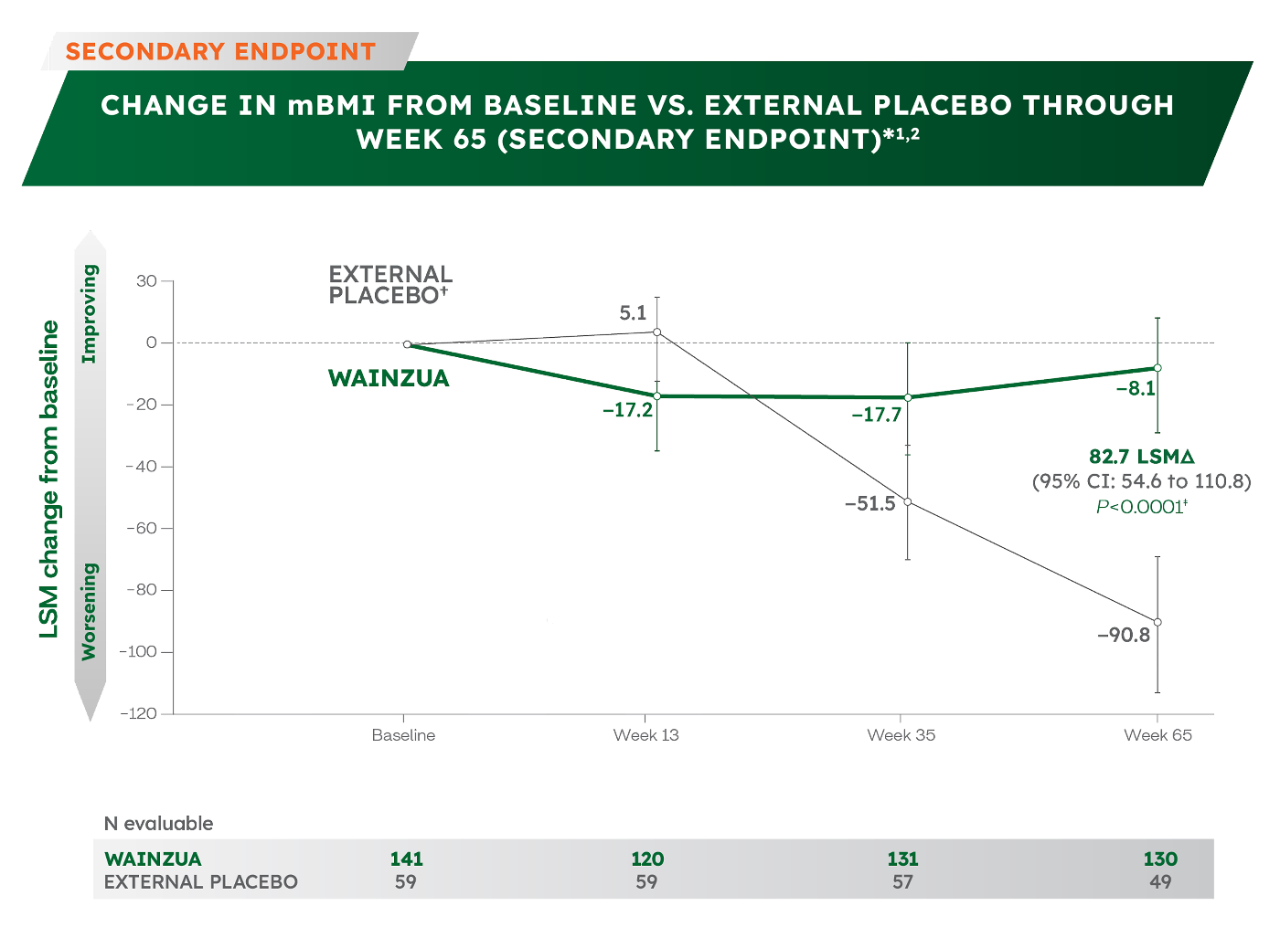
WAINZUA helps to prevent nutritional decline vs. external placebo1,2

decline-placebo-graph decline-placebo-graph

Adapted from Cohelho T, et al. JAMA. 2023 (including Supplementary Materials).2

*mBMI is a validated measure that accounts for volume overload by including the serum albumin levels, and is defined as body mass index (BMI) × albumin, with higher scores indicating better nutritional status.5

†External placebo group from another randomised controlled trial (NEURO-TTR);1


‡Only data up to Week 65 are included in the Week 65 final analysis. Based on a MMRM adjusted by propensity score weights with fixed categorical effects for treatment, time,
treatment-by-time interaction, disease stage, Val30Met mutation, previous treatment and fixed covariates for the baseline value and the baseline-by-time interaction. Analysis based
on data collected up to 28 days after last dose of study drug.1


pnd-com-img pnd-com-img

Secondary analyses and exploratory endpoints

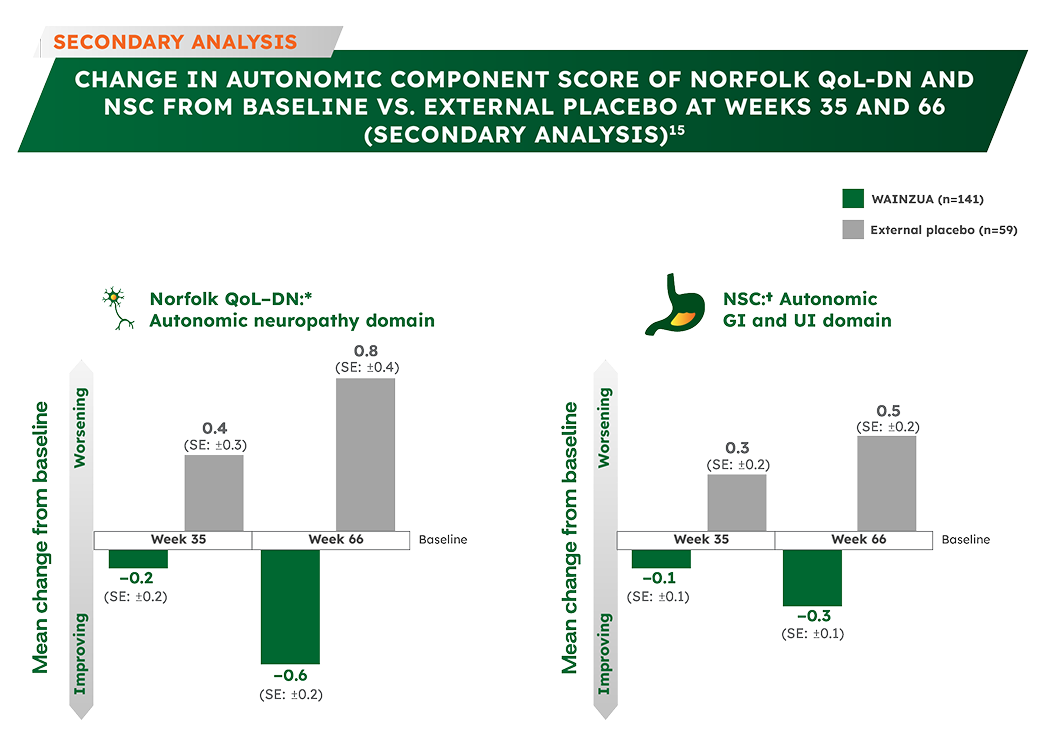
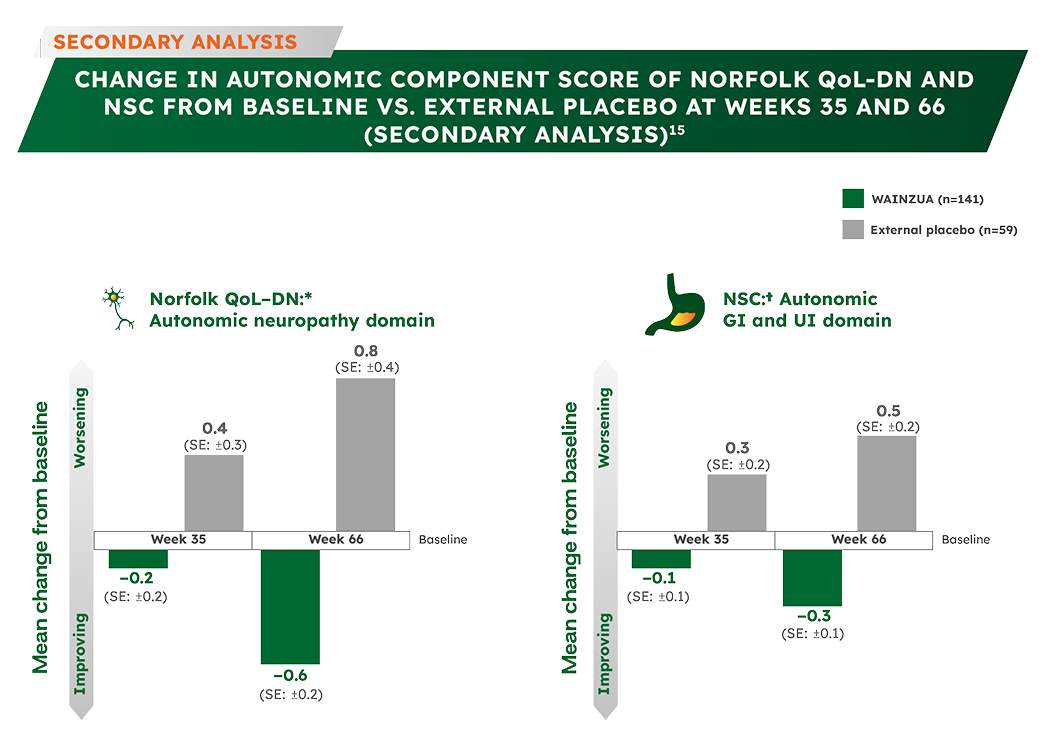
WAINZUA vs. external placebo across multiple measures of autonomic impairment, such as neuropathy, GI and urinary incontinence (UI) symptoms15

ui-symp-chart ui-symp-chart

Adapted from Wixner J, et al. Amyloid. 2024.15

The changes in score for the individual autonomic components of Norfolk QoL-DN and NSC were limited by the range of each score and therefore appear relatively modest.15

*The Norfolk QoL-DN Questionnaire is a neuropathy-specific tool that has been validated and used in clinical trials in patients with ATTRv-PN (scoring range, −4 to 136; higher scores indicate poorer QoL);2


†NSC is a neurologist-administered, patient-answered questionnaire comprising 38 items, of which four relate specifically to the autonomic GI and UI domain and five to domains other than GI and UI15 (scoring range, men: 0–114; women: 0–108; higher scores indicate worse symptom severity).13

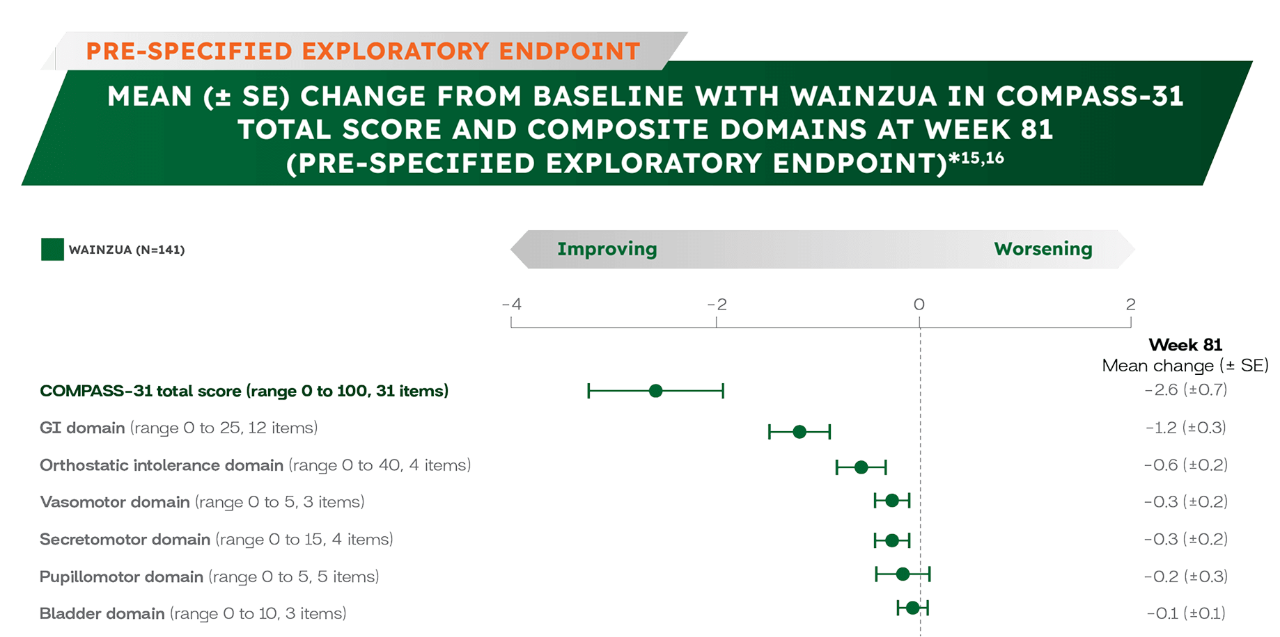
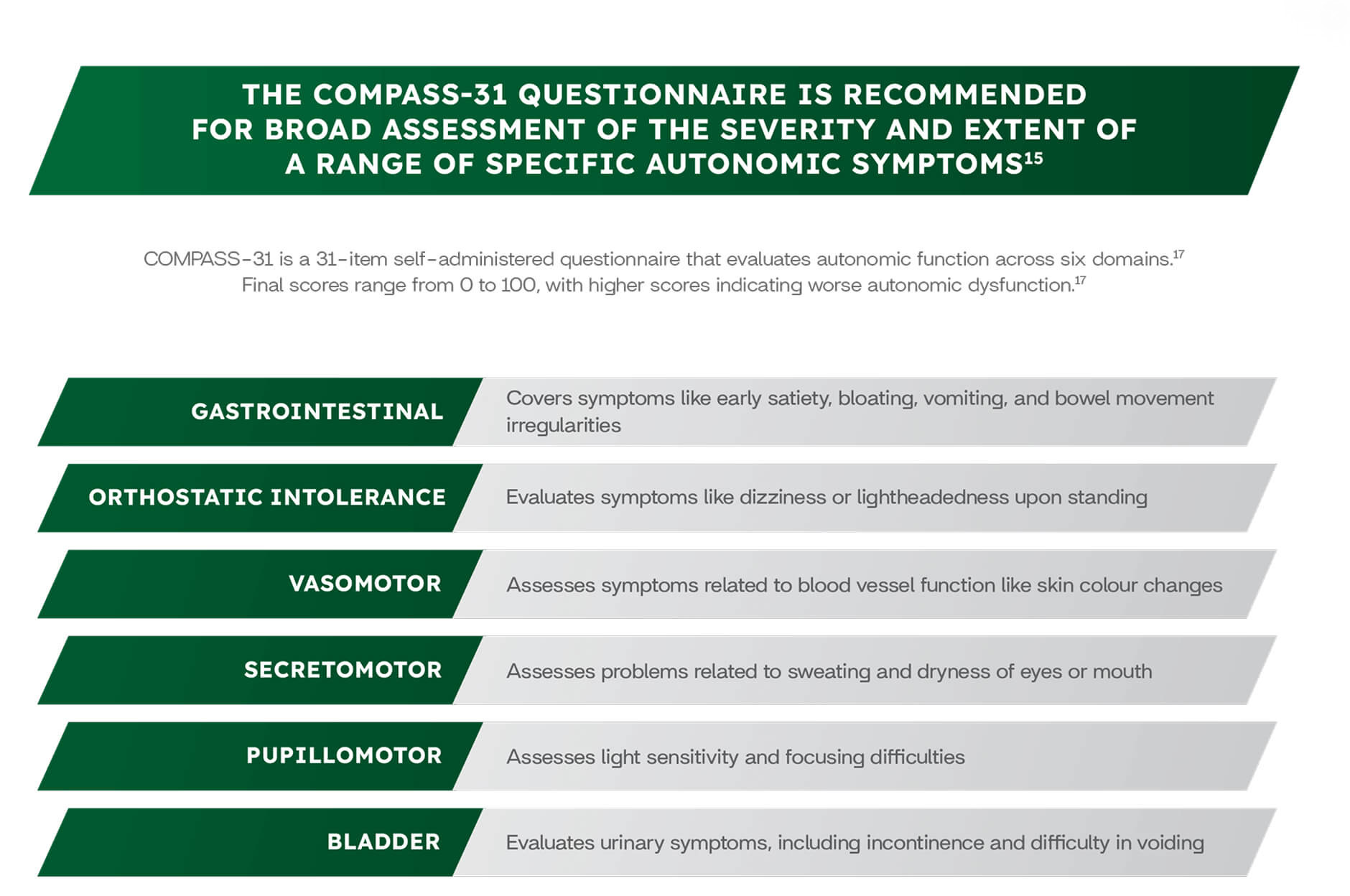
Change from baseline in COMPASS-31 total score at Week 8115,16

compass-chart compass-chart

Adapted from Wixner J, et al. Presented at: 4th International ATTR Amyloidosis Meeting 2023.16

This analysis did not include the external placebo group, as COMPASS-31 scores were not collected in the NEURO-TTR trial.15

Understand COMPASS-31

*COMPASS–31 total score at baseline in patients treated with WAINZUA (n=141) was 19.4 (SD: 11.3).15

gender

Contact us

If you have any questions about WAINZUA or would like to speak to an AstraZeneca representative, please contact us.

Contact options

ATTRv=hereditary transthyretin amyloidosis; ATTRv-PN=hereditary transthyretin amyloidosis with polyneuropathy; CI=confidence interval; CM=cardiomyopathy; COMPASS-31=Composite Autonomic Symptom Score-31; eGFR=estimated glomerular filtration rate; EOT=end of treatment; GI=gastrointestinal; HRQOL=health-related quality of life; LSM=least-squares mean; mBMI=modified body mass index; MI ANCOVA=Multiple Imputation Analysis of Covariance; MMRM=Mixed Model Repeated Measures; mNIS+7=modified Neuropathy Impairment Score +7; Norfolk QoL-DN=Norfolk Quality of Life-Diabetic Neuropathy; NSC=Neuropathy Symptoms and Change; NYHA=New York Heart Association; PN=polyneuropathy; PND=polyneuropathy disability;  QW=every week; Q4W=every 4 weeks; SC=subcutaneous;  SD=standard deviation; SE=standard error; SF-36 PCS=36-Item Short Form Survey physical component summary; siRNA=small interfering ribonucleic acid; SmPC=Summary of Product Characteristics; TTR=transthyretin; UI=urinary incontinence; UPCR=urine protein to creatinine ratio.

  1. WAINZUA® (eplontersen) Summary of Product Characteristics.
  2. Coelho T, et al. JAMA. 2023;330(15):1448–1458 (including Supplementary Materials).
  3. Coelho T, et al. Neurol Ther. 2021;10(1):375–389.
  4. TEGSEDI® (inotersen) Summary of Product Characteristics.
  5. Dongiglio F, et al. Cardiogenetics. 2022;12(2):185–197.
  6. VYNDAMEL® (tafamidis) Summary of Product Characteristics.
  7. Gillmore JD, et al. Adv Ther. 2022;39(6):2292–2301.
  8. Vinik EJ, et al. J Peripher Nerv Syst. 2014;19(2):191–200.
  9. Vinik EJ, et al. Diabetes Technol Ther. 2005;7(3):497–508.
  10. Boyd A, et al. J Diabetes Sci Technol. 2011;5(3):714–722.
  11. Benson MD, et al. N Engl J Med. 2018;379(1):22–31.
  12. Dyck PJ, et al. J Neurol Sci. 2019;405:116424.
  13. Dyck PJ, et al. Muscle Nerve. 2020;62(4):509–515.
  14. Sequeira VCC, et al. Arq Neuropsiquiatr. 2022;80(3):262–269.
  15. Wixner J, et al. Amyloid. 2024;32(1):29–38.
  16. Wixner J, et al. Eplontersen improves autonomic neuropathy symptoms in hereditary ATTR: an analysis from NEURO-TTRansform. Presented at: 4th International ATTR Amyloidosis Meeting; November 2–3, 2023; Madrid, Spain.
  17. Sletten DM, et al. Mayo Clin Proc. 2012;87(12):1196–1201 (including Supplementary Materials).

GB-62845 | November 2025

Adapted from Coelho T, et al. JAMA. 2023 (including Supplementary Materials).

*Note: From Week 66 to Week 85, there was no external placebo group because NEURO-TTR concluded at Week 66. Change in Norfolk QoL-DN total score was assessed as an exploratory outcome at Week 85. No formal statistical analyses were performed at Week 85.1

Adapted from Coelho T, et al. JAMA. 2023 (including Supplementary Materials).

*Note: From Week 66 to Week 85, there was no external placebo group because NEURO-TTR concluded at Week 66. Change in mNIS+7 composite score was assessed as an exploratory outcome at Week 85. No formal statistical analyses were performed at Week 85.1

Adapted from Coelho T, et al. JAMA. 2023 (including Supplementary Materials).

*Note: From Week 65 to Week 85, there was no external placebo group because NEURO-TTR concluded at Week 66. No formal statistical analyses were performed at Week 85. Change in serum TTR levels was assessed as a post hoc outcome at Week 85.1

Adverse events should be reported. Reporting forms and information can be found at www.mhra.gov.uk/yellowcard or search for MHRA Yellow Card in the Google Play or Apple App Store. Adverse events should also be reported to AstraZeneca by visiting https://contactazmedical.astrazeneca.com/ or by calling ‌‌‌0‌‌‌8‌‌‌‌‌0‌‌‌‌0‌‌‌ ‌‌7‌‌‌‌‌‌8‌‌‌3‌‌‌ ‌‌0‌‌‌‌‌0‌‌‌‌3‌‌‌‌3‌‌‌.

AstraZeneca logo

This website was created for UK HCPs and has been designed to provide information to educate, empower and enable them in the great work they are doing for patients across a range of therapy areas. This website is intended for doctors, nurses, and pharmacists in the UK. Other UK residents please visit astrazeneca.co.uk.

Terms of use

Privacy Policy

Cookie Policy

Contact Us

LinkedIn

Twitter

©2024 AstraZeneca. GB-69203 | November 2025