Many patients with severe asthma have comorbid nasal polyps.7
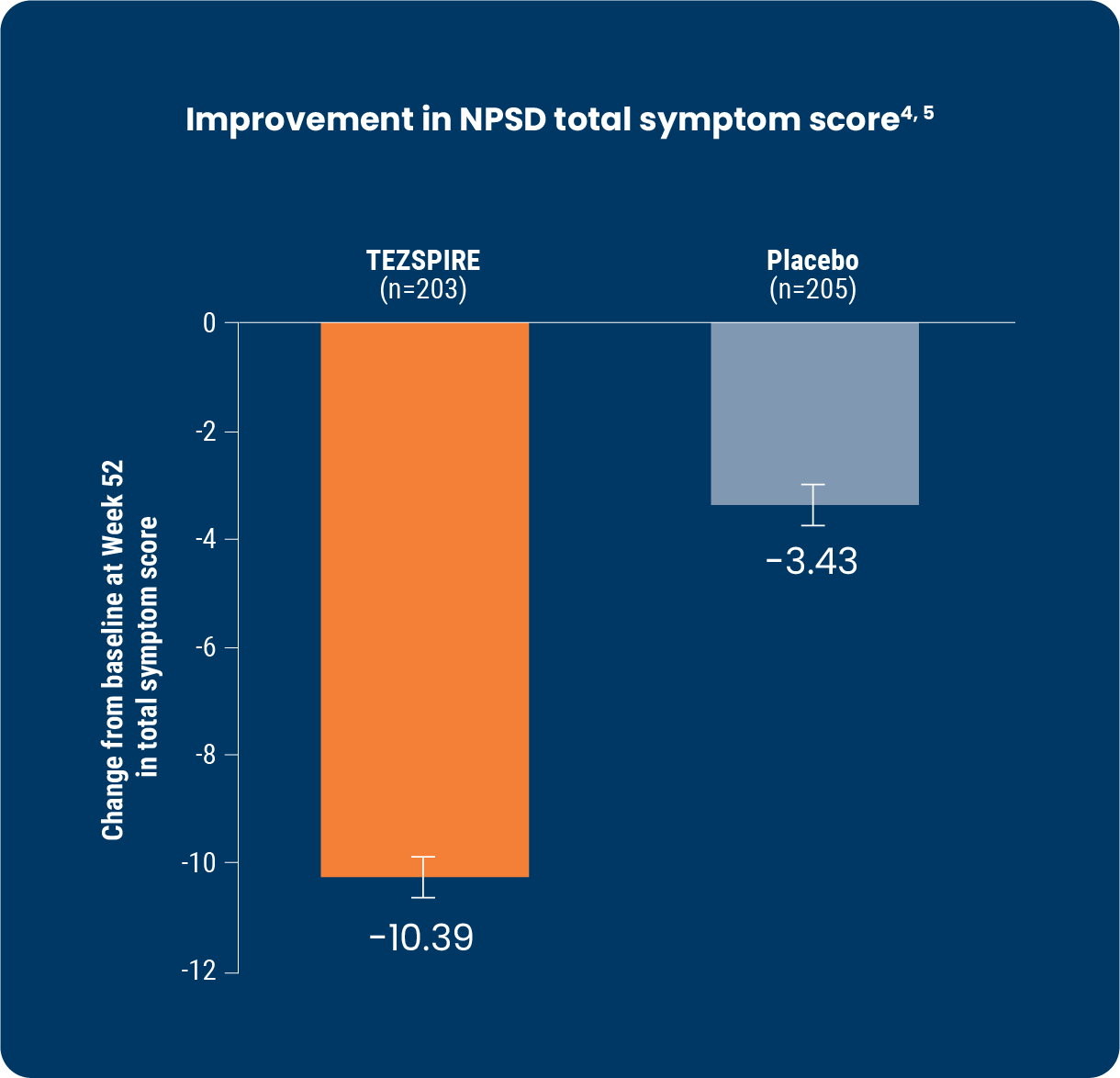
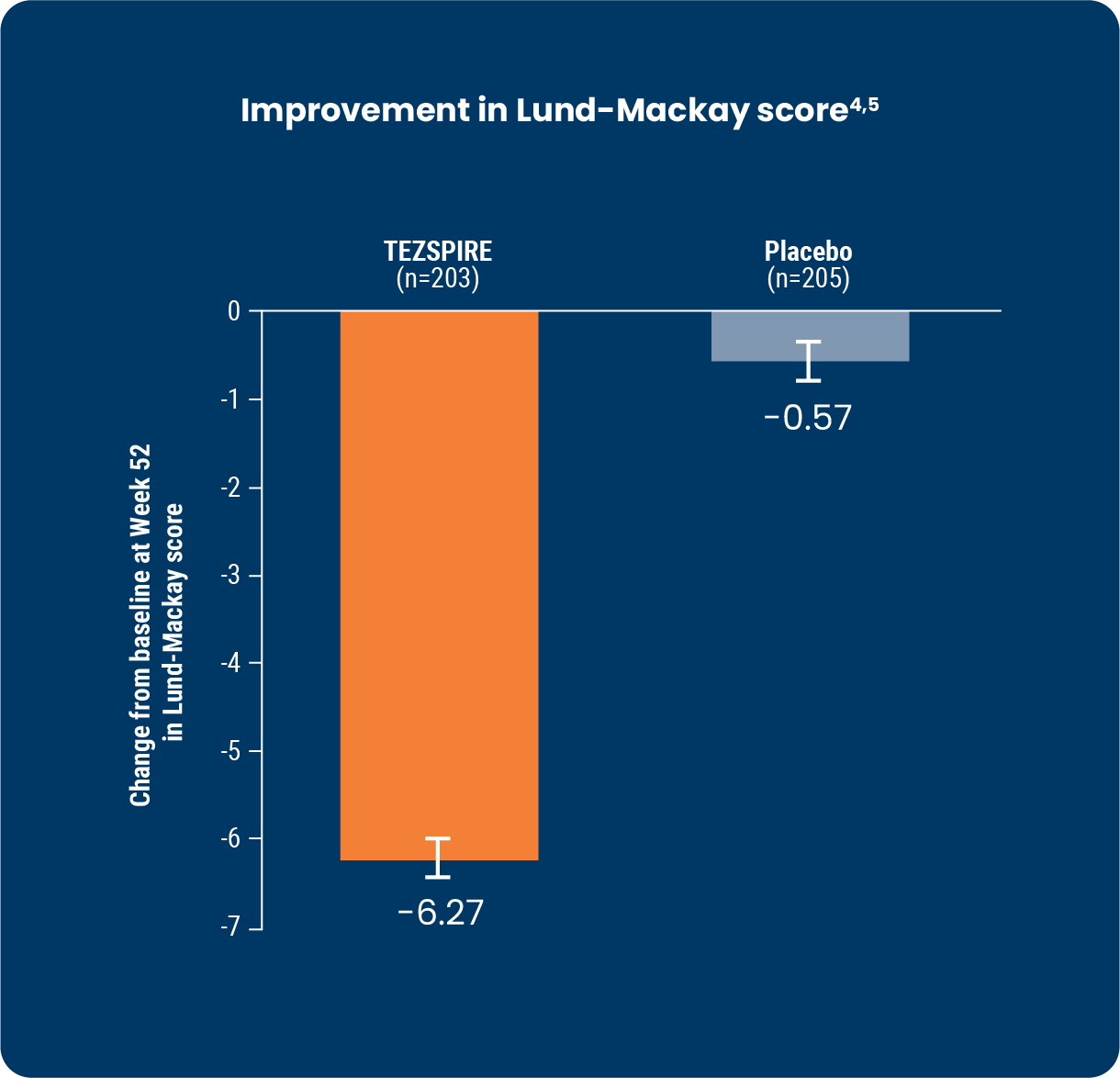
Patients with uncontrolled CRSwNP have a significant burden of symptoms such as:6
- Nasal congestion
- Rhinorrhoea/post-nasal drip
- Facial pain/pressure
- Impaired sense of smell
- Sleep disturbance and/or fatigue
Uncontrolled CRSwNP has a considerable impact on health-related quality of life and patients report that symptoms have a major impact on daily activities.12,13
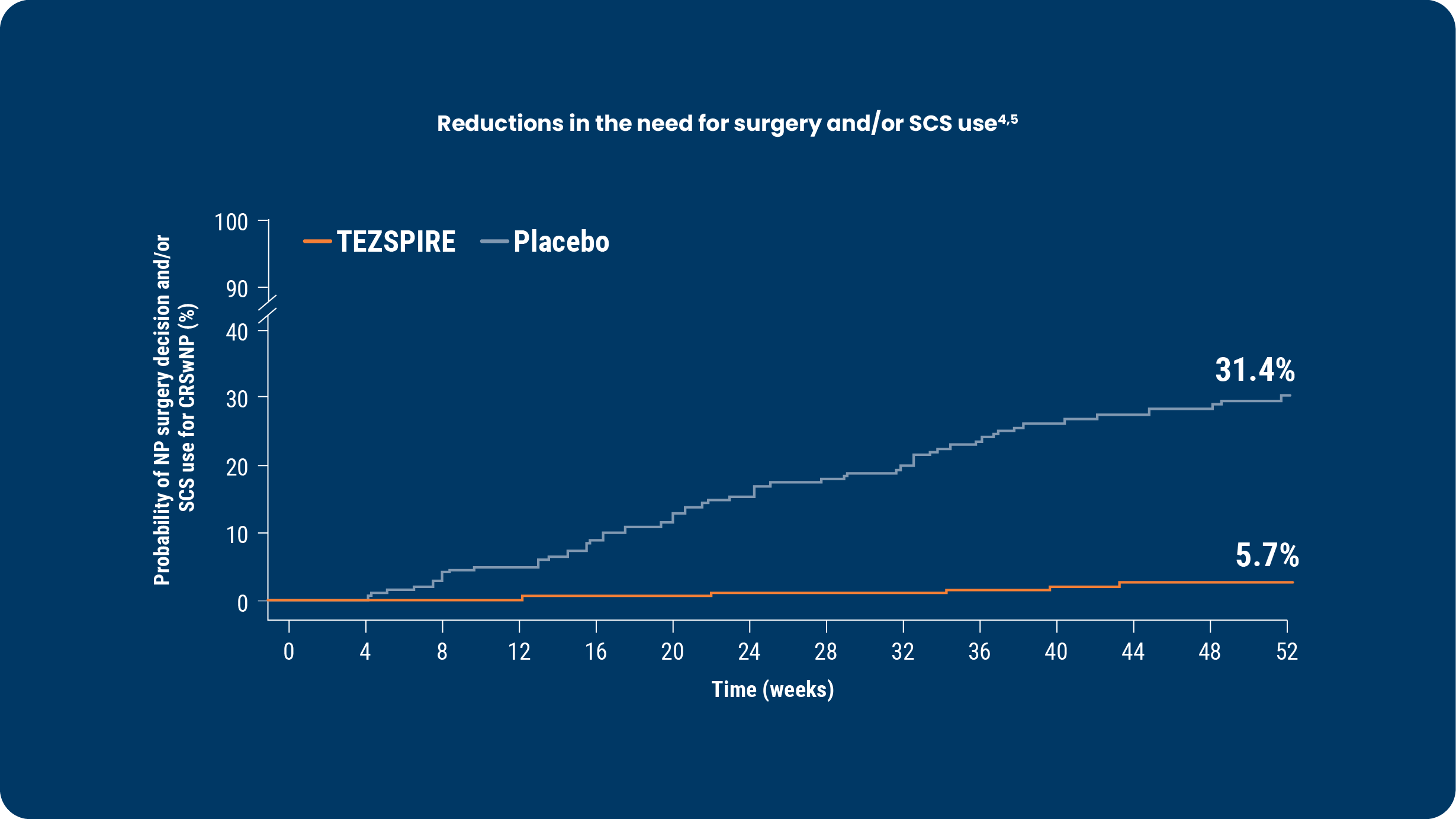
Corticosteroid burden is high in patients with severe CRSwNP, particularly in patients with comorbid asthma, and even short courses of SCS have been found to increase the incidence of AEs.10
- 53% of patients with moderate-to-severe asthma receive inhaled nasal corticosteroids14
- 12% of patients with moderate-to-severe asthma receive oral corticosteroids14
Rates of steroid use are higher in patients who have undergone surgery for nasal polyps than the general population of patients with moderate-severe CRSwNP.14 Approximately half of patients with CRSwNP have undergone nasal surgery.15
Nasal polyp surgery is not always a long-term solution to CRSwNP. Over a 10-year period, a retrospective database analysis showed that more than 85% of patients with CRSwNP required revision surgery. In patients with comorbid asthma, the median time to revision surgery was 7 years compared with non-comorbid patients, in whom the median time was 9 years.16
CRSwNP has a substantial economic burden due to increased healthcare resource utilisation. Chronic rhinosinusitis is estimated to cost the UK healthcare system £16.8 billion per year, and on average, a patient with chronic rhinosinusitis misses 19 days of work per year.17