This is a promotional website developed by AstraZeneca and intended for UK Healthcare Professionals only. Other UK residents please visit astrazeneca.co.uk.


 

Efficacy: CAPItello-291 trial overview

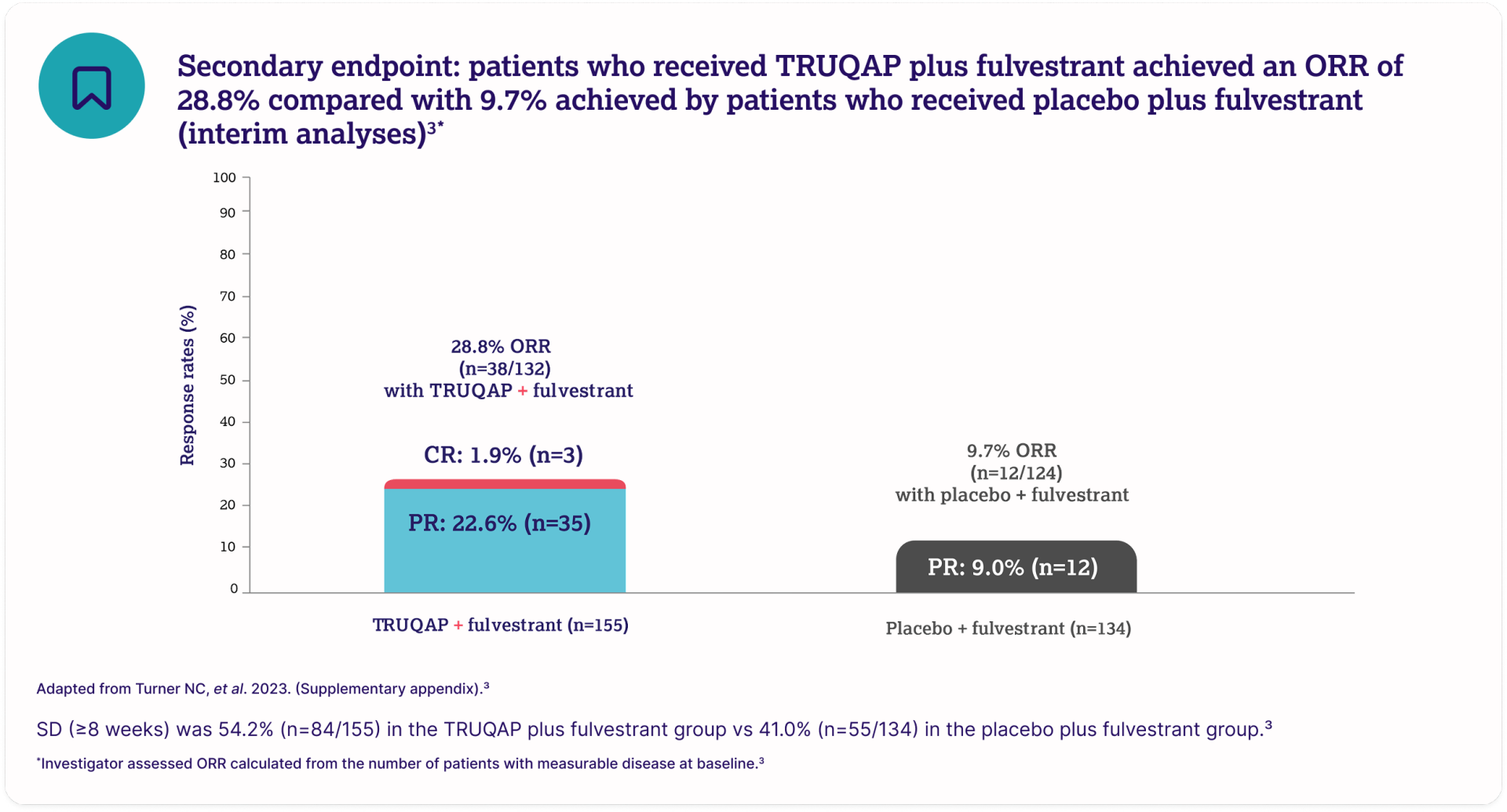
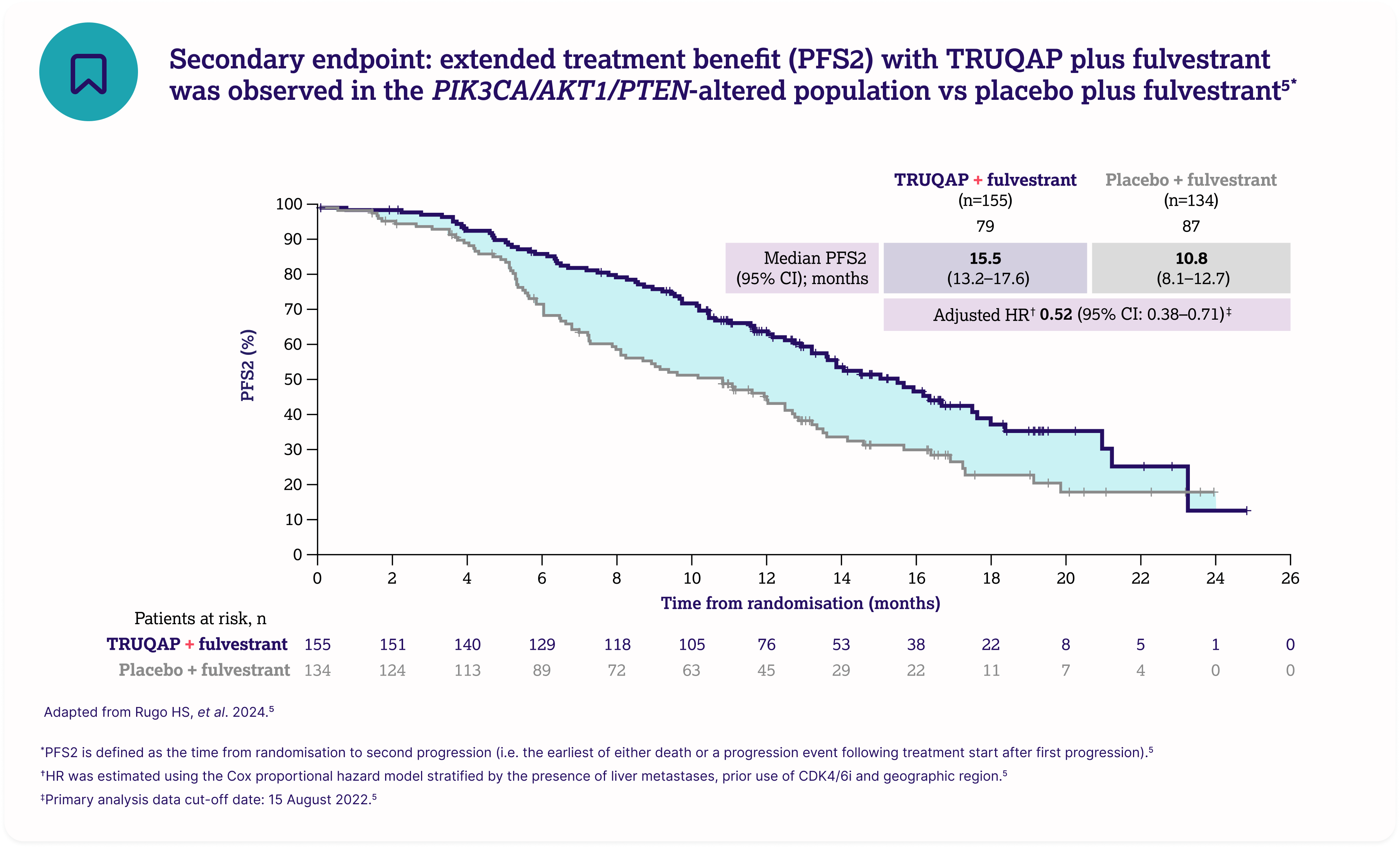
Give your eligible patients the possibility of longer progression-free survival by treating with TRUQAP (capivasertib) plus fulvestrant vs placebo plus fulvestrant.1,2

Information on the safety profile of TRUQAP plus fulvestrant can be found here.
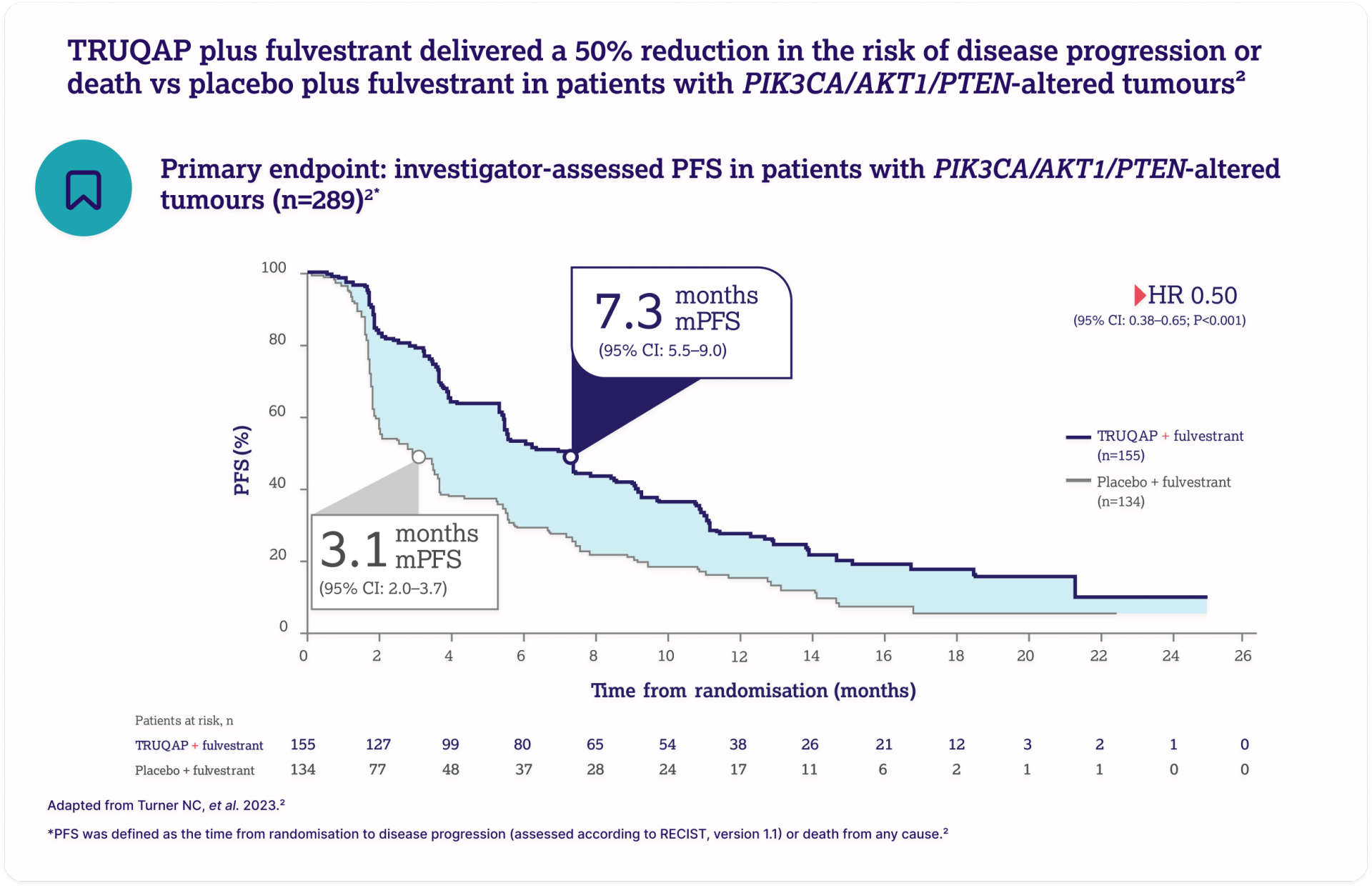
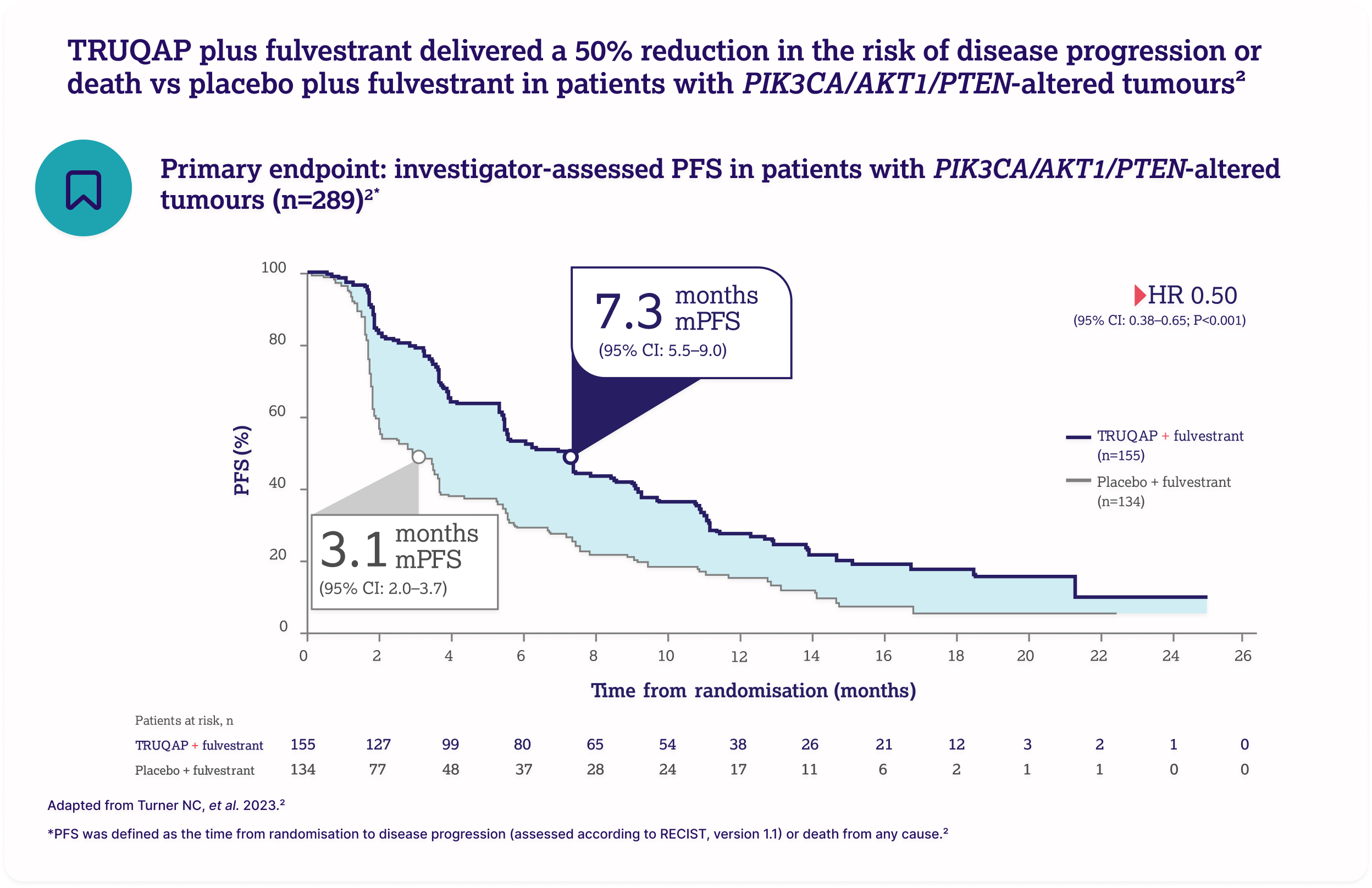
The CAPItello-291 clinical trial showed a statistically significant improvement in mPFS for patients with PIK3CA/AKT1/PTEN-altered tumours who received TRUQAP plus fulvestrant (n=155) vs placebo plus fulvestrant (n=134): 7.3 months vs 3.1 months, respectively (HR 0.50; 95% CI: 0.38–0.65;
P<0.001 [dual primary endpoint]).2
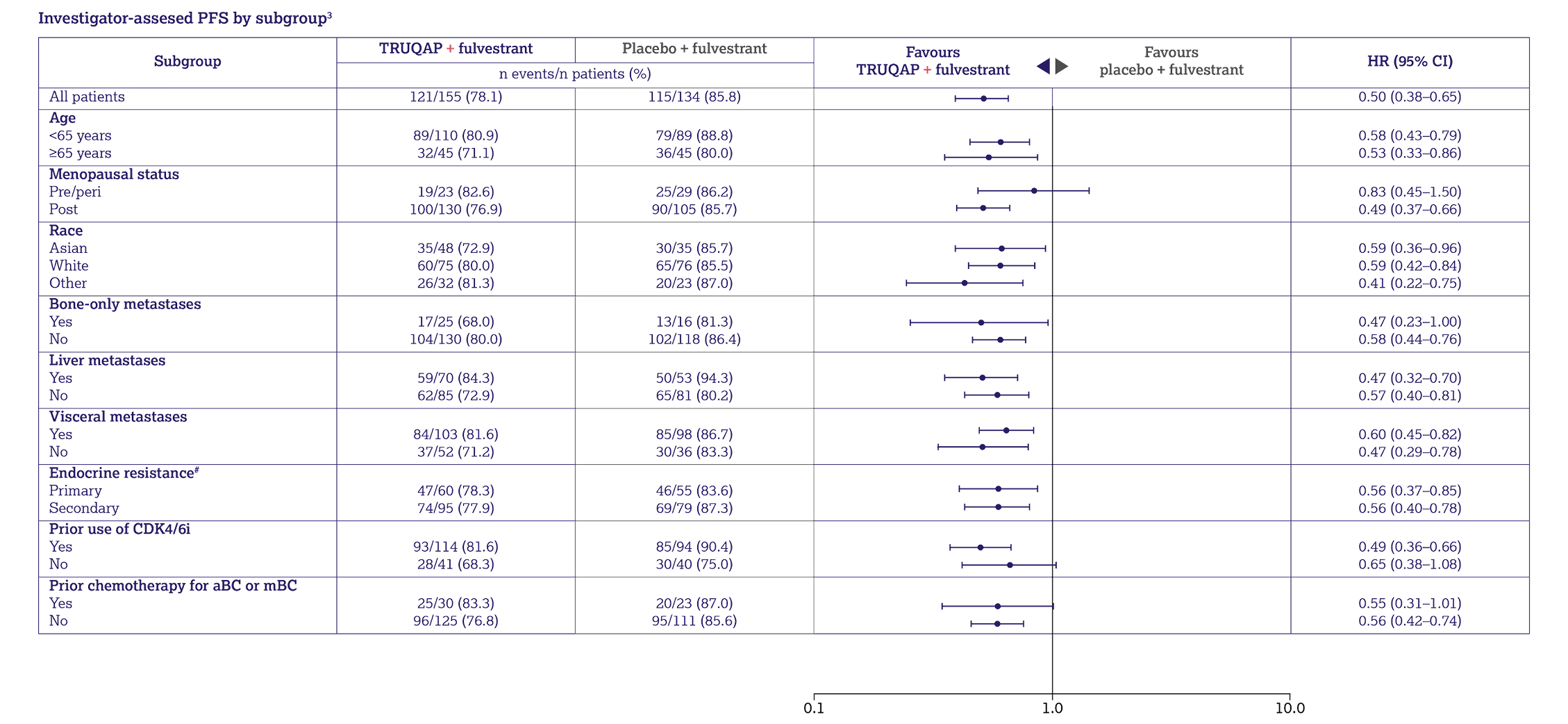
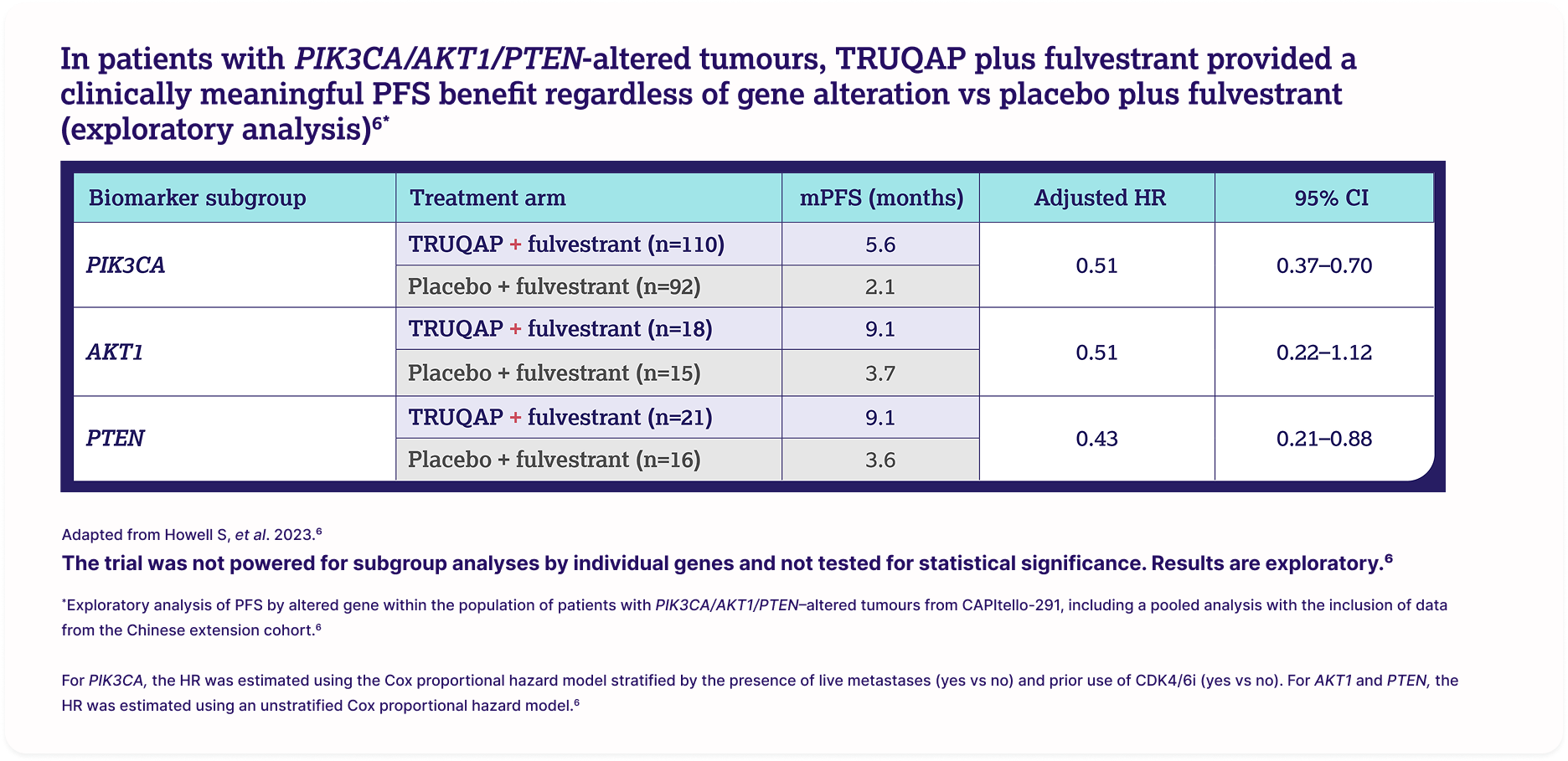
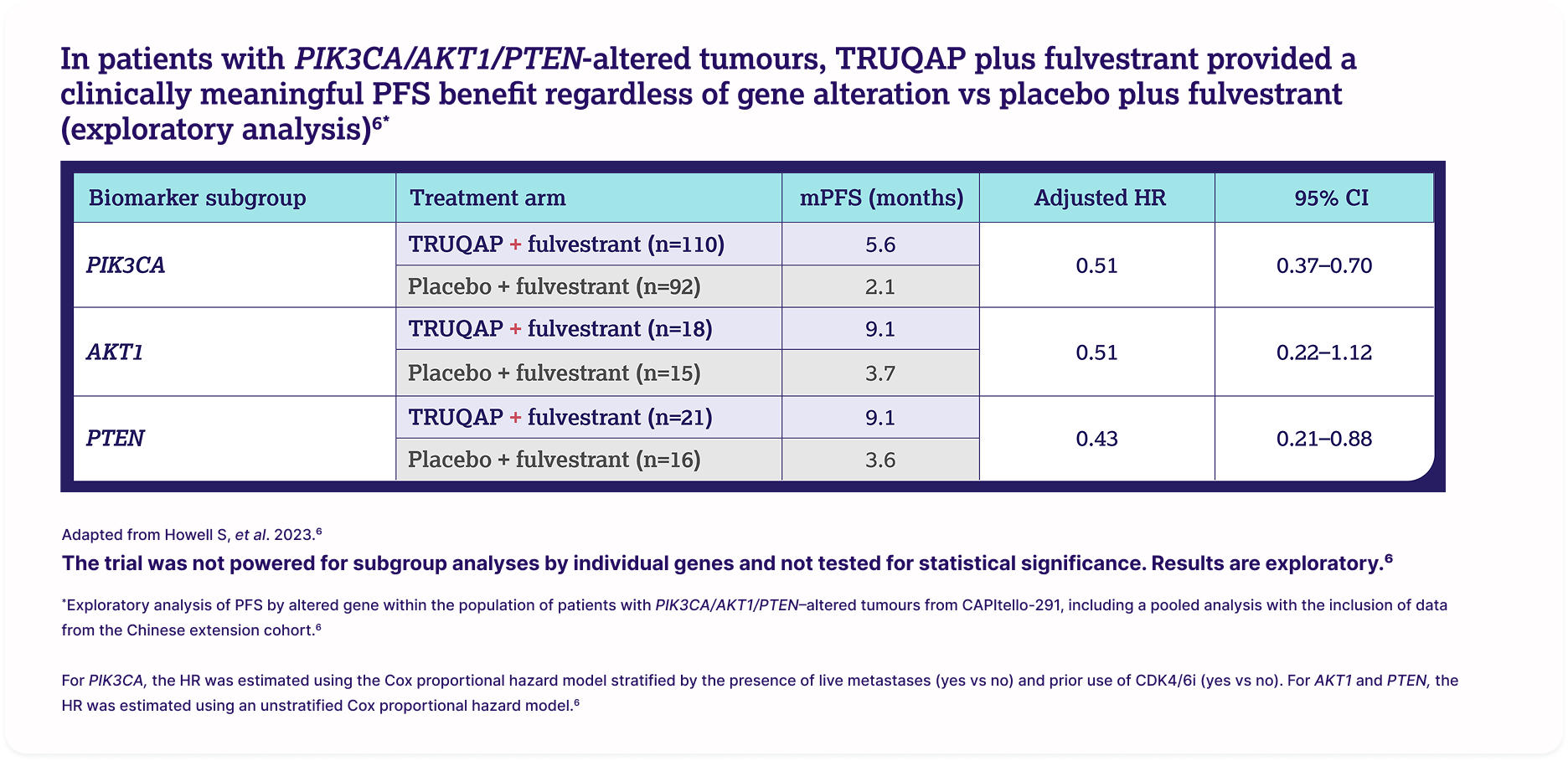
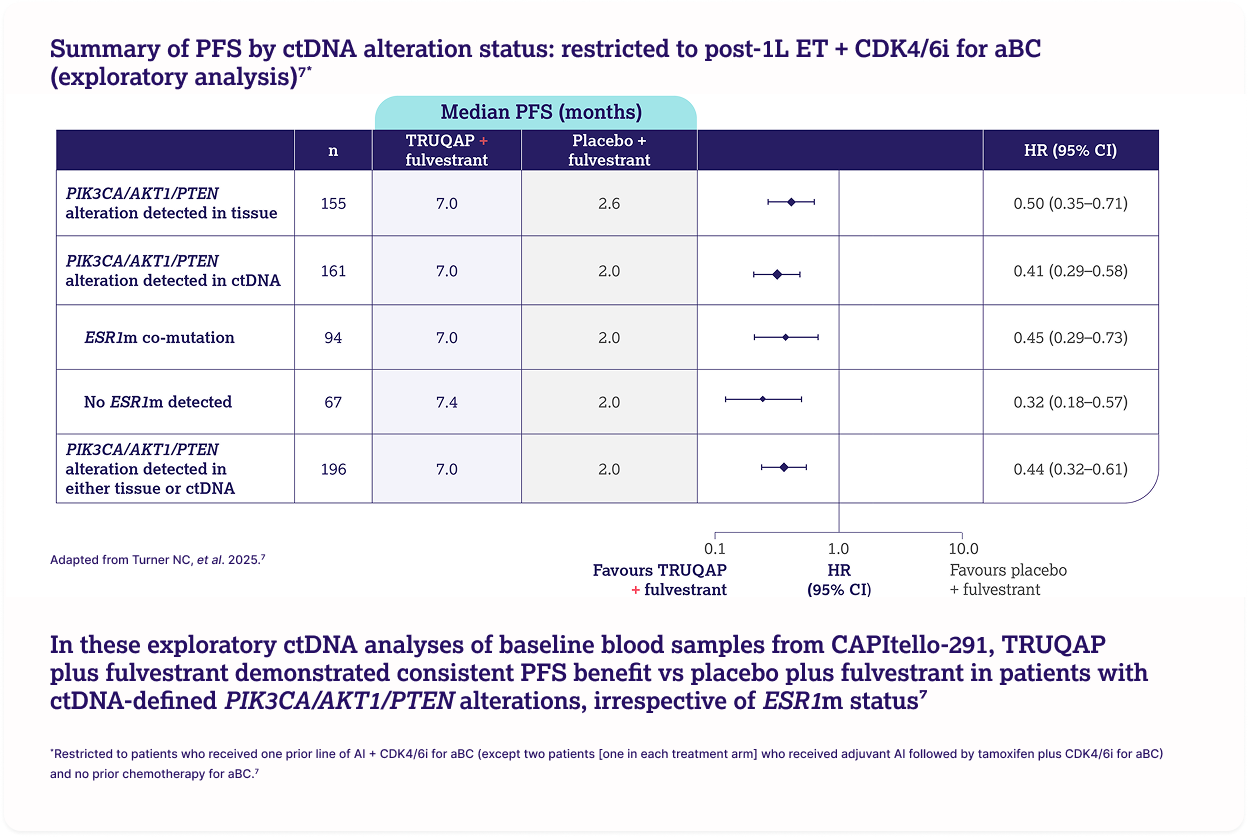
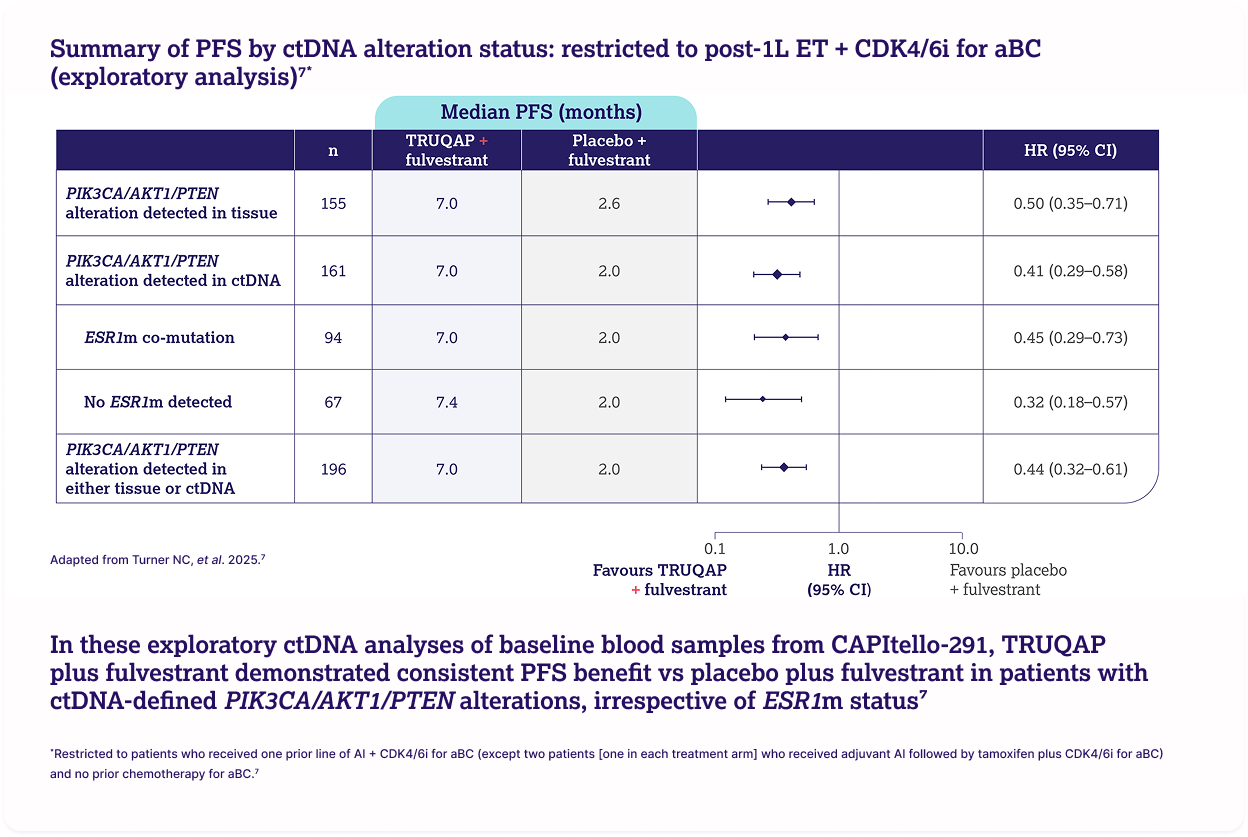
TRUQAP plus fulvestrant demonstrated consistent PFS benefit across subgroups vs placebo plus fulvestrant in patients with PIK3CA/AKT1/PTEN-altered tumours (exploratory analysis)3

The study was not powered to show statistical significance across subgroups.3

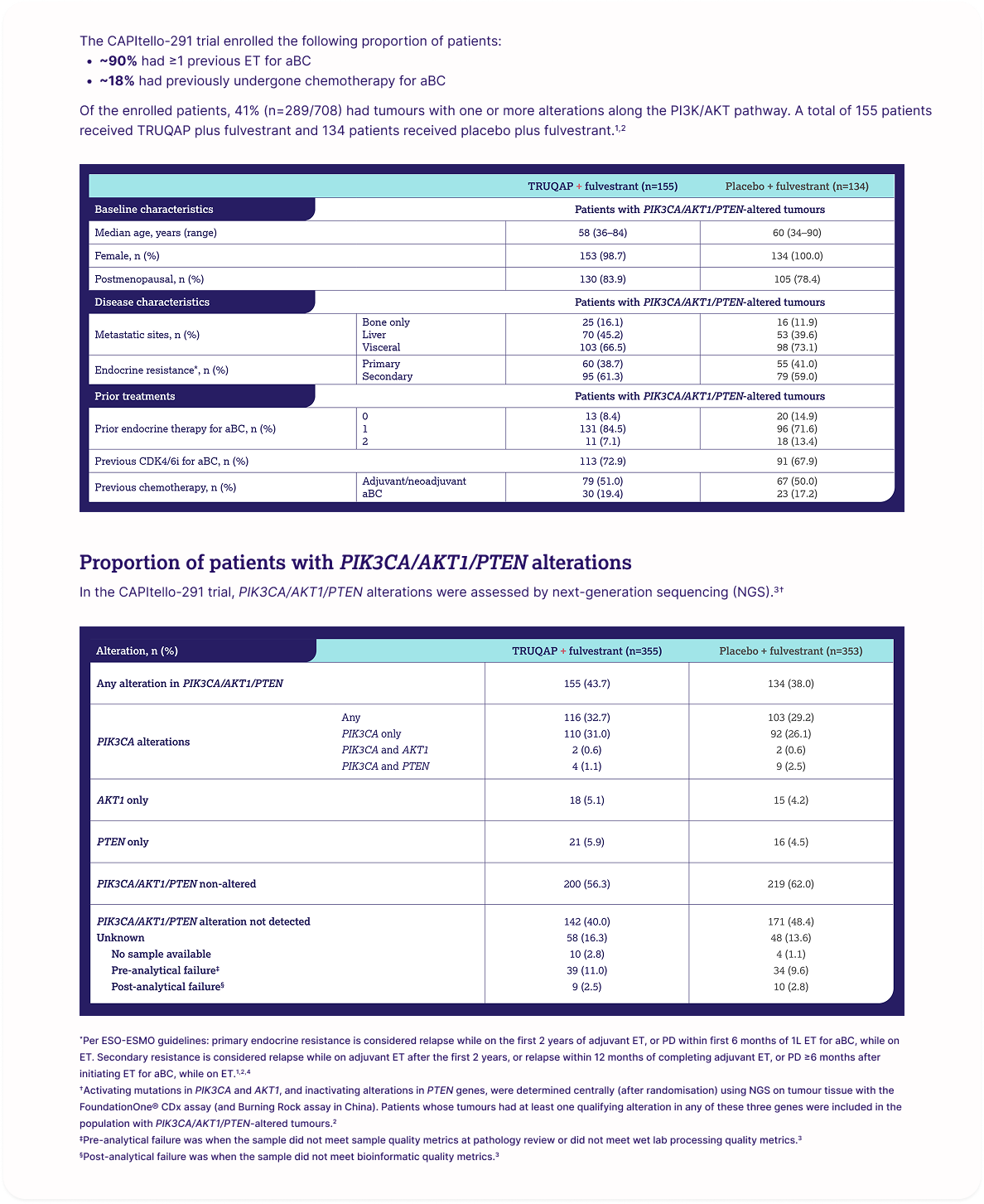
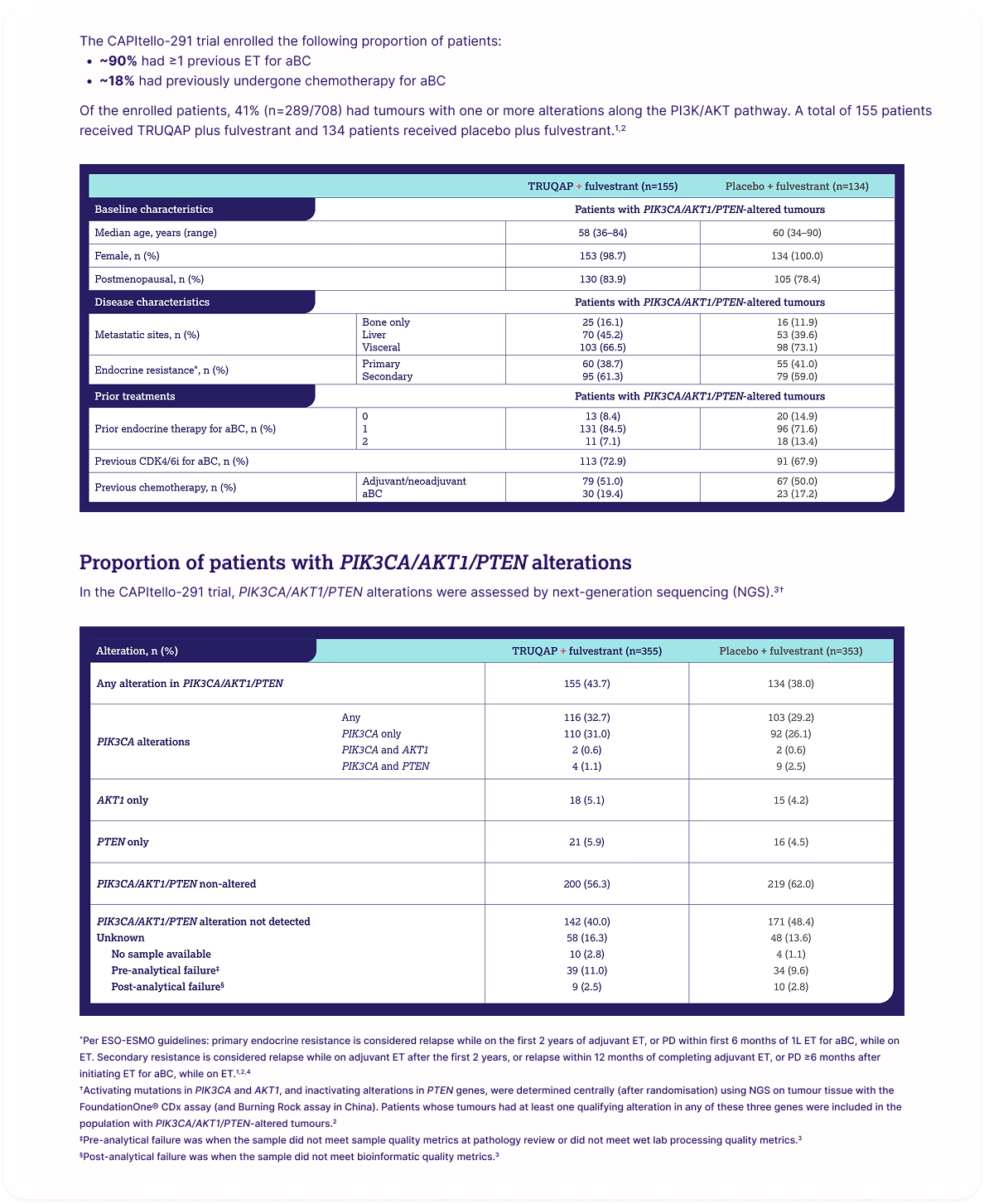
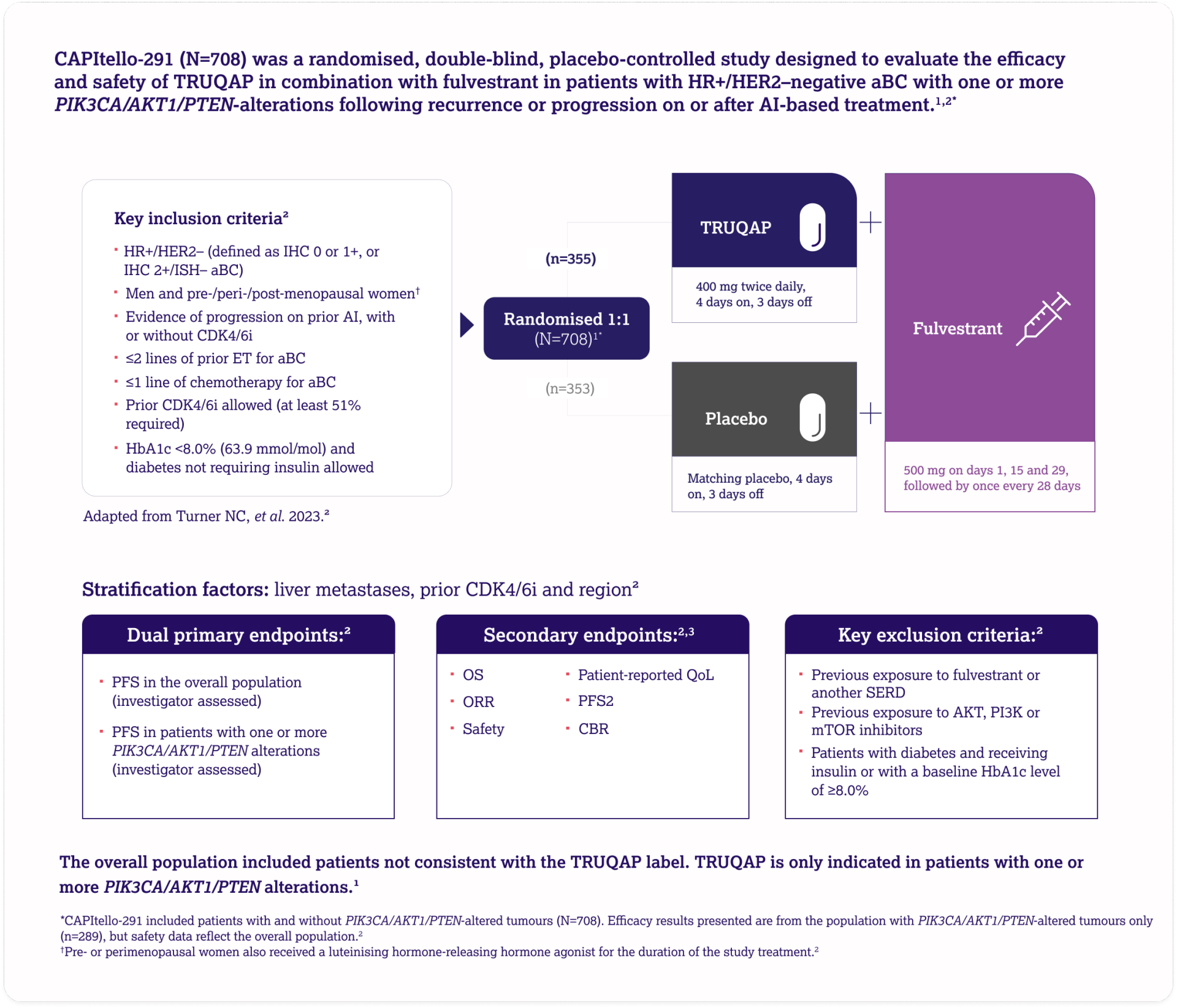
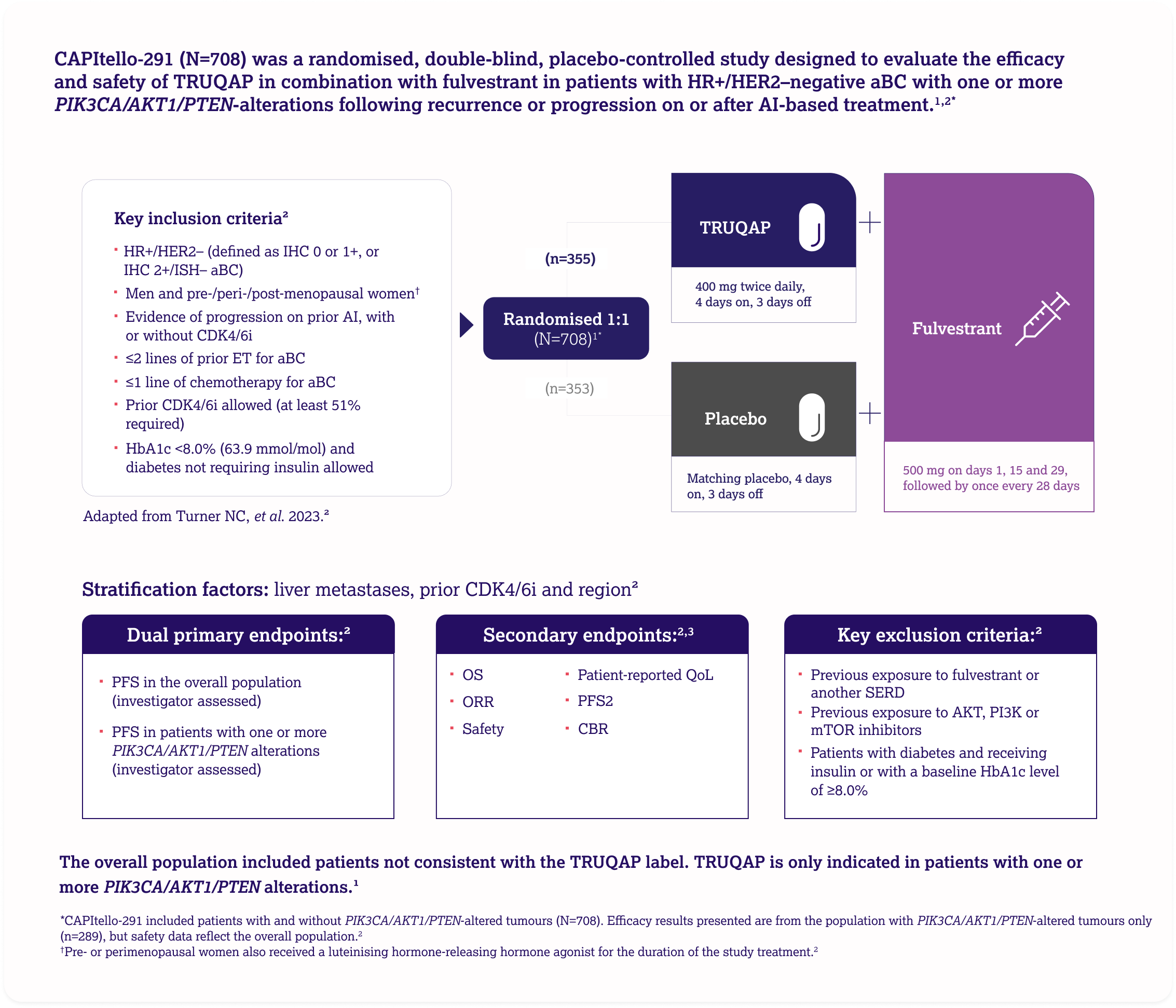
A diagram showing the key inclusion criteria and trial structure of the CAPItello-291 trial A diagram showing the key inclusion criteria and trial structure of the CAPItello-291 trial

*Per ESO-ESMO guidelines: primary endocrine resistance is considered relapse while on the first 2 years of adjuvant ET, or PD within first 6 months of 1L ET for aBC, while on ET. Secondary resistance is considered relapse while on adjuvant ET after the first 2 years, or relapse within 12 months of completing adjuvant ET, or PD ≥6 months after initiating ET for aBC, while on ET.1,2,4
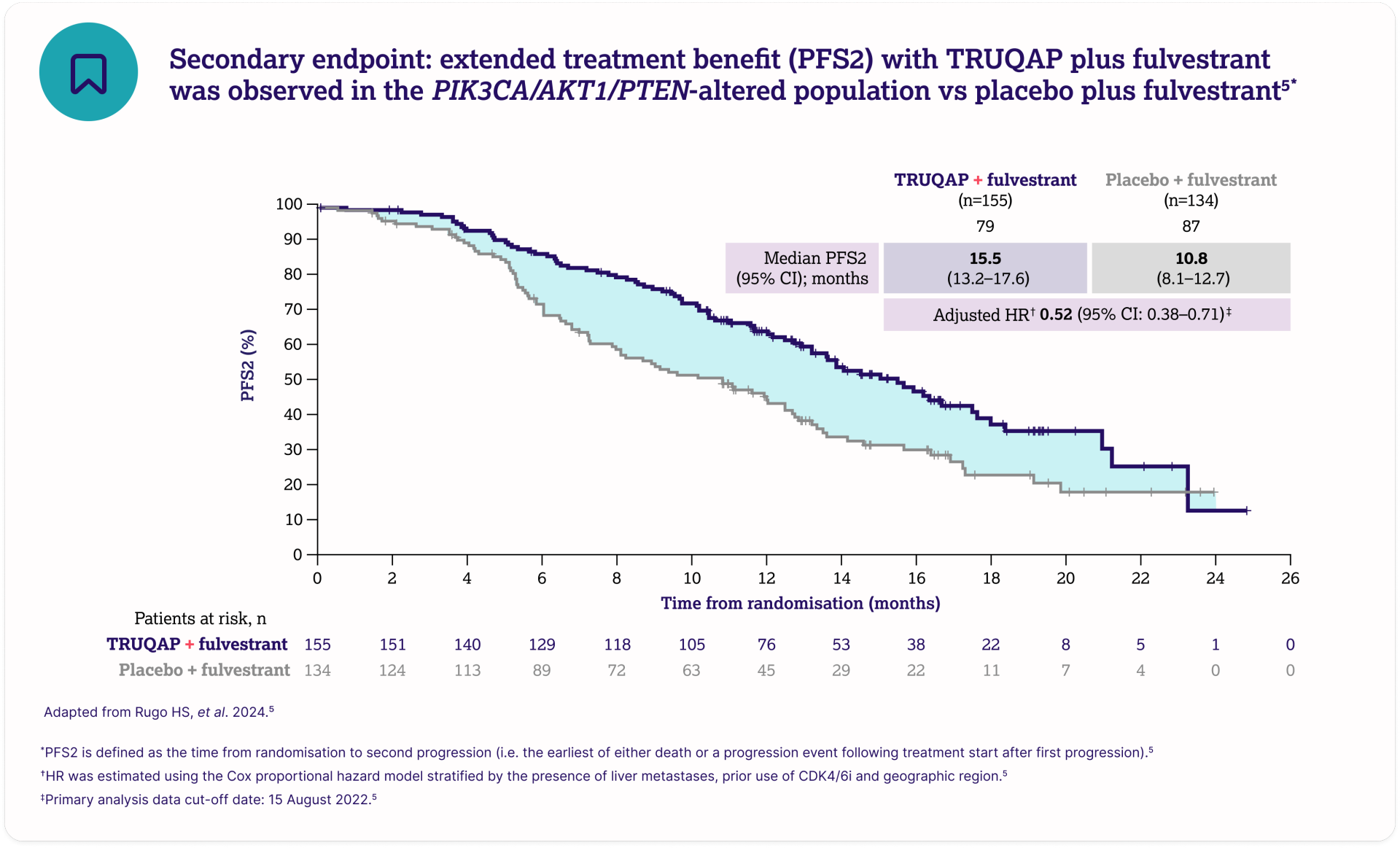
 

A diagram showing the key inclusion criteria and trial structure of the CAPItello-291 trial A diagram showing the key inclusion criteria and trial structure of the CAPItello-291 trial

Resources for you and your patients

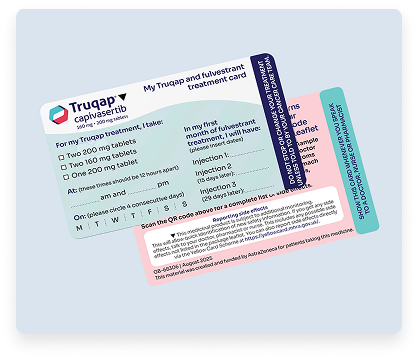
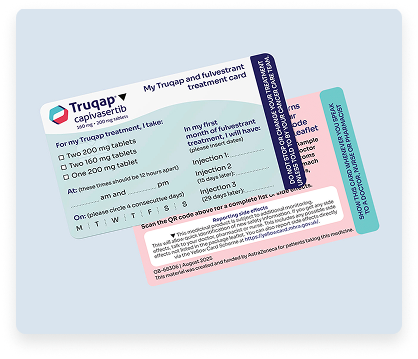
Our comprehensive resources are designed to support you in prescribing TRUQAP plus fulvestrant. We have also created dedicated patient materials to help reassure your patients throughout the treatment journey.


Diagram showing the mechanism of action of Truqap plus fulvestrant Diagram showing the mechanism of action of Truqap plus fulvestrant

1L=first-line; aBC=advanced breast cancer; AI=aromatase inhibitor; AKT=serine/threonine protein kinase; AKT1=serine/threonine protein kinase 1; CBR=clinical benefit rate; CDK4/6i=cyclin-dependent kinase 4/6 inhibitor; CDx=companion diagnostics; CI=confidence interval; CR=complete response; ctDNA=circulating tumour DNA; ESMO=European Society of Medical Oncology; ESO=European School of Oncology; ESR1(m)=oestrogen receptor 1 (mutation); ET=endocrine therapy; HbA1c=glycated haemoglobin; HER2=human epidermal growth factor receptor 2; HR=hazard ratio; HR+=hormone receptor positive; IHC=immunohistochemistry; ISH=in situ hybridisation; mBC=metastatic breast cancer; mPFS=median progression-free survival; mTOR=mammalian target of rapamycin; NGS=next-generation sequencing; ORR=objective response rate; OS=overall survival; PD=progressive disease; PFS(2)=progression-free survival (2); PI3K=phosphatidylinositol-3 kinase; PIK3CA=phosphatidylinositol-4,5-bisphosphate 3-kinase catalytic subunit alpha; PR=partial response; PTEN=phosphatase and tensin homologue; QoL=quality of life; RECIST=Response Evaluation Criteria in Solid Tumours; SD=stable disease; SERD=selective oestrogen receptor degrader.

  1. TRUQAP (capivasertib) 160 mg and 200 mg. Summary of Product Characteristics.
  2. Turner NC, et al. N Engl J Med. 2023;388(22):2058–2070.
  3. Turner NC, et al. N Engl J Med. 2023;388(22):2058–2070. Supplementary appendix.
  4. Cardoso F, et al. Ann Oncol. 2020;31(12):1623–1649.
  5. Rugo HS, et al. Presented at: ESMO Breast Cancer 2024 Annual Congress. 15–17 May 2024; Berlin, Germany.
  6. Howell S, et al. Presented at: San Antonio Breast Cancer Symposium. 5–9 December 2023; San Antonio, TX, USA. PS17-03.
  7. Turner NC, et al. Presented at: San Antonio Breast Cancer Symposium. 9–12 December 2025; San Antonio, TX, USA. Oral presentation GS3-10.

GB-68390 | May 2026

Adverse events should be reported. Reporting forms and information can be found at www.mhra.gov.uk/yellowcard or search for MHRA Yellow Card in the Google Play or Apple App Store. Adverse events should also be reported to AstraZeneca by visiting https://contactazmedical.astrazeneca.com/ or by calling ‌‌‌0‌‌‌8‌‌‌‌‌0‌‌‌‌0‌‌‌ ‌‌7‌‌‌‌‌‌8‌‌‌3‌‌‌ ‌‌0‌‌‌‌‌0‌‌‌‌3‌‌‌‌3‌‌‌.