Welcome to this UK AstraZeneca produced and funded website

This website is intended for UK Healthcare Professionals only.


The website contains both promotional and non-promotional content.


If you are a patient or a carer of a patient prescribed an AstraZeneca product, please visit myazmed.co.uk


For any other UK residents please visit astrazeneca.co.uk

I am not a Healthcare Professional
IMFINZI (durvalumab) UK Prescribing Information
IMJUDO (tremelimumab) ▼ UK Prescribing Information
Adverse Event Reporting

This website is intended for UK Healthcare professionals only. Other UK residents please visit astrazeneca.co.uk

AstraZeneca-logo
  • Our Medicines
    • Cardiovascular, Renal & Metabolism
      • ATTR Amyloidosis
        • WAINZUA®▼(eplontersen)
      • Chronic Kidney Disease (CKD)
        • FORXIGA® (dapagliflozin)
      • Heart Failure
        • FORXIGA® (dapagliflozin)
      • Hyperkalaemia
        • LOKELMA® (sodium zirconium cyclosilicate)
      • Type 2 Diabetes (T2D)
        • FORXIGA® (dapagliflozin)
    • Oncology
      • Breast Cancer
        • LYNPARZA® (olaparib)
        • TRUQAP®▼(capivasertib)
      • Bladder Cancer
        • IMFINZI® (durvalumab)
      • Endometrial Cancer
        • IMFINZI® (durvalumab)
        • LYNPARZA® (olaparib)
      • Gastrointestinal Cancer
        • IMFINZI® (durvalumab)
        • IMJUDO®▼(tremelimumab)
      • Lung Cancer
        • IMFINZI® (durvalumab)
        • TAGRISSO® (osimertinib)
      • Ovarian Cancer
        • LYNPARZA® (olaparib)
      • Prostate Cancer
        • LYNPARZA® (olaparib)
        • ZOLADEX® (goserelin)
    • Respiratory
      • Asthma
        • TEZSPIRE®▼ (tezepelumab)
        • SYMBICORT® (budesonide/formoterol)
      • Chronic Obstructive Pulmonary Disease(COPD)
        • TRIXEO AEROSPHERE® (formoterol fumarate dihydrate/glycopyrronium/budesonide)
        • BEVESPI® (glycopyrronium/formoterol fumarate dihydrate)
    • Vaccines
      • Flu
        • FLUENZ® nasal spray suspension (influenza vaccine, live attenuated, nasal)
  • Therapy Areas
    • Cardiovascular, Renal & Metabolism
      • ATTR Amyloidosis
      • Chronic Kidney Disease (CKD)
      • Heart Failure
      • Hyperkalaemia
      • Type 2 Diabetes (T2D)
    • Oncology
      • Breast Cancer
      • Bladder Cancer
      • Endometrial Cancer
      • Gastrointestinal Cancer
      • Lung Cancer
      • Ovarian Cancer
      • Prostate Cancer
    • Respiratory
      • Asthma
      • Chronic Obstructive Pulmonary Disease(COPD)
    • Vaccines
      • Flu
  • About us
    • AZ Commitment
  • Contact us
  • AstraZeneca UK
  • IMFINZI (durvalumab)
  • HIMALAYA clinical trial
  • Home
  • Biliary tract cancer
    • About biliary tract cancer
    • Mode of action
    • TOPAZ-1 clinical trial
    • Dosing & administration
    • Resources
  • Hepatocellular carcinoma
    • Why STRIDE?
    • About hepatocellular carcinoma
    • Mode of action
    • HIMALAYA clinical trial
    • Dosing & administration
    • Resources
  • Resources
    • Biliary tract cancer resources
    • Hepatocellular carcinoma resources
    • Gastrointestinal cancer resources
HIMALAYA clinical trial overview | HCC | AstraZeneca UK


HIMALAYA clinical trial: the STRIDE regimen* in uHCC

*STRIDE: Single Tremelimumab Regular Interval Durvalumab.1

Indication statement: IMFINZI in combination with tremelimumab is indicated for the first-line treatment of adults with advanced or unresectable hepatocellular carcinoma (HCC).5,6

  • HIMALAYA trial design
  • HIMALAYA trial baseline characteristics
  • HIMALAYA trial overall survival benefits of the STRIDE regimen vs sorafenib at 3 years
  • HIMALAYA trial secondary endpoints
  • HIMALAYA trial exploratory analyses – including overall survival benefits of the STRIDE regimen vs sorafenib at 6 years
  • HIMALAYA trial safety data

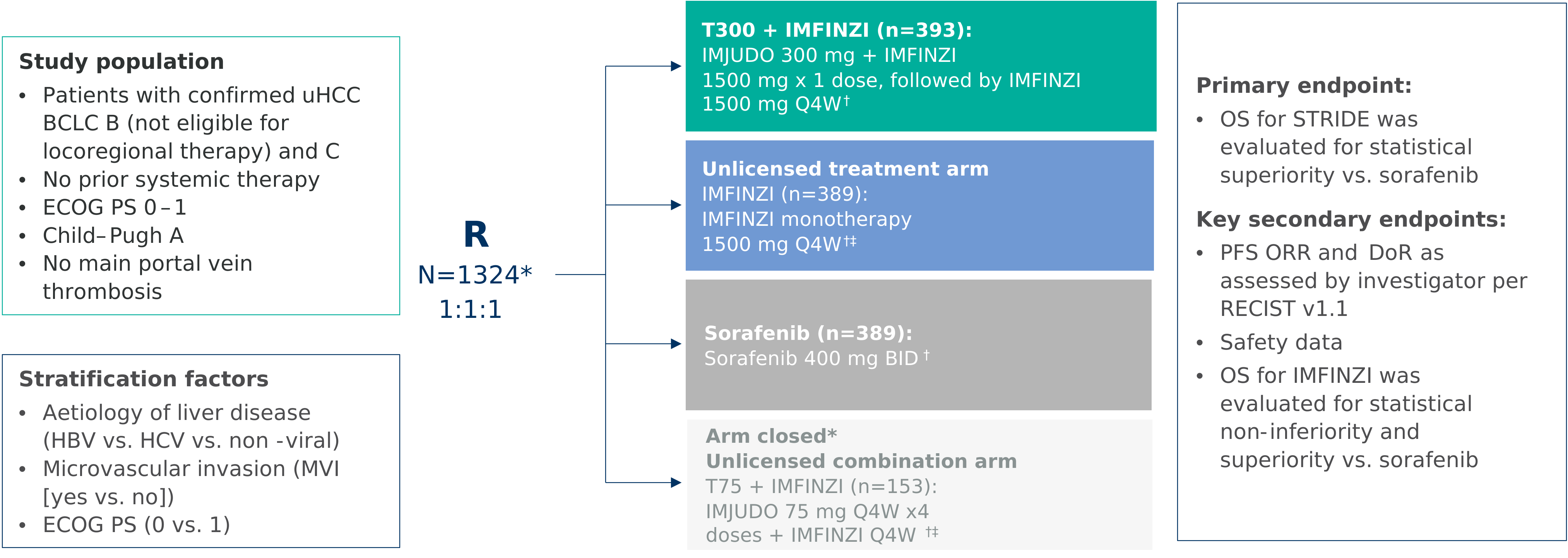
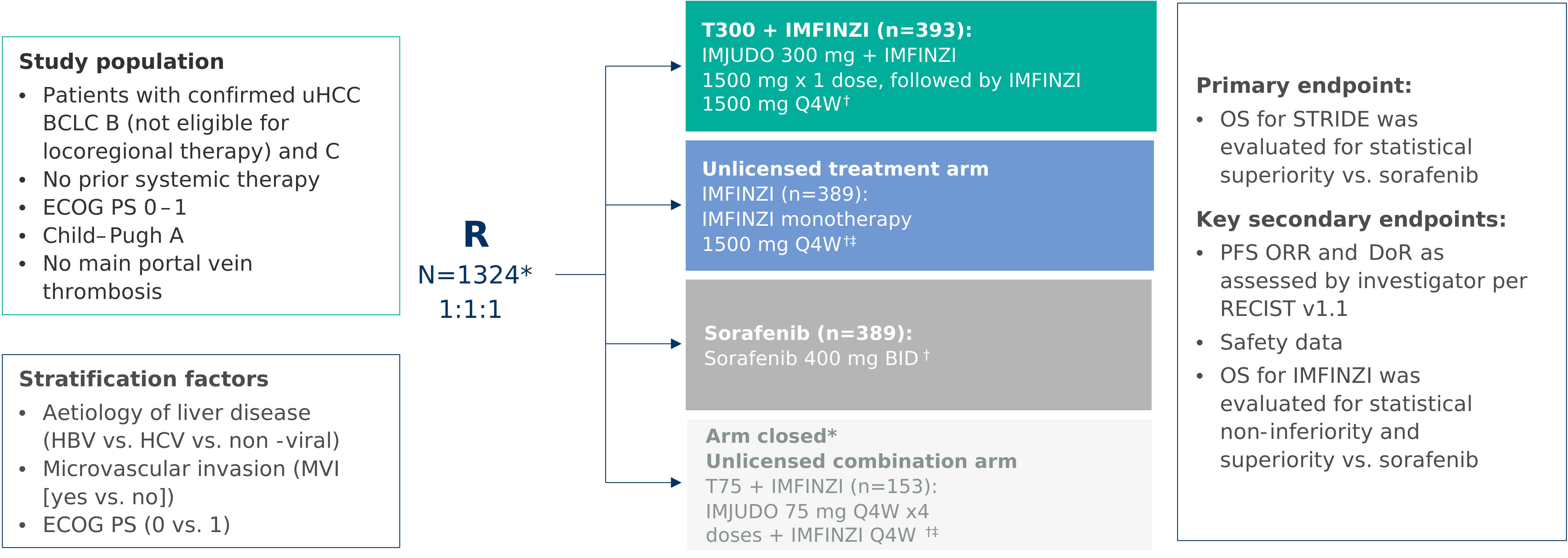
HIMALAYA is a randomised global, phase III trial designed to evaluate the STRIDE regimen (Single Tremelimumab Regular Interval Durvalumab) vs sorafenib in patients with advanced or unresectable HCC.1

Could STRIDE 3 and 6-year long-term overall survival (OS) data redefine your uHCC treatment options?1–3

HIMALAYA trial design

The STRIDE regimen is based on data from the HIMALAYA trial, designed to evaluate STRIDE as a first-line (1L) treatment for advanced or unresectable HCC. The HIMALAYA trial through exploratory analysis, offers the longest planned follow-up Phase III study in uHCC to date.1,2

Patients with oesophageal varices were included in the study, except those with active or prior documented gastrointestinal bleeding within 12 months before study entry.1

*Time from the first documentation of a response until date of progression, death or last evaluable RECIST v1.1 assessment.

*Total patient count is reflective of an additional arm of therapy: The T75 + IMFINZI arm (n=153) was closed following a pre-planned analysis of a Phase II study. Patients randomised to this arm could continue treatment following arm closure. Results from this arm are not reported in this material and this dosing regimen is not approved for use. Overall, 1171 randomised patients wereincluded in the final analysis3,4

†Treatment continued until disease progression. Patients with progressive disease who, in the investigator’s opinion, continued to benefit from treatment and met the criteria for treatment in the setting of progressive disease could continue treatment.

‡Not currently indicated for HCC on the licenses in the UK. 

Explore our full catalogue of videos and materials related to the STRIDE regimen

HIMALAYA trial baseline characteristics

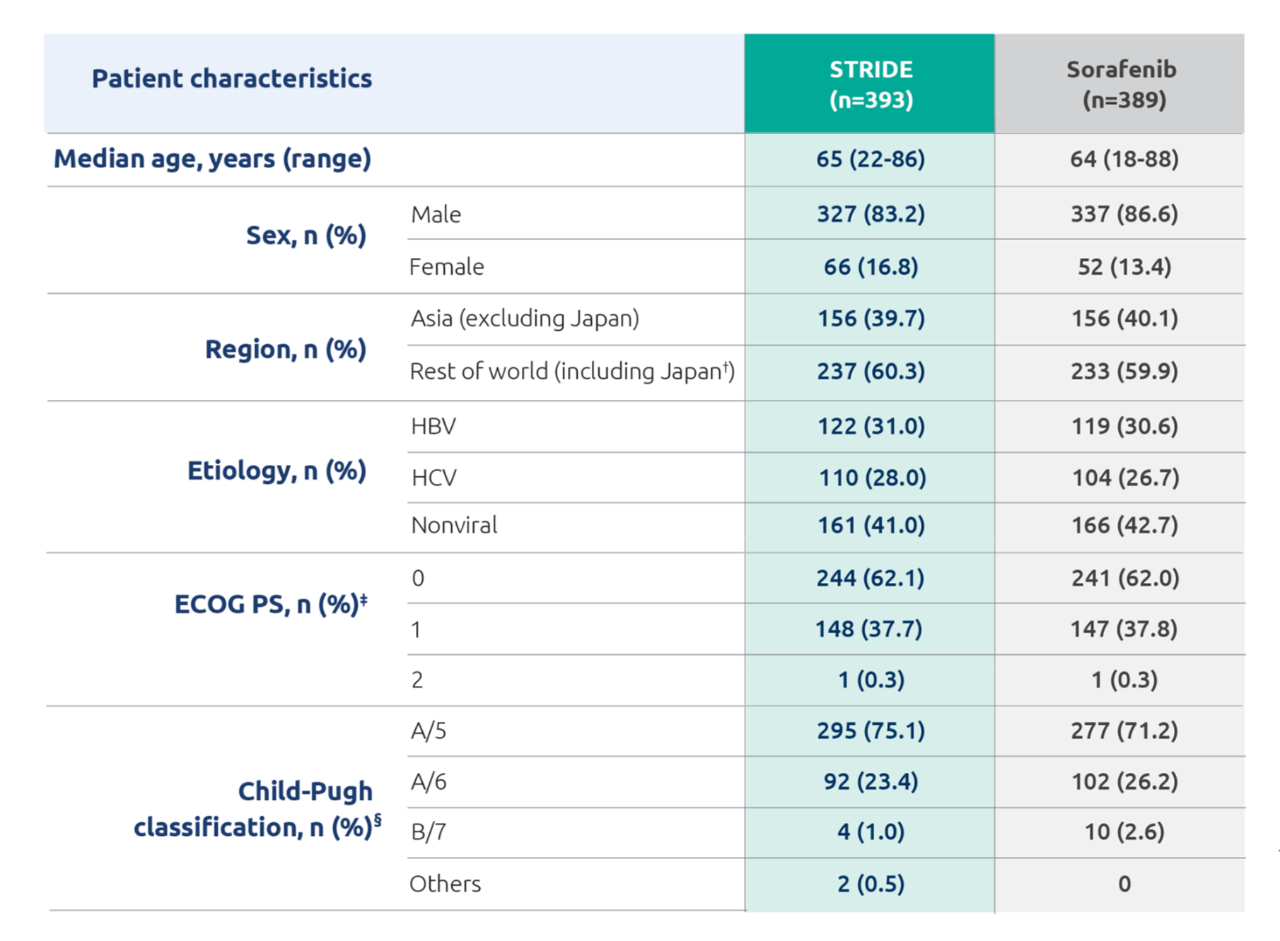
The HIMALAYA trial included a heterogeneous population representative of patients with HCC worldwide.1,7


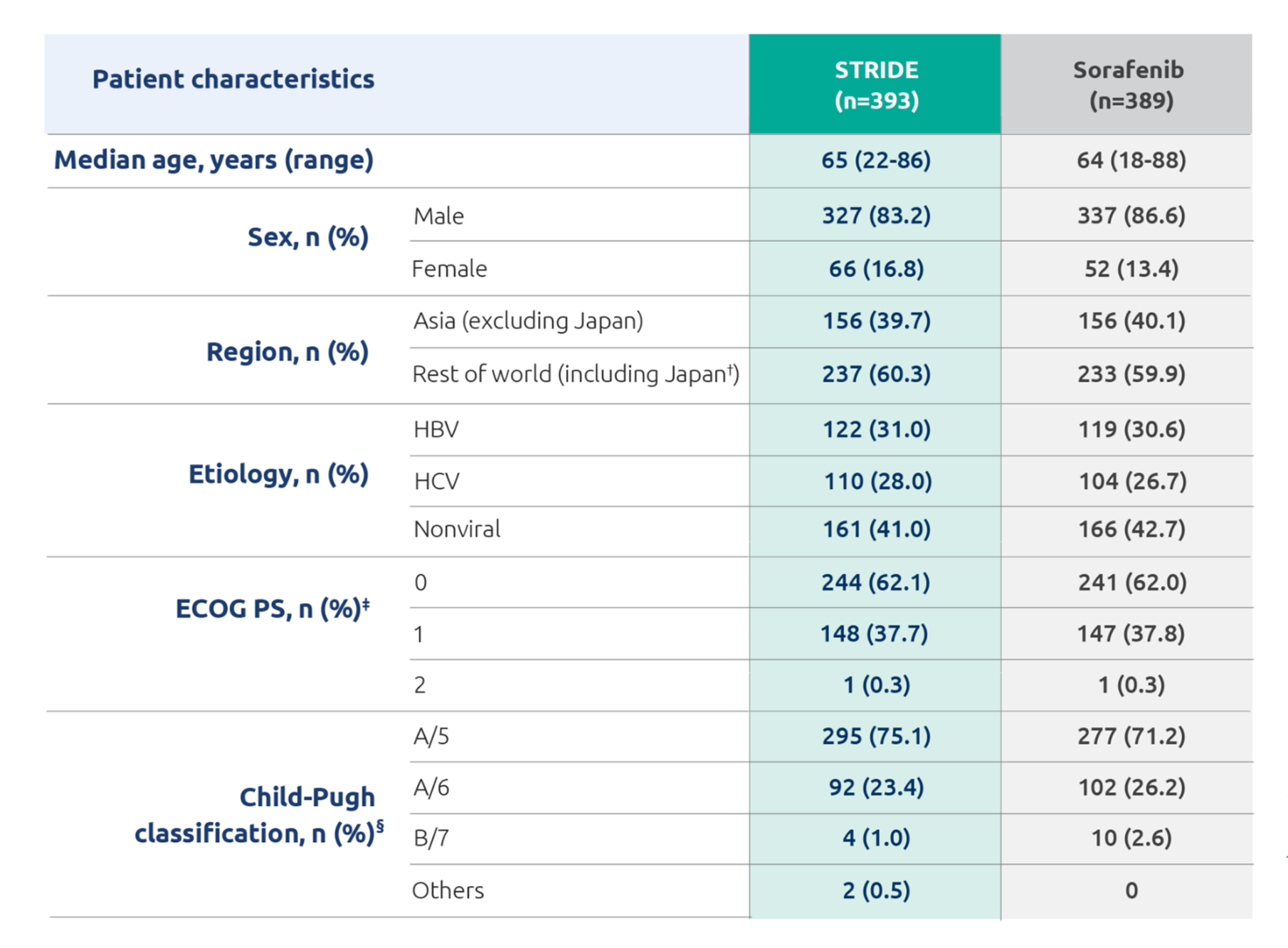
HIMALAYA trial demographic and clinical characteristics

Baseline demographics and clinical characteristics in the ITT population were generally well-balanced across treatment arms. Median age and sex distribution were comparable across treatment arms, with most patients being male and a similar distribution across Asia (excluding Japan) and other global regions.1

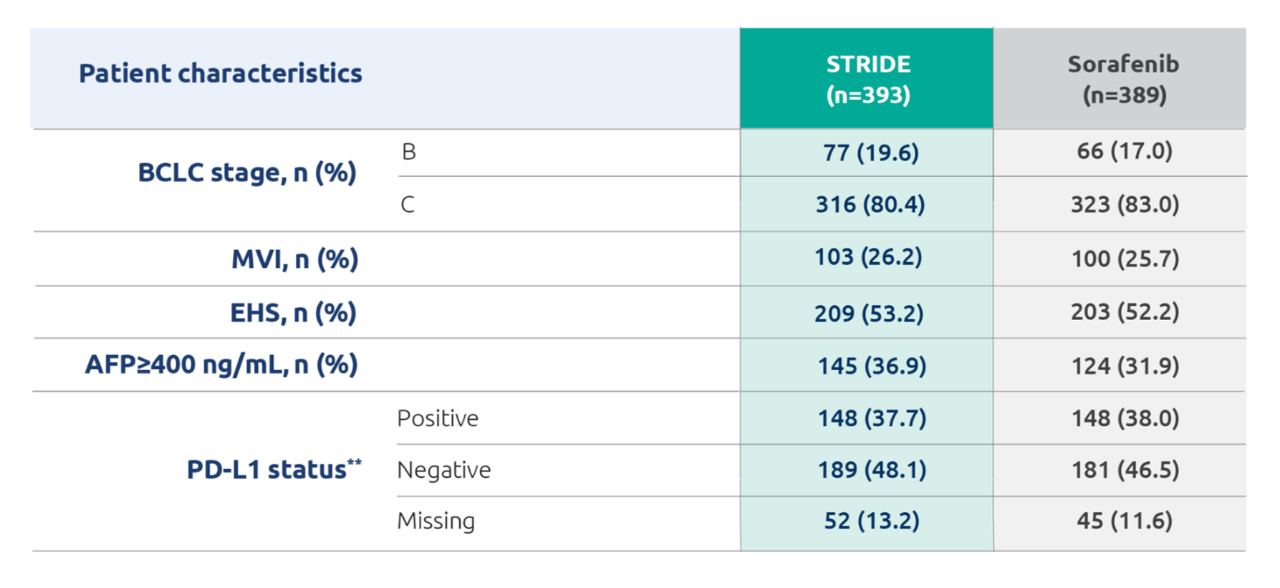
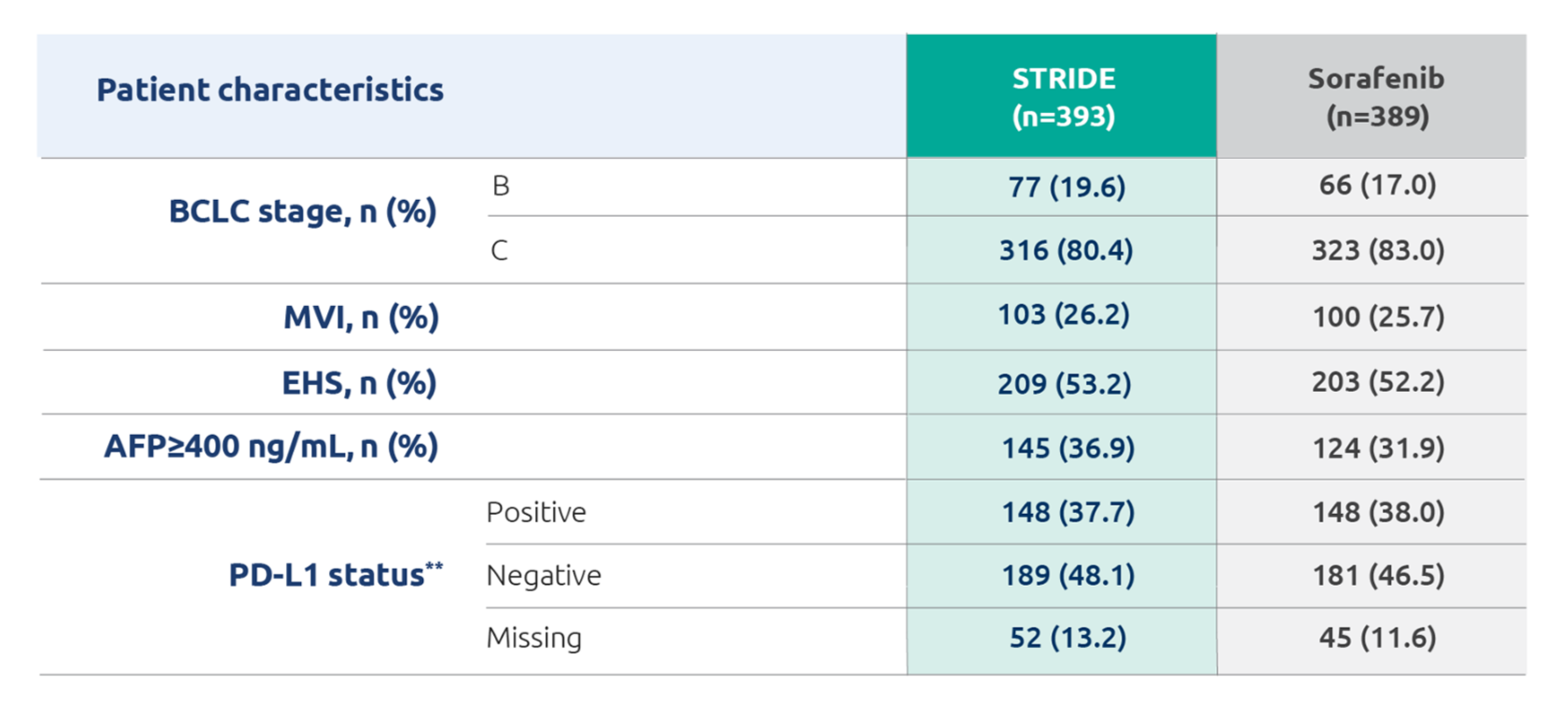
HIMALAYA trial patient disease characteristics

Baseline disease characteristics were comparable between treatment arms, with a predominance of advanced disease (BCLC stage C) and similar rates of BCLC stage B, macrovascular invasion, and extrahepatic spread.

Adapted from Abou-Alfa et al. 2022
† Includes Brazil, Canada, France, Germany, Italy, Japan, Russia, Spain, Ukraine, and the United States.

‡ The ECOG performance status scale ranges from 0 to 5, with higher numbers corresponding to greater disability.

§ The Child-Pugh classification of liver disease severity is determined by the degree of ascites, serum concentrations of bilirubin and albumin, prothrombin time, and degree of encephalopathy and classified as follows: class A (well-compensated disease), score of 5 to 6; class B (significant functional compromise), score of 7 to 9; and class C (decompensated disease), score of 10 to 15.

**Baseline PD-L1 results were not available for patients who were randomly assigned but not treated. PD-L1 expression level was based on the tumorand immune cell positivity score method as PD-L1 positive ($1%) or PD-L1 negative (,1%)

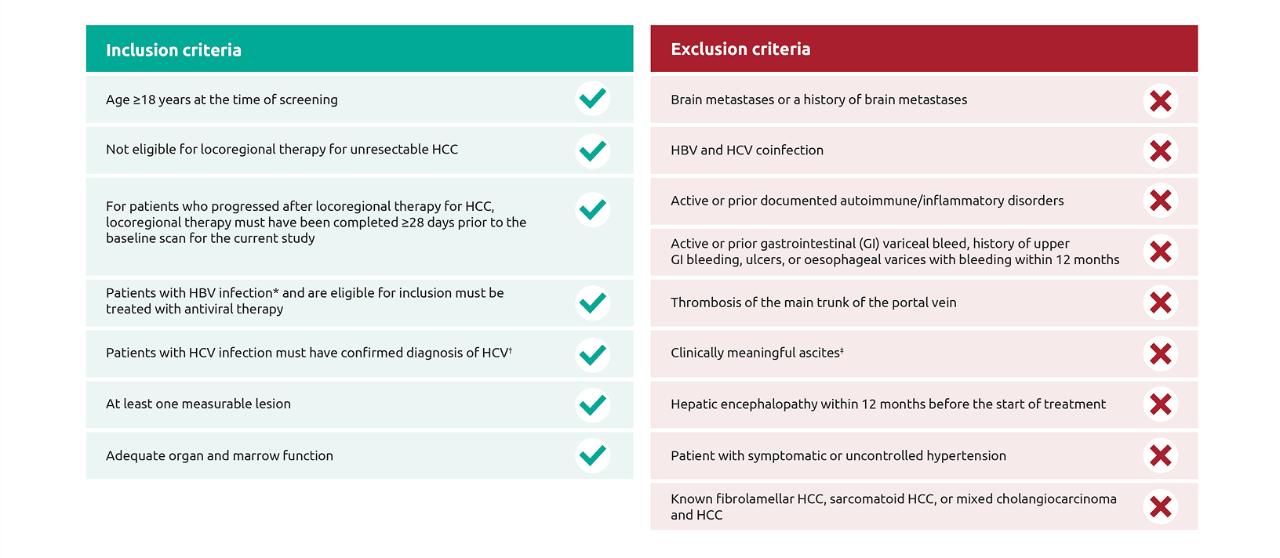
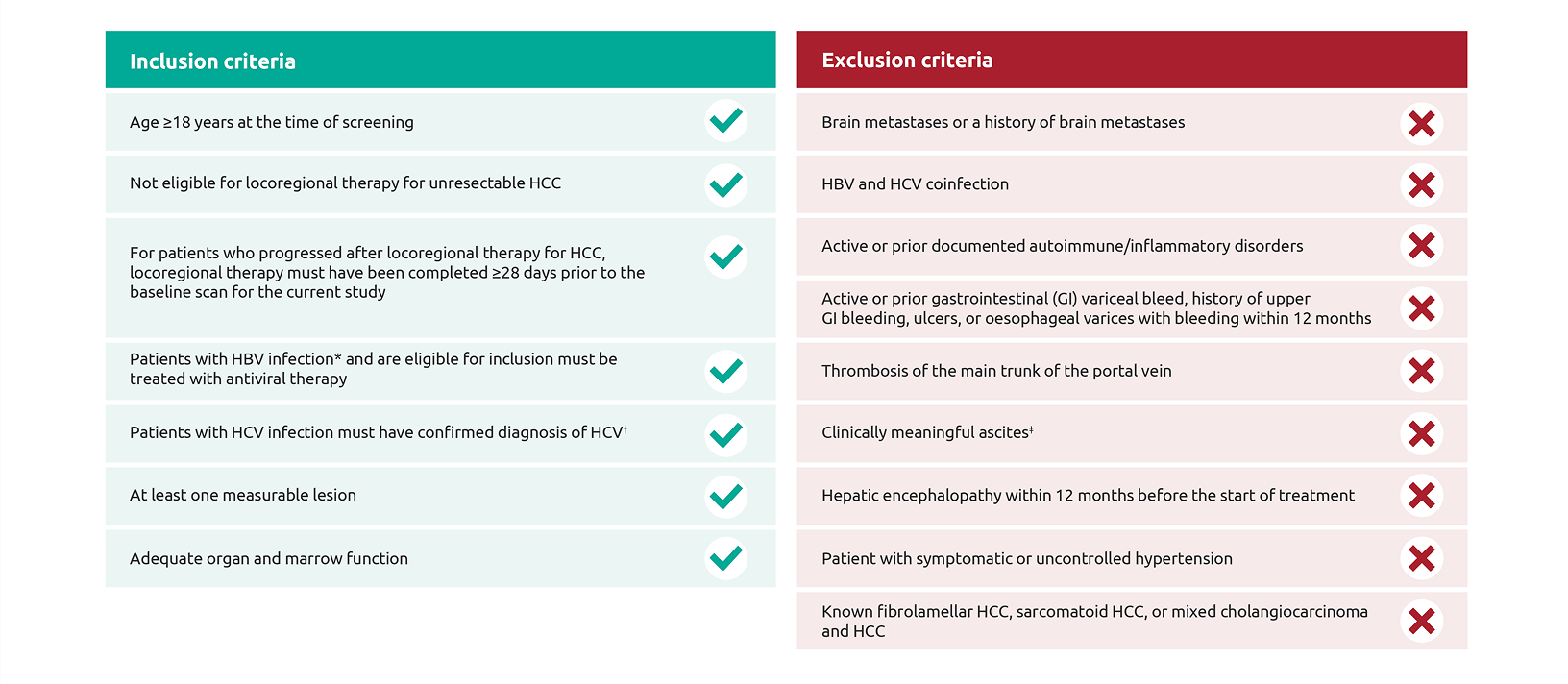
HIMALAYA trial key inclusion and exclusion criteria1

*As characterised by positive hepatitis B surface antigen HBsAg], detectable HBV DNA, 
or hepatitis B core antibodies [anti-HBc Ab]).
Note: HBV-positive patients must remain on antiviral therapy for the study duration and mustcontinue therapy for 6 months after the last dose
of study medication.

†Characterised by the presence of detectable HCV RNA or anti-HCV antibody upon enrolment (management of this disease is per local institutional practice).

‡Defined as any ascites requiring non-pharmacologic intervention (e.g, paracentesis) to maintain symptomatic control, within 6 months prior to the first scheduled dose. Subjects on stable doses of diuretics for ascites for ≥2 months are eligible.

HIMALAYA trial overall survival data of the STRIDE regimen vs sorafenib at 3 years1

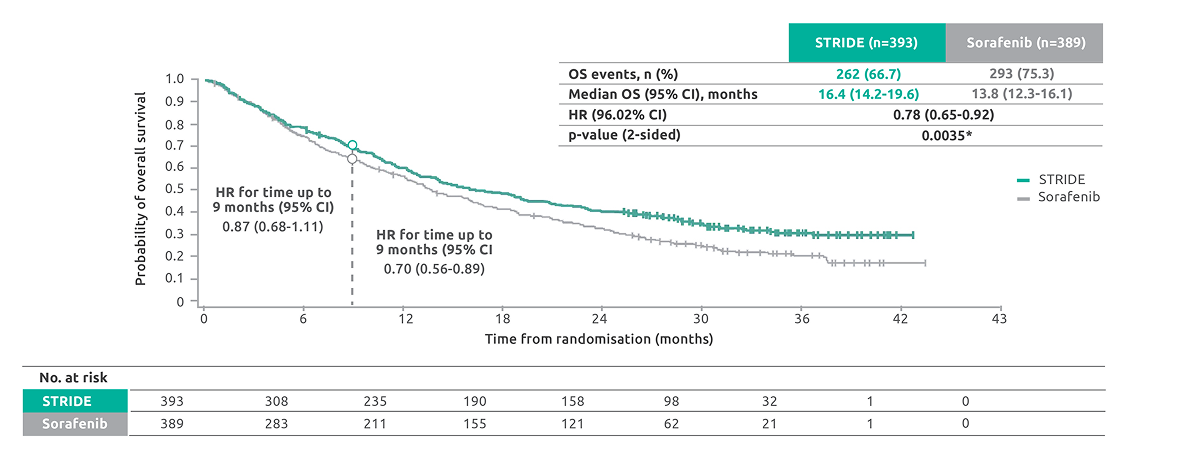
STRIDE showed a statistically significant improvement in OS at 3 years vs sorafenib

At primary analysis, STRIDE met its primary endpoint by demonstrating a statistically significant improvement in OS in the intention-to-treat (ITT) population. 3-year OS rates were 30.7% with STRIDE vs 20.2% with sorafenib.1


3-year median OS for the STRIDE regimen vs sorafenib

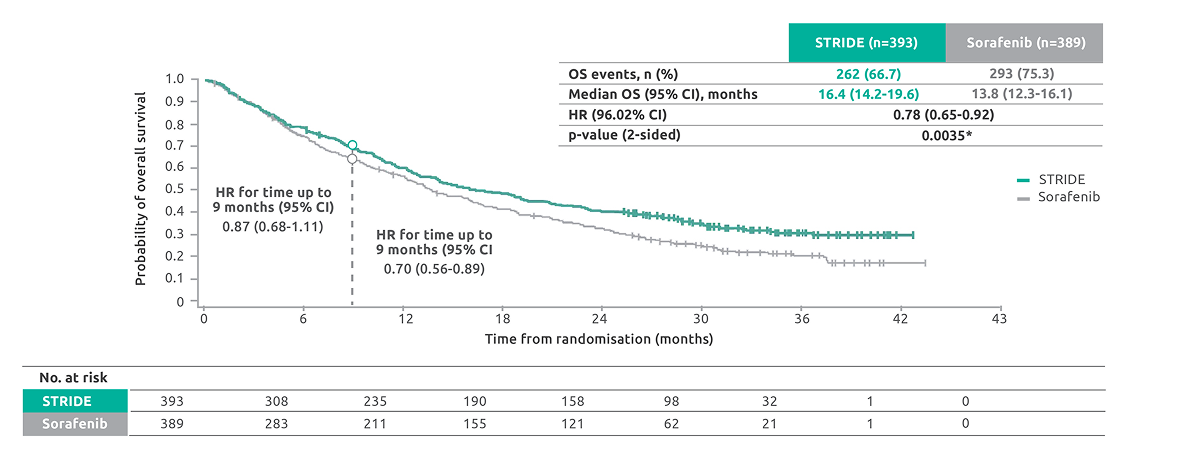
The STRIDE regimen significantly improved OS versus sorafenib, with longer median OS (16.4 vs 13.8 months) and a reduced risk of death (HR 0.78; p=0.0035).1

A graph showing the STRIDE regimen significantly improved overall survival versus sorafenib, with longer median OS (16.4 vs 13.8 months) and a reduced risk of death (HR 0.78; p=0.0035) in the IMFINZI HIMALAYA HCC Trial. A graph showing the STRIDE regimen significantly improved overall survival versus sorafenib, with longer median OS (16.4 vs 13.8 months) and a reduced risk of death (HR 0.78; p=0.0035) in the IMFINZI HIMALAYA HCC Trial.

Adapted from Abou-Alfa et al. 2022

*Based on Lan-DeMets alpha spending function with O’Brien-Fleming-type boundary and the actual number of events observed, the boundary for declaring statistical significance for STRIDE vs. sorafenib was 0.0398.5,6

OS rates at 5 years (60 months) were exploratory endpoints; although not tested for statistical significance, differences in benefit for STRIDE were observed at this timepoint, consistent with prior timepoints.2

ARR at 60 months: 10.2% [HR: 0.76, 95% CI, 0.65-0.89; p=0.0008. p-value is numerical]2

HIMALAYA trial key secondary endpoints

Key secondary endpoints included an investigator-assessed objective response rate (ORR), mean duration of response (DoR), and median time to response.1

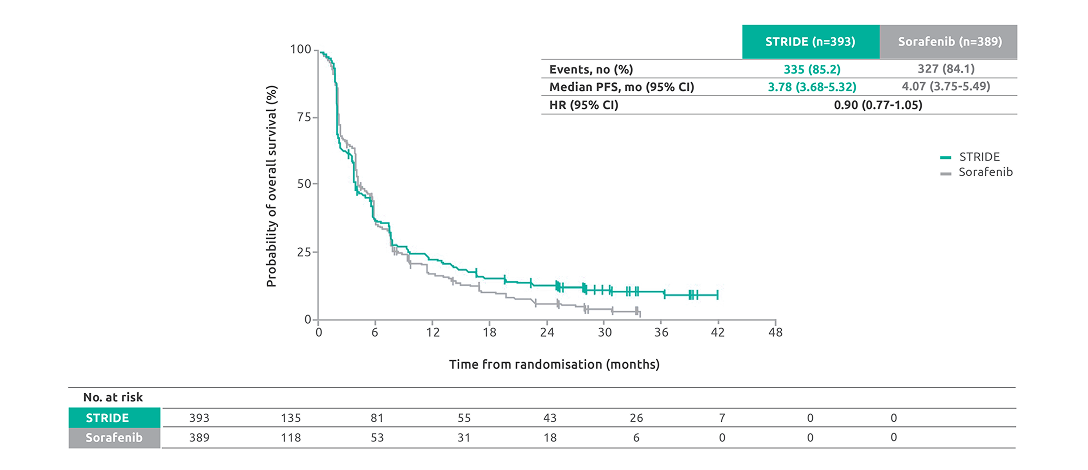
Progression-free survival (PFS)

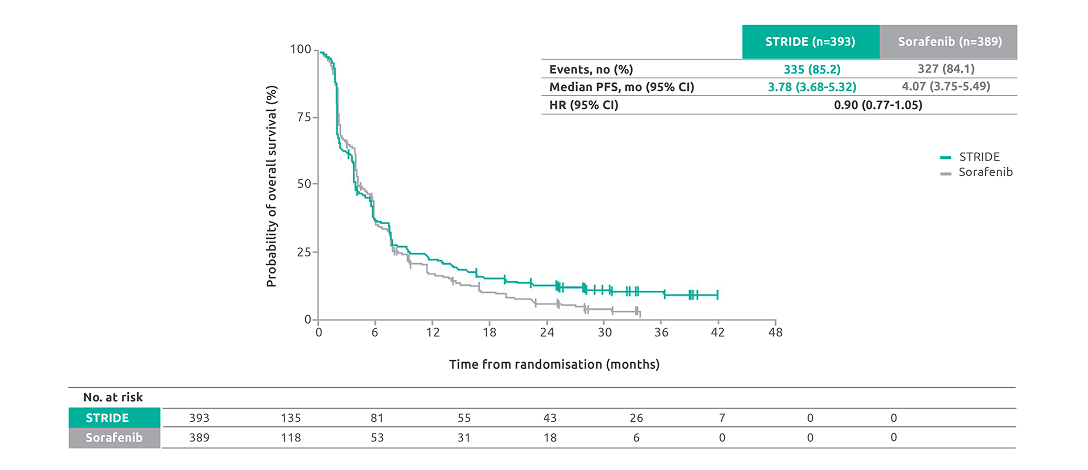
Median PFS at the primary analysis was 3.78 months (95% CI: 3.68-5.32) with STRIDE vs. 4.07 months (95% CI:3.75-5.49) with sorafenib.1


Graph adapted from Abou-Alfa et al. 2022


A graph showing the median PFS at the primary analysis with the STRIDE regimen vs. sorafenib in the IMFINZI HIMALAYA HCC Trial. A graph showing the median PFS at the primary analysis with the STRIDE regimen vs. sorafenib in the IMFINZI HIMALAYA HCC Trial.

​

Investigator-assessed ORR

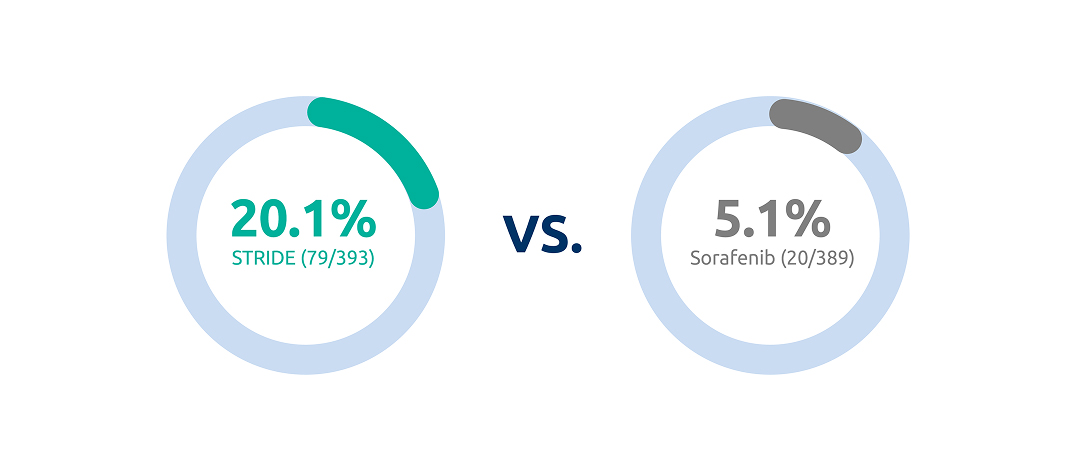
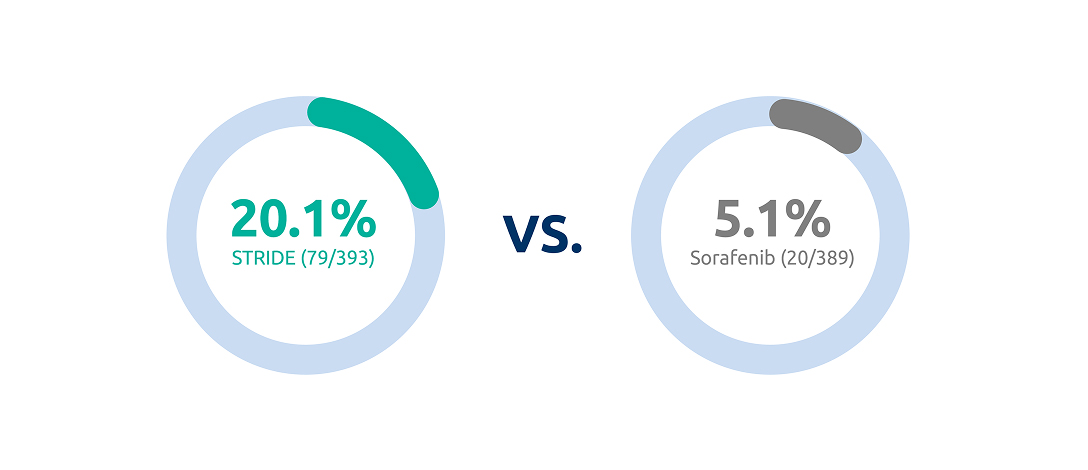
Investigator-assessed ORR (RECIST v1.1) was higher with the STRIDE regimen vs sorafenib (20.1% vs 5.1%) in the ITT population (not formally tested for statistical significance).1


[Data cut-off date: 27th August 2021]

Two charts showing that investigator-assessed ORR (RECIST v1.1) was higher with the STRIDE regimen vs sorafenib (20.1% vs 5.1%) in the ITT population in the IMFINZI HIMALAYA HCC Trial. Two charts showing that investigator-assessed ORR (RECIST v1.1) was higher with the STRIDE regimen vs sorafenib (20.1% vs 5.1%) in the ITT population in the IMFINZI HIMALAYA HCC Trial.

​

Median DoR

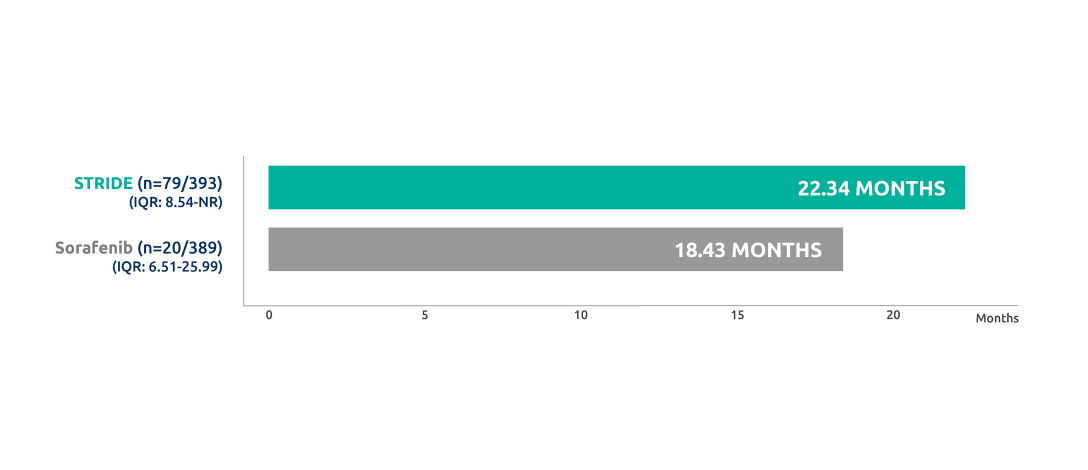
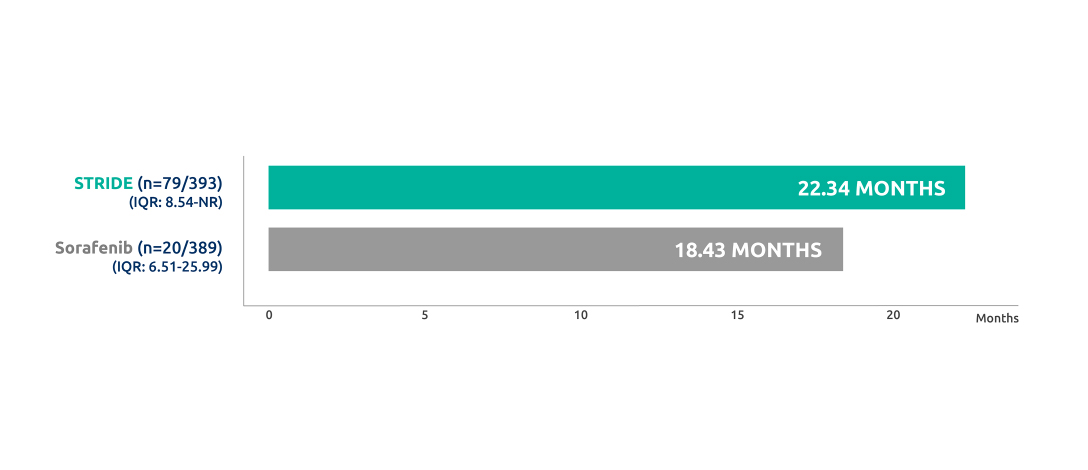
Median DoR was longer with the STRIDE regimen than with sorafenib (22.34 months vs 18.43 months) in the ITT population (not formally tested for statistical significance).1


[Data cut-off date: 27th August 2021]*

Graph showing DoR was longer with the STRIDE regimen than with sorafenib (22.34 months vs 18.43 months) in the ITT population in the IMFINZI HIMALAYA HCC Trial. Graph showing DoR was longer with the STRIDE regimen than with sorafenib (22.34 months vs 18.43 months) in the ITT population in the IMFINZI HIMALAYA HCC Trial.

*Time from the first documentation of a response until date of progression, death or last evaluable RECIST v1.1 assessment.

Median time to response

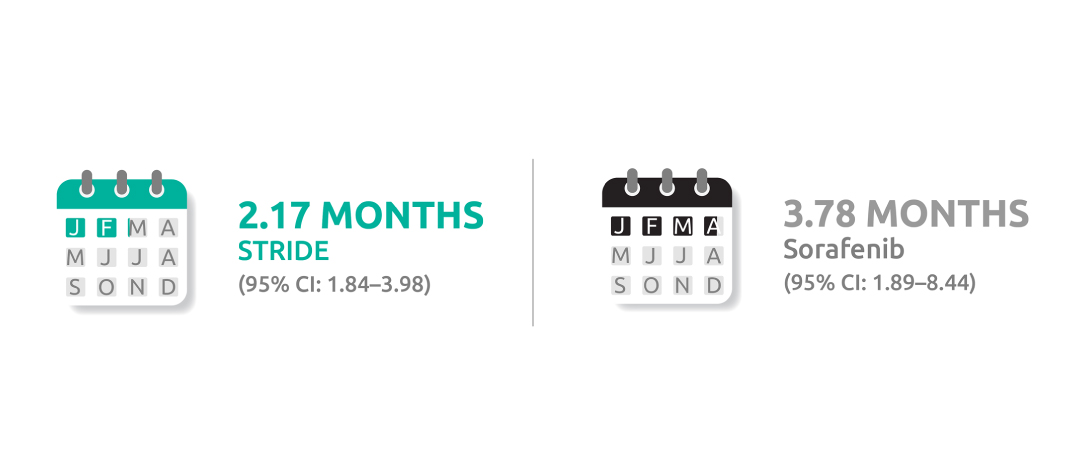
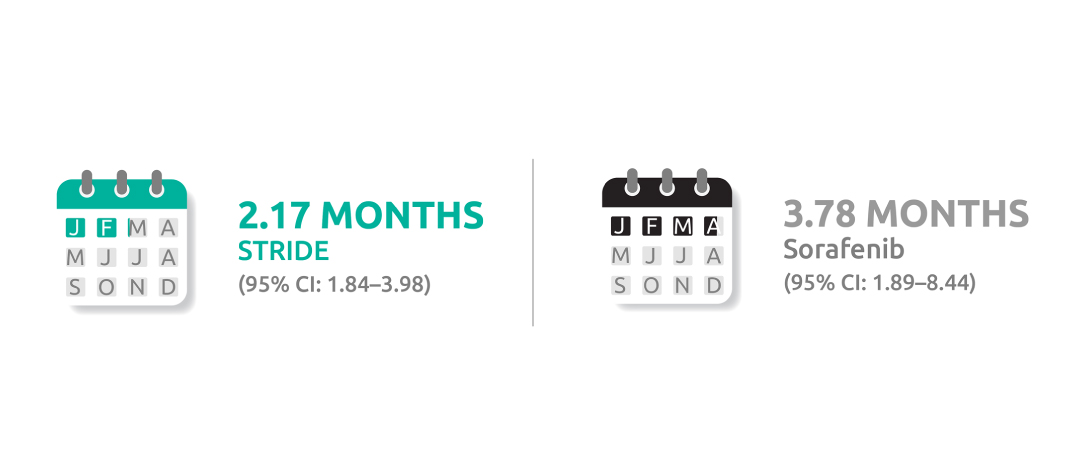
Median time to response was faster with the STRIDE regimen than with sorafenib (2.17 vs 3.78 months) in the ITT population (not formally tested for statistical significance).1


[Data cut-off date: 27th August 2021]†

Graphic showing median time to response was faster with the STRIDE regimen than with sorafenib (2.17 vs 3.78 months) in the ITT population in the IMFINZI HIMALAYA HCC Trial. Graphic showing median time to response was faster with the STRIDE regimen than with sorafenib (2.17 vs 3.78 months) in the ITT population in the IMFINZI HIMALAYA HCC Trial.

†Time from randomisation to first confirmed response according to RECIST v1.1 assessment.

  1. slide-1
  2. slide-2
  3. slide-3
  4. slide-4

HIMALAYA trial exploratory analyses

Exploratory analyses from the HIMALAYA trial evaluated long-term OS across key patient subgroups.2,8,9

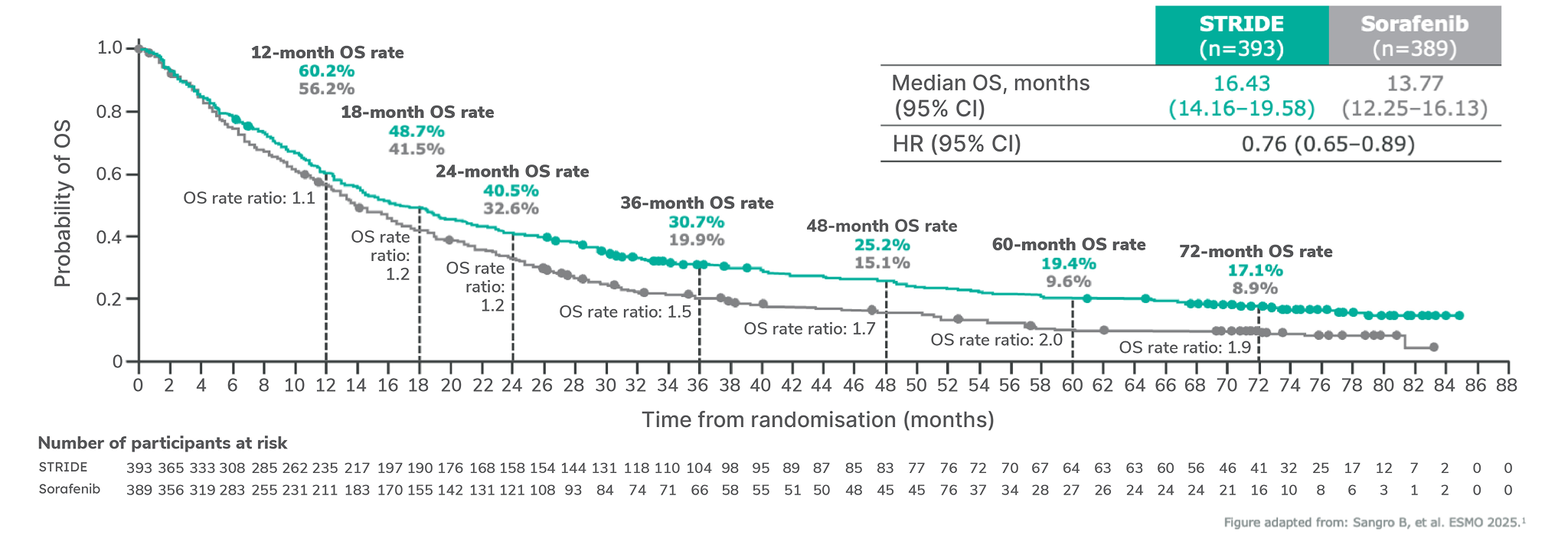
The STRIDE regimen long-term 6-year OS data vs sorafenib (exploratory analysis)

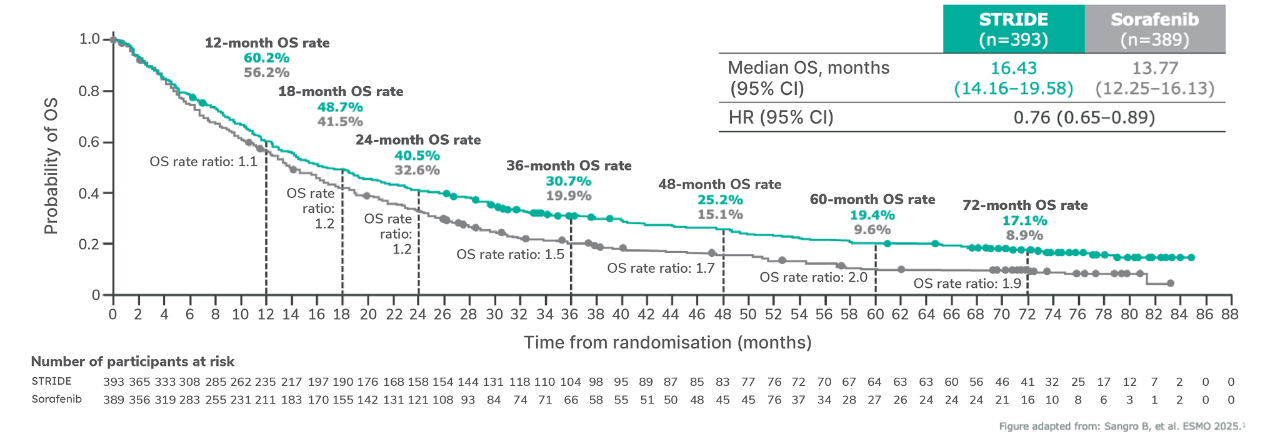
At 6-year follow up, the STRIDE regimen demonstrated a sustained OS benefit compared to sorafenib in patients with uHCC.8


6-year (72-month) OS was 17.1% with STRIDE vs. 8.9% with sorafenib [HR: 0.76, 95% CI, 0.65–0.89]*†, which was consistent with the primary OS analysis.‡8

This exploratory six-year OS analysis was not formally tested for statistical significance
Data cut-off: 03 March 2025

A graph showing the long-term 6-year OS data for the STRIDE regimen vs sorafenib in the IMFINZI HIMALAYA HCC Trial. A graph showing the long-term 6-year OS data for the STRIDE regimen vs sorafenib in the IMFINZI HIMALAYA HCC Trial.

* OS HRs and corresponding 95% CIs were calculated using a Cox proportional hazards model stratified by treatment,aetiology of liver disease (HBV vs. HCV vs. others), ECOG PS (0 vs. 1), and MVI (yes vs. no).

† Median OS and PFS were calculated using the Kaplan-Meier technique, with 95% CIs being calculated using a profilelikelihood approach.

‡ Median duration of follow-up in all censored participants was 71.28 (6.18–85.03) months with STRIDE and 38.31 (0.03–83.29) months with sorafenib.

OS rates at 6-years were exploratory endpoints; although not tested for statistical significance, difference in OS rates for the STRIDE regimen vs sorafenib were observed at this timepoint, consistent with prior timepoints.2,8

Improvement in OS with the STRIDE regimen vs sorafenib was consistent across ALBI subgroups (exploratory analysis)

The following exploratory analyses present OS outcomes with the STRIDE regimen versus sorafenib according to ALBI (albumin-bilirubin) grade, reflecting liver function at baseline.9

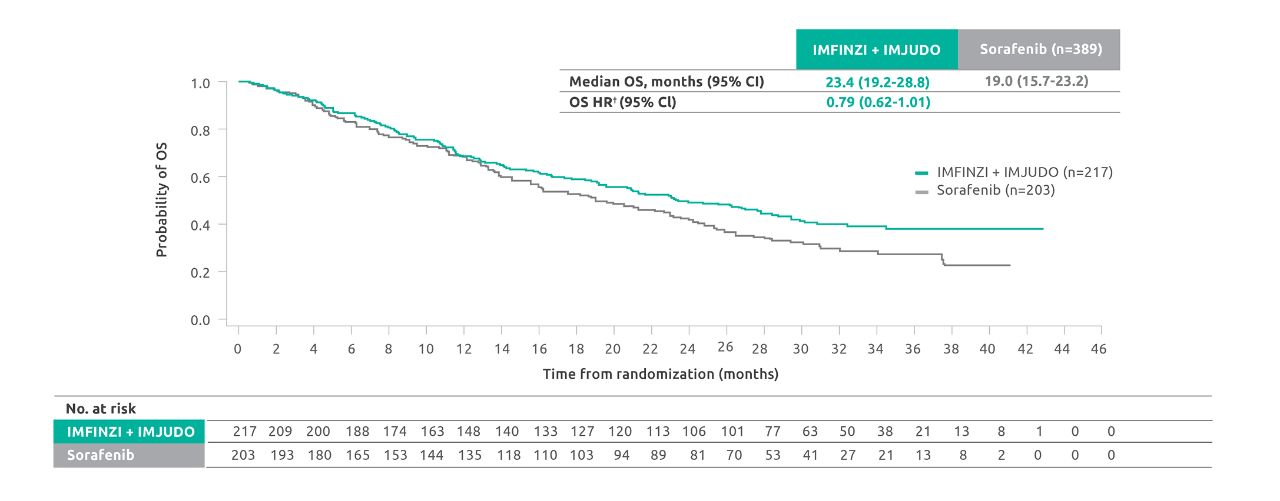
ALBI grade 1 subgroup OS

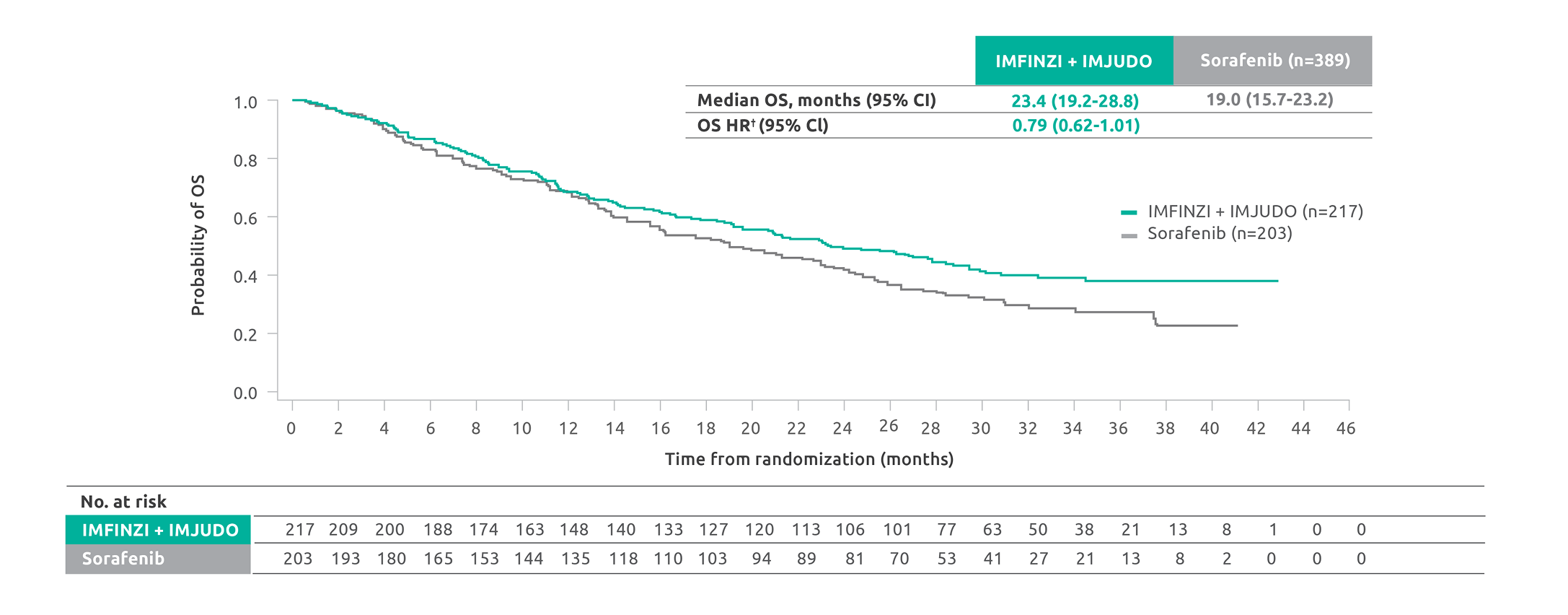
The OS rates with STRIDE vs sorafenib were maintained in patients with ALBI grade 1 liver function.9 


Median OS was longer with STRIDE than with sorafenib (23.4 vs 19.0 months), with a consistent reduction in the risk of death (HR 0.79) in this exploratory subgroup analysis.9


†OS HRs and CIs were calculated using a Cox proportional hazards model adjusting for treatment, aetiology, ECOG performance status, and macrovascular invasion.

A graph showing the median OS with the STRIDE regimen vs sorafenib, with a consistent reduction in the risk of death (HR 0.79) in this exploratory subgroup analysis in the IMFINZI HIMALAYA HCC Trial. A graph showing the median OS with the STRIDE regimen vs sorafenib, with a consistent reduction in the risk of death (HR 0.79) in this exploratory subgroup analysis in the IMFINZI HIMALAYA HCC Trial.

[Data cut-off: 27th August, 2021]

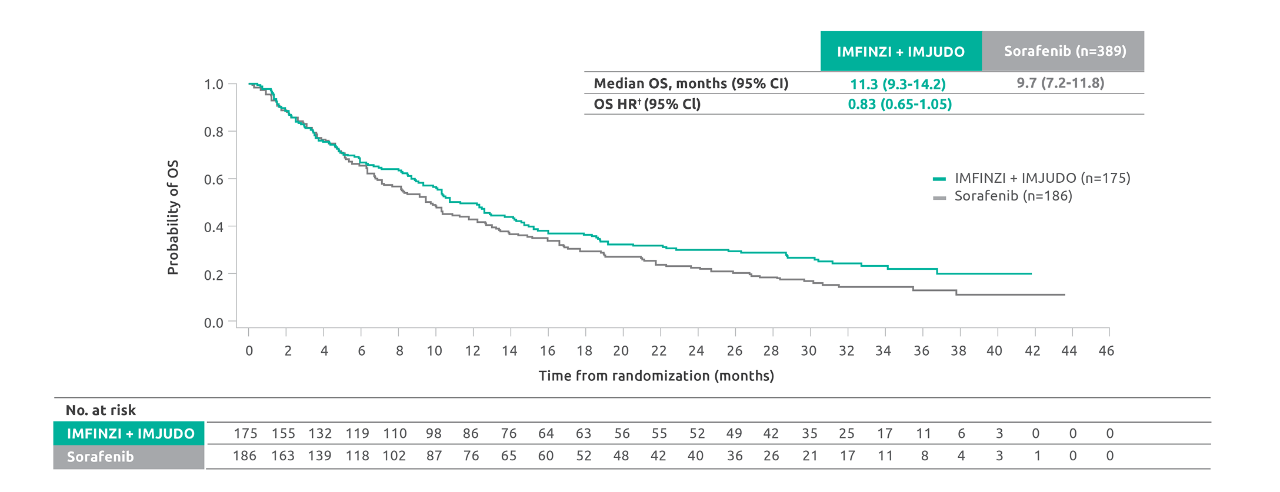
ALBI grade 2/3 subgroup OS

OS rates were observed in the STRIDE and sorafenib groups in patients with ALBI grade 2/3 liver function.


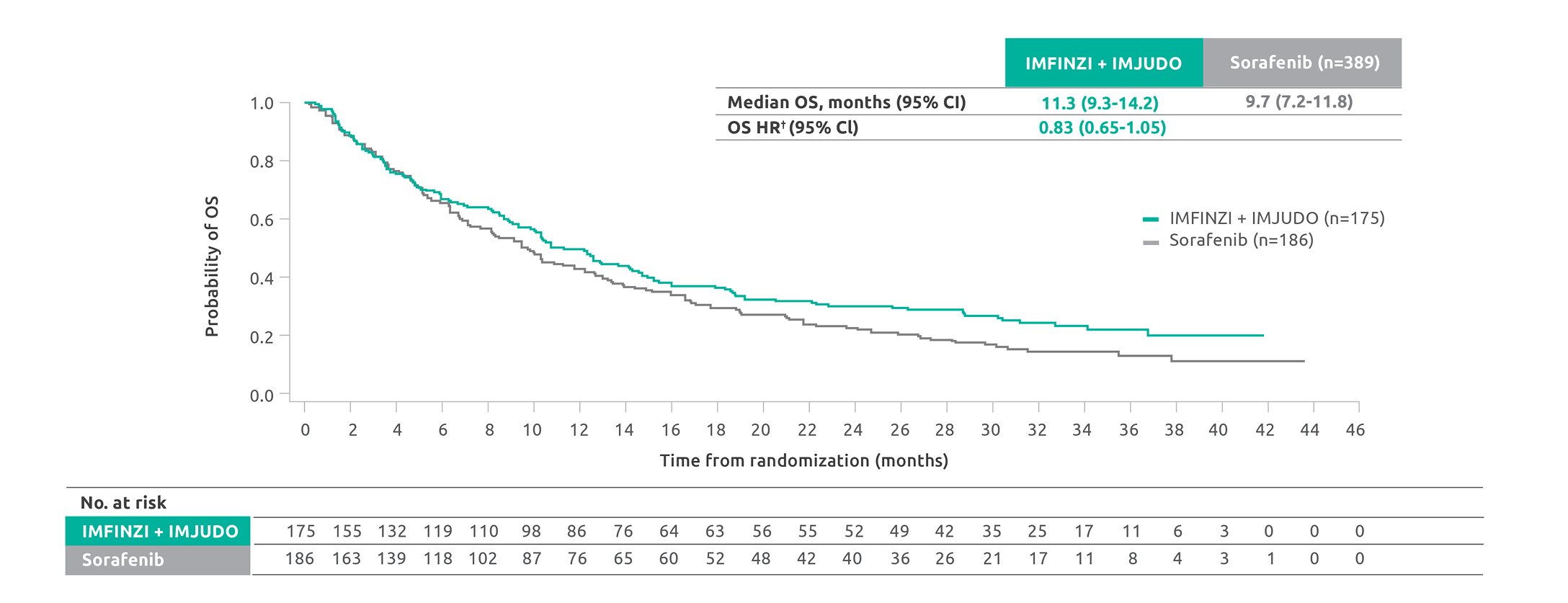
In this exploratory analysis, median OS was longer with STRIDE than with sorafenib (11.3 vs 9.7 months), with a consistent reduction in the risk of death (HR 0.83).

A graph showing the median OS with the STRIDE regimen vs sorafenib, with a consistent reduction in the risk of death (HR 0.79) in this exploratory subgroup analysis in the IMFINZI HIMALAYA HCC Trial. A graph showing the median OS with the STRIDE regimen vs sorafenib, with a consistent reduction in the risk of death (HR 0.79) in this exploratory subgroup analysis in the IMFINZI HIMALAYA HCC Trial.

†OS HRs and 95% CIs were calculated using a Cox proportional hazards model adjusting for treatment, etiology,ECOG performance status, and MVI.9
Due to small sample size, outcomes for the ALBI grade 3 subgroup (IMFINZI + IMJUDO, n=1; sorafenib, n=1) were combined with the ALBI grade 2 subgroup.9
Data cutoff: August 27, 2021.


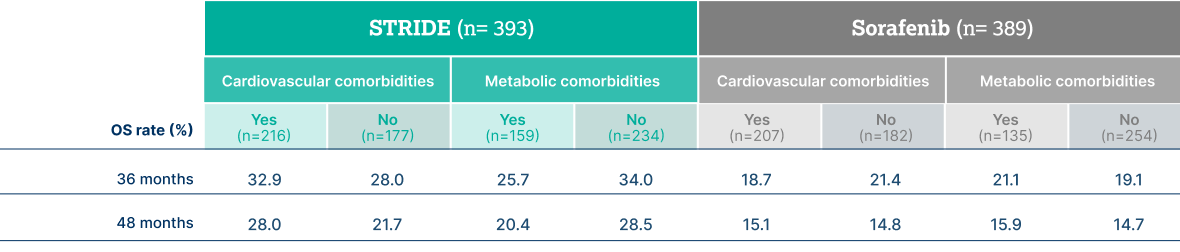
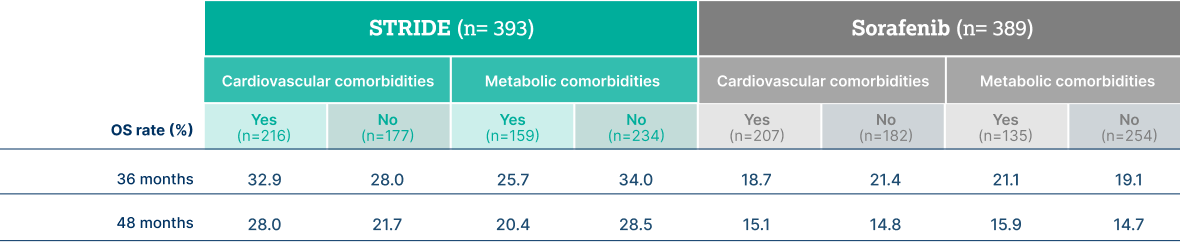
3- and 4-year OS rates were numerically higher for the with the STRIDE regimen vs sorafenib in patients with cardiovascular or metabolic comorbidities (exploratory analysis)

Patients with cardiovascular or metabolic comorbidities experienced similar OS outcomes at 36 and 48 months with STRIDE compared with those without comorbidities.2


At both 36 and 48 months, OS was numerically higher with the STRIDE regimen versus sorafenib in patients with cardiovascular (32.9% vs 18.7% at 36 months; 28.0% vs 15.1% at 48 months) and metabolic comorbidities (25.7% vs 21.1% at 36 months; 20.4% vs 15.9% at 48 months).2


[Data cut-off date: 23rd January 2023]

This analysis was not formally tested for statistical significance

A graph showing the median OS with the STRIDE regimen vs sorafenib, with a consistent reduction in the risk of death (HR 0.79) in this exploratory subgroup analysis in the IMFINZI HIMALAYA HCC Trial. A graph showing the median OS with the STRIDE regimen vs sorafenib, with a consistent reduction in the risk of death (HR 0.79) in this exploratory subgroup analysis in the IMFINZI HIMALAYA HCC Trial.

Table adapted from Rimassa L, et al. ESMO 20242

HIMALAYA trial safety data

The STRIDE regimen offers a generally well-tolerated treatment option.1–3 

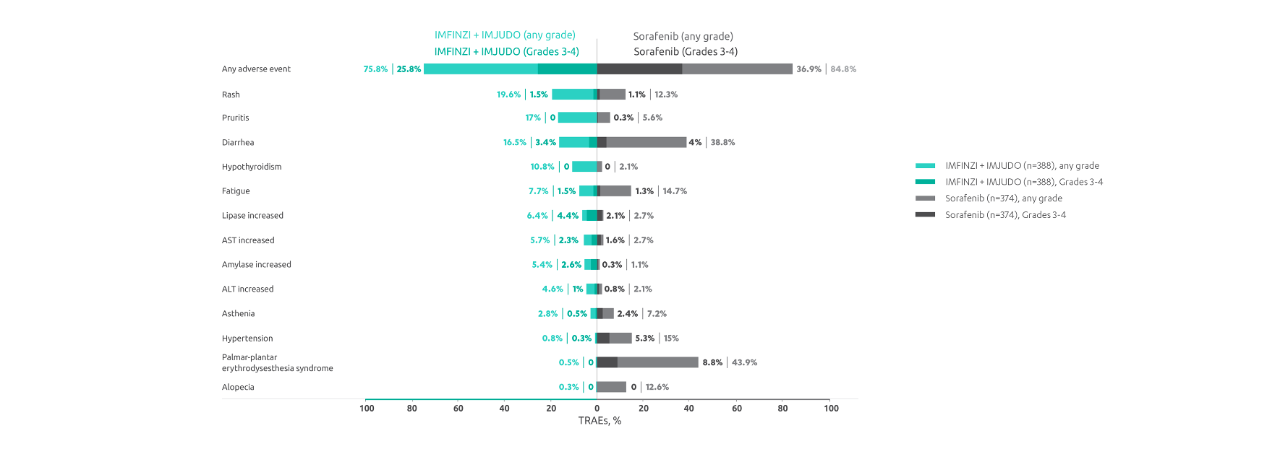
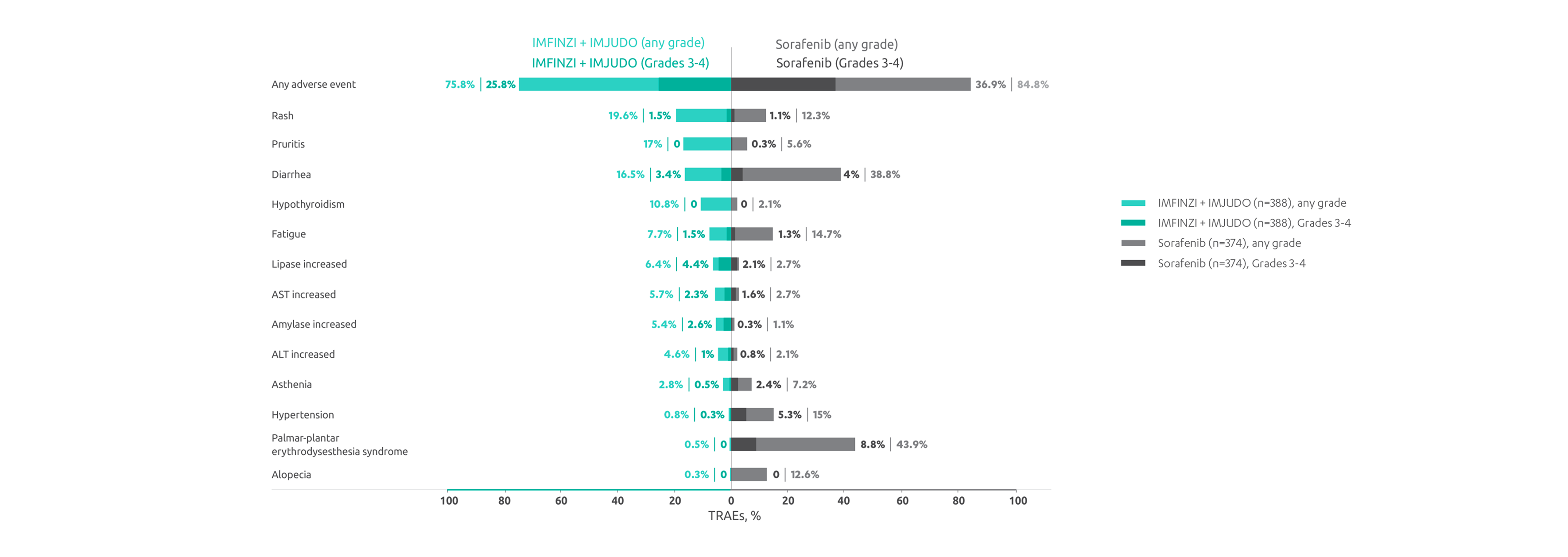
Fewer treatment-related adverse events (TRAEs) were observed with STRIDE vs sorafenib: STRIDE n=294 (75.8%) vs sorafenib n=317 (84.8%)1


The most common adverse events reported in the STRIDE group (n=388) were rash (22.4%), pruritus (22.9%), diarrhoea(26.5%), hypothyroidism (12.1%), and fatigue (17%).1


TRAEs led to discontinuation in 13.7% (n=53) of patients treated with STRIDE vs 16.8% (n=23) with sorafenib.1


No new serious TRAEs occurred after the primary analysis for STRIDE.2

TRAEs reported in ≥10% (any grade) or ≥2% (grade 3/4) in safety analysis set

A chart showing TRAEs reported in ≥10% (any grade) or ≥2% (grade 3/4) in the STRIDE regimen safety analysis set. A chart showing TRAEs reported in ≥10% (any grade) or ≥2% (grade 3/4) in the STRIDE regimen safety analysis set.

Immune-mediated adverse events in the STRIDE regimen arm

The majority of immune-mediated adverse events (imAEs) in the STRIDE arm that occurred (35.8%; n = 139/388) were of low grade (Grade 1 or 2) and generally manageable per treatment guidelines.1,3

 Any gradeGrade ≥3
STRIDE
N=388
35.8% (n=139)12.6% (n=49)
Sorafenib
N=374
8.0% (n=30)2.4% (n=9)

Adapted from Abou-Alfa GK, et al. NEJM Evid. 2022.
Within the safety analysis set of the HIMALAYA study, the median duration of treatment for IMFINZI + IMJUDO (n=388) was 5.5 months (range, 0.4-42.7) and 4.1 months (range, 0.1-38.6) for sorafenib (n=374).

STRIDE is associated with imAEs, and various imAEs are special warnings for IMFINZI and IMJUDO. Routine monitoring of patients for signs and symptoms is advised.5,6

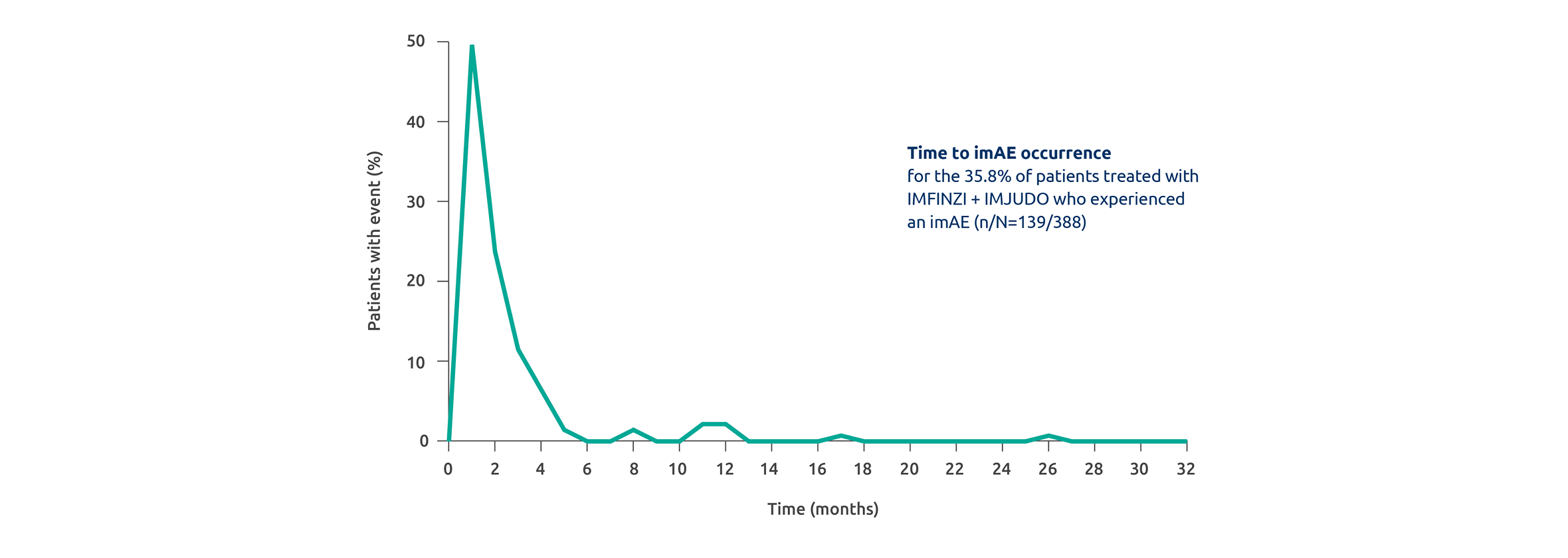
Timing of imAEs in patients with at least one imAE

Please refer to the IMFINZI and IMJUDO SmPC’s for further information and guidance.


For patients who experienced an imAE with the STRIDE regimen, most imAEs occurred within the first 3 months of treatment (exploratory analysis).3


Most imAEs resolved with a median time to resolution of <60 days with appropriate management strategies.3


View the IMFINZI imAE guide


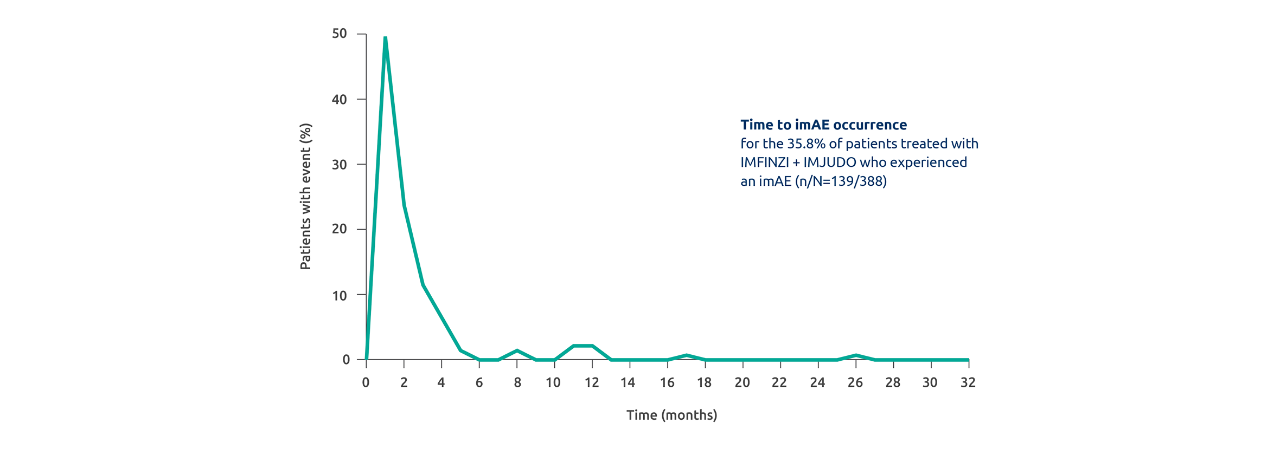
A chart showing the time to imAE occurence in patients with at least one imAE in the  STRIDE regimen. A chart showing the time to imAE occurence in patients with at least one imAE in the  STRIDE regimen.

Adapted from Lau G, et al., 2023

The percentage of patients with an event is the number of patients who experienced ≥1 imAE at each time interval divided by the number of patients who experienced ≥1 imAE at any time; includes first imAE only, regardless of grade. Data cutoff:August 27, 2021.

Understand the risk of imAEs

The IMJUDO patient alert card is available to patients and carers to help them understand the risk of imAEs.


Please ensure all patients starting their first dose of IMJUDO (tremelimumab) are provided with a patient alert card to ensure they understand the risk of imAEs of this regimen.


Download the IMJUDO (tremelimumab) patient alert card

1L, first-line; AFP, alpha-fetoprotein; ALBI, albumin-bilirubin; Anti-HBc Ab, total hepatitis B core antibody; ARR,absolute risk reduction; BID, twice a day; BCLC, Barcelona Clinic Liver Cancer; CI, confidence interval; CT,computerised tomography; DNA, deoxyribonucleic acid; DCR, disease control rate; DoR, duration of response; ECOG, Eastern Cooperative Oncology Group; GI, gastrointestinal; HBV, hepatitis B virus; HCC, hepatocellularcarcinoma; HCV, hepatitis C virus; HR, hazard ratio; imAEs, immune mediated adverse events; IO, immuno-oncology; MRI, magnetic resonance imaging; ORR, objective response rate; PD-L1, programmed death-ligand 1; PFS, progression‐free survival; PS,performance status; Q4W, once every 4 weeks; R, randomised; RECIST, Response Evaluation Criteria in SolidTumours; RNA, ribonucleic acid; STRIDE, single tremelimumab regular interval durvalumab; T (75/300), tremelimumab (75/300 mg); TTP, time to progression; TTR, time to response; uHCC, advanced or unresectablehepatocellular carcinoma; yr, year; OS, overall survival; ITT, intention to treat; IQR, interquartile range


  1. Abou-Alfa GK, Lau G, Kudo M, et al. Tremelimumab plus durvalumab in unresectable hepatocellularcarcinoma. NEJM Evid. 2022;1(8):EVIDoa2100070 (incl. protocol and supplementary appendix).
  2. Rimassa L, et al. Poster presented at ESMO 2024. Barcelona, Spain. Presentation #947MO.
  3. Lau G, et al. Poster presented at ASCO 2023. Chicago, IL
  4. Abou-Alfa GK, et al. Presented at ASCO GI 2022. San Francisco, CA. Abstract #379.
  5. IMFINZI, Summary of Product Characteristics.
  6. IMJUDO, Summary of Product Characteristics.
  7. Safri F, Nguyen R, Zerehpooshnesfchi S, George J, Qiao L. Heterogeneity of hepatocellular carcinoma:from mechanisms to clinical implications. Cancer Gene Ther. 2024;31(8):1105-1112.
  8. Sangro B, et al. Poster presented at ESMO 2025. Berlin, Germany. Presentation #1494P.
  9. Vogel A, et al. Presented at ESMO WCGI 2022; 29 June–2 July. Barcelona, Spain.

GB-74004 | May 2026

Adverse events should be reported. Reporting forms and information can be found at http://www.mhra.gov.uk/yellowcard or search for MHRA Yellow Card in the Google Play or Apple App Store. Adverse events should also be reported to AstraZeneca by visiting https://contactazmedical.astrazeneca.com/ or by calling ‌‌‌0‌‌‌8‌‌‌‌‌0‌‌‌‌0‌‌‌ ‌‌7‌‌‌‌‌‌8‌‌‌3‌‌‌ ‌‌0‌‌‌‌‌0‌‌‌‌3‌‌‌‌3‌‌‌.

Connessiallasalute.it

This website was created for UK HCPs and has been designed to provide information to educate, empower and enable them in the great work they are doing for patients across a range of therapy areas. This website is intended for doctors, nurses, and pharmacists in the UK. Other UK residents please visit astrazeneca.co.uk.
Terms of use

Privacy Policy

Cookie Policy

Contact Us

LinkedIn

Twitter

©2026 AstraZeneca. GB-76920 | May 2026

Enhance your knowledge, stay informed

Be the first to know. Hear about events, products and ways to support your patients.

Thank you. We will be in touch

GB-74216| DOP : February 2026