Welcome to this UK AstraZeneca produced and funded website

This website is intended for UK Healthcare Professionals only.


The website contains both promotional and non-promotional content.


If you are a patient or a carer of a patient prescribed an AstraZeneca product, please visit myazmed.co.uk


For any other UK residents please visit astrazeneca.co.uk

I am not a Healthcare Professional
IMFINZI (durvalumab) UK Prescribing Information
IMJUDO (tremelimumab) ▼ UK Prescribing Information
Adverse Event Reporting

This website is intended for UK Healthcare professionals only. Other UK residents please visit astrazeneca.co.uk

AstraZeneca-logo
  • Our Medicines
    • Cardiovascular, Renal & Metabolism
      • ATTR Amyloidosis
        • WAINZUA®▼(eplontersen)
      • Chronic Kidney Disease (CKD)
        • FORXIGA® (dapagliflozin)
      • Heart Failure
        • FORXIGA® (dapagliflozin)
      • Hyperkalaemia
        • LOKELMA® (sodium zirconium cyclosilicate)
      • Type 2 Diabetes (T2D)
        • FORXIGA® (dapagliflozin)
    • Oncology
      • Breast Cancer
        • LYNPARZA® (olaparib)
        • TRUQAP®▼(capivasertib)
      • Bladder Cancer
        • IMFINZI® (durvalumab)
      • Endometrial Cancer
        • IMFINZI® (durvalumab)
        • LYNPARZA® (olaparib)
      • Gastrointestinal Cancer
        • IMFINZI® (durvalumab)
        • IMJUDO®▼(tremelimumab)
      • Lung Cancer
        • IMFINZI® (durvalumab)
        • TAGRISSO® (osimertinib)
      • Ovarian Cancer
        • LYNPARZA® (olaparib)
      • Prostate Cancer
        • LYNPARZA® (olaparib)
        • ZOLADEX® (goserelin)
    • Respiratory
      • Asthma
        • TEZSPIRE®▼ (tezepelumab)
        • SYMBICORT® (budesonide/formoterol)
      • Chronic Obstructive Pulmonary Disease(COPD)
        • TRIXEO AEROSPHERE® (formoterol fumarate dihydrate/glycopyrronium/budesonide)
        • BEVESPI® (glycopyrronium/formoterol fumarate dihydrate)
    • Vaccines
      • Flu
        • FLUENZ® nasal spray suspension (influenza vaccine, live attenuated, nasal)
  • Therapy Areas
    • Cardiovascular, Renal & Metabolism
      • ATTR Amyloidosis
      • Chronic Kidney Disease (CKD)
      • Heart Failure
      • Hyperkalaemia
      • Type 2 Diabetes (T2D)
    • Oncology
      • Breast Cancer
      • Bladder Cancer
      • Endometrial Cancer
      • Gastrointestinal Cancer
      • Lung Cancer
      • Ovarian Cancer
      • Prostate Cancer
    • Respiratory
      • Asthma
      • Chronic Obstructive Pulmonary Disease(COPD)
    • Vaccines
      • Flu
  • About us
    • AZ Commitment
  • Contact us
  • AstraZeneca UK
  • IMFINZI (durvalumab)
  • MATTERHORN Trial
  • Home
  • Biliary tract cancer
    • About biliary tract cancer
    • Mode of action
    • TOPAZ-1 clinical trial
    • Dosing & administration
    • Resources
  • Hepatocellular carcinoma
    • Why STRIDE?
    • About hepatocellular carcinoma
    • Mode of action
    • HIMALAYA clinical trial
    • Dosing & administration
    • Resources
  • Gastric or gastro-oesophageal junction adenocarcinoma
    • About gastric or gastro-oesophageal junction adenocarcinoma
    • MATTERHORN clinical trial
    • Dosing & administration
  • Resources
    • Biliary tract cancer resources
    • Hepatocellular carcinoma resources
    • Gastric or gastro-oesophageal junction adenocarcinoma resources
    • Gastrointestinal cancer resources
MATTERHORN Trial


Explore the MATTERHORN trial

with significant EFS and OS improvements with IMFINZI + FLOT vs. FLOT alone for patients with resectable GC/GOJC1–3


Therapeutic Indication: IMFINZI (durvalumab) in combination with FLOT chemotherapy as neoadjuvant and adjuvant treatment, followed by adjuvant IMFINZI monotherapy, is indicated for the treatment of eligible adults with resectable gastric and gastro-oesophageal junction adenocarcinoma1


Always refer to the Summary of Product Characterictics before prescribing


  • Study design
  • Efficacy
  • Safety

MATTERHORN trial: study design

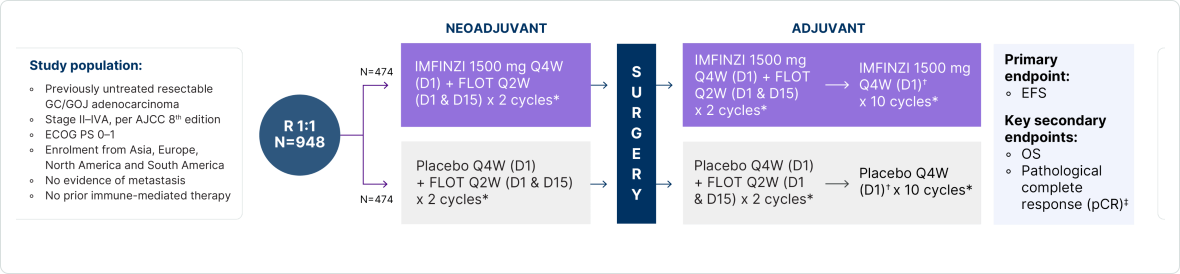
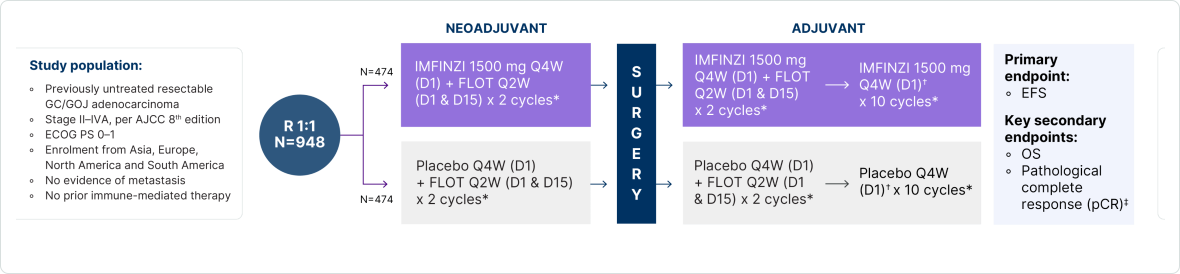
MATTERHORN was a Phase III global study of perioperative IMFINZI + FLOT vs. placebo + FLOT in patients with resectable GC/GOJC1–3

Surgery was performed 4–8 weeks after two neoadjuvant treatment cycles, followed by 12 adjuvant cycles. Adjuvant treatment was started 4–12 weeks post-surgery.1

*One cycle comprised of one dose of IMFINZI (1500 mg) given on Day 1 and two doses of FLOT given on Day 1 and Day 15. The dose of FLOT included: 5-FU, 2600 mg/m2; leucovorin, 200 mg/m2; oxaliplatin, 85 mg/m2; docetaxel, 50 mg/m2 (Neoadjuvant therapy: Days 1 and 15 for 2 cycles; adjuvant therapy: Days 1 and 15 Q4W for 2 cycles). Patients with a body weight of 30 kg or less must receive weight-based dosing of IMFINZI at 20 mg/kg.1,4,5 Dose modifications of FLOT, including dose reduction, interruption, or discontinuation of any FLOT component, were allowed according to local standard clinical practice.1
†Treatment continued until withdrawal of consent or the investigator’s decision to discontinue treatment or placebo because of confirmed disease progression or recurrence, unacceptable AEs, lack of adherence to the trial regimen or trial procedures, or another discontinuation criterion, or until the completion of 12 cycles of adjuvant IMFINZI, or at 1 year after the start of adjuvant therapy. Participants could continue treatment after progression (as defined by RECIST v1.1) occurred, but only during the neoadjuvant treatment phase and if radical surgery was not precluded.1,4
‡pCR was scored using modified Ryan criteria.1


This list is not exhaustive, please see trial protocol for more information.

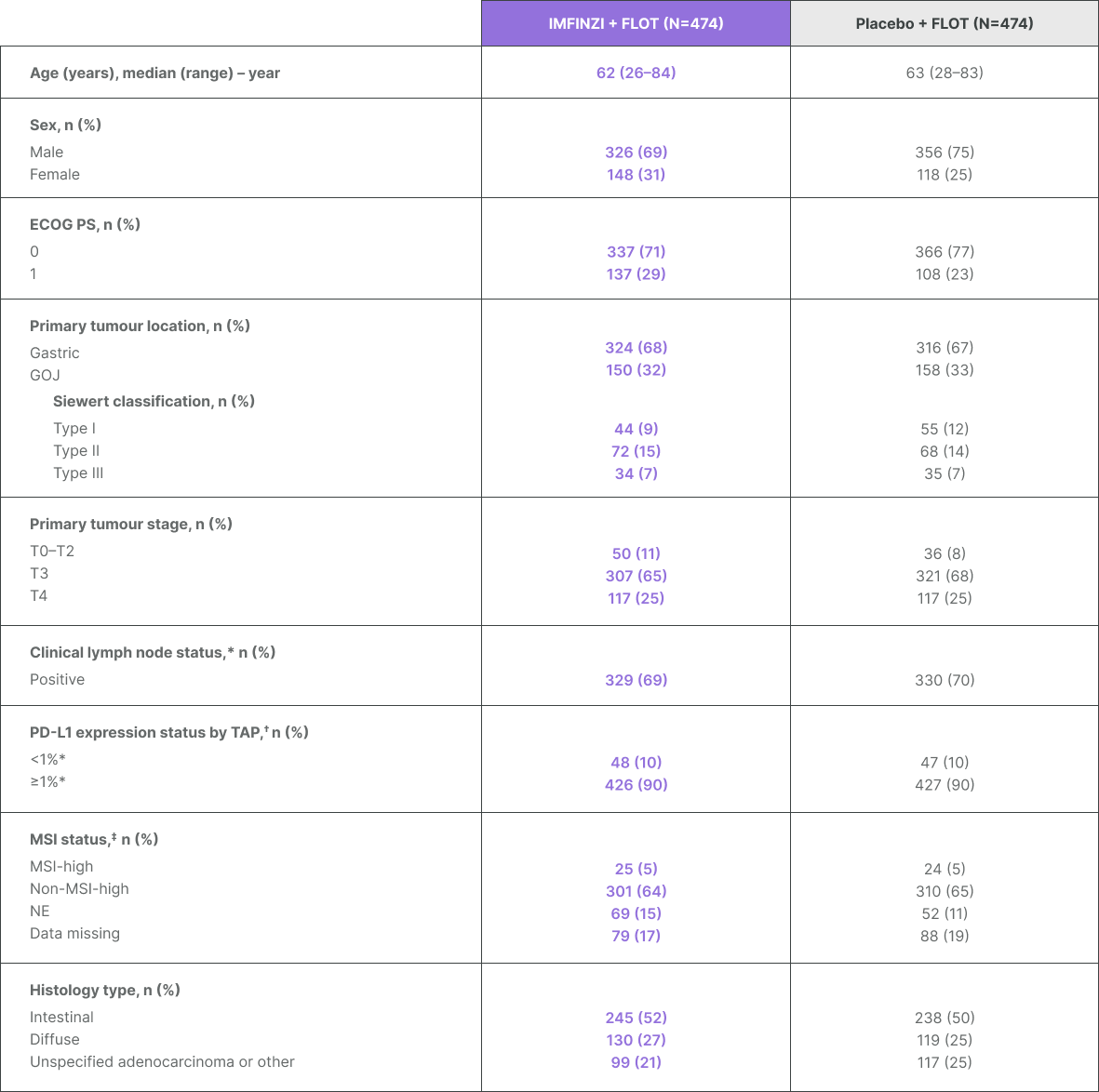
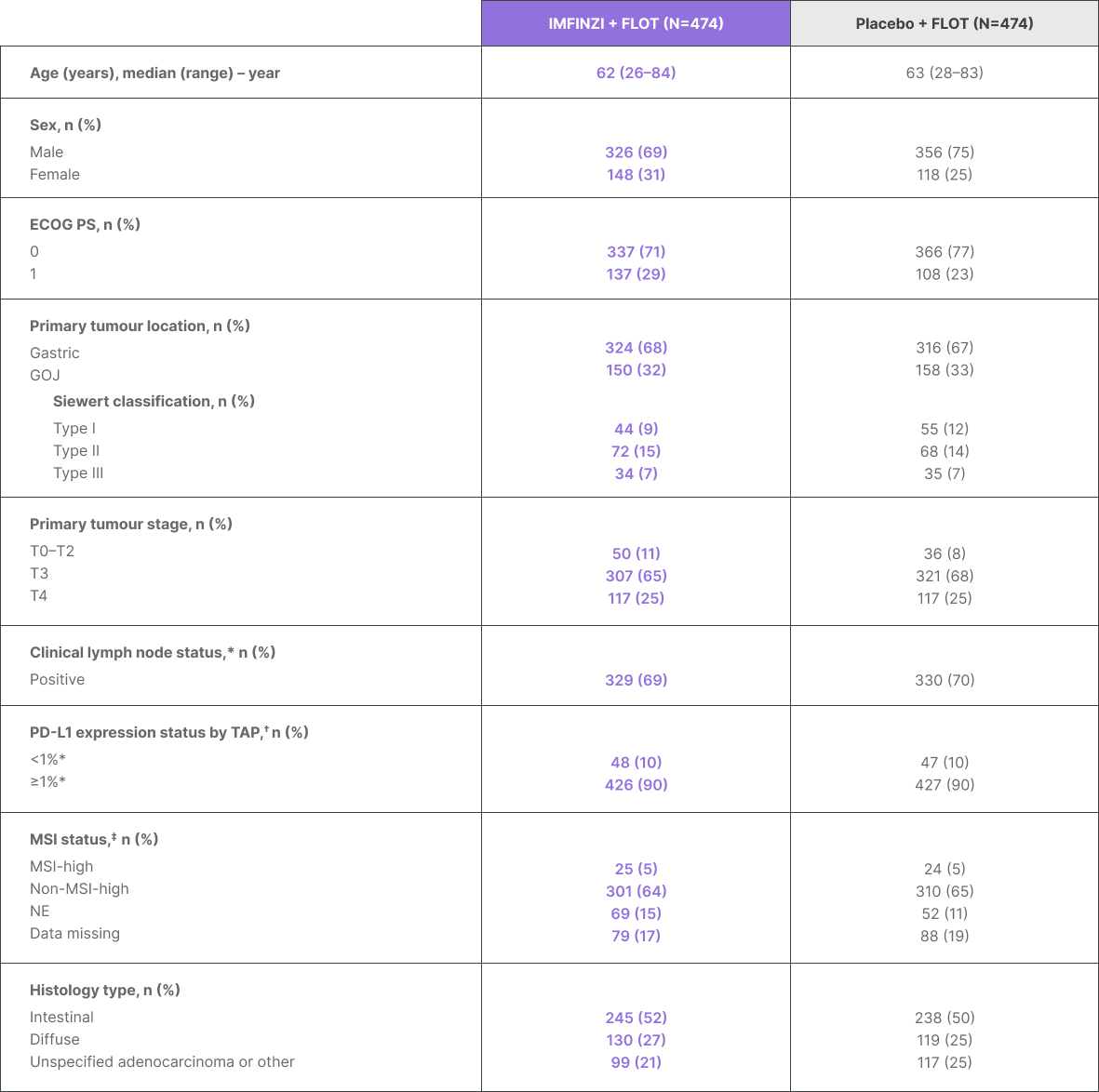
Baseline characteristics1,2

*Stratification factor data.1
†PD-L1 expression (assessed according to the TAP score which is determined by visual aggregation and estimation of the area covered by PD-L1–positive tumour cells and tumour-associated immune cells relative to the total tumour area on the immunohistochemical slide) was measured by the VENTANA® PD-L1 (SP263) CDx assay and recorded at randomisation with the use of the interactive response technology system, randomisation and trial supply management system, or an electronic case report form or with data from an external vendor from samples collected on or before randomisation.1
‡Microsatellite instability was measured by a clinical trial assay based on FoundationOne® CDx in a research use only capacity.1

Back to top

MATTERHORN trial: efficacy results

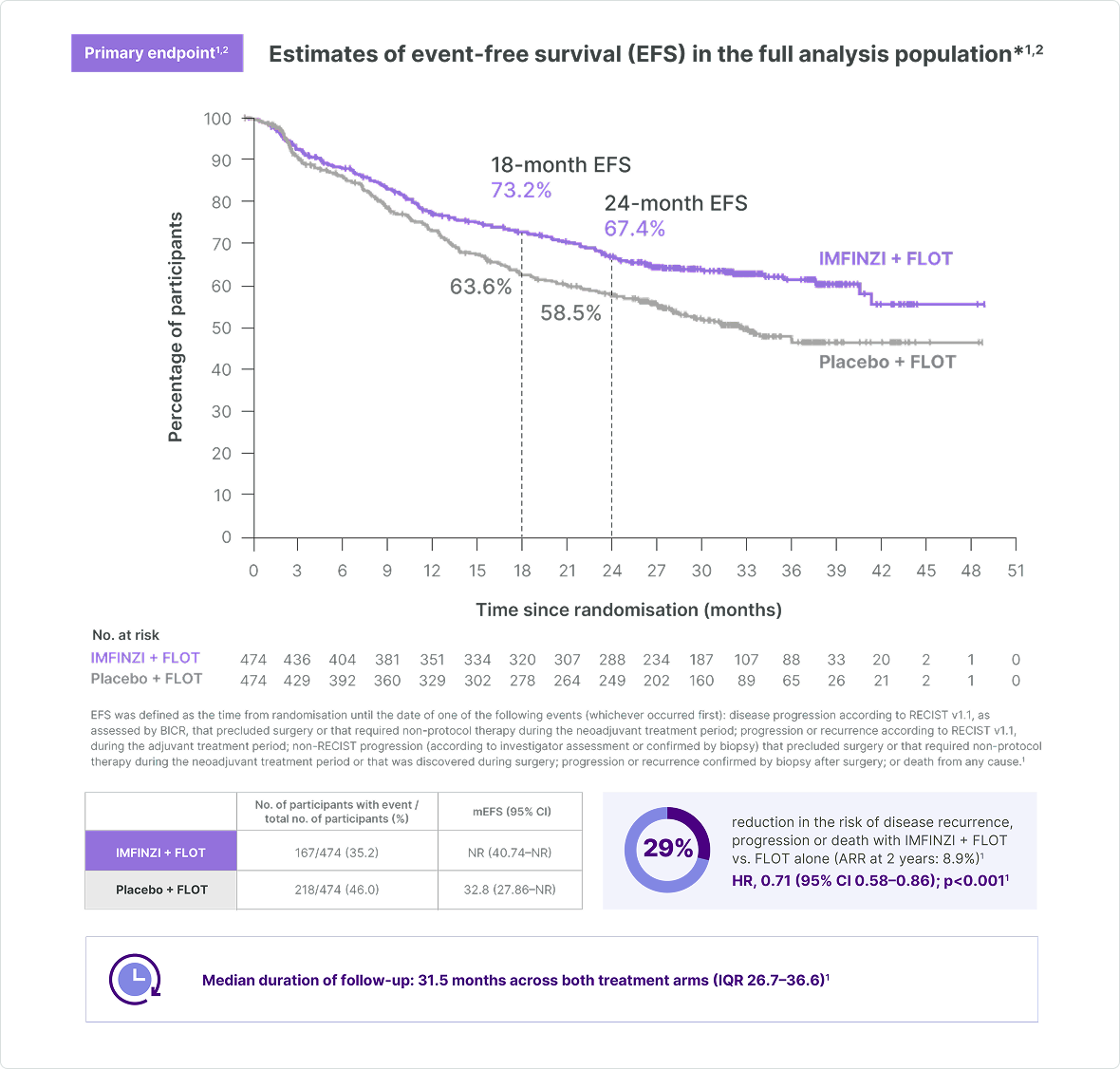
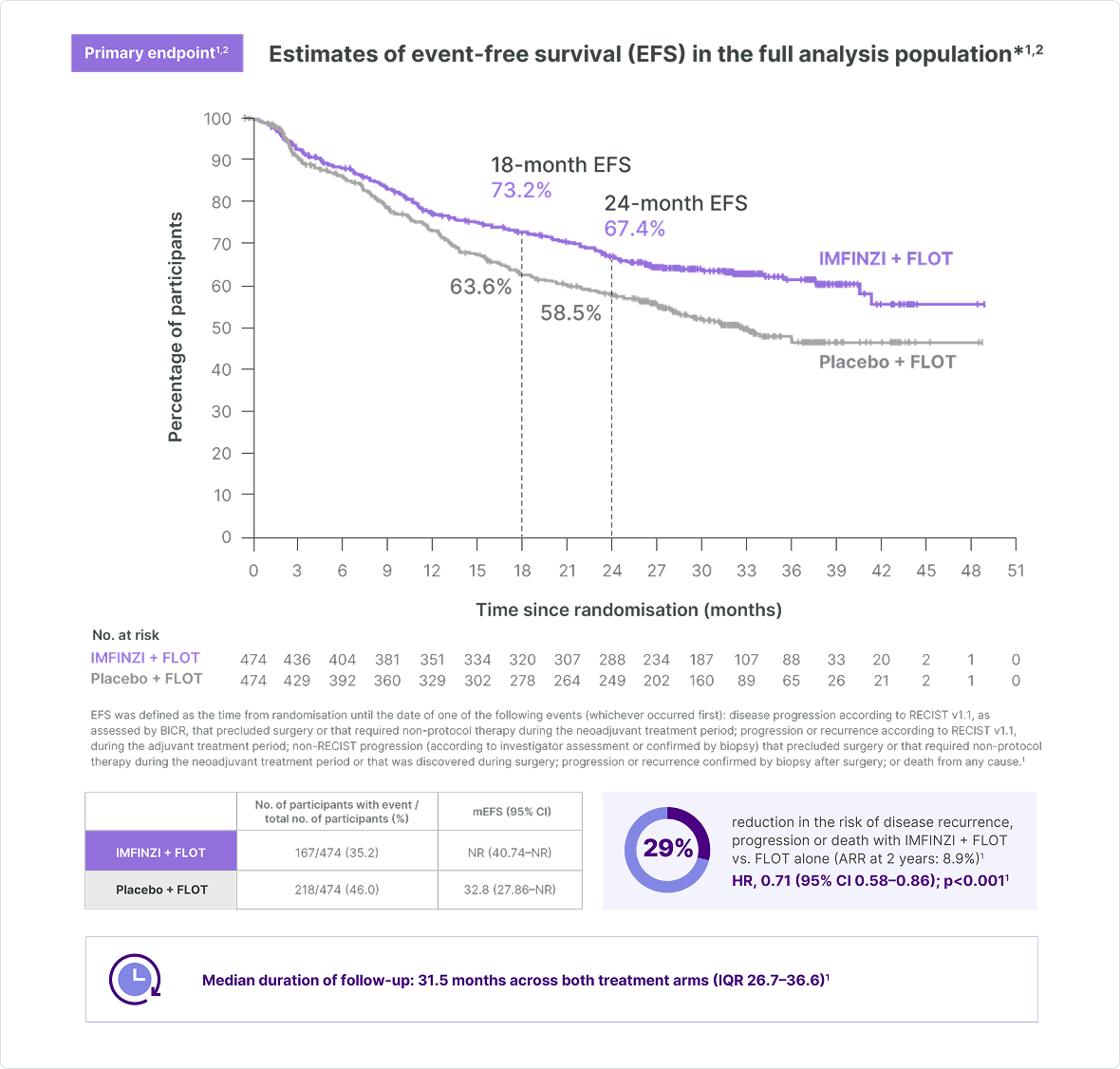
IMFINZI + FLOT demonstrated a statistically significant
2-year EFS benefit vs. FLOT alone (67.4% vs. 58.5%; p<0.001)1,2

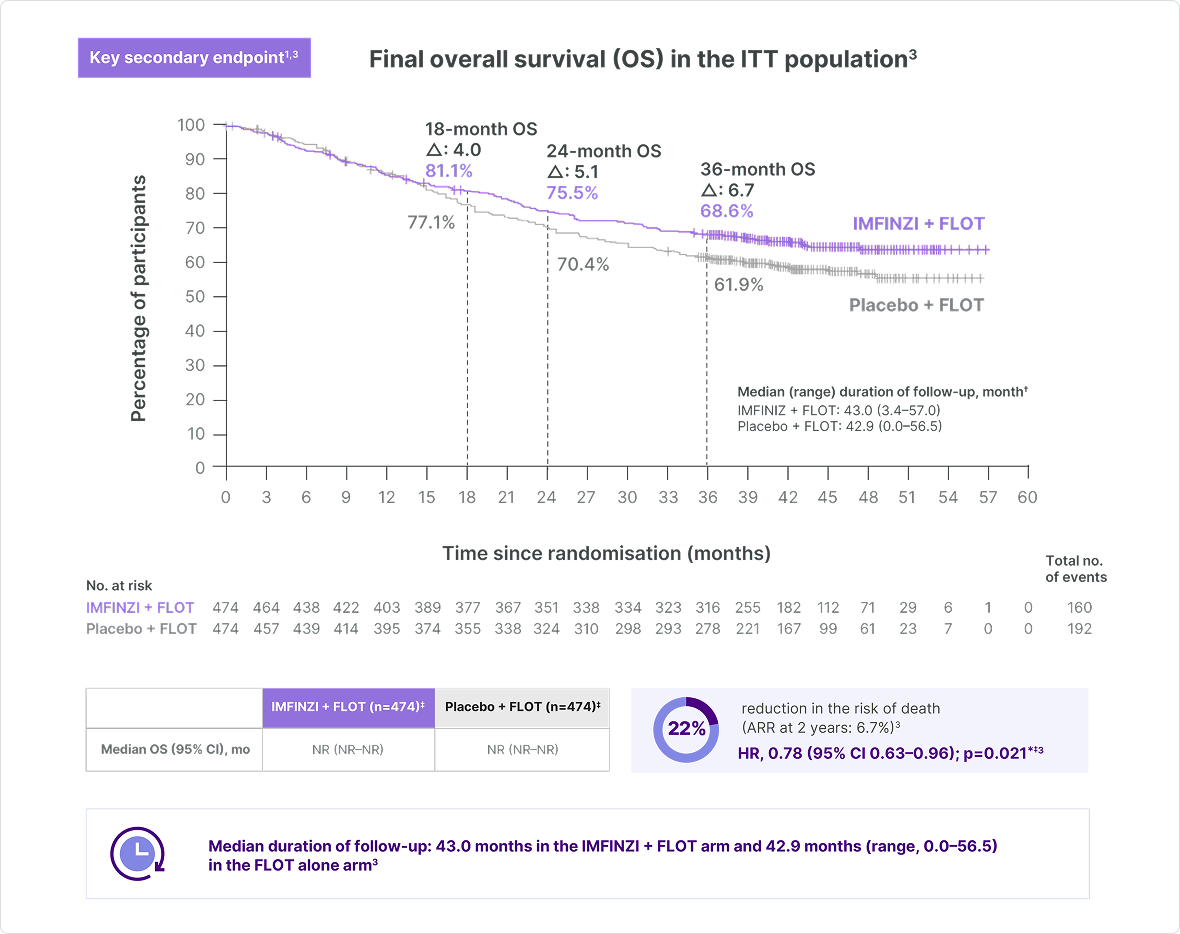
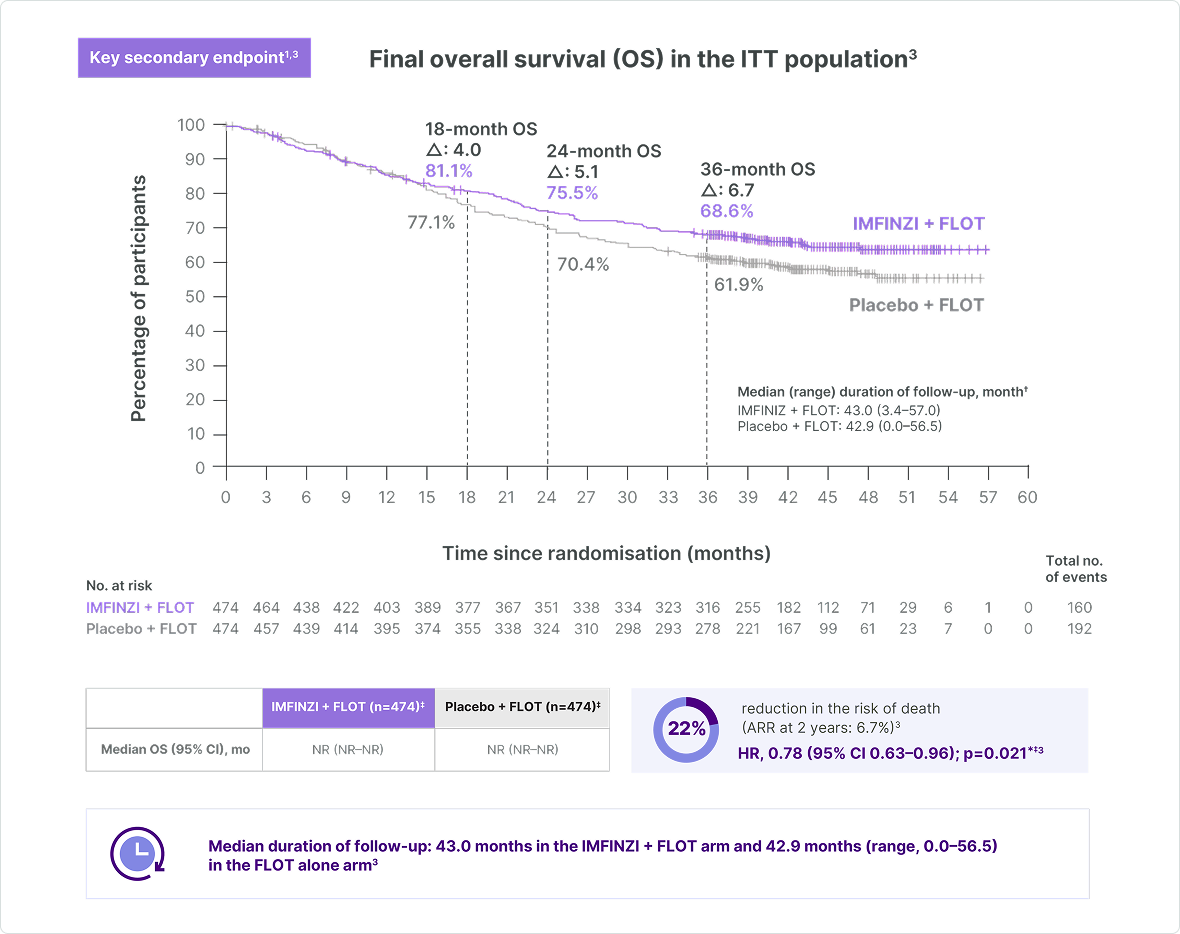
IMFINZI + FLOT demonstrated a statistically significant and 
clinically meaningful improvement in OS at 3 years vs. FLOT alone (68.6% vs. 61.9%; p<0.021)*3

DCO: 1 September 2025. OS maturity: 37.1%. Events were defined as time from randomisation until the date of death due to any cause. OS is defined as the time from randomisation until the date of death from any cause. Pathological complete response (PCR) is defined by no presence of residual viable tumour cells in the primary tumour and resected lymph nodes at surgery, corresponding to 100% pathological regression as assessed by BICR in accordance with modified Ryan criteria.1 The HR and CI were estimated from a Cox proportional hazards model, adjusted for geographic region, clinical lymph node status and PD-L1 expression status. The CI for the HR was calculated using a profile likelihood approach. An HR <1 favours IMFINZI + FLOT. The two-sided p-value was calculated using a stratified log-rank test adjusting for geographic region, clinical lymph node status and PD-L1 expression status.3
*The significance threshold for OS was set at p<0.0499.3
†In censored participants.3
‡Intention to treat analysis set (all randomised participants, regardless of treatment received).

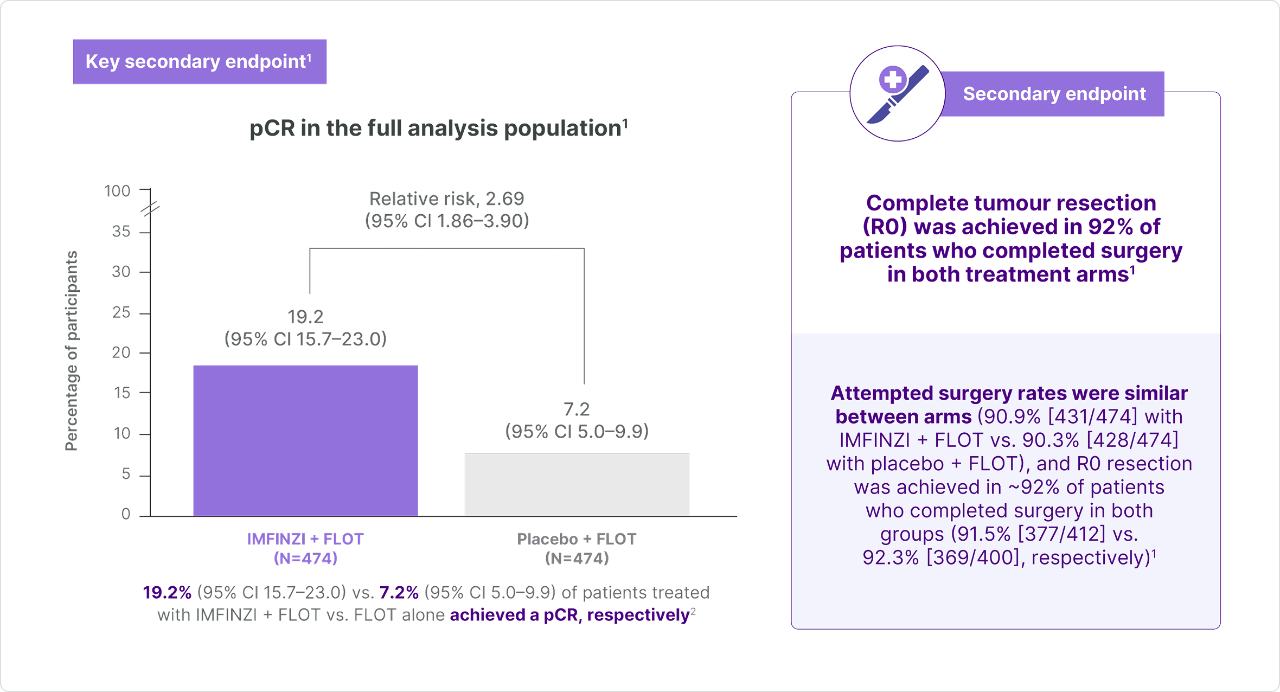
The addition of IMFINZI to FLOT saw double the pathological complete response rates with no impact to surgical completion vs. FLOT alone1

Back to top

MATTERHORN trial: safety profile

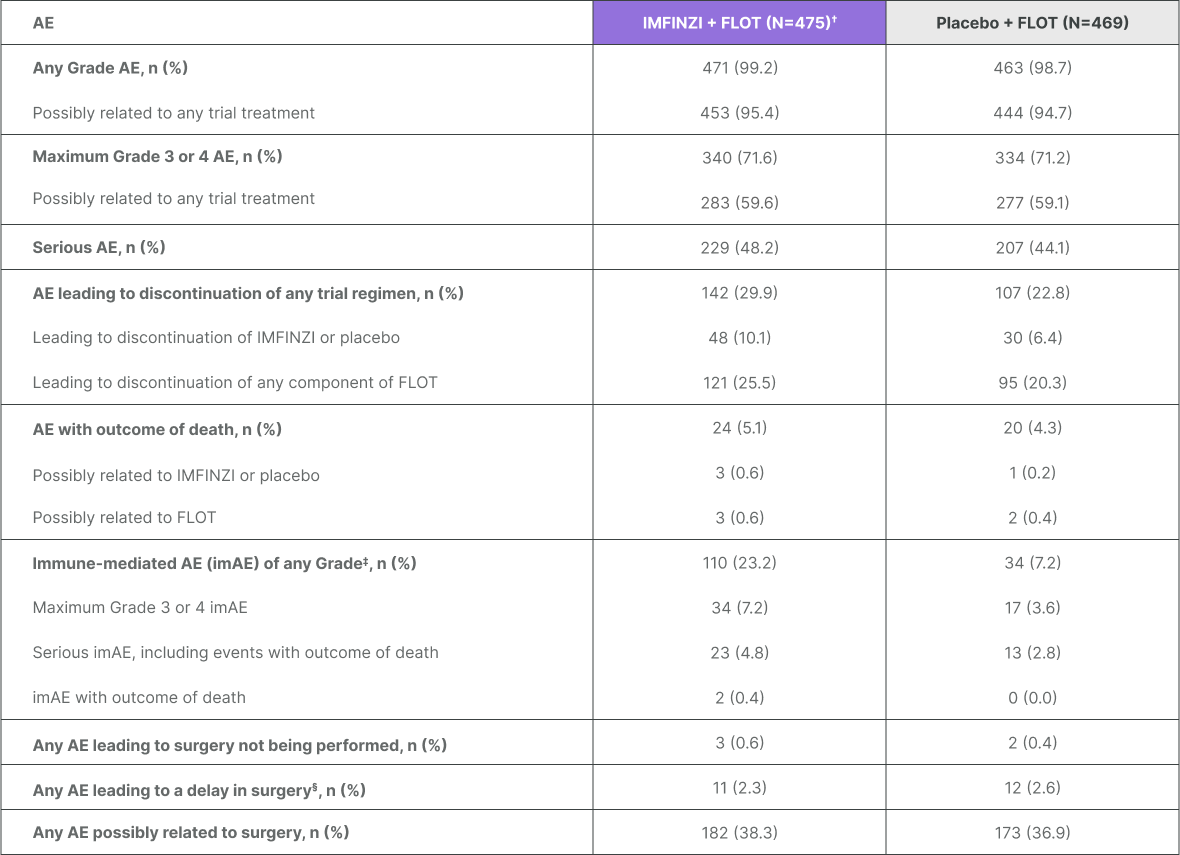
The safety profile for the combination of IMFINZI and FLOT was generally consistent with the known profiles of each agent, and no new safety signals were observed1,2

AEs in the safety analysis population*1,2

Most common AEs (≥20%) reported in the IMFINZI + FLOT arm were diarrhoea (62.3%), nausea (50.7%), neutropenia (32.2%), alopecia (30.5%), decreased appetite (30.5%), fatigue (28.8%), vomiting (26.1%), anaemia (25.1%), neutrophil count decreased (25.1%), peripheral sensory neuropathy (20.2%), asthenia (20.0%) and pyrexia (20.0%)1,2


Most common Grade 3 or 4 AEs (≥5%) in either arm were neutropenia (21.7%), neutrophil count decreased (21.0%), diarrhoea (6.1%), white cell count decreased (5.6%) and anaemia (5.1%)1,2


imAEs are a special warning for IMFINZI. Please refer to the SmPC for full details on AEs, special warnings and their management4

*Included are AEs reported during the overall treatment period that had an onset date on or after the first dose of investigational treatment, as well as AEs that had an onset date before the first dose but that increased in severity on or after the first dose up to and including 90 days after the last dose or until initiation of the first subsequent anticancer therapy (excluding palliative radiotherapy), whichever occurred first.1

†One participant in the placebo group received a single dose of IMFINZI and was therefore included in the IMFINZI group for the safety analysis.1
‡This category excludes infusion or hypersensitivity reactions.
§A surgical delay was defined as surgery occurring more than 8 weeks (56 days) after the last dose of neoadjuvant treatment.1

AE, adverse event; AJCC, American Joint Committee on Cancer; ARR, absolute risk reduction; CDx, companion diagnostics; CI, confidence interval; D, day; DCO, data cut‑off; ECOG, Eastern Cooperative Oncology Group; (m)EFS, (median) event-free survival; FLOT, fluorouracil, leucovorin, oxaliplatin and docetaxel; GC, gastric cancer; GOJ(C), gastro-oesophageal junction (cancer); HCP, healthcare professional; HR, hazard ratio; imAE, immune‑mediated adverse event; IQR, interquartile range; ITT, intent to treat; MHRA, Medicines and Healthcare products Regulatory Agency; MSI, microsatellite instability‑high; NE, not estimated; NR, not reached; (m)OS, (median) overall survival; pCR, pathological complete response; PD‑L1, programmed death‑ligand 1; PS, performance status; Q4W, every 4 weeks; R, randomised; SmPC, Summary of Product Characteristics; TAP, tumour area positivity.


  1. Janjigian YY, et al. N Engl J Med. 2025;393(3):217–230.
  2. Janjigian YY, et al. Presented at ASCO 2025; 30 May–2 June; Chicago, IL. Abstract #LBA5.
  3. Tabernero J, et al. Presented at ESMO 2025; 17–21 October; Berlin, Germany. Abstract #LBA81.
  4. IMFINZI. Summary of Product Characteristics. United Kingdom.
  5. Al-Batran SE, et al. Lancet. 2019;393(10184):1948–1957.

GB-77158 | August 2026

Adverse events should be reported. Reporting forms and information can be found at http://www.mhra.gov.uk/yellowcard or search for MHRA Yellow Card in the Google Play or Apple App Store. Adverse events should also be reported to AstraZeneca by visiting https://contactazmedical.astrazeneca.com/ or by calling ‌‌‌0‌‌‌8‌‌‌‌‌0‌‌‌‌0‌‌‌ ‌‌7‌‌‌‌‌‌8‌‌‌3‌‌‌ ‌‌0‌‌‌‌‌0‌‌‌‌3‌‌‌‌3‌‌‌.

Connessiallasalute.it

This website was created for UK HCPs and has been designed to provide information to educate, empower and enable them in the great work they are doing for patients across a range of therapy areas. This website is intended for doctors, nurses, and pharmacists in the UK. Other UK residents please visit astrazeneca.co.uk.

Terms of use

Privacy Policy

Cookie Policy

Contact Us

LinkedIn

Twitter

©2026 AstraZeneca. GB-77232 | June 2026

Enhance your knowledge, stay informed

Be the first to know. Hear about events, products and ways to support your patients.

Thank you. We will be in touch

GB-74216| DOP : February 2026