Welcome to this UK AstraZeneca produced and funded website

This website is intended for UK Healthcare Professionals only.


The website contains both promotional and non-promotional content.


If you are a patient or a carer of a patient prescribed an AstraZeneca product, please visit myazmed.co.uk


For any other UK residents please visit astrazeneca.co.uk

I am not a Healthcare Professional
IMFINZI (durvalumab) UK Prescribing Information
IMJUDO (tremelimumab) ▼ UK Prescribing Information
Adverse Event Reporting

This website is intended for UK Healthcare professionals only. Other UK residents please visit astrazeneca.co.uk

AstraZeneca-logo
  • Our Medicines
    • Cardiovascular, Renal & Metabolism
      • ATTR Amyloidosis
        • WAINZUA®▼(eplontersen)
      • Chronic Kidney Disease (CKD)
        • FORXIGA® (dapagliflozin)
      • Heart Failure
        • FORXIGA® (dapagliflozin)
      • Hyperkalaemia
        • LOKELMA® (sodium zirconium cyclosilicate)
      • Type 2 Diabetes (T2D)
        • FORXIGA® (dapagliflozin)
    • Oncology
      • Breast Cancer
        • LYNPARZA® (olaparib)
        • TRUQAP®▼(capivasertib)
      • Bladder Cancer
        • IMFINZI® (durvalumab)
      • Endometrial Cancer
        • IMFINZI® (durvalumab)
        • LYNPARZA® (olaparib)
      • Gastrointestinal Cancer
        • IMFINZI® (durvalumab)
        • IMJUDO®▼(tremelimumab)
      • Lung Cancer
        • IMFINZI® (durvalumab)
        • TAGRISSO® (osimertinib)
      • Ovarian Cancer
        • LYNPARZA® (olaparib)
      • Prostate Cancer
        • LYNPARZA® (olaparib)
        • ZOLADEX® (goserelin)
    • Respiratory
      • Asthma
        • TEZSPIRE®▼ (tezepelumab)
        • SYMBICORT® (budesonide/formoterol)
      • Chronic Obstructive Pulmonary Disease(COPD)
        • TRIXEO AEROSPHERE® (formoterol fumarate dihydrate/glycopyrronium/budesonide)
        • BEVESPI® (glycopyrronium/formoterol fumarate dihydrate)
    • Vaccines
      • Flu
        • FLUENZ® nasal spray suspension (influenza vaccine, live attenuated, nasal)
  • Therapy Areas
    • Cardiovascular, Renal & Metabolism
      • ATTR Amyloidosis
      • Chronic Kidney Disease (CKD)
      • Heart Failure
      • Hyperkalaemia
      • Type 2 Diabetes (T2D)
    • Oncology
      • Breast Cancer
      • Bladder Cancer
      • Endometrial Cancer
      • Gastrointestinal Cancer
      • Lung Cancer
      • Ovarian Cancer
      • Prostate Cancer
    • Respiratory
      • Asthma
      • Chronic Obstructive Pulmonary Disease(COPD)
    • Vaccines
      • Flu
  • About us
    • AZ Commitment
  • Contact us
  • AstraZeneca UK
  • IMFINZI (durvalumab)
  • About hepatocellular carcinoma
  • Home
  • Biliary tract cancer
    • About biliary tract cancer
    • Mode of action
    • TOPAZ-1 clinical trial
    • Dosing & administration
    • Resources
  • Hepatocellular carcinoma
    • Why STRIDE?
    • About hepatocellular carcinoma
    • Mode of action
    • HIMALAYA clinical trial
    • Dosing & administration
    • Resources
  • Resources
    • Biliary tract cancer resources
    • Hepatocellular carcinoma resources
    • Gastrointestinal cancer resources
About hepatocellular carcinoma


Confronting the challenge

The incidence of liver cancers (which includes HCC) is rising and, despite treatment advances, prognosis remains poor.1,2

Hepatocellular carcinoma (HCC) incidence and prognosis

Liver cancers are the eighth-leading cause of cancer-related deaths in the UK (2017-2019), with HCC being the most common form of liver cancer and accounting for the highest mortality rates.2,3


Over 50% of HCC cases in England remain untreated and survival rates are low. There are also disparities in patient outcomes despite similar incidence rates across regions, highlighting the need to address barriers to care and improve treatment access.4


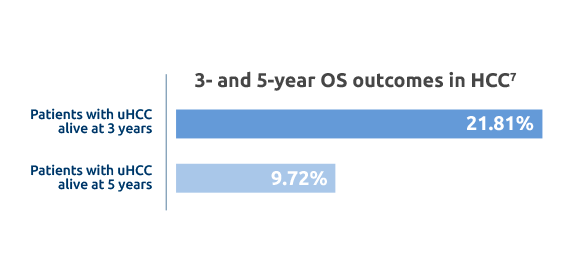
Patients with uHCC need therapies that enable long-term survival while limiting treatment-related toxicity.5,6

Liver Cancer, which includes HCC, is the eighth-leading cause of cancer-related deaths in the UK (2017-2019)2

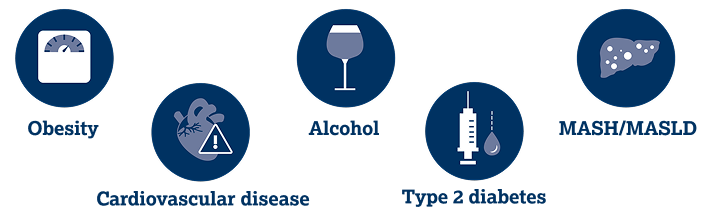
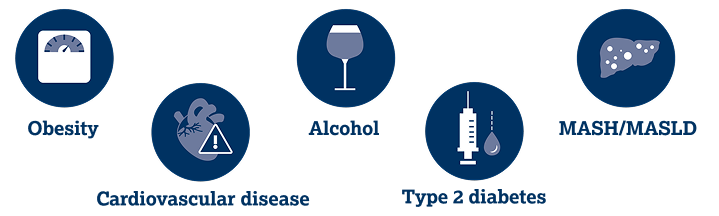
HCC risk factors are evolving, with non-viral risk becoming increasingly significant alongside HBV and HCV.1,8.9

Confronting stigma in HCC

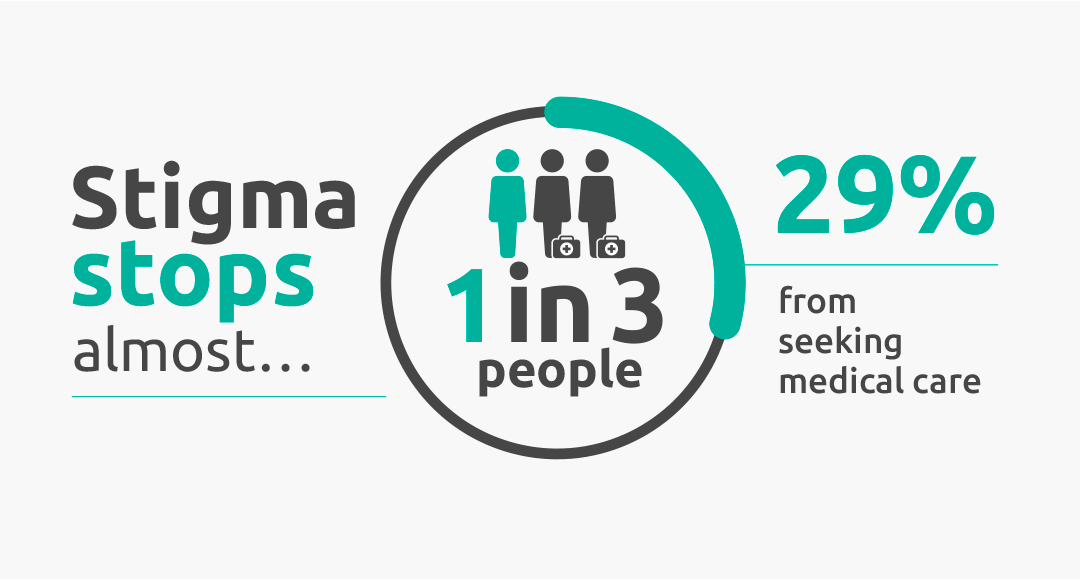
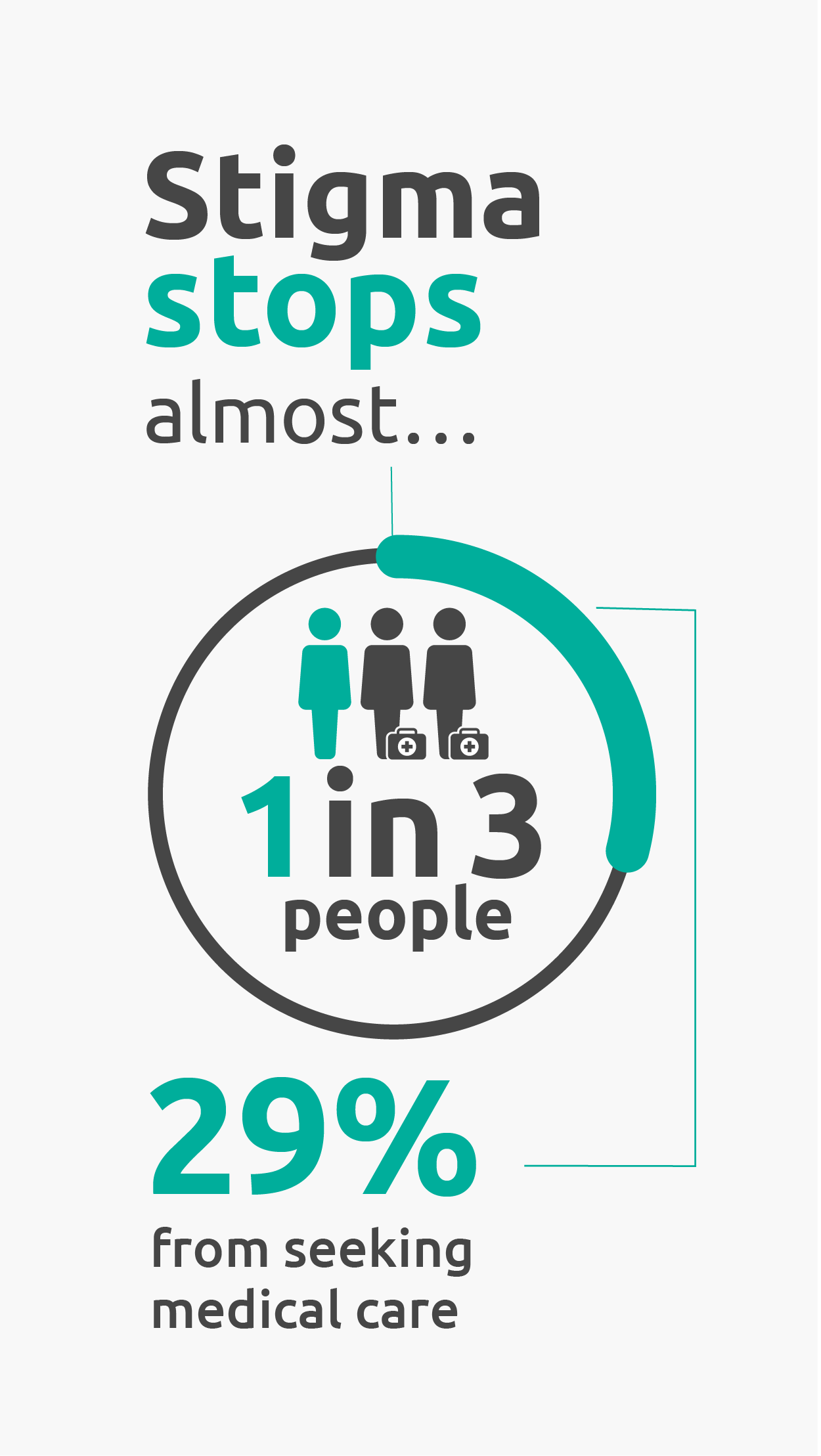
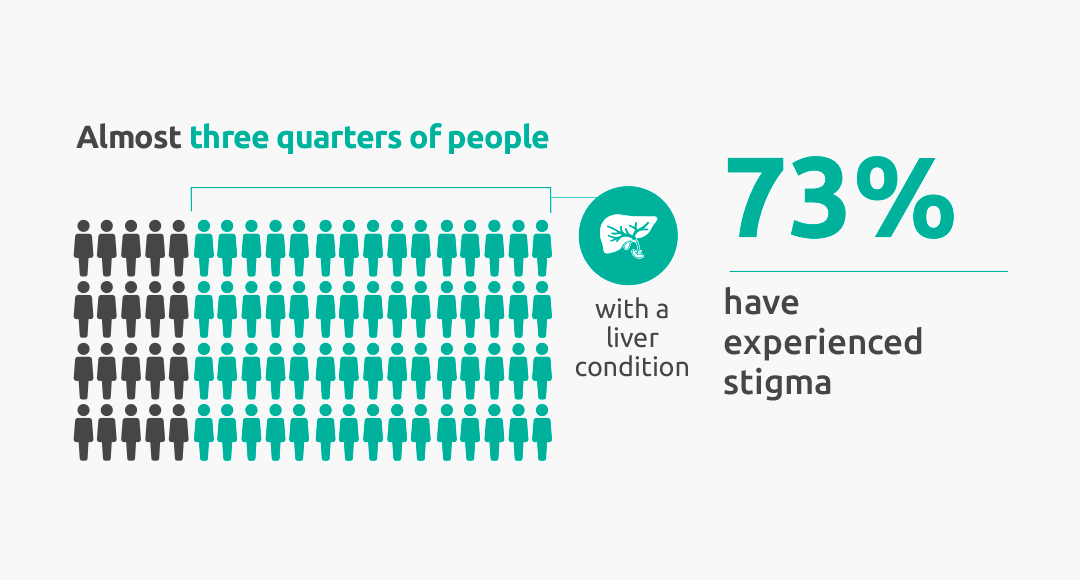
In addition to the many challenges associated with HCC, patients often face the added burden of stigma, which can lead to feelings of shame and isolation. Addressing this issue is critical, as stigma can prevent individuals from seeking the care they need and connecting with support networks.

Breaking down the barriers of stigma in HCC is crucial to creating a supportive environment and overcoming challenges to improve patient outcomes. Scroll through the carousel below to see some of the findings from the British Liver Trust’s stigma survey, which involved 1,134 patients with liver disease:10

About HCC-c1-s1 About HCC-c1-s1
About HCC-c1-s2 About HCC-c1-s2
About HCC-c1-s3 About HCC-c1-s3
  1. slide-1
  2. slide-2
  3. slide-3

1L, first line; HCV, hepatitis C virus; MASH, metabolic dysfunction‐associated steatohepatitis; MASLD, metabolic dysfunction‐associated steatotic liver disease; OS, overall survival; STRIDE, single tremelimumab regular interval durvalumab; uHCC, advanced or unresectable hepatocellular carcinoma; HBV, hepatitis B virus.

  1. Rumgay H. et al. J Hepatol. 2022;77(6):1598-1606.
  2. Cancer Research UK (2022) Liver cancer mortality statistics. Available at: https://www.cancerresearchuk.org/health-professional/cancer-statistics/statistics-by-cancer-type/liver-cancer/mortality#heading-Zero (Accessed: March 2025)
  3. Burton A, et al. JHEP Reports. 2021;3(2):100232.
  4. Beecroft s. et al. Frontline Gastroenterol. 2022 May 9;14(1):19–24.
  5. Fulgenzi CA. et al. Eur J Cancer. 2022;174:57-67.
  6. Llovet JM. et al. Hepatocellular carcinoma. Nat Rev Dis Primers. 2021;7(1):6.
  7. Straś W, et al. Med Sci Monit. 2021;27:e931856.
  8. Rinella ME. et al. J Hepatol. 2023;79(6):1542-1556.
  9. Zhang C. et al. Front Endocrinol (Lausanne). 2021;12:808526.
  10. British Liver Trust (2022) Stigma survey results. Available at: https://britishlivertrust.org.uk/stigma-survey-results/ (Accessed: March 2025)

GB-64277 | April 2025

Adverse events should be reported. Reporting forms and information can be found at http://www.mhra.gov.uk/yellowcard or search for MHRA Yellow Card in the Google Play or Apple App Store. Adverse events should also be reported to AstraZeneca by visiting https://contactazmedical.astrazeneca.com/ or by calling ‌‌‌0‌‌‌8‌‌‌‌‌0‌‌‌‌0‌‌‌ ‌‌7‌‌‌‌‌‌8‌‌‌3‌‌‌ ‌‌0‌‌‌‌‌0‌‌‌‌3‌‌‌‌3‌‌‌.

Connessiallasalute.it

This website was created for UK HCPs and has been designed to provide information to educate, empower and enable them in the great work they are doing for patients across a range of therapy areas. This website is intended for doctors, nurses, and pharmacists in the UK. Other UK residents please visit astrazeneca.co.uk.

Terms of use

Privacy Policy

Cookie Policy

Contact Us

LinkedIn

Twitter

©2026 AstraZeneca. GB-76920 | May 2026

Enhance your knowledge, stay informed

Be the first to know. Hear about events, products and ways to support your patients.

Thank you. We will be in touch

GB-74216| DOP : February 2026