Welcome to this UK AstraZeneca produced and funded website

This website is intended for UK Healthcare Professionals only.


The website contains both promotional and non-promotional content.


If you are a patient or a carer of a patient prescribed an AstraZeneca product, please visit myazmed.co.uk


For any other UK residents please visit astrazeneca.co.uk

I am not a Healthcare Professional
IMFINZI (durvalumab) UK Prescribing Information
IMJUDO (tremelimumab) ▼ UK Prescribing Information
Adverse Event Reporting

This website is intended for UK Healthcare professionals only. Other UK residents please visit astrazeneca.co.uk

AstraZeneca-logo
  • Our Medicines
    • Cardiovascular, Renal & Metabolism
      • ATTR Amyloidosis
        • WAINZUA®▼(eplontersen)
      • Chronic Kidney Disease (CKD)
        • FORXIGA® (dapagliflozin)
      • Heart Failure
        • FORXIGA® (dapagliflozin)
      • Hyperkalaemia
        • LOKELMA® (sodium zirconium cyclosilicate)
      • Type 2 Diabetes (T2D)
        • FORXIGA® (dapagliflozin)
    • Oncology
      • Breast Cancer
        • LYNPARZA® (olaparib)
        • TRUQAP®▼(capivasertib)
      • Bladder Cancer
        • IMFINZI® (durvalumab)
      • Endometrial Cancer
        • IMFINZI® (durvalumab)
        • LYNPARZA® (olaparib)
      • Gastrointestinal Cancer
        • IMFINZI® (durvalumab)
        • IMJUDO®▼(tremelimumab)
      • Lung Cancer
        • IMFINZI® (durvalumab)
        • TAGRISSO® (osimertinib)
      • Ovarian Cancer
        • LYNPARZA® (olaparib)
      • Prostate Cancer
        • LYNPARZA® (olaparib)
        • ZOLADEX® (goserelin)
    • Respiratory
      • Asthma
        • TEZSPIRE®▼ (tezepelumab)
        • SYMBICORT® (budesonide/formoterol)
      • Chronic Obstructive Pulmonary Disease(COPD)
        • TRIXEO AEROSPHERE® (formoterol fumarate dihydrate/glycopyrronium/budesonide)
        • BEVESPI® (glycopyrronium/formoterol fumarate dihydrate)
    • Vaccines
      • Flu
        • FLUENZ® nasal spray suspension (influenza vaccine, live attenuated, nasal)
  • Therapy Areas
    • Cardiovascular, Renal & Metabolism
      • ATTR Amyloidosis
      • Chronic Kidney Disease (CKD)
      • Heart Failure
      • Hyperkalaemia
      • Type 2 Diabetes (T2D)
    • Oncology
      • Breast Cancer
      • Bladder Cancer
      • Endometrial Cancer
      • Gastrointestinal Cancer
      • Lung Cancer
      • Ovarian Cancer
      • Prostate Cancer
    • Respiratory
      • Asthma
      • Chronic Obstructive Pulmonary Disease(COPD)
    • Vaccines
      • Flu
  • About us
    • AZ Commitment
  • Contact us
  • AstraZeneca UK
  • IMFINZI (durvalumab)
  • TOPAZ-1 clinical trial
  • Home
  • Biliary tract cancer
    • About biliary tract cancer
    • Mode of action
    • TOPAZ-1 clinical trial
    • Dosing & administration
    • Resources
  • Hepatocellular carcinoma
    • Why STRIDE?
    • About hepatocellular carcinoma
    • Mode of action
    • HIMALAYA clinical trial
    • Dosing & administration
    • Resources
  • Resources
    • Biliary tract cancer resources
    • Hepatocellular carcinoma resources
    • Gastrointestinal cancer resources
TOPAZ-1 clinical trial

Establish IMFINZI + Gem-Cis as standard of care for your patients with aBTC

  • Study design
  • Efficacy
  • Safety

Indication: IMFINZI in combination with gemcitabine and cisplatin is indicated for the first line treatment of adults with locally advanced, unresectable or metastatic BTC.1

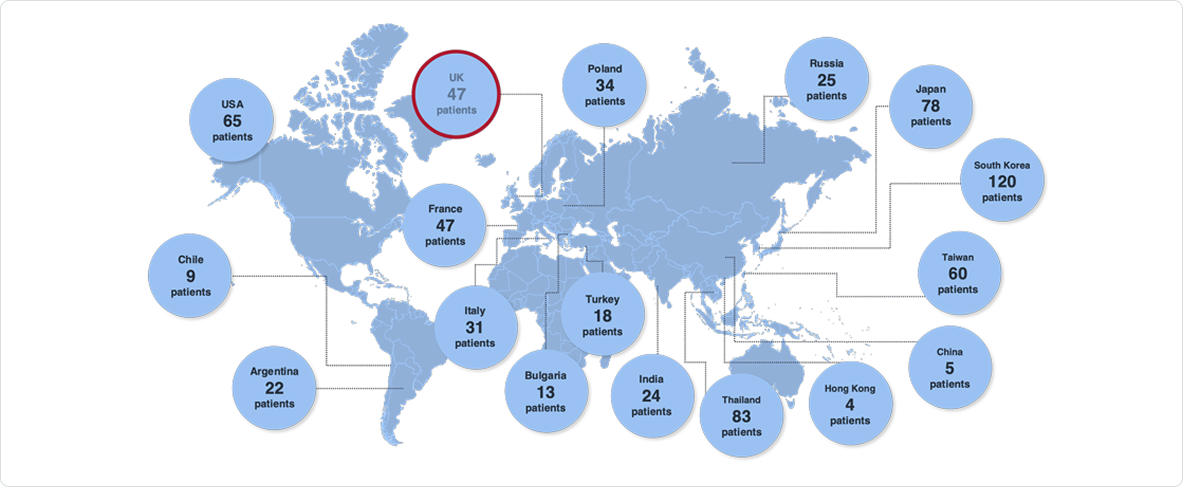
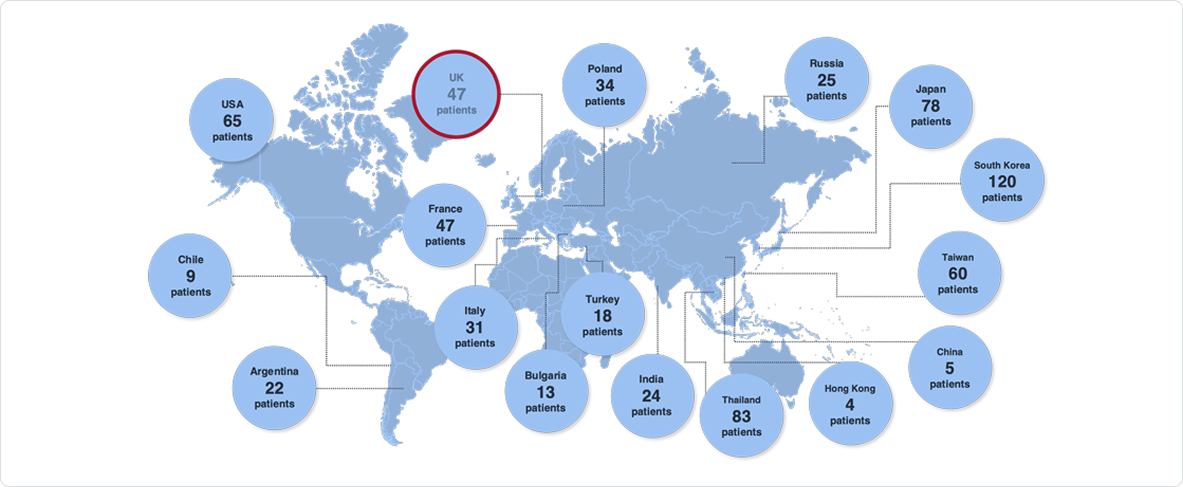
TOPAZ-1 recruited patients from across the globe2

685 patients with advanced BTC were recruited from 17 countries2

accross-globe accross-globe

TOPAZ-1 study design3,4

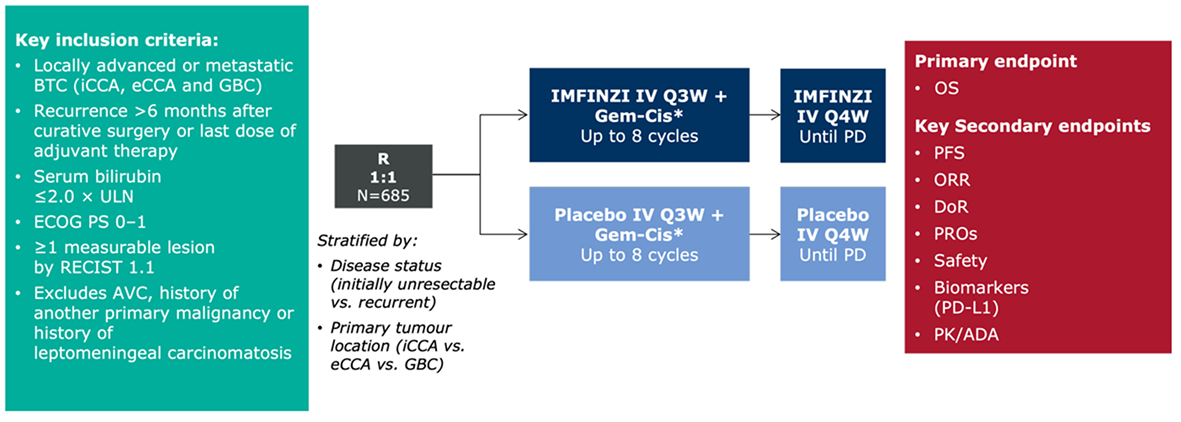
A Phase III, randomised, double-blind, placebo-controlled, global, multicentre study evaluating IMFINZI + Gem-Cis vs. placebo + Gem-Cis in 1L unresectable BTC3,4

accross-globe accross-globe

Patients randomised in China after last patient randomised in the global cohort, will only be analysed in the China Cohort (n=130).

*Cisplatin (25 mg/m2) and gemcitabine (1000 mg/m2) administered on Days 1 and 8 of each cycle Q3W, for up to 8 cycles (SoC chemotherapy).

Baseline characteristics were balanced and largely representative of the advanced or unresectable BTC population4,5

Baseline characteristics in the overall population of TOPAZ-14,5

 IMFINZI + Gem-Cis 

(n=341)
Placebo + Gem-Cis

(n=344)
Age (years)Median, (min, max)64.0 (20, 84)64.0 (31, 85)
Gender
Male, n (%)169 (49.6)176 (51.2)
RegionAsia, n (%)
Rest of world,2 n (%)   
 Europe   
 North America 
 South America
178 (52.2)
163 (47.8)
108 (31.7)
37 (10.9)
18 (5.3)
196 (57.0)
148 (43.0)
107 (31.1)
28 (8.1)
13 (3.8)
ECOG PS0, n (%)
1, n (%)
173 (50.7)
168 (49.3)
163 (47.4)
181 (52.6)
Disease classificationLocally advanced,
n (%) Metastasis, n (%)
38 (11.1)
303 (88.9)
57 (16.6)
286 (83.1)
Disease statusInitially unresectable, n (%)
Recurrent, n (%)
274 (80.4)
67 (19.6)
279 (81.1)
64 (18.6)
Primary tumour locationiCCA, n (%)
eCCA, n (%)
GBC, n (%)
190 (55.7)
66 (19.4)
85 (24.9)
193 (56.1)
65 (18.9)
86 (25.0)
PD-L1 expressionPositive (TIP≥1%), n (%)
Negative (TIP<1%), n (%)
Missing, n (%)
197 (57.8)
103 (30.2)
41 (12.0)
205 (59.6)
103 (29.9)
36 (10.5)
Virology statusAny viral hepatitis B, n (%)
Prior hepatitis C, n (%)
69 (20.2)
8 (2.3)
81 (23.5)
10 (2.9)

1L, first line; aBTC, advanced biliary tract cancer; ADA, antidrug antibody; AVC, ampulla of Vater carcinoma; BTC, biliary tract cancer; DoR, duration of response; ECOG, Eastern Cooperative Oncology Group; eCCA, extrahepatic cholangiocarcinoma; GBC, gallbladder cancer; Gem-Cis, gemcitabine-cisplatin; iCCA, intrahepatic cholangiocarcinoma; IV, intravenous; ORR, objective response rate; OS, overall survival; PD, progressive disease; PD-L1, programmed cell death-ligand 1; PFS, progression-free survival; PK, pharmacokinetic; PRO, patient-reported outcome; PS, performance status; Q3W, dose every 3 weeks; Q4W, dose every 4 weeks; R, randomisation; RECIST, Response Evaluation Criteria in Solid Tumours; SoC, standard of care; TIP, tumour/immune cell positivity; ULN, upper limit of normal.


  1. IMFINZI. Summary of Product Characteristics. United Kingdom.
  2. Oh DY, et al. Durvalumab plus gemcitabine and cisplatin in advanced biliary tract cancer. NEJM Evid. 2022;1(8):1–11.
  3. AstraZeneca. Protocol D933AC00001 Version 4.0. 17th April 2020.
  4. Oh DY, et al. Presented at ASCO GI 2022; San Francisco, CA; Abstract #378.
  5. Vogel A, et al. Presented at ASCO 2022; 3–7 July; Chicago, IL. Poster #4075.

Back to top

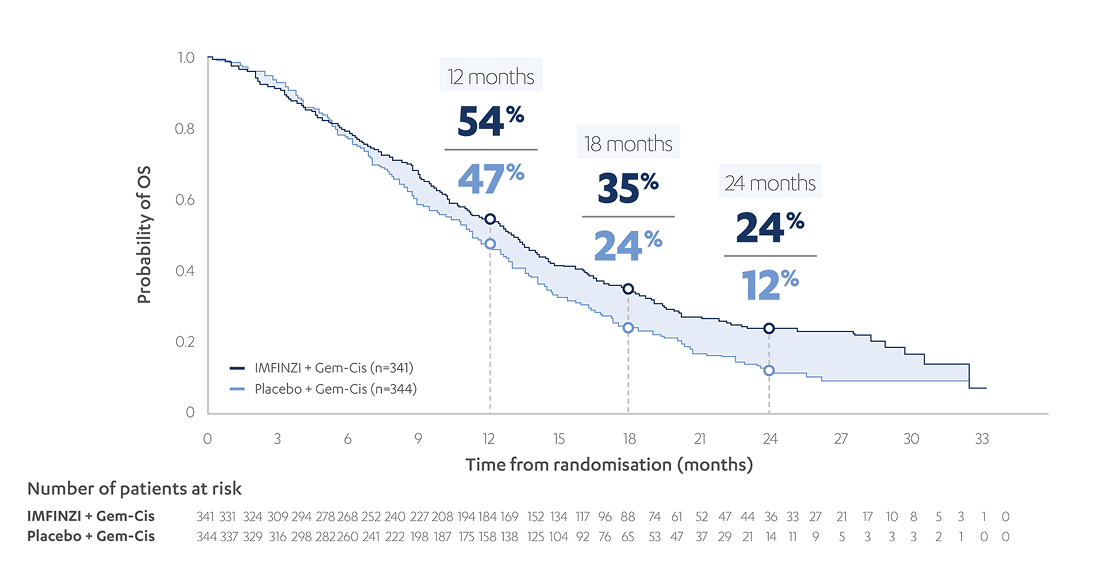
Double your patient's chance of survival at 2 years with IMFINZI + Gem-Cis vs placebo + Gem-Cis1

TOPAZ-1 overall survival1,2</

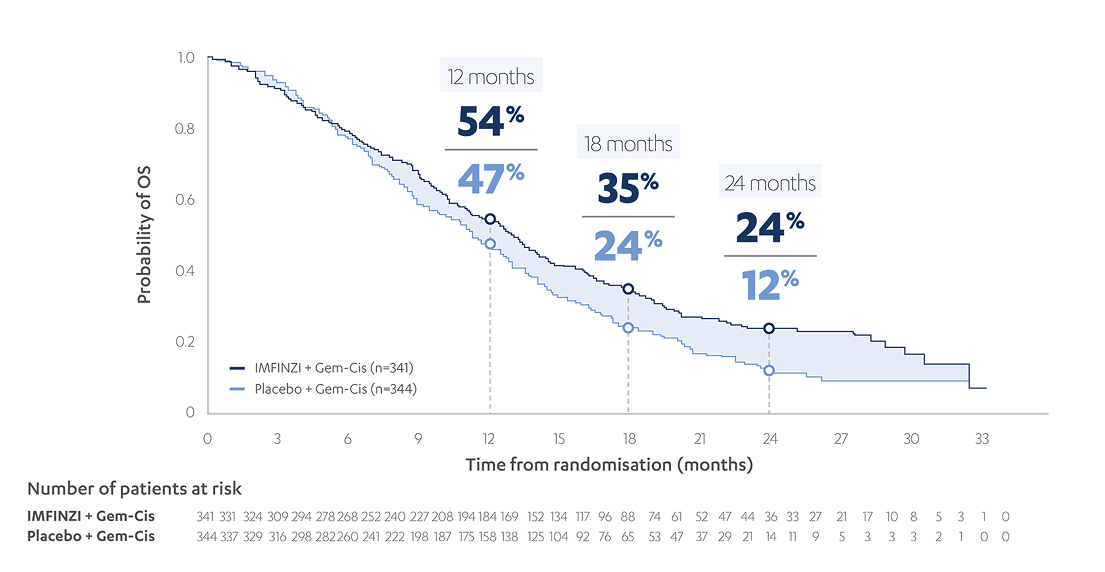
Overall survival (OS) at 2 years (updated analysis)*2

23.6%

IMFINZI + Gem-Cis

(n=341, 95% Cl 18.7–28.9)

11.5%

Placebo + Gem-Cis

(n=344, 95% Cl 7.6–16.2)

(Data cut-off: February, 2022)

Median OS (updated 2-year analysis)2

12.9 Months (11.6–14.1)

IMFINZI + Gem-Cis

11.3 Months (10.1–12.5)

Placebo + Gem-Cis

Click to view Kaplan Meier Curve

Overall survival (updated analysis)2,*,†,‡

overall-survival-popup-img overall-survival-popup-img

Adapted from Oh D-Y et al. Poster presentation. 2022


*The analysis for HR was performed using a stratified Cox proportional hazards model, and 2-sided p-value is based on a stratified log-rank test. Both are adjusted for disease status and primary tumour location.2

†At the time of the updated analysis (data cut-off: February 25, 2022), 527 events (77% OS maturity) had occurred: 248 patients (73%) with IMINZI + Gem-Cis and 279 (81%) with Placebo + Gem-Cis. OS was not formally tested for statistical significance at this time. OS at 24 months was estimated (Using Kaplan-Meier curve) and presented by treatment arm.2

‡IMFINZI + Gem-Cis reached statistical significance for the primary objective on the basis of a pre-specified interim analysis which was considered the final formal statistical analysis for OS.2

TOPAZ-1 is ongoing, allowing for further exploratory follow-up OS analysis.

Icon X2 Icon X2

Twice as many patients receiving the IMFINZI TOPAZ-1 regimen were alive at 2 years vs. placebo + Gem-Cis.1

Icon eye Icon eye

Exploratory analysis demonstrated that OS favoured the IMFINZI TOPAZ-1 regimen vs. placebo + Gem-Cis in some predefined subgroups.†1

Icon X2 Icon X2


reduction in the risk of death with IMFINZI + Gem-Cis (n=341) vs. placebo + Gem-Cis (n=344, HR, 0.76 [95% CI 0.64–0.91]); ARR at 2 years=12.1%.†2

OS was not formally tested for statistical significance at this time. No p-value reported.

*OS was estimated using Kaplan-Meier curves and presented by treatment arm. At the interim analysis (data cut-off: August, 2021) OS was tested for superiority using a log-rank test stratified by disease status and primary tumour location; the OS p-value of 0.021 met the boundary for declaring statistical significance.1 At the updated analysis (data cut-off: February, 2022), OS was not formally tested for significance due to significance already being met at the earlier timepoint.2

†Not powered for statistical significance.

With 6.5 months of additional follow-up, the OS benefit with the addition of durvalumab to Gem-Cis numerically improved versus the interim analysis: HR, 0.76 (95% CI 0.64–0.91) from HR, 0.80 (95% CI 0.66–0.97) [p=0.021].1,2

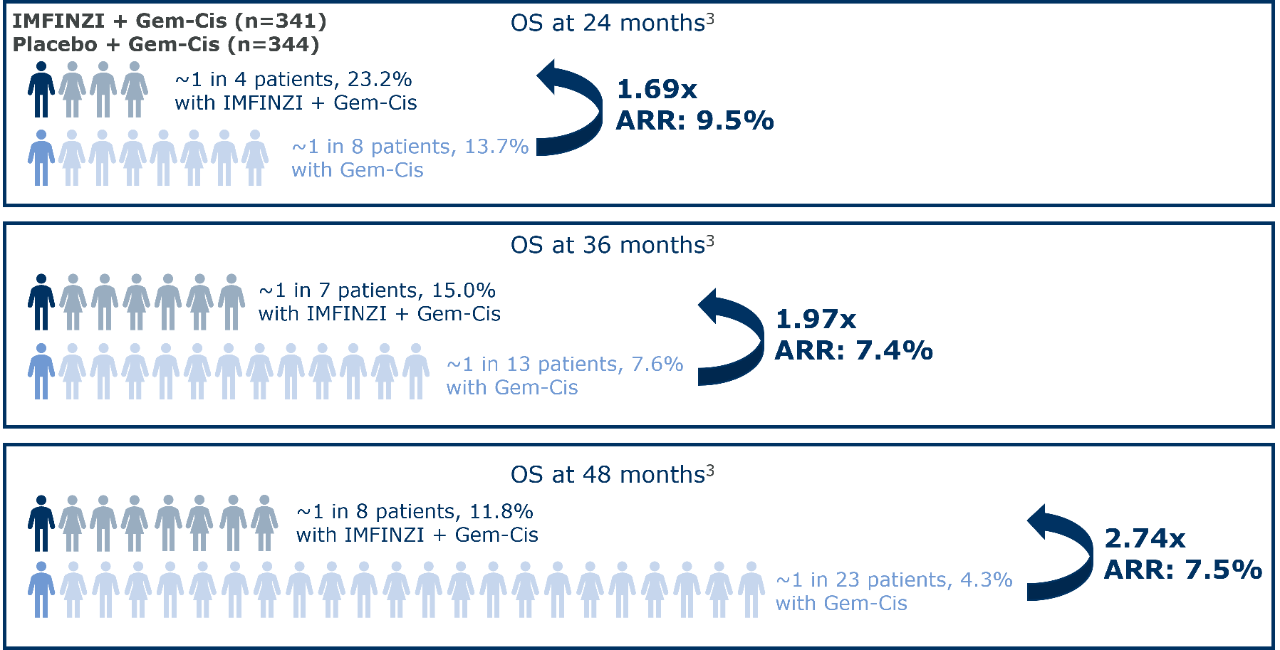
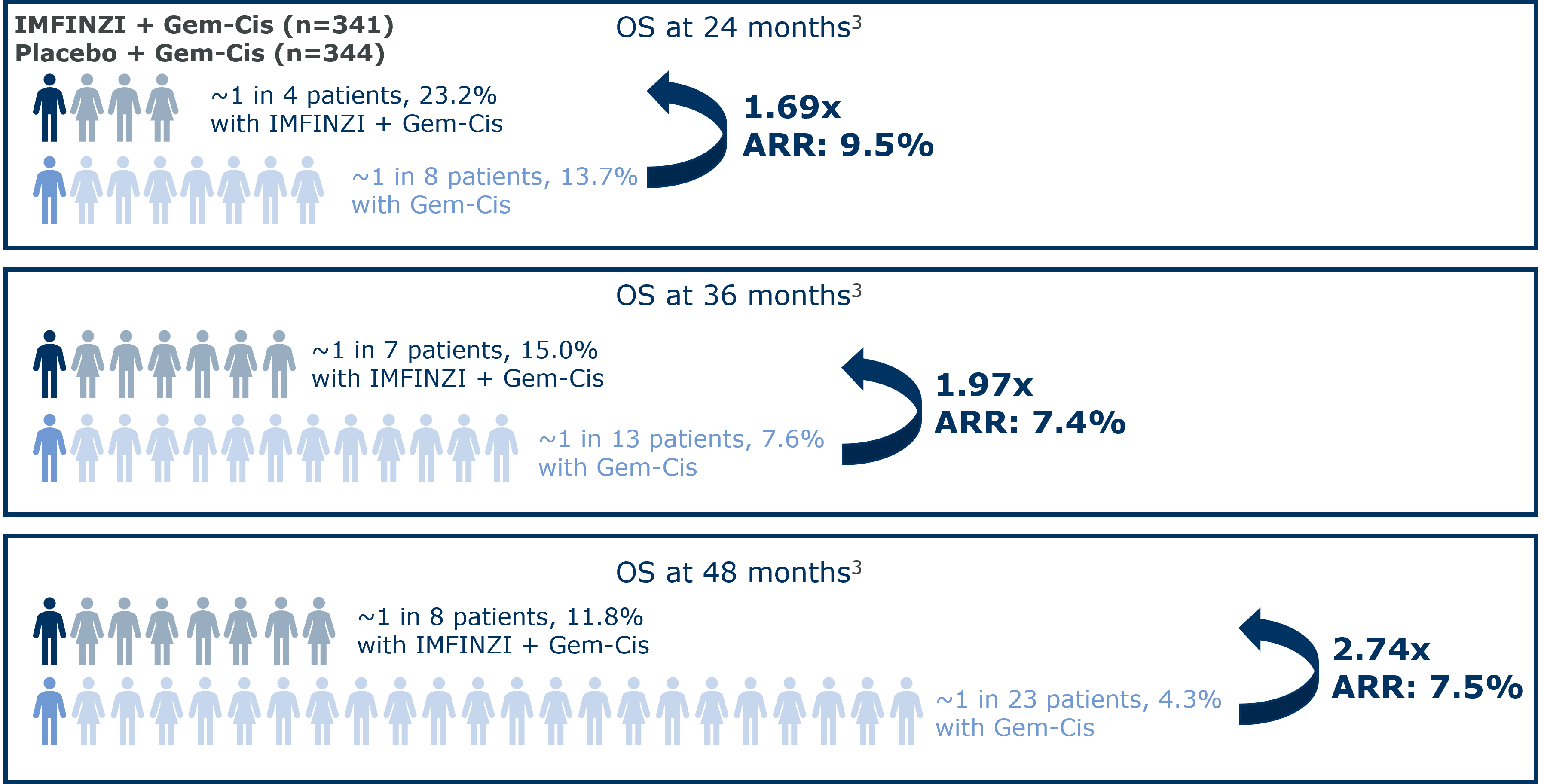
TOPAZ-1 four-year overall survival exploratory post hoc analysis

More patients who received IMFINZI + Gem-Cis were alive at each time point vs. patients who received placebo + Gem-Cis*1–4

The four-year OS exploratory analysis was conducted post hoc and was not powered for statistical significance.

topaz-1 topaz-1

(Data cut-off: 28 February 2025)


*OS was estimated using Kaplan-Meier curves and presented by treatment arm. At the interim analysis (data cut-off: August, 2021), median follow-up time was 16.8 months in the IMFINZI group vs. 15.9 months in the placebo group. OS was tested for superiority using a log-rank test stratified by disease status and primary tumour location; the OS p-value of 0.021 met the boundary for declaring statistical significance.1 At the updated analysis (data cut-off: 28 February, 2025), median (range) follow-up in censored patients was 56.9 months (1.7–67.2) in the IMFINZI group vs. 50.7 months (0.9–62.6) in the placebo group.


TOPAZ-1 progression-free survival

Progression-free survival (PFS) was a key secondary endpoint of the TOPAZ-1 trial*4

7.2 months

IMFINZI + Gem-Cis

(95% Cl 6.7–7.4)

5.7 months

Placebo + Gem-Cis

(95% CI 5.6–6.7)

(Data cut-off: August, 2021)

HR, 0.75 (95% CI 0.63–0.89; p=0.001)†

Icon X2 Icon X2

Twice as many patients receiving IMFINZI + Gem-Cis were progression-free at one year vs. placebo + Gem-Cis.4

pfs curves pfs curves

PFS curves demonstrated a statistically significant improvement for the IMFINZI regimen (7.2 [6.7–7.4] months) compared with placebo + Gem-Cis (5.7 [5.6–6.7] months).4 

Icon eye Icon eye

Exploratory analysis demonstrated that PFS favoured IMFINZI + Gem-Cis vs. placebo + Gem-Cis in some predefined subgroups.‡4

*PFS in the IMFINZI and placebo groups was investigator assessed according to RECIST v1.1 and defined as the time from date of randomisation until the date of RECIST v1.1-defined imaging disease progression or death.1,2,4

†The analysis for HR was performed using a stratified Cox proportional hazards model, and 2-sided P value is based on stratified log-rank test. Both are adjusted for disease status and primary tumour location. At the pre-planned interim analysis (data cut-off: August, 2021) the PFS p-value was 0.001, which met the boundary for declaring statistical significance.¹ PFS was not evaluated at the updated analysis (data cut-off: February, 2022).1,2,4 

‡Not powered for statistical significance.1,2,4 

Click here to view RWE data from patients
receiving the TOPAZ-1 regimen

1L, first line; BTC, biliary tract cancer; CI, confidence interval; eCCA, extrahepatic cholangiocarcinoma; ECOG, Eastern Cooperative Oncology Group; GBC, gallbladder cancer; Gem-Cis, gemcitabine-cisplatin; HR, hazard ratio; iCCA, intrahepatic cholangiocarcinoma; IO, immune-oncology; OS, overall survival; PS, performance status; Q3W, once every 3 weeks; Q4W, once every 4 weeks; R, randomisation; RECIST, response evaluation criteria in solid tumours; RWE, real-world evidence.


  1. Oh DY, et al. Durvalumab plus gemcitabine and cisplatin in advanced biliary tract cancer. NEJM Evid. 2022;1(8);1–11. [Including Supplementary Appendix and Protocol].
  2. Oh DY, et al. Updated overall survival from the Phase 3 TOPAZ-1 study of durvalumab or placebo plus gemcitabine and cisplatin in patients with advanced biliary tract cancer. Poster presented at: 2022 ESMO Congress; September 9–13, 2022.
  3. Oh DY, et al. Four-year survival and safety analysis from the Phase 3 TOPAZ-1 study of durvalumab plus chemotherapy in biliary tract cancer. Oral presentation presented at: European Association for the Study of the Liver, Liver Cancer Summit 2026, Edinburgh, UK, January 22–24 2026.
  4. Oh, DY. et al. A Phase 3 randomized, double-blind, placebo-controlled study of durvalumab in combination with gemcitabine plus cisplatin in patients with advanced biliary tract cancer: TOPAZ-1. Presented at: 2022 ASCO GI Cancers Symposium.

Back to top

IMFINZI + Gem-Cis offers a generally well-tolerated treatment option1

IMFINZI (durvalumab) adverse events in the TOPAZ-1 clinical trial1</

The safety profile of IMFINZI + Gem-Cis was consistent with the known profiles of each individual treatment1</

IMFINZI did not add additional toxicity to that observed with Gem-Cis, and the safety profiles of the two treatment groups were generally similar1

Adverse event, n (%)IMFINZI + Gem-Cis (n=338)Placebo + Gem-Cis (n=342)
Any AE336 (99.4)338 (98.8)
Any TRAE314 (92.9)308 (90.1)
Any Grade 3/4 AE256 (75.7)266 (77.8)
Any Grade 3/4 TRAE212 (62.7)222 (64.9)
Any serious AE160 (47.3)149 (43.6)
Any serious TRAE53 (15.7)59 (17.3)
Any AE leading to discontinuation44 (13.0)52 (15.2)
Any TRAE leading to discontinuation30 (8.9)39 (11.4)
Any AE leading to death12 (3.6)14 (4.1)
Any TRAE leading to death2 (0.6)1 (0.3)
Any immune-mediated AE*43 (12.7)16 (4.7)

AE incidence is greater in the IMFINZI group

AE incidence is greater in the placebo group 

Data cut-off: August 11, 2021.

The median (range) duration of study treatment was 7.3 months (0.1–24.5) for durvalumab and 5.8 months (0.2–21.5) for placebo. 

*Please see the IMFINZI Summary of Product Characteristics for further information on special warnings and precautions, including immune-mediated adverse events and their management.

Grade 3–4 AEs were similar between the IMFINZI + Gem-Cis vs. placebo + Gem-Cis arms1</

The most common Grade 3–4 AEs were anaemia, neutropenia and decreased neutrophil count1

Adverse events occurring in ≥10% of patients in either treatment armIMFINZI + Gem-Cis (n=338)Placebo + Gem-Cis (n=342)
All grades (%)Grade 3–4 (%)All grades (%)Grade 3–4 (%)
Anaemia48.223.744.722.5
Nausea40.21.534.21.8
Constipation32.00.628.90.3
Neutropenia31.720.129.821.1
Neutrophil count decreased26.921.031.025.7
Fatigue26.93.326.33.5
Decreased appetite25.72.123.10.9
Platelet count decreased20.79.823.18.5
Pyrexia20.11.516.40.6
Vomiting18.31.518.12.0
Diarrhoea16.91.214.91.8
Asthenia14.23.014.02.3
Abdominal pain13.90.617.02.6
Thrombocytopenia12.74.713.25.3
Pruritus11.2-8.2-
Rash11.20.97.90
White blood cell count decreased10.94.413.55.8
Abdominal pain upper10.408.80.3
Insomnia9.5-10.5-
ALT increased8.61.210.20.6

AE incidence is greater in the IMFINZI group

AE incidence is greater in the placebo group 

Data cut-off: August 11, 2021.

Median duration of study treatment was 7.3 months (range: 0.1–24.5) for IMFINZI and 5.8 months (range: 0.2–21.5) for placebo.

As expected, patients given IMFINZI had more immune-mediated adverse events than those given placebo1</

13% of those in the IMFINZI arm experienced any grade imAE vs. 5% in the placebo arm1

Adverse event, n (%)IMFINZI + Gem-Cis (n=338)Placebo + Gem-Cis (n=342)
Any gradeGrade ≥ 3Any gradeGrade ≥ 3
Any immune-mediated adverse event*43 (12.7)8 (2.4)16 (4.7)5 (1.5)
Hypothyroid events20 (5.9)0 (0)5 (1.5)0 (0)
Dermatitis/rash12 (3.6)3 (0.9)1 (0.3)0 (0)
Pneumonitis3 (0.9)1 (0.3)2 (0.6)1 (0.3)
Hepatic events4 (1.2)2 (0.6)2 (0.6)1 (0.3)
Adrenal insufficiency4 (1.2)0 (0)1 (0.3)0 (0)
Diarrhoea/colitis2 (0.6)1 (0.3)1 (0.3)1 (0.3)
Hyperthyroid events2 (0.6)0 (0)0 (0)0 (0)
Type 1 diabetes mellitus1 (0.3)1 (0.3)0 (0)0 (0)
Pancreatic events1 (0.3)0 (0)2 (0.6)1 (0.3)
Hypophysitis1 (0.3)0 (0)0 (0)0 (0)
Thyroiditis1 (0.3)0 (0)0 (0)0 (0)
Renal events0 (0)0 (0)2 (0.6)0 (0)
Myositis0 (0)0 (0)1 (0.3)1 (0.3)
Other rare/miscellaneous†1 (0.3)1 (0.3)1 (0.3)1 (0.3)

imAE incidence is greater in the IMFINZI group

imAE incidence is greater in the placebo group

Please see the IMFINZI Summary of Product Characteristics for further information on special warnings & precautions, immune-mediate adverse events and their management.


Data cut-off: August 11, 2021.

Median duration of study treatment was 7.3 months (range: 0.1–24.5) for IMFINZI and 5.8 months (range: 0.2–21.5) for placebo.

*An immune-mediated adverse event is defined as an event associated with drug exposure and is accompanied by an immune-mediated mechanism of action, with no clear alternate aetiology. 

†The events in the “other rare/miscellaneous” category were immune-mediated arthritis in the IMFINZI group and arthritis in the placebo group.

View the IMFINZI imAE guide
Watch videos about imAE management

Fewer patients discontinued the IMFINZI regimen compared with placebo + Gem-Cis1</

Discontinuations due to adverse events of any cause1

~1/8 patients

(13.0%) with IMFINZI + Gem-Cis

1-7

~1/7 patients

(15.2%) with Gem-Cis

1-7

Data cut-off: 11 August, 2021

The safety profile of IMFINZI + Gem-Cis was consistent with previous analyses at the four-year exploratory post hoc follow-up1–3</

The rate of SAEs possibly related to treatment was similar between treatment arms and consistent with the safety profile observed at previous analyses1–3

 Exploratory analysis 
DCO: February 28, 2025*2,3DCO: October 23, 2023*2,3DCO: February 25, 2022*3DCO: August 11, 20211,3
Adverse event,
n (%)
IMFINZI + Gem-Cis (n=338)Placebo + Gem-Cis (n=342)IMFINZI + Gem-Cis (n=338)Placebo + Gem-Cis (n=342)IMFINZI + Gem-Cis (n=338)Placebo + Gem-Cis (n=342)IMFINZI + Gem-Cis (n=338)Placebo + Gem-Cis (n=342)
Any SAE168 (49.7)152 (44.4)165 (48.8)152 (44.4)161 (47.6)151 (44.2)160 (47.3)149 (43.6)
Treatment-related SAEs†52 (15.4)59 (17.3)52 (15.4)59 (17.3)52 (15.4)59 (17.3)53 (15.7)59 (17.3)

SAE/TRSAE incidence is greater in the IMFINZI group

 SAE/TRSAE incidence is greater in the placebo group

At the four-year follow-up, the average duration of exposure to IMFINZI or placebo was 7.3 months (0.1–65.2) with IMFINZI + Gem-Cis and
5.8 months (0.2–28.4) with placebo + Gem-Cis2

Safety data percentages are calculated from the safety population (n=338 for IMFINZI + Gem-Cis and n=342 for placebo + Gem-Cis); SAE data was the only type of AE data reported after the February 25, 2022 data cut-off. Two new AEs with the outcome of death were reported in IMFINZI + Gem-Cis since the primary analysis (data cut-off: August 11, 2021), both unrelated to study treatment. 


*The February 28, 2025; October 23, 2023; and February 25, 2022 data cut-offs were exploratory analyses with no formal statistical testing.

†As assessed by the investigator.

AE, adverse event; ALT, alanine aminotransferase; DCO, data cut-off; Gem-Cis, gemcitabine-cisplatin; imAE, immune-mediated adverse event; SAE, serious adverse event; TR(S)AE, treatment-related (serious) adverse event.


  1. Oh DY, et al. Durvalumab plus gemcitabine and cisplatin in advanced biliary tract cancer. NEJM Evid. 2022;1(8):1–11.
  2. Oh DY, et al. Four-year survival and safety analysis from the Phase 3 TOPAZ-1 study of durvalumab plus chemotherapy in biliary tract cancer. Oral presentation presented at: European Association for the Study of the Liver, Liver Cancer Summit 2026, Edinburgh, UK, January 22–24 2026.
  3. Oh DY, et al. Presented at Cholangiocarcinoma Foundation 2024 Annual Conference; Salt Lake City, UT.

GB-73556 | March 2026

Adverse events should be reported. Reporting forms and information can be found at www.mhra.gov.uk/yellowcard or search for MHRA Yellow Card in the Google Play or Apple App Store. Adverse events should also be reported to AstraZeneca by visiting https://contactazmedical.astrazeneca.com/ or by calling ‌‌‌0‌‌‌8‌‌‌‌‌0‌‌‌‌0‌‌‌ ‌‌7‌‌‌‌‌‌8‌‌‌3‌‌‌ ‌‌0‌‌‌‌‌0‌‌‌‌3‌‌‌‌3‌‌‌.

Connessiallasalute.it

This website was created for UK HCPs and has been designed to provide information to educate, empower and enable them in the great work they are doing for patients across a range of therapy areas. This website is intended for doctors, nurses, and pharmacists in the UK. Other UK residents please visit astrazeneca.co.uk.

Terms of use

Privacy Policy

Cookie Policy

Contact Us

LinkedIn

Twitter

©2026 AstraZeneca. GB-76920 | May 2026

Enhance your knowledge, stay informed

Be the first to know. Hear about events, products and ways to support your patients.

Thank you. We will be in touch

GB-74216| DOP : February 2026