Welcome to this UK AstraZeneca produced and funded website

This website is intended for UK Healthcare Professionals only.


The website contains both promotional and non-promotional content.


If you are a patient or a carer of a patient prescribed an AstraZeneca product, please visit myazmed.co.uk


For any other UK residents please visit astrazeneca.co.uk

I am not a Healthcare Professional
IMFINZI (durvalumab) UK Prescribing Information
Adverse Event Reporting

This website is intended for UK Healthcare professionals only. Other UK residents please visit astrazeneca.co.uk

Logo test product
  • Our Medicines
    • Cardiovascular, Renal & Metabolism
      • ATTR Amyloidosis
        • WAINZUA®▼(eplontersen)
      • Chronic Kidney Disease (CKD)
        • FORXIGA® (dapagliflozin)
      • Heart Failure
        • FORXIGA® (dapagliflozin)
      • Hyperkalaemia
        • LOKELMA® (sodium zirconium cyclosilicate)
      • Type 2 Diabetes (T2D)
        • FORXIGA® (dapagliflozin)
    • Oncology
      • Breast Cancer
        • LYNPARZA® (olaparib)
        • TRUQAP®▼(capivasertib)
      • Bladder Cancer
        • IMFINZI® (durvalumab)
      • Endometrial Cancer
        • IMFINZI® (durvalumab)
        • LYNPARZA® (olaparib)
      • Gastrointestinal Cancer
        • IMFINZI® (durvalumab)
        • IMJUDO®▼(tremelimumab)
      • Lung Cancer
        • IMFINZI® (durvalumab)
        • TAGRISSO® (osimertinib)
      • Ovarian Cancer
        • LYNPARZA® (olaparib)
      • Prostate Cancer
        • LYNPARZA® (olaparib)
        • ZOLADEX® (goserelin)
    • Respiratory
      • Asthma
        • TEZSPIRE®▼ (tezepelumab)
        • SYMBICORT® (budesonide/formoterol)
      • Chronic Obstructive Pulmonary Disease(COPD)
        • TRIXEO AEROSPHERE® (formoterol fumarate dihydrate/glycopyrronium/budesonide)
        • BEVESPI® (glycopyrronium/formoterol fumarate dihydrate)
    • Vaccines
      • Flu
        • FLUENZ® nasal spray suspension (influenza vaccine, live attenuated, nasal)
  • Therapy Areas
    • Cardiovascular, Renal & Metabolism
      • ATTR Amyloidosis
      • Chronic Kidney Disease (CKD)
      • Heart Failure
      • Hyperkalaemia
      • Type 2 Diabetes (T2D)
    • Oncology
      • Breast Cancer
      • Bladder Cancer
      • Endometrial Cancer
      • Gastrointestinal Cancer
      • Lung Cancer
      • Ovarian Cancer
      • Prostate Cancer
    • Respiratory
      • Asthma
      • Chronic Obstructive Pulmonary Disease(COPD)
    • Vaccines
      • Flu
  • About us
    • AZ Commitment
  • Contact us
Login
  • AstraZeneca UK
  • Lung Cancer
  • AEGEAN Mechanism of Action
  • Home
  • Efficacy and clinical trials
    • PACIFIC
    • AEGEAN
    • ADRIATIC
    • CASPIAN
  • Safety profile
    • PACIFIC
    • AEGEAN
    • ADRIATIC
    • CASPIAN
  • Dosing and administration
    • PACIFIC
    • AEGEAN
    • ADRIATIC
    • CASPIAN
  • Mechanism of action
    • PACIFIC
    • AEGEAN
    • ADRIATIC
    • CASPIAN
  • Resources
  • Lung therapy
    • Lung pathway
    • Diagnostics
    • Prehabilitation
AEGEAN Mechanism of Action
Imfinzi-header-MOA-monoclonal-antibody.png

Logo for  IMFINZI (durvalumab) which is coloured red and blue with brand and generic name

IMFINZI mechanism of action for AEGEAN regimen

Immunotherapy + CT


IMFINZI MoA

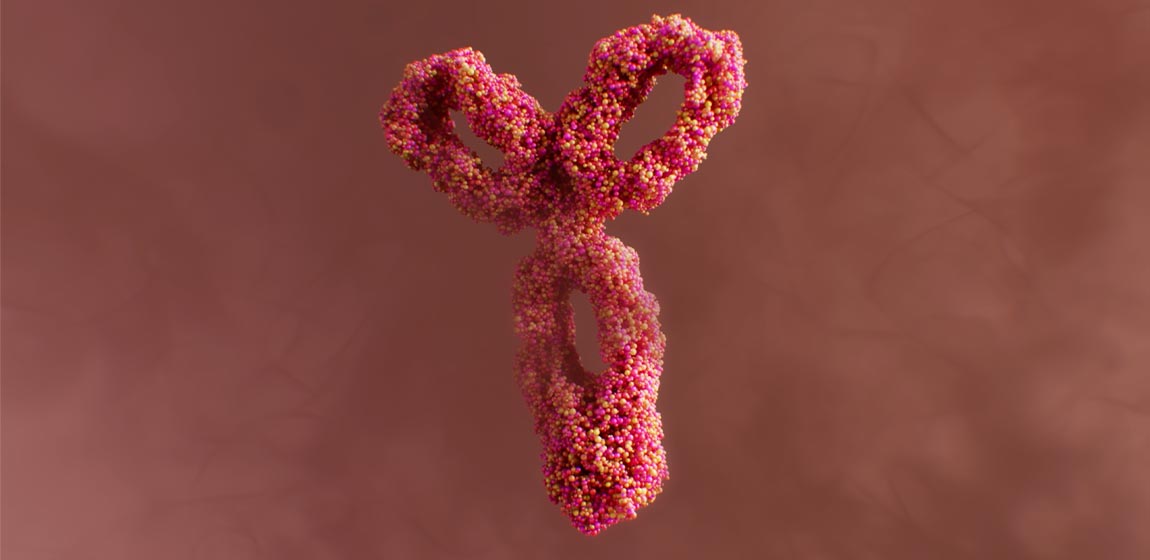
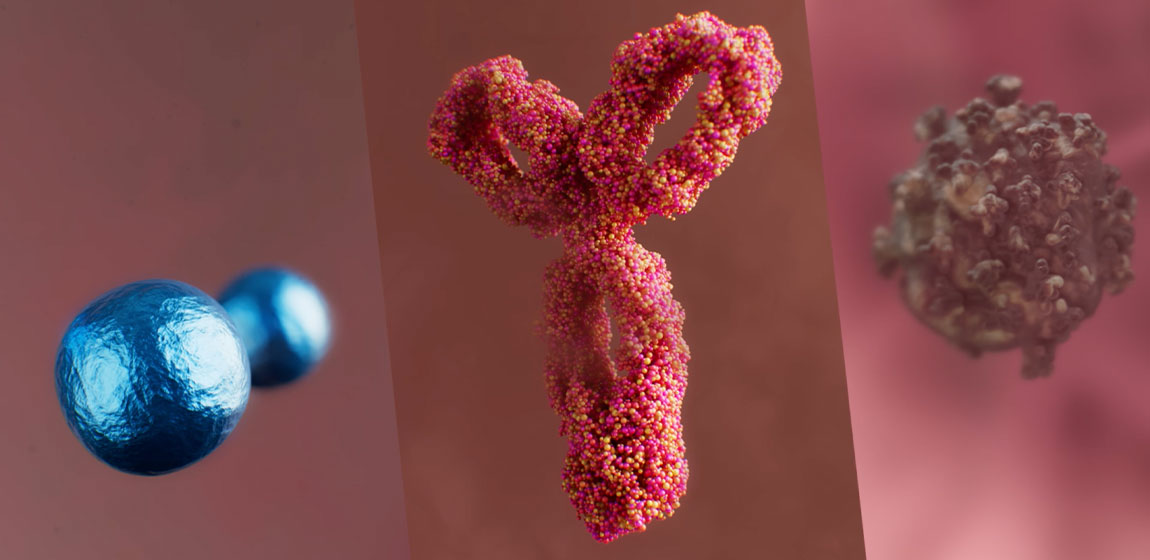
IMFINZI (durvalumab), a human monoclonal antibody targeting PD-L1, is a key component of the AEGEAN regimen, which incorporates perioperative immunotherapy with neoadjuvant platinum-based chemotherapy for patients with staging and resectable NSCLC (stage IIA to IIIB N2). By binding to PD-L1, IMFINZI inhibits its interaction with PD-1 and CD80, enhancing antitumour immune responses and increases T-cell activation. This mechanism addresses the immunosuppressive environment commonly observed in NSCLC, which can limit the ability of the immune system to mount an effective antitumor response.2


The combination of IMFINZI with neoadjuvant platinum-based chemotherapy offers a complementary approach to treatment. Chemotherapy can reduce tumour volume while inducing immunogenic cell death, which releases tumour antigens that may enhance the immune response initiated by IMFINZI. This treatment strategy is designed to engage the immune system both preoperatively and postoperatively, with the goal of addressing residual disease.2–5

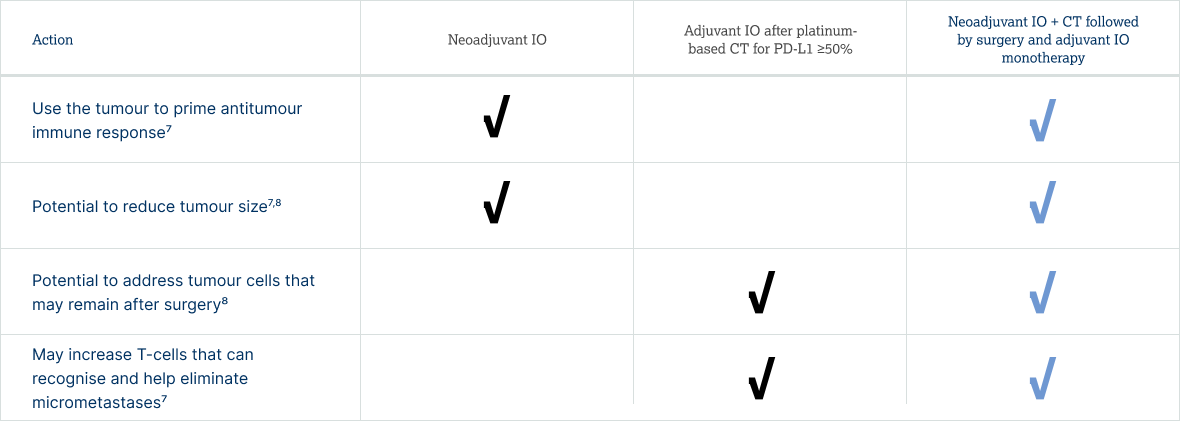
Immunotherapy + CT either before or after surgery may be insufficient7

Mechanisms of neoadjuvant and adjuvant IO therapy

Table comparing neoadjuvant, adjuvant and perioperative immunotherapy regimen options and action each have in resectable NSCLC

Adapted from Krishnamoorthy M et al. J Natl Cancer Inst 2021 and Heymach JV et al. N Engl J Med 2023.7,8


CT – chemotherapy; IO – immuno-oncology; PD-L1 – programmed death-ligand 1.

How IMFINZI works for NSCLC: a detailed mechanism of action

Mechanism of action image of IMFINZI (durvalumab) monoclonal antibody

Tumour antigen release and immune resistance following CT therapy

CT induces tumour cell death and antigen release, priming the immune system to activate T-cells to recognise these antigens and enhance the adaptive immune system's anti-tumour response. CT provides initial tumour control, but tumour cells exploit immune checkpoint pathways to evade the immune response and suppress anti-tumour activity.2,9–15

Mechanism of action image of the binding of PD-L1 with the PD-1 receptor on T-cells

IMFINZI: unveiling its PD-L1 checkpoint inhibition mechanism of action

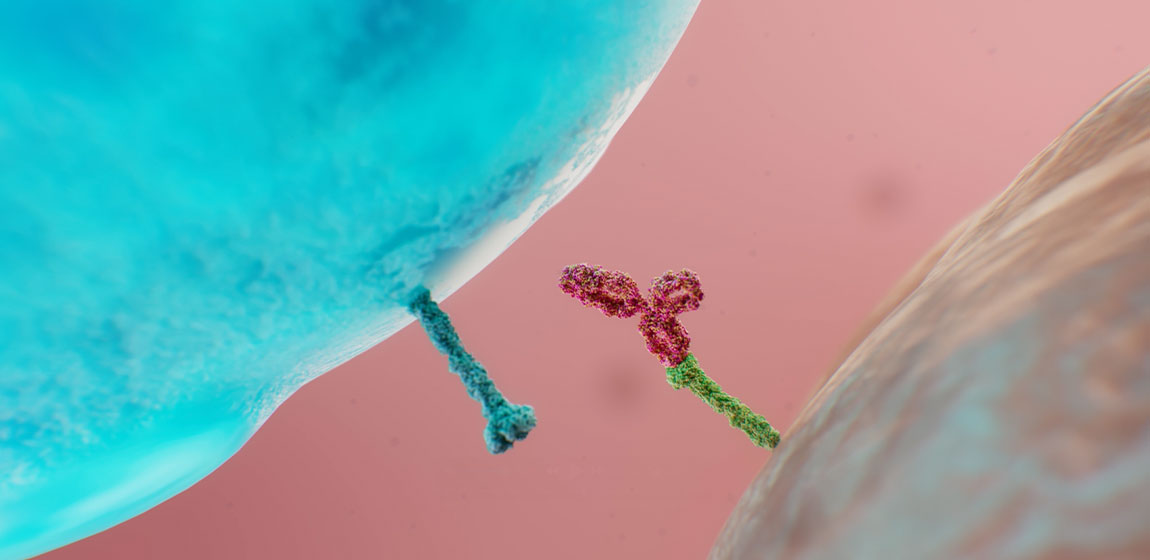
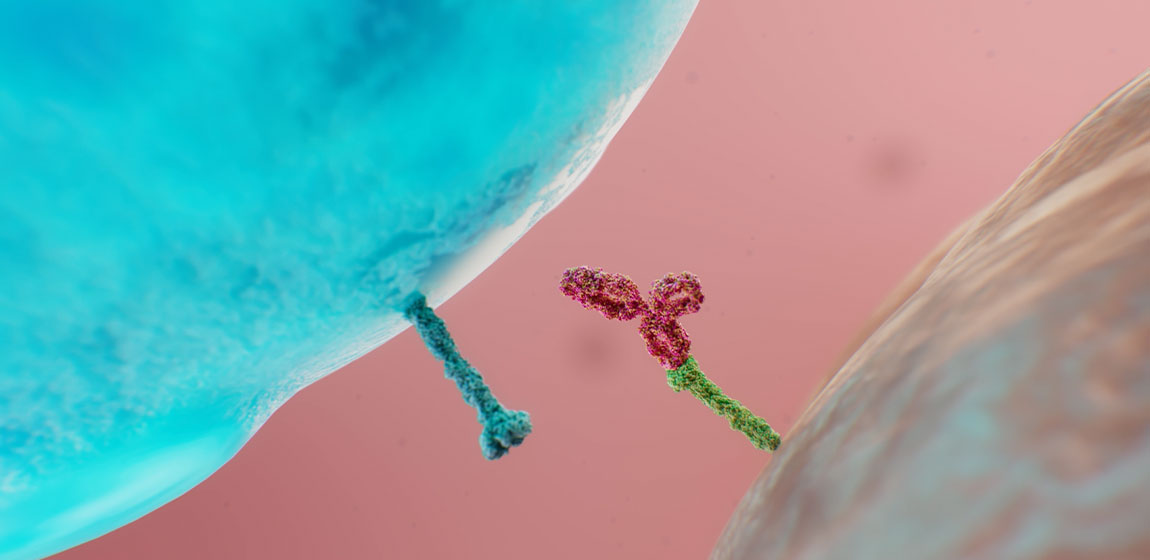
IMFINZI is a human IgG1κ mAb that binds to the PD-L1,2 which is commonly expressed on tumour cells and immune cells within the tumour microenvironment.

Mechanism of action image of IMFINZI (durvalumab) blocking PD-L1 from binding to PD-1

The binding of PD-L1 with the PD-1 receptor on T-cells induces 
T-cell exhaustion, impairing their functional activity16–18

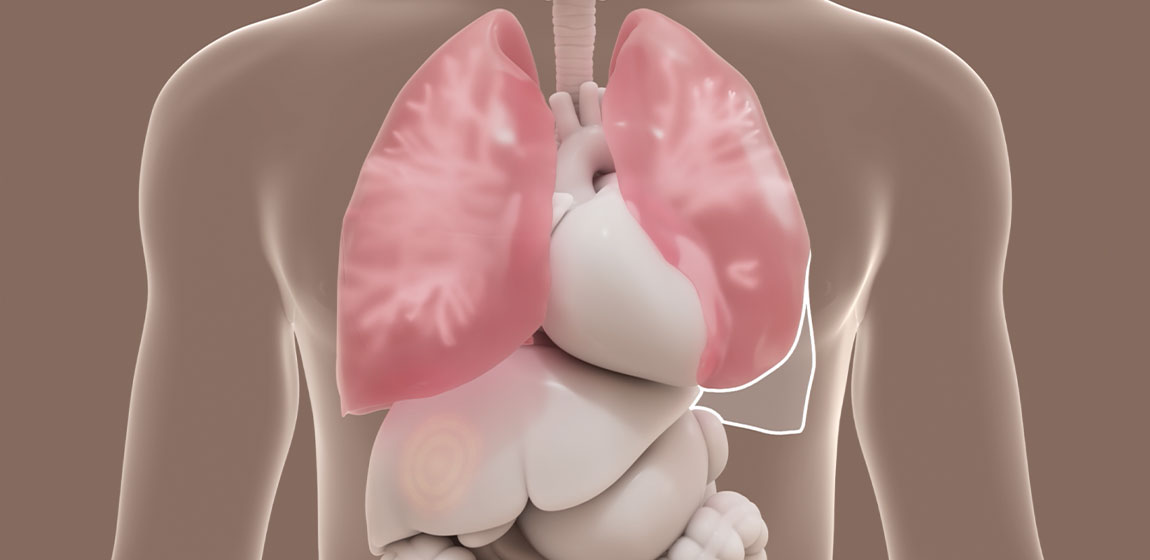
Mechanism of action image of human lungs

IMFINZI blocks PD-L1 from binding to PD-1, relieving T-cell inhibition and enhancing anti-tumour immune responses. Combined with chemotherapy, IMFINZI may reduce tumour burden, aiming to eradicate viable tumour cells before surgery (i.e. ‘neoadjuvant’ therapeutic approach).2,15,16,19,20

Mechanism of action image of IMFINZI (durvalumab) blocking PD-L1 from binding to PD-1

Following neoadjuvant therapy, tumour resection, such as lobectomy, is performed. Margins are assessed for completeness, and pathological evaluation determines if pCR has been achieved. However, despite complete resection, recurrence may remain a concern due to residual cancer cells or micrometastases.20–26

Mechanism of action image of IMFINZI (durvalumab), chemotherapy and NSCLC tumour

Adjuvant immunotherapy is intended to address micrometastases and recurrence. Post-surgical IMFINZI aims to restore T-cell function by blocking PD-L1/PD-1 interaction, enhancing anti-tumour immunity working to eliminate residual cancer cells.2,16,19,20,25

Mechanism of action image of chemotherapy  inducing tumour cell death and antigen release

Combining neoadjuvant and adjuvant therapeutic approaches allows tumours to be treated before and after surgery. Neoadjuvant IMFINZI with chemotherapy (i.e. administered before surgery with chemotherapy) uses the tumour to prime antitumour immune response and potentially reduce tumour size. Adjuvant IMFINZI (i.e. administered after surgery without chemotherapy) has the potential to address tumour cells that may remain after surgery and may increase T-cells that can recognise and help eliminate micrometastases.7,8,20,25

  1. item1
  2. item2
  3. item3
  4. item4
  5. item5
  6. item6
  7. item7

CT – chemotherapy; Ig – immunoglobulin; mAb – monoclonal antibody; NSCLC – non-small cell lung cancer; pCR – pathological complete response; PD-1 – programmed cell death protein; PD-L1 – programmed death-ligand 1.

Continue exploring the AEGEAN Regimen

Discover more about the AEGEAN study design and efficacy outcomes

Explore efficacy data

Get to know the AEGEAN safety profile

Explore safety data

Learn more about the dosing details in the AEGEAN Regimen


Explore dosing and administration

CD80 – cluster of differentiation 80; CT – chemotherapy; IgG1κ – human immunoglobulin G1 kappa; IO – immuno-oncology; mAb – monoclonal antibody; NICE – National Institute for Health and Clinical Excellence; NSCLC – non-small cell lung cancer; pCR, pathological complete response; PD-1 – programmed cell death protein 1; PD-L1 – programmed death-ligand 1.

  1. NICE. Durvalumab with chemotherapy before surgery (neoadjuvant) then alone after surgery (adjuvant) for treating resectable non-small-cell lung cancer. https://www.nice.org.uk/guidance/gid-ta11197/documents/674 [Accessed July 2025].
  2. IMFINZI Summary of Product Characteristics.
  3. Zhai J et al. Front Pharmacol. 2023;14:1152934.
  4. Chang X et al. Pharmacol Res. 2023;187:106556.
  5. Catanzaro E et al. Cell Mol Immunol. 2025;22(1):24-39.
  6. Vansteenkiste J et al. Ann Oncol. 2019;30(8):1244-1253.
  7. Krishnamoorthy M et al. J Natl Cancer Inst. 2021;113(7):823-832.
  8. Heymach JV et al. N Engl J Med. 2023;389(18):1672-1684.
  9. Taber’s Online. Taber’s medical dictionary online. https://www.tabers.com/tabersonline/view/Tabers-Dictionary/752433/all/chemotherapy?q=chemotherapy [Accessed July 2025].
  10. Gulley JL et al. J Natl Cancer Inst. 2017;109(4):1-9.
  11. Grimaldi A et al. Comm Bio. 2020;3(85):1-13.
  12. NCI. Neoantigen. https://www.cancer.gov/publications/dictionaries/cancer-terms/def/neoantigen [Accessed July 2025].
  13. Leonetti A et al. Drug Res Updates. 2019;46:1-12.
  14. Emens LA et al. Front Biosci. 2011;13:249-257.
  15. Paz-Ares L et al. Lancet Oncol. 2021;22(2):198-211.
  16. Chen DS et al. Clin Cancer Res. 2012;18(24):6580-6587.
  17. Butte MJ et al. Immunity. 2007;27(1):111-122.
  18. Jiang Y et al. Cell Death Dis. 2015;6(6):e1792.
  19. Stewart R et al. Cancer Immunol Res. 2015;3(9):1052-1062.
  20. Heymach JV et al. Clin Lung Cancer. 2022;23(3):e247-e251.
  21. Cleveland Clinic. Lobectomy. https://my.clevelandclinic.org/health/treatments/17608-lobectomy. [Accessed July 2025].
  22. NCI. Pathologic complete response. https://www.cancer.gov/publications/dictionaries/cancer-terms/def/pathologic-complete-response [Accessed July 2025].
  23. Edwards JG et al. J Thorac Oncol. 2020;15(3):344-359.
  24. Kelsey CR et al. Cancer. 2009;115(22);5218-5227.
  25. Tang W-F et al. Front Oncol. 2023;13:1063183.
  26. Uramoto H et al. Transl Lung Cancer Res. 2014;3(4):242-249.

GB-65616 | DOP: July 2025

Adverse events should be reported. Reporting forms and information can be found at www.mhra.gov.uk/yellowcard or search for MHRA Yellow Card in the Google Play or Apple App Store. Adverse events should also be reported to AstraZeneca by visiting https://contactazmedical.astrazeneca.com/ or by calling ‌‌‌0‌‌‌8‌‌‌‌‌0‌‌‌‌0‌‌‌ ‌‌7‌‌‌‌‌‌8‌‌‌3‌‌‌ ‌‌0‌‌‌‌‌0‌‌‌‌3‌‌‌‌3‌‌‌.

Connessiallasalute.it

This website was created for UK HCPs and has been designed to provide information to educate, empower and enable them in the great work they are doing for patients across a range of therapy areas. This website is intended for doctors, nurses, and pharmacists in the UK. Other UK residents please visit astrazeneca.co.uk.

Terms of use

Privacy Policy

Cookie Policy

Contact Us

LinkedIn

Twitter

©2025 AstraZeneca. GB-73925 | February 2026

Enhance your knowledge, stay informed

Be the first to know. Hear about events, products and ways to support your patients.

Thank you. We will be in touch

GB-74216| DOP : February 2026