Welcome to this UK AstraZeneca produced and funded website

This website is intended for UK Healthcare Professionals only.


The website contains both promotional and non-promotional content.


If you are a patient or a carer of a patient prescribed an AstraZeneca product, please visit myazmed.co.uk


For any other UK residents please visit astrazeneca.co.uk

I am not a Healthcare Professional
IMFINZI (durvalumab) UK Prescribing Information
Adverse Event Reporting

This website is intended for UK Healthcare professionals only. Other UK residents please visit astrazeneca.co.uk

Logo test product
  • Our Medicines
    • Cardiovascular, Renal & Metabolism
      • ATTR Amyloidosis
        • WAINZUA®▼(eplontersen)
      • Chronic Kidney Disease (CKD)
        • FORXIGA® (dapagliflozin)
      • Heart Failure
        • FORXIGA® (dapagliflozin)
      • Hyperkalaemia
        • LOKELMA® (sodium zirconium cyclosilicate)
      • Type 2 Diabetes (T2D)
        • FORXIGA® (dapagliflozin)
    • Oncology
      • Breast Cancer
        • LYNPARZA® (olaparib)
        • TRUQAP®▼(capivasertib)
      • Bladder Cancer
        • IMFINZI® (durvalumab)
      • Endometrial Cancer
        • IMFINZI® (durvalumab)
        • LYNPARZA® (olaparib)
      • Gastrointestinal Cancer
        • IMFINZI® (durvalumab)
        • IMJUDO®▼(tremelimumab)
      • Lung Cancer
        • IMFINZI® (durvalumab)
        • TAGRISSO® (osimertinib)
      • Ovarian Cancer
        • LYNPARZA® (olaparib)
      • Prostate Cancer
        • LYNPARZA® (olaparib)
        • ZOLADEX® (goserelin)
    • Respiratory
      • Asthma
        • TEZSPIRE®▼ (tezepelumab)
        • SYMBICORT® (budesonide/formoterol)
      • Chronic Obstructive Pulmonary Disease(COPD)
        • TRIXEO AEROSPHERE® (formoterol fumarate dihydrate/glycopyrronium/budesonide)
        • BEVESPI® (glycopyrronium/formoterol fumarate dihydrate)
    • Vaccines
      • Flu
        • FLUENZ® nasal spray suspension (influenza vaccine, live attenuated, nasal)
  • Therapy Areas
    • Cardiovascular, Renal & Metabolism
      • ATTR Amyloidosis
      • Chronic Kidney Disease (CKD)
      • Heart Failure
      • Hyperkalaemia
      • Type 2 Diabetes (T2D)
    • Oncology
      • Breast Cancer
      • Bladder Cancer
      • Endometrial Cancer
      • Gastrointestinal Cancer
      • Lung Cancer
      • Ovarian Cancer
      • Prostate Cancer
    • Respiratory
      • Asthma
      • Chronic Obstructive Pulmonary Disease(COPD)
    • Vaccines
      • Flu
  • About us
    • AZ Commitment
  • Contact us
Login
  • AstraZeneca UK
  • Lung Cancer
  • PACIFIC Efficacy
  • Home
  • Efficacy and clinical trials
    • PACIFIC
    • AEGEAN
    • ADRIATIC
    • CASPIAN
  • Safety profile
    • PACIFIC
    • AEGEAN
    • ADRIATIC
    • CASPIAN
  • Dosing and administration
    • PACIFIC
    • AEGEAN
    • ADRIATIC
    • CASPIAN
  • Mechanism of action
    • PACIFIC
    • AEGEAN
    • ADRIATIC
    • CASPIAN
  • Resources
  • Lung therapy
    • Lung pathway
    • Diagnostics
    • Prehabilitation
PACIFIC Efficacy

PACIFIC Efficacy

Non-Small Cell Lung Cancer (NSCLC):
IMFINZI as monotherapy is indicated for the treatment of locally advanced, unresectable non-small cell lung cancer (NSCLC) in adults whose tumours express PD-L1 on ≥ 1% of tumour cells and whose disease has not progressed following platinum-based chemoradiation therapy.1


The PACIFIC clinical trial was a phase III trial comparing IMFINZI with a placebo in patients with stage III unresectable non-small-cell lung cancer (NSCLC). Operating through its ​​​​mechanism of action as an immune checkpoint inhibitor, IMFINZI targets key regulatory proteins in the immune system, including programmed death 1 (PD-1) and programmed death ligand 1 (PD-L1).1,3


IMFINZI has demonstrated an improvement in median overall survival (OS) and median progression-free survival (PFS) in the PACIFIC trial for patients with PD-L1-positive (≥1%), stage III unresectable NSCLC vs placebo.3,4

Study design and endpoints for the PACIFIC clinical trial

The efficacy of IMFINZI was evaluated in the PACIFIC clinical trial, a large phase III, double-blind, placebo-controlled, randomised international study in 713 patients with locally advanced, stage III unresectable NSCLC.1,4

BICR; blinded independent central review; cCRT, concurrent chemoradiotherapy; CRT, chemoradiotherapy; CT, chemotherapy; DoR, duration of response; HRQoL, health-related quality of life; ITT, intention to treat; IV, intravenous; NSCLC, non-small cell lung cancer; ORR, objective response rate; OS, overall survival; PD-L1, programmed death-ligand 1; PFS, progression-free survival; Q2W, every 2 weeks; RECIST, response evaluation criteria in solid tumours; RT, radiotherapy.

1. Antonia S, et al. N Engl J Med 2017;377(20):1919–1929; 2. IMFINZI (durvalumab). Summary of Product Characteristics. https://www.medicines.org.uk/emc/product/9495 (accessed February 2025).

Patients were randomised in a 2:1 ratio, to receive IMFINZI ​​intravenously (10 mg per kg of body weight), or matching placebo every 2 weeks for up to 12 months, unacceptable toxicity or until disease progression.3,4 Patients were enrolled in PACIFIC regardless of PD-L1 expression.3,4


IMFINZI is not licensed for use in patients with PD-L1 <1%

Eligibility criteria in the PACIFIC trial included having:3,4

  • Histologically or cytologically documented stage III, unresectable NSCLC 
  • Received at least two cycles of platinum-based chemotherapy concurrently with definitive radiation therapy  
  • Must not have had progression after chemoradiotherapy  
  • Had to have received their last radiation dose within 1 to 42 days before randomisation.   

The primary endpoints were PFS assessed according to Response Evaluation Criteria in Solid Tumors (RECIST), version 1.1, and evaluated by means of blinded independent central review (BICR) and OS.3,4


OS was defined as the time from randomisation until death from any cause, whilst PFS was defined as time from randomisation to the date of the first documented event of tumour progression or death in the absence of disease progression.3,4


Secondary efficacy endpoints included: health-related quality of life (HRQoL), objective response rate (ORR), duration of response (DoR), and the safety profile. Delayed time-to-death and distant metastases and improved overall response rate were also investigated. 

PACIFIC clinical trial results overview: IMFINZI (durvalumab) 5-year survival for patients with PD-L1-positive (≥1%), stage III unresectable NSCLC4

The table below provides an overview of the IMFINZI primary analysis and IMFINZI 5-year data, showing key OS and PFS data in both PD-L1-positive and intention-to-treat (ITT) populations.

PACIFIC trial results: Primary AnalysisPACIFIC trial results: 5-Year Data (exploratory subgroup analysis)
PD-L1-Positive PopulationPD-L1-Positive Population
Median OS: Not reached with IMFINZI vs 28.7 months with placebo3OS Rate: 50.1% with IMFINZI vs 36.9% with placebo7
Intention-to-Treat (ITT) PopulationIntention-to-Treat (ITT) Population
Median PFS: 16.9 months with IMFINZI vs 5.6 months with placebo4PFS Rate: 33.1% with IMFINZI vs 19.0% with placebo7

The ITT study population had a median follow-up period of 25.2 months.3

The ITT population included patients with PD-L1 <1%; IMFINZI is not licensed for use in patients with PD-L1 <1%.

IMFINZI was generally well tolerated in the PACIFIC trial, and rates of ​​grade 3 or 4 immune-mediated adverse events (imAEs) were similar for IMFINZI and standard of care (30.5% IMFINZI group vs 26.1% standard of care group).3,4

For more information on safety profile please see Safety Profile (link to safety profile page).

IMFINZI (durvalumab) efficacy: OS improvement vs placebo (exploratory analysis)

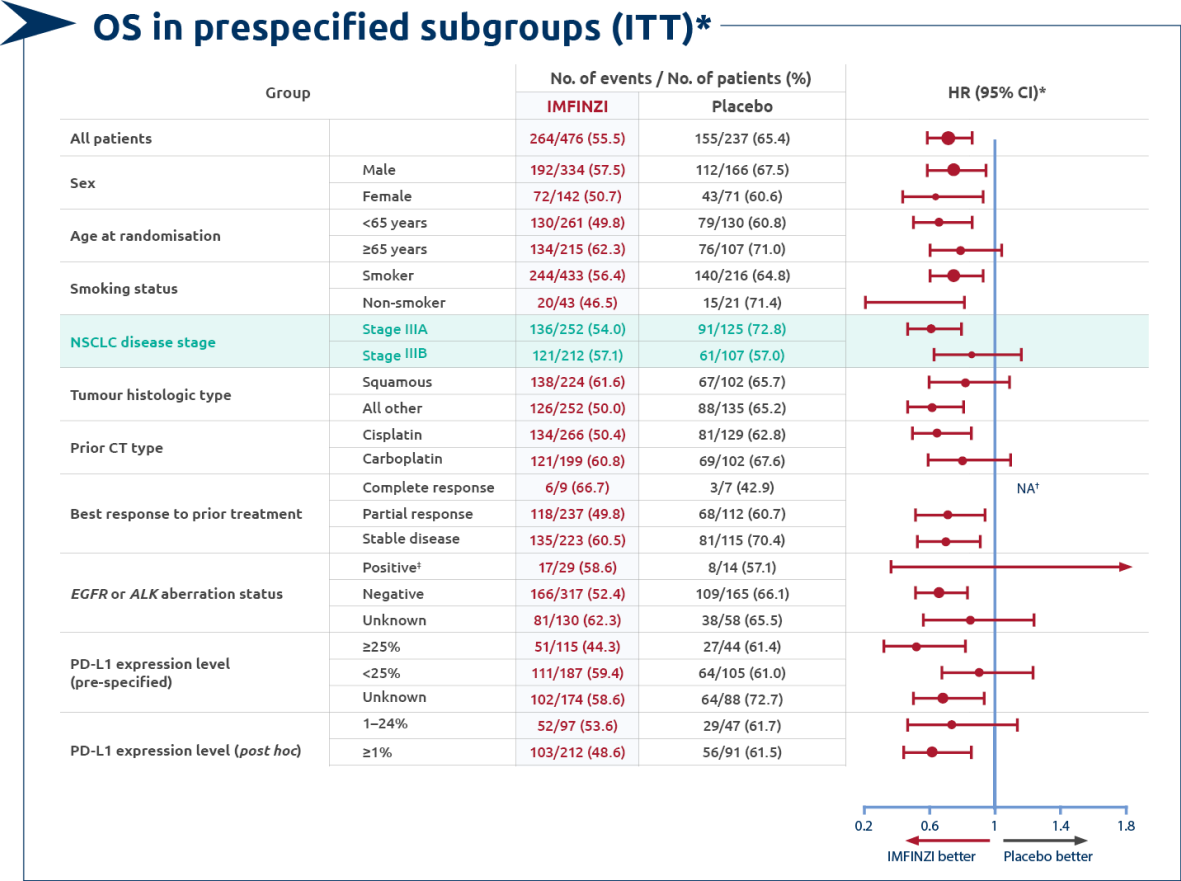
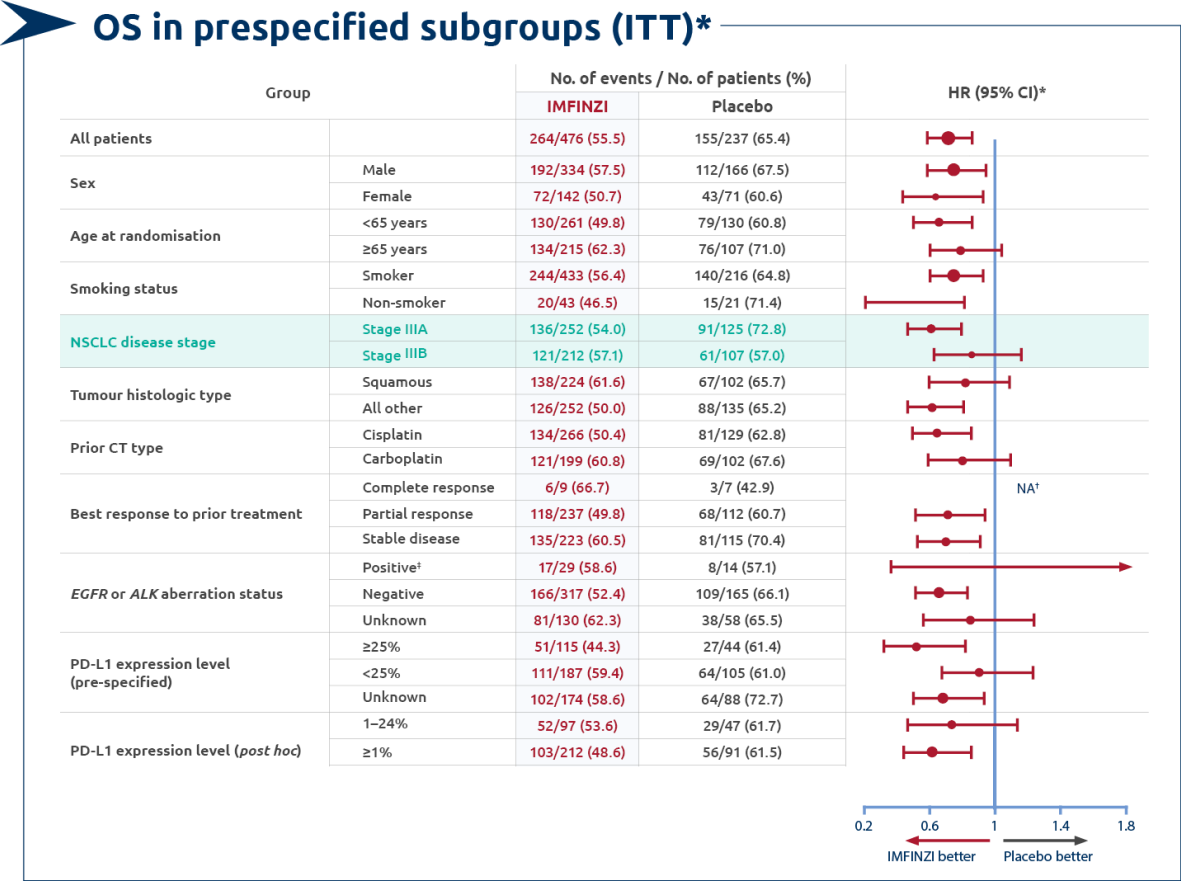
In the PACIFIC trial subgroup analysis, OS was higher for IMFINZI vs. placebo in some prespecified subgroups, including disease substages.4 5-year updated OS results for subgroups were consistent with the results reported at the time of the primary analyses.4

ITT ITT

Adapted from Spigel, 2022.


The ITT population included patients with PD-L1 <1%; IMFINZI is not licensed for use in patients with PD-L1 <1%.


Data cutoff: 11 January 2021. *Treatment effect estimated using an unstratified Cox proportional hazards model (with treatment as the only covariate). Updated analysis not designed to show statistical significance; †HR and 95% CI not calculated if the subgroup had <20 events; ‡The subgroup included 35 patients with tumours harbouring EGFR mutations and, on the basis of local testing, eight patients with tumours harbouring ALK alterations.

ALK, anaplastic lymphoma kinase; CI, confidence interval; CT, chemotherapy; EGFR, epidermal growth factor receptor; HR, hazard ratio; ITT, intention to treat; NA, not available; NSCLC, non-small cell lung cancer; OS, overall survival; PD-L1, programmed death-ligand 1. 

Spigel D, et al. J Clin Oncol 2022;40:1301–1311.

PACIFIC clinical trial: 5-year updated exploratory PFS results

The overall population included patients with PD-L1 <1%; IMFINZI is not licensed for use in patients with PD-L1 <1%.


The median time to death or distant metastasis was longer (28.3 months) in the IMFINZI arm as opposed to the placebo arm (16.2 months) [HR 0.53; 95% CI, 0.41 to 0.68].3


The frequency of new lesions, as assessed by BICR, was 22.5% in the IMFINZI group as opposed to 33.8% in the placebo group.3,4


There was also a lower incidence of new brain metastases in the IMFINZI group as opposed to the placebo group (6.3% vs. 11.8%).3,4


A second progression event (or death) were also recorded, and these took longer to occur in the IMFINZI arm as opposed to the placebo arm (median, 28.3 months vs. 17.1 months) [HR: 0.58; 95% CI, 0.46 to 0.73].3

The overall response rate was 30.0% with IMFINZI vs 17.8% in placebo group (p <0.001).3,4 


Among patients who had a response, 73.5% in the IMFINZI arm had an ongoing response at 18 months, as opposed to 52.2% in placebo group, indicating a more durable response with IMFINZI.3 


The overall population included patients with PD-L1 <1%; IMFINZI is not licensed for use in patients with PD-L1 <1%.

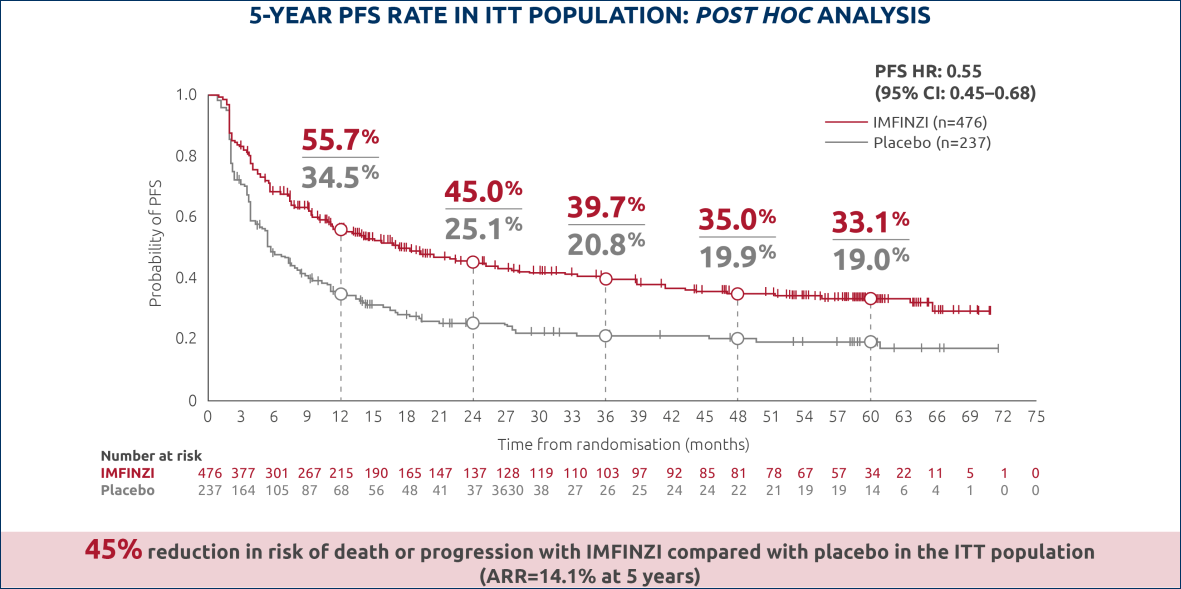
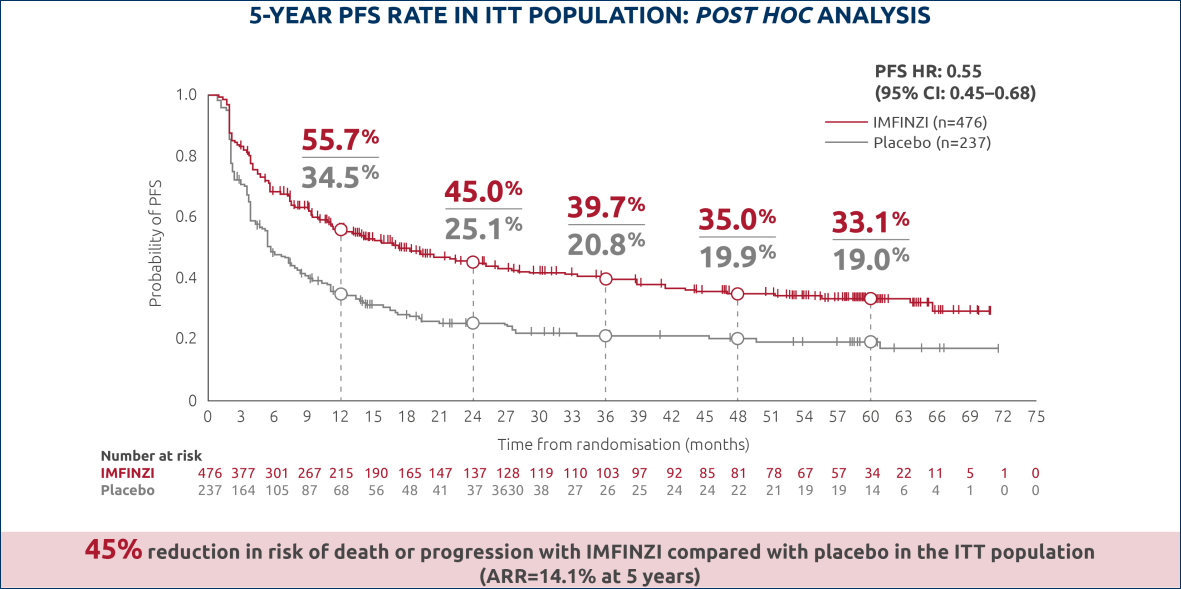
5year-pfs-rate 5year-pfs-rate

The ITT population included patients with PD-L1 <1%; IMFINZI is not licensed for use in patients with PD-L1 <1%. 

Approximately one-third of patients in the ITT population remained progression free at 5 years with IMFINZI following cCRT.4 


There was a 45% reduction in risk of death or progression with IMFINZI vs placebo in the ITT population (ARR=14.1% at 5 years).4

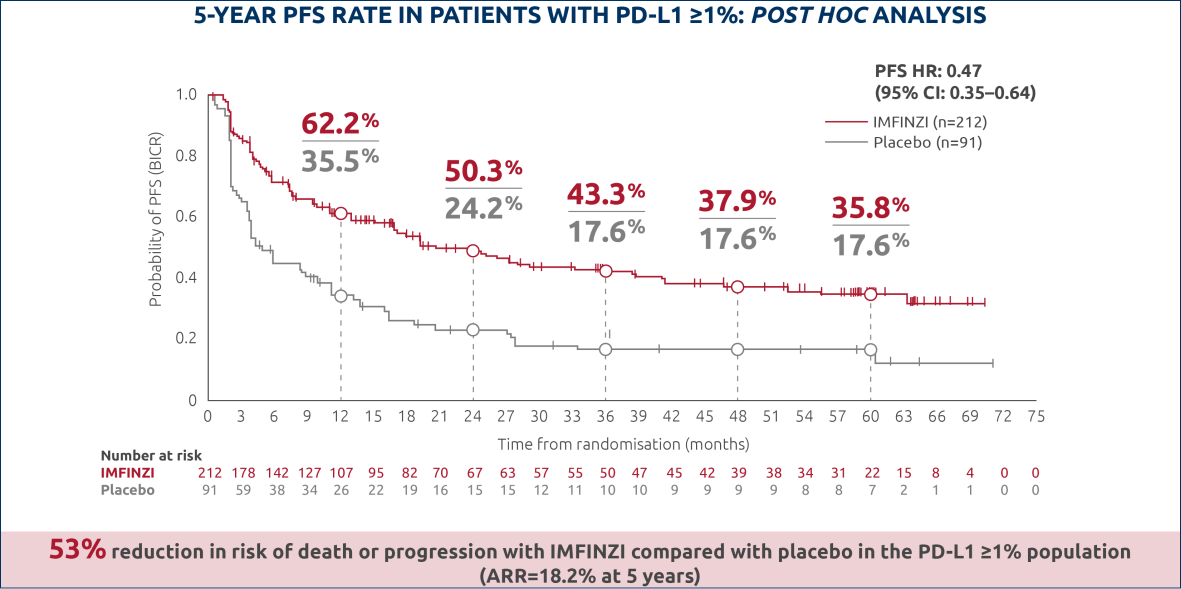
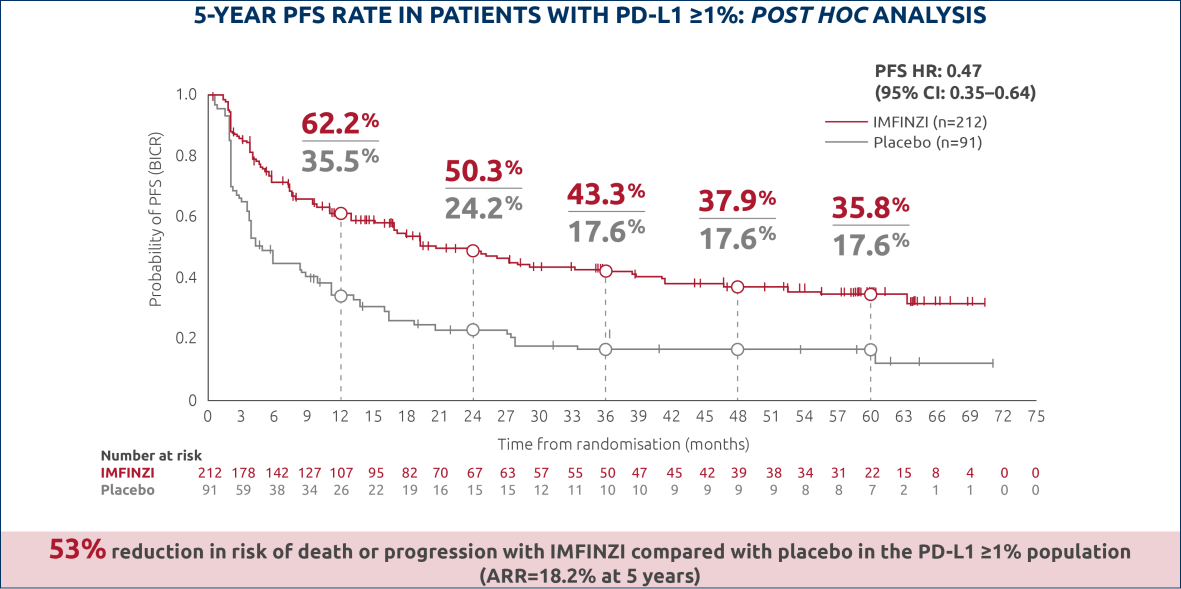
5year-pfs-rate-in-patients 5year-pfs-rate-in-patients

11 January 2021. 

ARR, absolute risk reduction; BICR, blinded independent review; cCRT, concurrent chemoradiotherapy; CI, confidence interval; HR, hazard ratio; ITT, intention to treat; PD-L1, programmed death-ligand 1; PFS, progression-free survival. 

Spigel D, et al. J Clin Oncol 2022;40:1301–1311. 

Approximately one-third of patients in the PD-L1 ≥1% population remained progression free at 5 years with IMFINZI following cCRT.4 


There was therefore a 53% reduction in risk of death or progression with IMFINZI vs placebo in the PD-L1 population (ARR=18.2% at 5 years).4

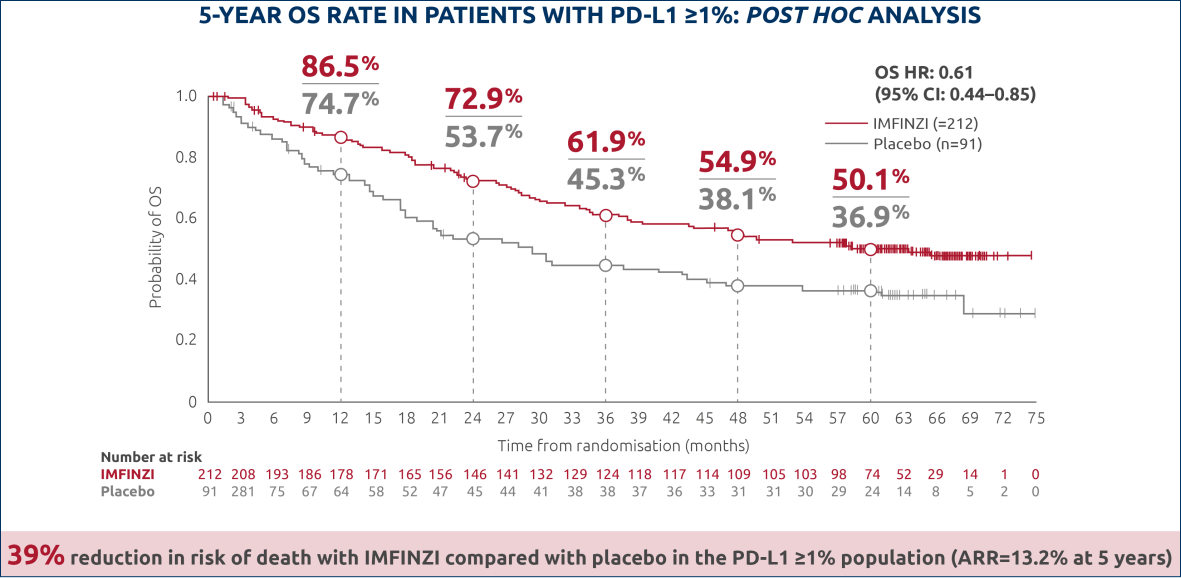
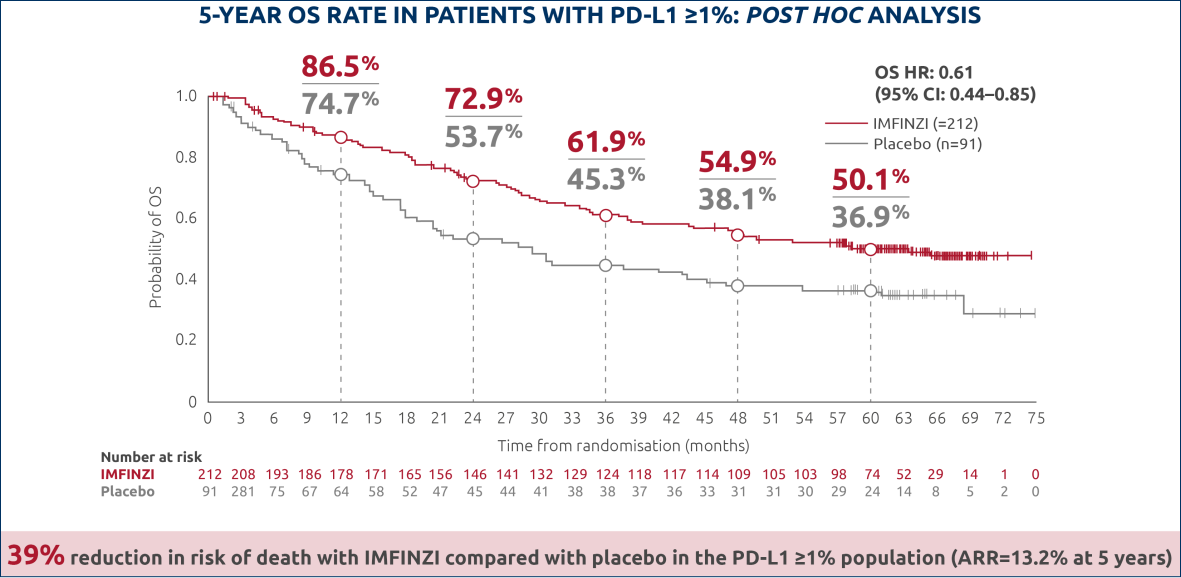
PACIFIC clinical trial: 5-year updated exploratory OS results

pacific-clinical-trails pacific-clinical-trails

Patients were retrospectively tested for PD-L1 expression on tumour cells using the Ventana PD-L1 (SP263) IHC assay, when available. Of all patients, 63% provided a tissue sample of sufficient quality and quantity to determine PD-L1 expression, and 37% were unknown.


The ITT population included patients with PD-L1 <1%; IMFINZI is not licensed for use in patients with PD-L1 <1%. 


ARR, absolute risk reduction; cCRT, concurrent chemoradiotherapy; CI, confidence interval; HR, hazard ratio; IHC, immunohistochemistry; ITT, intention to treat; OS, overall survival; PD-L1, programmed death-ligand 1.

1. Spigel D, et al. J Clin Oncol 2022;40:1301–1311; 2. IMFINZI (durvalumab). Summary of Product Characteristics. https://www.medicines.org.uk/emc/product/9495 (accessed January 2025).

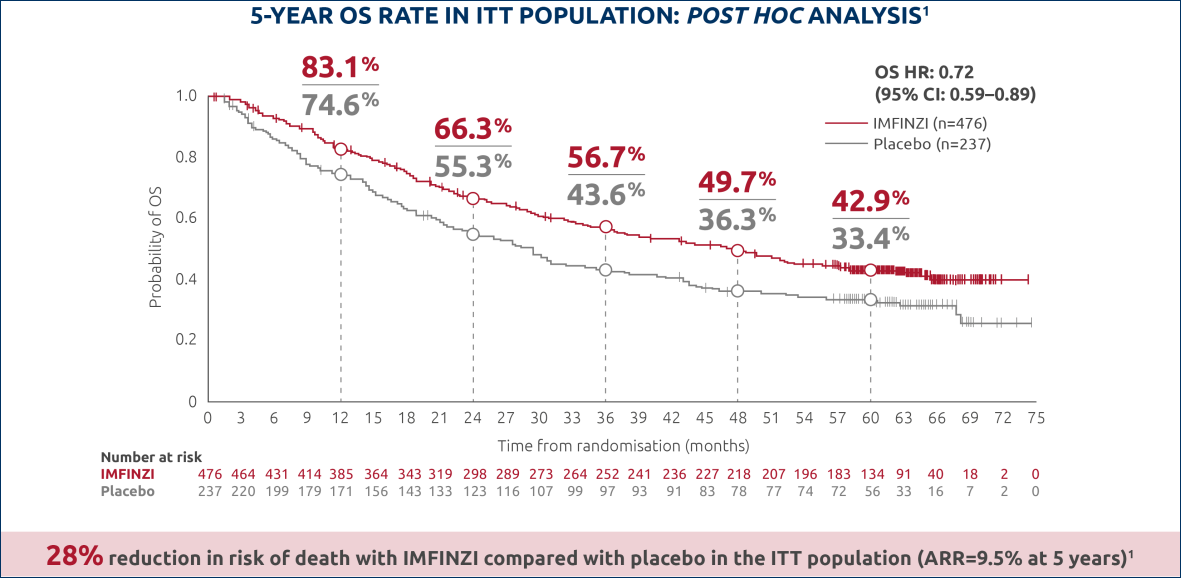
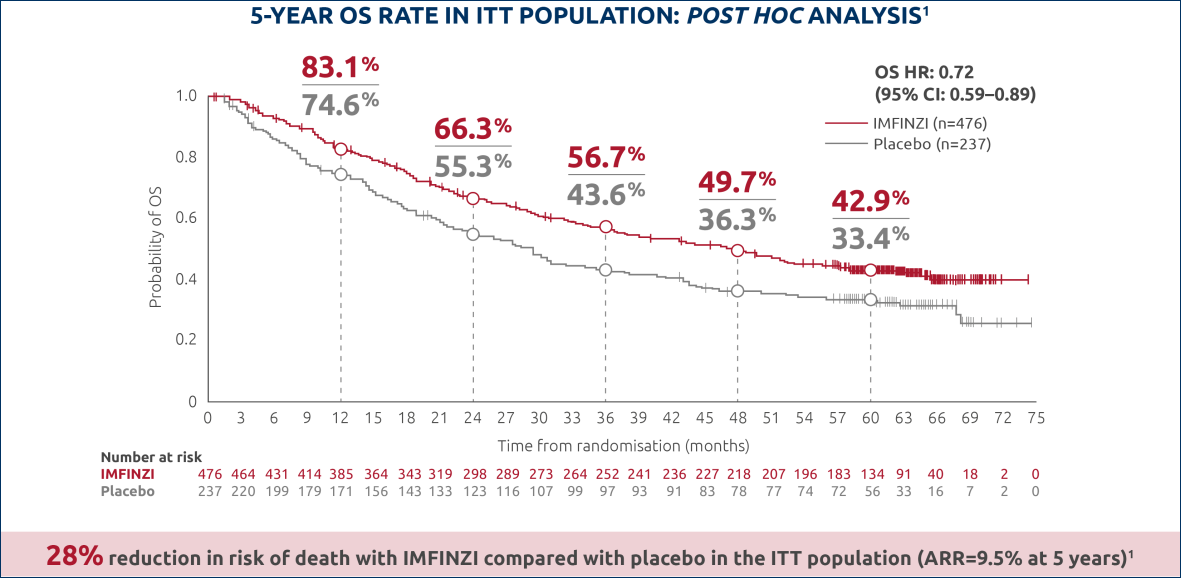
42.9% of patients in the ITT population were still alive at 5 years with IMFINZI following cCRT (vs just 33.4% with placebo).4


There was a 28% reduction in risk of death with IMFINZI vs placebo in the ITT population. (ARR) = 9.5% at 5 years).4

5-year-os-rate 5-year-os-rate

50.1% of those with PD-L1 ≥1% were still alive at 5 years with IMFINZI following cCRT (vs just 36.9% with placebo).4


There was a 39% reduction in risk of death with IMFINZI vs placebo in the PD-L1 population. (ARR = 13.2% at 5 years).4

ADCC, antibody dependent cell-mediated cytotoxicity; APC, antigen-presenting cell; CRT, Chemoradiotherapy; CD, cluster of differentiation; DAMP, damage-associated molecular patterns; FasL, Fas ligand; ICD, immunogenic cell death; IgG1κ, immunoglobulin G1 κ light chain; IFN-γ, interferon-gamma; mAb, monoclonal antibody; MHC, major histocompatibility complex; NSCLC, non-small cell lung cancer; OS, overall survival; PD-1, Programmed Cell Death Protein 1; PD-L1, Programmed Cell Death Ligand 1; PFS, progression-free survival; TAA, tumour-associated antigen; TAM, tumour-associated macrophages; TcR, T-cell receptor; TME, tumour microenvironment; TRAIL, TNF-related apoptosis-inducing ligand.


  1. EMC. IMFINZI SmPC (last accessed January 2025)
  2. CRUK. About Cancer: Survival for lung cancer [Internet]. cancerresearchuk.org. 2022. Available from: https://www.cancerresearchuk.org/about-cancer/lung-cancer/survival (last accessed January 2025)
  3. Antonia SJ, Villegas A, Daniel D, Vicente D, Murakami S, Hui R, et al. Overall Survival with Durvalumab after Chemoradiotherapy in Stage III NSCLC. N Engl J Med. 2018 Dec 13;379(24):2342–50.
  4. Spigel DR, Faivre-Finn C, Gray JE, Vicente D, Planchard D, Paz-Ares L, et al. Five-Year Survival Outcomes From the PACIFIC Trial: Durvalumab After Chemoradiotherapy in Stage III Non-Small-Cell Lung Cancer. J Clin Oncol. 2022 Apr 20;40(12):1301–11.

GB-66552 | DOP: April 2025

Adverse events should be reported. Reporting forms and information can be found at www.mhra.gov.uk/yellowcard or search for MHRA Yellow Card in the Google Play or Apple App Store. Adverse events should also be reported to AstraZeneca by visiting https://contactazmedical.astrazeneca.com/ or by calling ‌‌‌0‌‌‌8‌‌‌‌‌0‌‌‌‌0‌‌‌ ‌‌7‌‌‌‌‌‌8‌‌‌3‌‌‌ ‌‌0‌‌‌‌‌0‌‌‌‌3‌‌‌‌3‌‌‌.

Connessiallasalute.it

This website was created for UK HCPs and has been designed to provide information to educate, empower and enable them in the great work they are doing for patients across a range of therapy areas. This website is intended for doctors, nurses, and pharmacists in the UK. Other UK residents please visit astrazeneca.co.uk.

Terms of use

Privacy Policy

Cookie Policy

Contact Us

LinkedIn

Twitter

©2025 AstraZeneca. GB-73925 | February 2026

Enhance your knowledge, stay informed

Be the first to know. Hear about events, products and ways to support your patients.

Thank you. We will be in touch

GB-74216| DOP : February 2026