Welcome to this UK AstraZeneca produced and funded website

This website is intended for UK Healthcare Professionals only.


The website contains both promotional and non-promotional content.


If you are a patient or a carer of a patient prescribed an AstraZeneca product, please visit myazmed.co.uk


For any other UK residents please visit astrazeneca.co.uk

I am not a Healthcare Professional
IMFINZI (durvalumab) UK Prescribing Information
Adverse Event Reporting

This website is intended for UK Healthcare professionals only. Other UK residents please visit astrazeneca.co.uk

Logo test product
  • Our Medicines
    • Cardiovascular, Renal & Metabolism
      • ATTR Amyloidosis
        • WAINZUA®▼(eplontersen)
      • Chronic Kidney Disease (CKD)
        • FORXIGA® (dapagliflozin)
      • Heart Failure
        • FORXIGA® (dapagliflozin)
      • Hyperkalaemia
        • LOKELMA® (sodium zirconium cyclosilicate)
      • Type 2 Diabetes (T2D)
        • FORXIGA® (dapagliflozin)
    • Oncology
      • Breast Cancer
        • LYNPARZA® (olaparib)
        • TRUQAP®▼(capivasertib)
      • Bladder Cancer
        • IMFINZI® (durvalumab)
      • Endometrial Cancer
        • IMFINZI® (durvalumab)
        • LYNPARZA® (olaparib)
      • Gastrointestinal Cancer
        • IMFINZI® (durvalumab)
        • IMJUDO®▼(tremelimumab)
      • Lung Cancer
        • IMFINZI® (durvalumab)
        • TAGRISSO® (osimertinib)
      • Ovarian Cancer
        • LYNPARZA® (olaparib)
      • Prostate Cancer
        • LYNPARZA® (olaparib)
        • ZOLADEX® (goserelin)
    • Respiratory
      • Asthma
        • TEZSPIRE®▼ (tezepelumab)
        • SYMBICORT® (budesonide/formoterol)
      • Chronic Obstructive Pulmonary Disease(COPD)
        • TRIXEO AEROSPHERE® (formoterol fumarate dihydrate/glycopyrronium/budesonide)
        • BEVESPI® (glycopyrronium/formoterol fumarate dihydrate)
    • Vaccines
      • Flu
        • FLUENZ® nasal spray suspension (influenza vaccine, live attenuated, nasal)
  • Therapy Areas
    • Cardiovascular, Renal & Metabolism
      • ATTR Amyloidosis
      • Chronic Kidney Disease (CKD)
      • Heart Failure
      • Hyperkalaemia
      • Type 2 Diabetes (T2D)
    • Oncology
      • Breast Cancer
      • Bladder Cancer
      • Endometrial Cancer
      • Gastrointestinal Cancer
      • Lung Cancer
      • Ovarian Cancer
      • Prostate Cancer
    • Respiratory
      • Asthma
      • Chronic Obstructive Pulmonary Disease(COPD)
    • Vaccines
      • Flu
  • About us
    • AZ Commitment
  • Contact us
Login
  • AstraZeneca UK
  • Lung Cancer
  • ADRIATIC Efficacy
  • Home
  • Efficacy and clinical trials
    • PACIFIC
    • AEGEAN
    • ADRIATIC
    • CASPIAN
  • Safety profile
    • PACIFIC
    • AEGEAN
    • ADRIATIC
    • CASPIAN
  • Dosing and administration
    • PACIFIC
    • AEGEAN
    • ADRIATIC
    • CASPIAN
  • Mechanism of action
    • PACIFIC
    • AEGEAN
    • ADRIATIC
    • CASPIAN
  • Resources
  • Lung therapy
    • Lung pathway
    • Diagnostics
    • Prehabilitation
ADRIATIC Efficacy

Logo for IMFINZI (durvalumab) which is coloured red and blue with brand and generic name


ADRIATIC Efficacy

The first systemic treatment advancement
in around 3 decades for eligible patients with LS-SCLC.1,6

Explore CASPIAN Data for IMFINZI in ES-SCLC


  • Study design
  • Trial overview by Dr Huiqi Yang
  • Overall survival
  • Progression-free survival
  • PCI in the regimen: subgroup analyses
  • Practicalities of delivering PCI
  • Safety

Limited-stage small-cell lung cancer (LS-SCLC)

IMFINZI as monotherapy is indicated for the treatment of adults with LS-SCLC whose disease has not progressed following platinum-based concurrent or sequential chemoradiation therapy (cCRT or sCRT).1,2

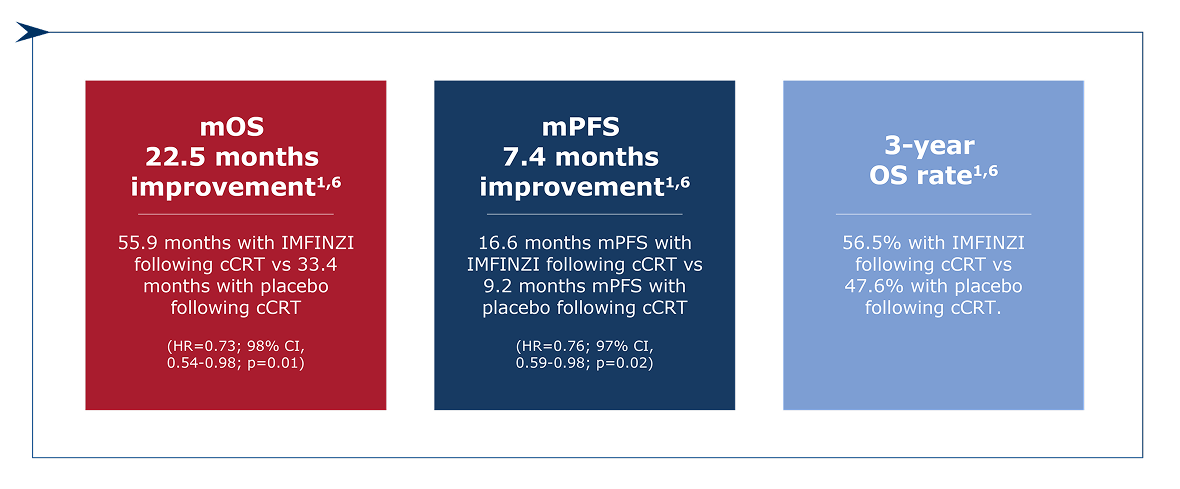
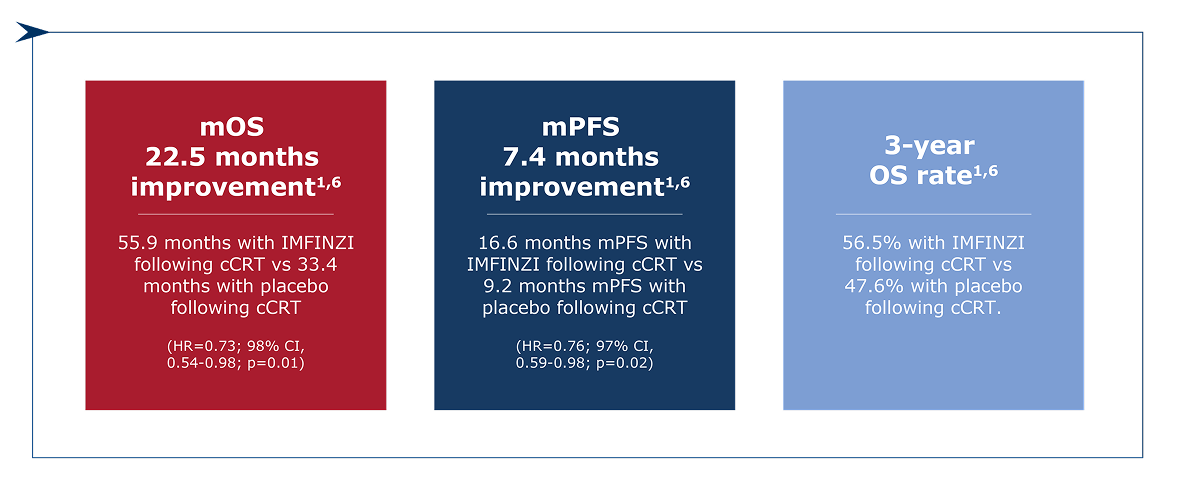
IMFINZI is the first and only IO regimen for LS-SCLC with statistically significant and clinically meaningful overall survival (OS) and progression-free survival (PFS) vs. placebo.1,6

AEGEAN Study design for resectable NSCLC randomising patients to perioperative durvalumab arm or placebo arm AEGEAN Study design for resectable NSCLC randomising patients to perioperative durvalumab arm or placebo arm

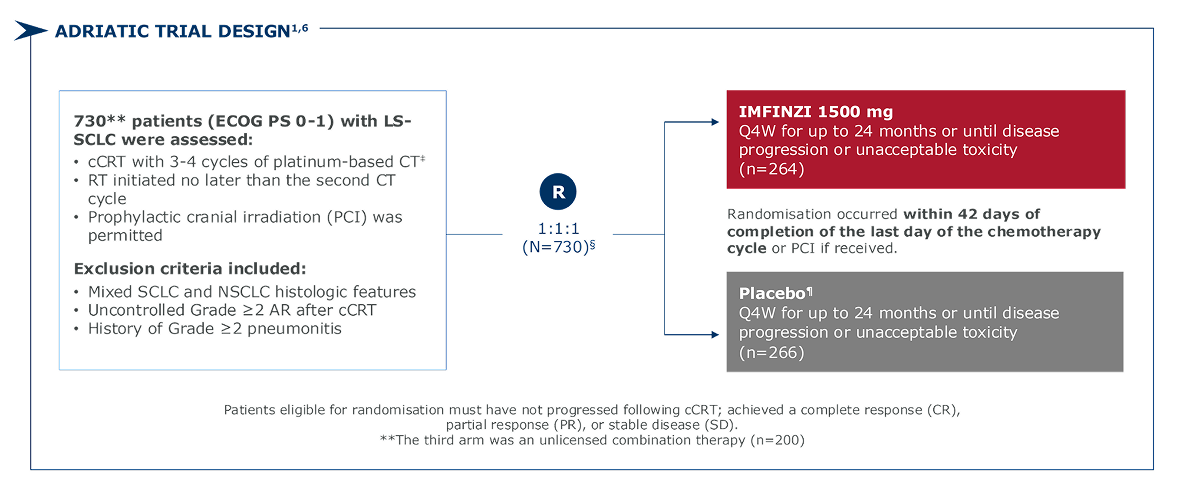
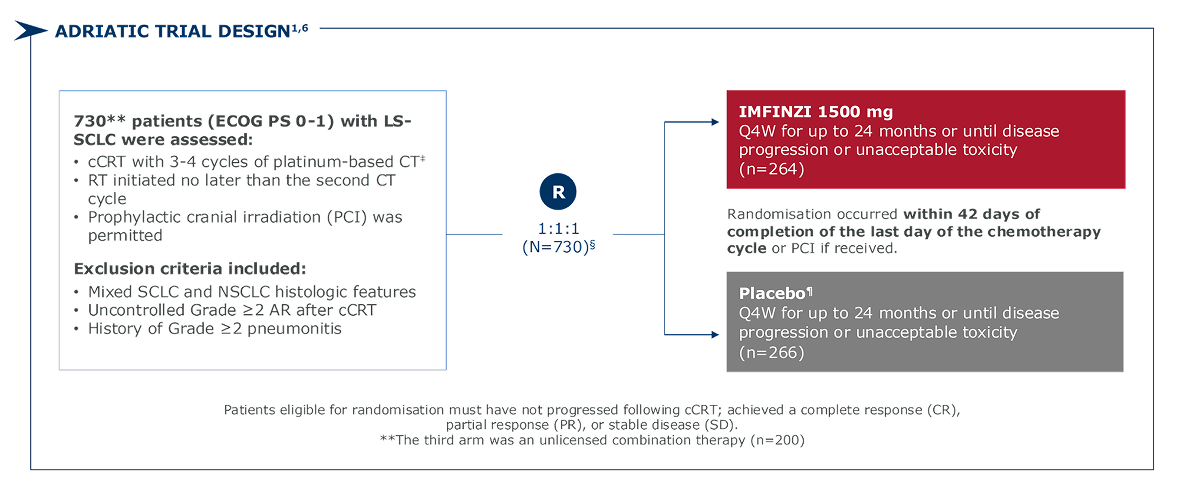
The ADRIATIC study design

ADRIATIC is a randomised, double‑blind, placebo‑controlled, multicentre phase III study in 730 patients with histologically or cytologically confirmed LS‑SCLC (Stage I to III) who had not progressed following concurrent chemoradiation therapy.* Patients had a WHO/ECOG performance status of 0 or 1, 
and Stage I or II patients had to be medically inoperable, as determined by the investigator.†1,6

*The ADRIATIC trial investigated durvalumab following cCRT only, however, NICE recommends and SMC accepts IMFINZI for use following either 
sCRT or cCRT for the management of LS-SCLC.1,2,4,6
AEGEAN Study design for resectable NSCLC randomising patients to perioperative durvalumab arm or placebo arm AEGEAN Study design for resectable NSCLC randomising patients to perioperative durvalumab arm or placebo arm
The NICE recommended and SMC accepted ADRIATIC Regimen offers a flexible treatment solution tailored to patient needs as IMFINZI can be 
initiated after either sCRT or cCRT with flexibility in radiotherapy dosing and the use of PCI.1,2,4,6

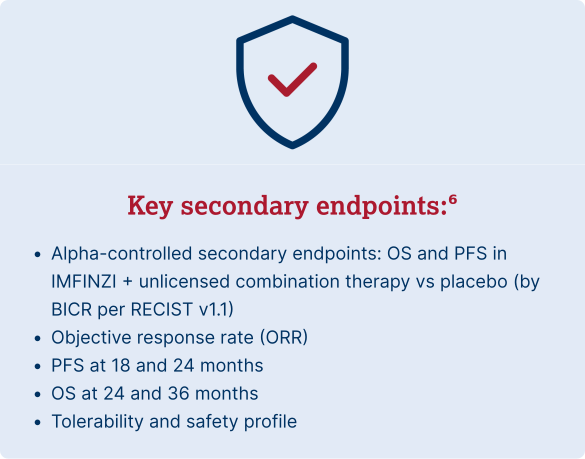
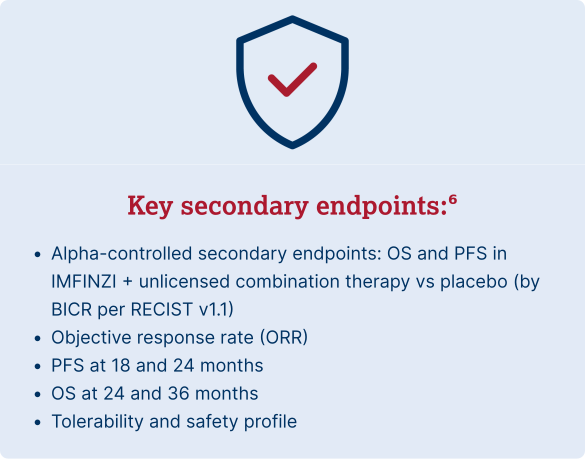
†The ADRIATIC study evaluated the efficacy of IMFINZI monotherapy (n=264) and the combination of IMFINZI and an unlicensed combination therapy (n=200) vs placebo alone (n=266) as a consolidation treatment in patients with LS-SCLC. Randomisation was stratified by stage (I/II vs. III) and receipt of PCI (yes vs. no).1


‡ The radiotherapy component must have been initiated no later than the end of Cycle 2 of chemotherapy and consist of either 60 to 66 Gy over 6 weeks (standard once-daily schedule) or 45 Gy over 3 weeks (hyperfractionated twice-daily schedule).1,6

§ Once 600 patients were randomised, subsequent patients were randomised 1:1 between only the IMFINZI monotherapy and placebo arms. Therapy with IMFINZI and unlicensed combination therapy was an investigational approach, and the data from that arm is not being presented. Patients in the IMFINZI and cCRT alone arms were administered an unlicensed medicine placebo for the first 4 cycles.1,6


¶Placebo=cCRT alone

AEGEAN Study design for resectable NSCLC randomising patients to perioperative durvalumab arm or placebo arm AEGEAN Study design for resectable NSCLC randomising patients to perioperative durvalumab arm or placebo arm

Patients in the ADRIATIC trial were reflective of the general LS-SCLC population1,6

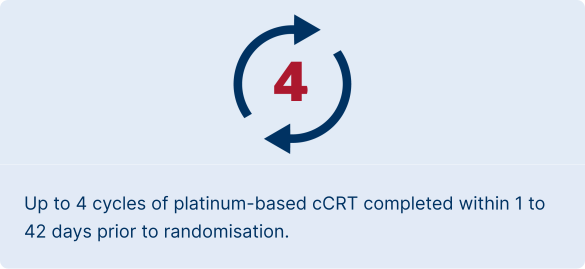
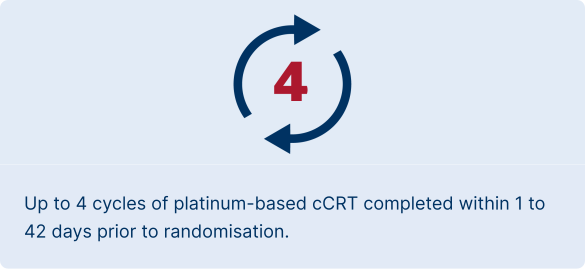
IMFINZI was evaluated in patients who had not progressed following up to 4 cycles of definitive, platinum-based cCRT completed within 1 to 42 days prior to randomisation.1,6


Demographics and baseline disease characteristics were well balanced between study arms and included on average:1

  • Gender: 69.1% males
  • Age: 39.2% ≥ 65 years
  • Ethnicity: 50.4% white, 47.5% Asian, 4.2% Hispanic or Latino, 0.8% Black or African-American
  • Smoking status: 22.3% current smoker, 68.5% past smoker, 9.2% never smoked
  • WHO/ECOG score: 48.7% PS 0, 51.3% PS 1, 3.6% Stage I, 9.1% Stage II, 87.4% Stage III.


Baseline characteristics (Intention-To-Treat Population)*6

 IMFINZI (n=264)Placebo (n=266)
Median age (range) – yr62 (28–84)62 (28–79)
Male sex – no. (%)178 (67.4)188 (70.7)
Race – no. (%)†  
White130 (49.2)137 (51.5)
Asian131 (49.6)121 (45.5)
Black1 (0.4)3 (1.1)
Other2 (0.8)5 (1.9)
Geographic region – no. (%)††  
Asia129 (48.9)120 (45.1)
Europe94 (35.6)112 (42.1)
North or South America41 (15.5)34 (12.8)
WHO performance-status score – no. (%)¶  
0132 (50.0)126 (47.4)
1132 (50.0)140 (52.6)
Former or current smoker – no. (%)241 (91.3)240 (90.2)
Tumour-node-metastasis stage at diagnosis – no. (%)§  
I or II33 (12.5)34 (12.8)
III231 (87.5)232 (87.2)
Previous concurrent chemoradiotherapy – no. (%)  
Chemotherapy regimen in first cycle  
Cisplatin–etoposide173 (65.5)178 (66.9)
Carboplatin–etoposide91 (34.5)88 (33.1)
Radiotherapy fractionation schedule  
Once daily195 (73.9)187 (70.3)
Twice daily69 (26.1)79 (29.7)
Best response  
Complete response31 (11.7)34 (12.8)
Partial response191 (72.3)200 (75.2)
Stable disease42 (15.9)32 (12.0)
Time from end of previous concurrent chemoradiotherapy to randomisation – no. (%)  
<14 days32 (12.1)32 (12.0)
14 to <28 days79 (29.9)80 (30.1)
≥28 days153 (58.0)154 (57.9)
Receipt of prophylactic cranial irradiation before randomisation – no. (%)§142 (53.8)143 (53.8)

Adapted from Cheng Y, et al. New England Journal of Medicine 2024.6


 * The intention-to-treat population included all patients who underwent randomisation. Percentages may not total 100 because of rounding.6


†Race was self-reported.6

†† Asia included China, India, Japan, South Korea, Taiwan, and Vietnam. Europe included Belgium, the Czech Republic, Germany, Italy, the Netherlands, Poland, Russia, Spain, Turkey, and the United Kingdom. North America included Canada and the United States, and South America included Argentina.6

¶ World Health Organization (WHO) performance-status scores range from 0 to 5, with higher scores indicating greater disability. Data shown are for the last WHO performance-status score recorded before or on the day of randomisation.6

§ This characteristic was a stratification factor, as recorded in the electronic case-report form.6


Back to top

An overview of the ADRIATIC trial by Dr Huiqi Yang

Hear Dr Huiqi Yang, Consultant Clinical Oncologist, Cambridge University Hospitals NHS Foundation Trust provide an overview of the ADRIATIC regimen and share her clinical insights.

All statements and opinions expressed in this video are those of the individual speaker and are based on their own personal experience.

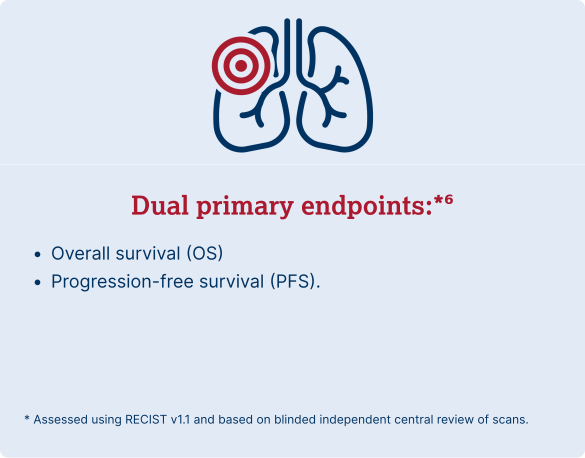
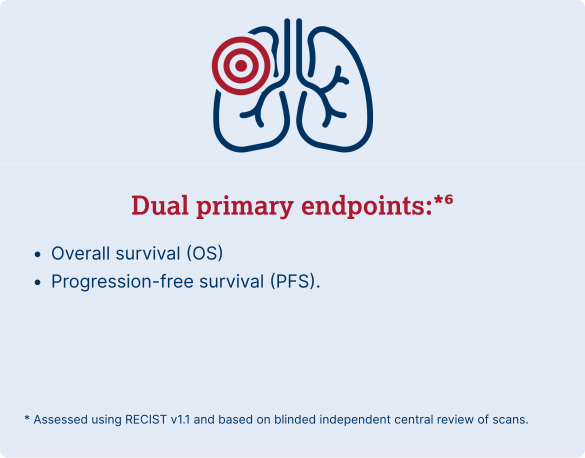
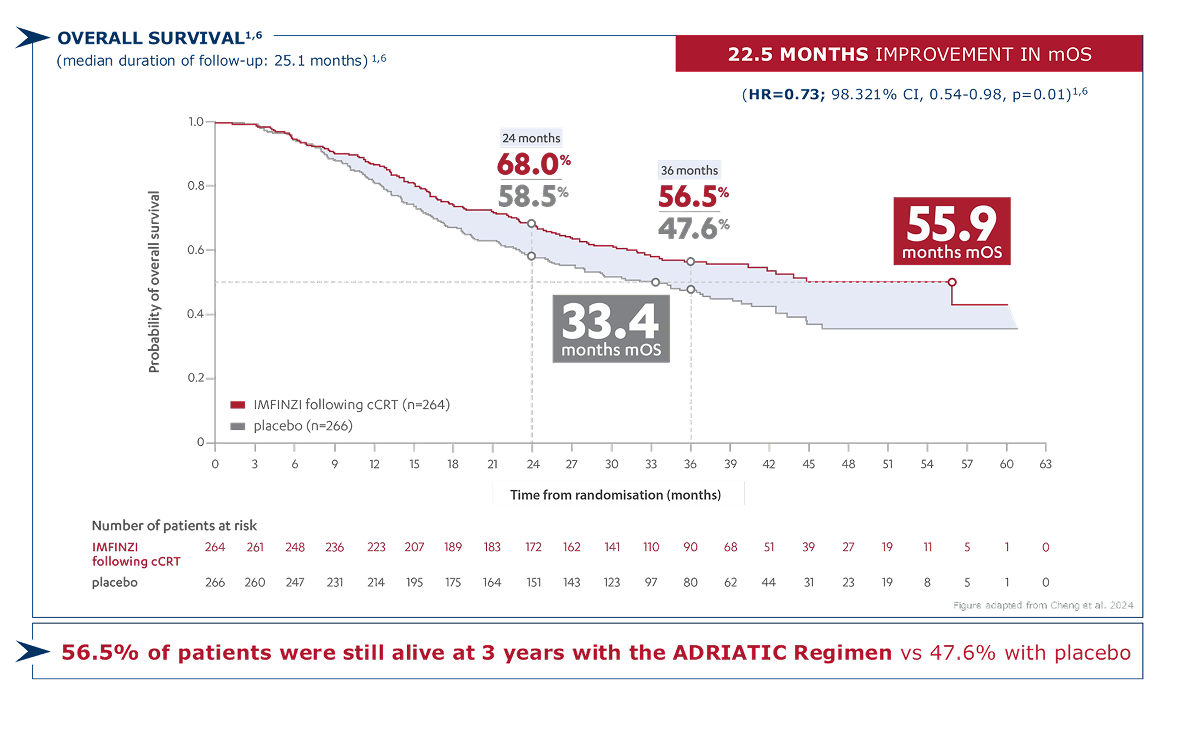
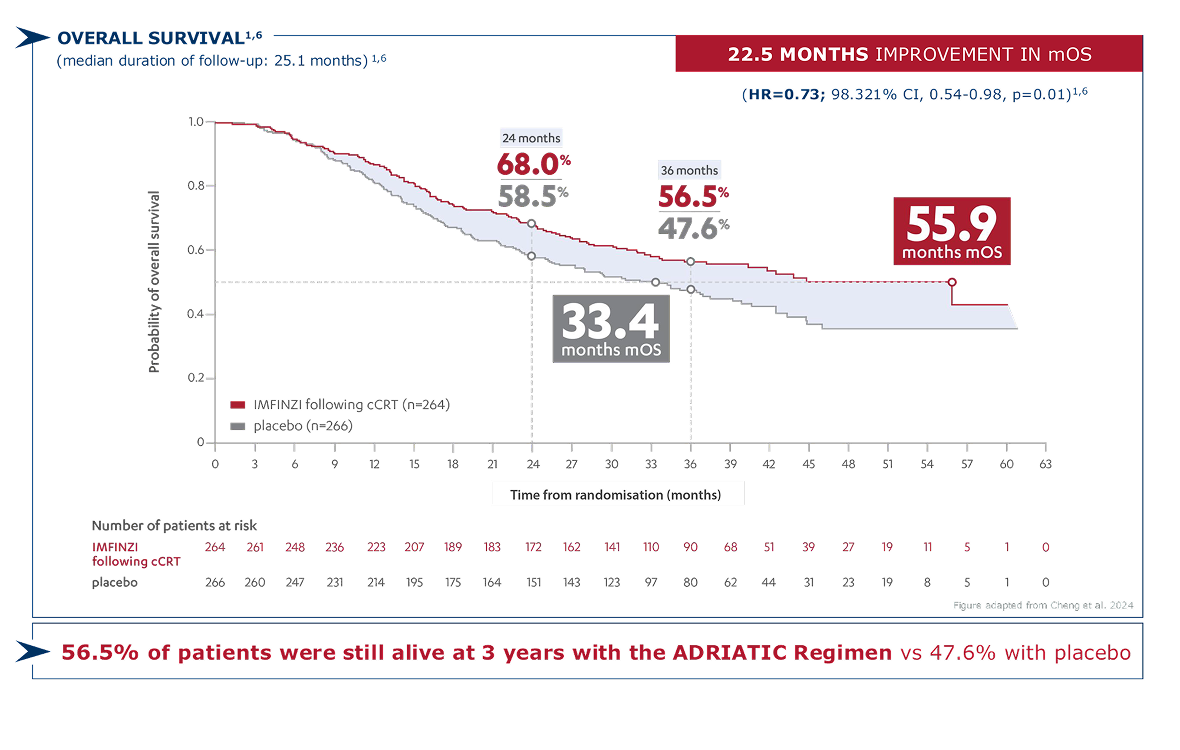
Overall survival (dual primary endpoint)

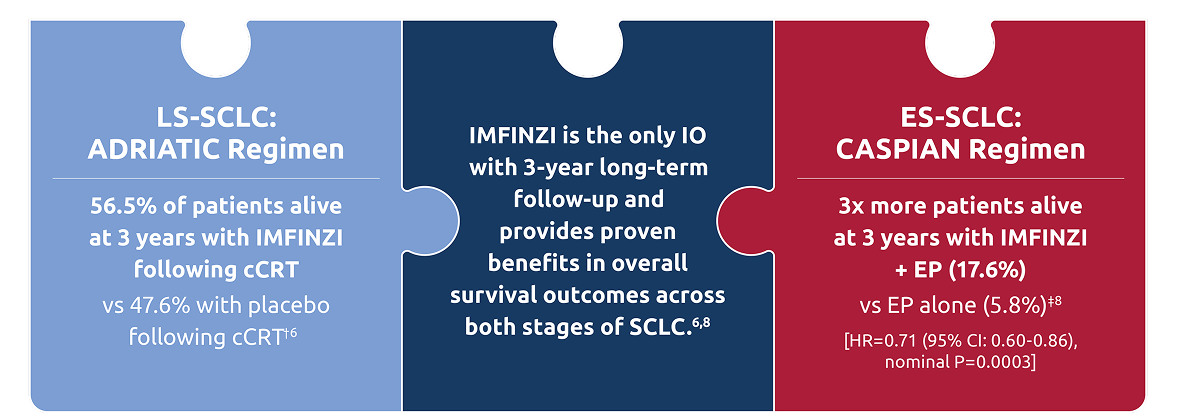
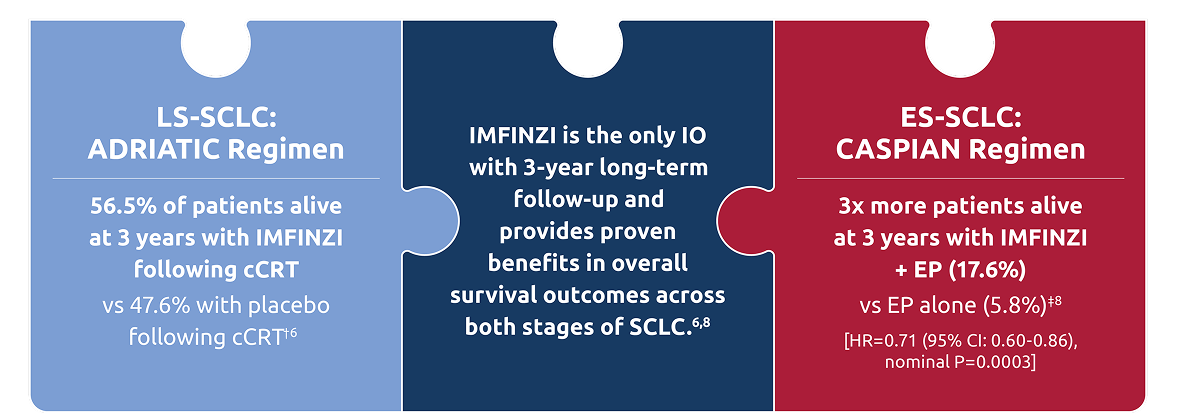
IMFINZI following cCRT demonstrated 22.5 months improvement in mOS vs. placebo6

AEGEAN Study design for resectable NSCLC randomising patients to perioperative durvalumab arm or placebo arm AEGEAN Study design for resectable NSCLC randomising patients to perioperative durvalumab arm or placebo arm
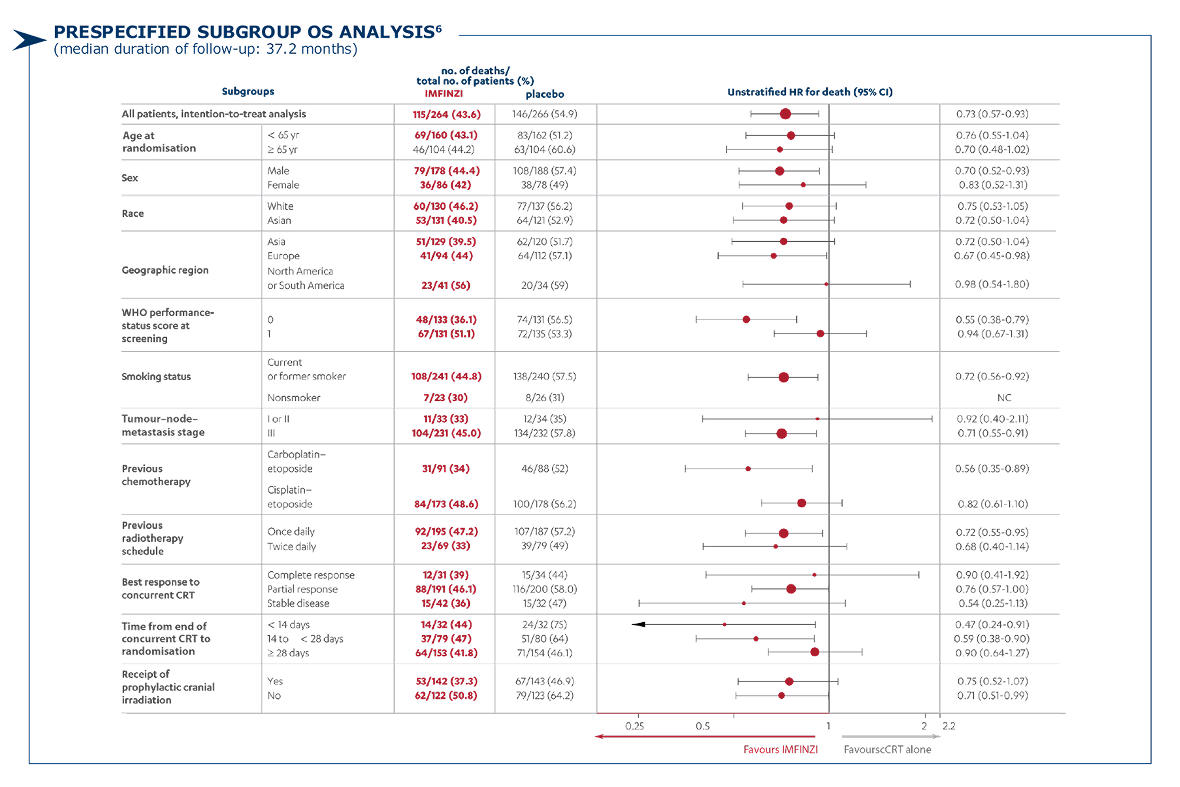
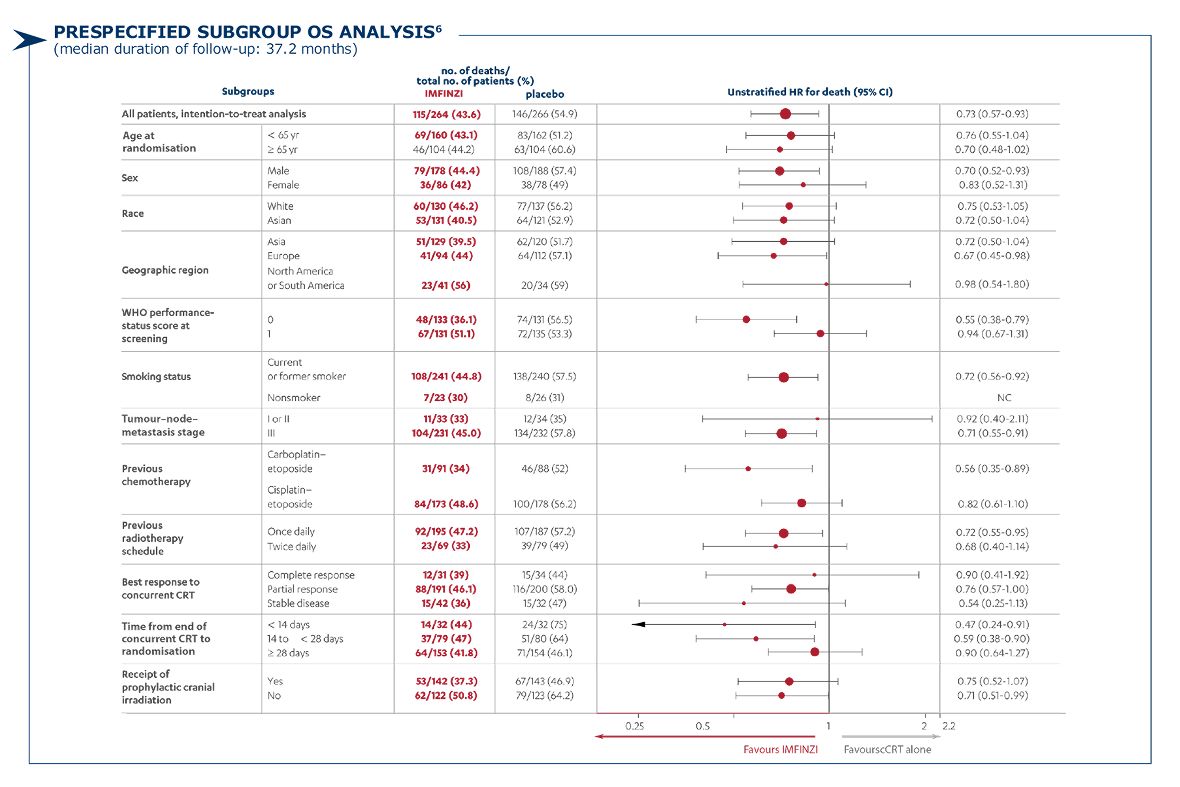
Overall survival benefits with IMFINZI following cCRT are consistent across subgroups vs placebo.*6
AEGEAN Study design for resectable NSCLC randomising patients to perioperative durvalumab arm or placebo arm AEGEAN Study design for resectable NSCLC randomising patients to perioperative durvalumab arm or placebo arm

*OS subgroup analysis was not powered to show differences between or within individual subgroups, and was not tested for statistical significance.6

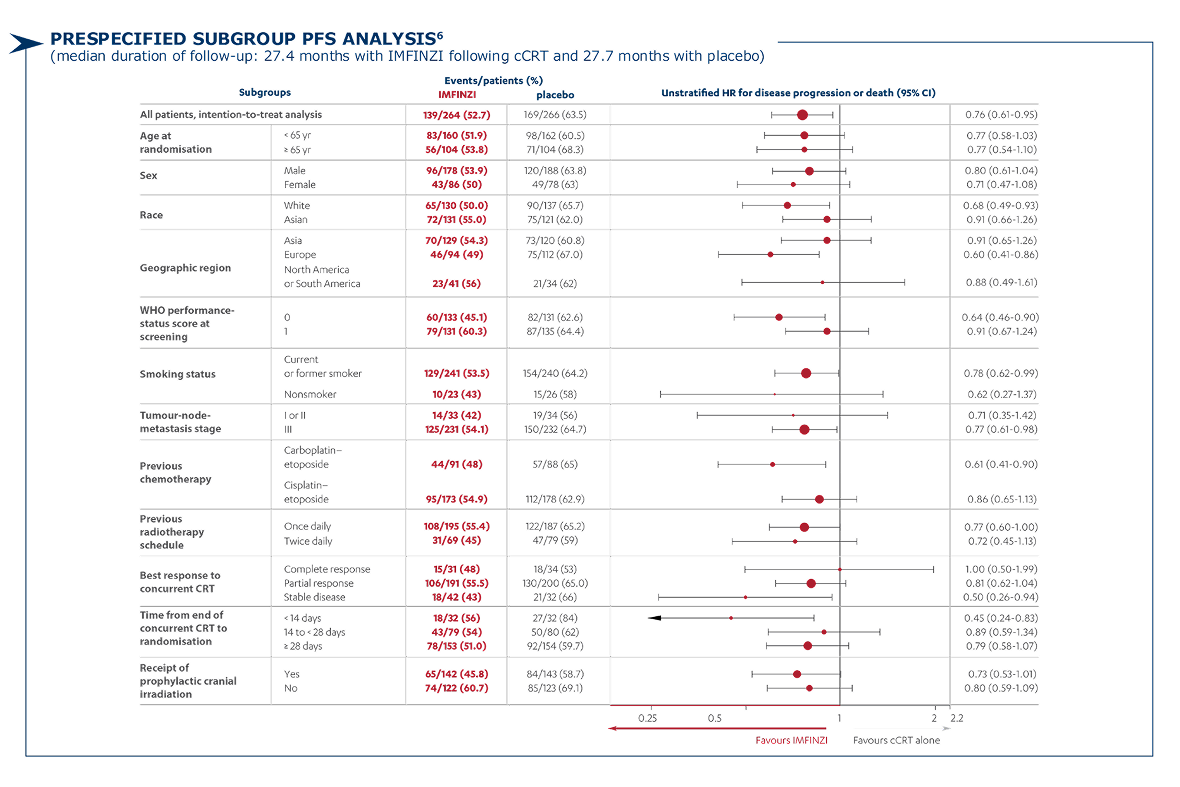
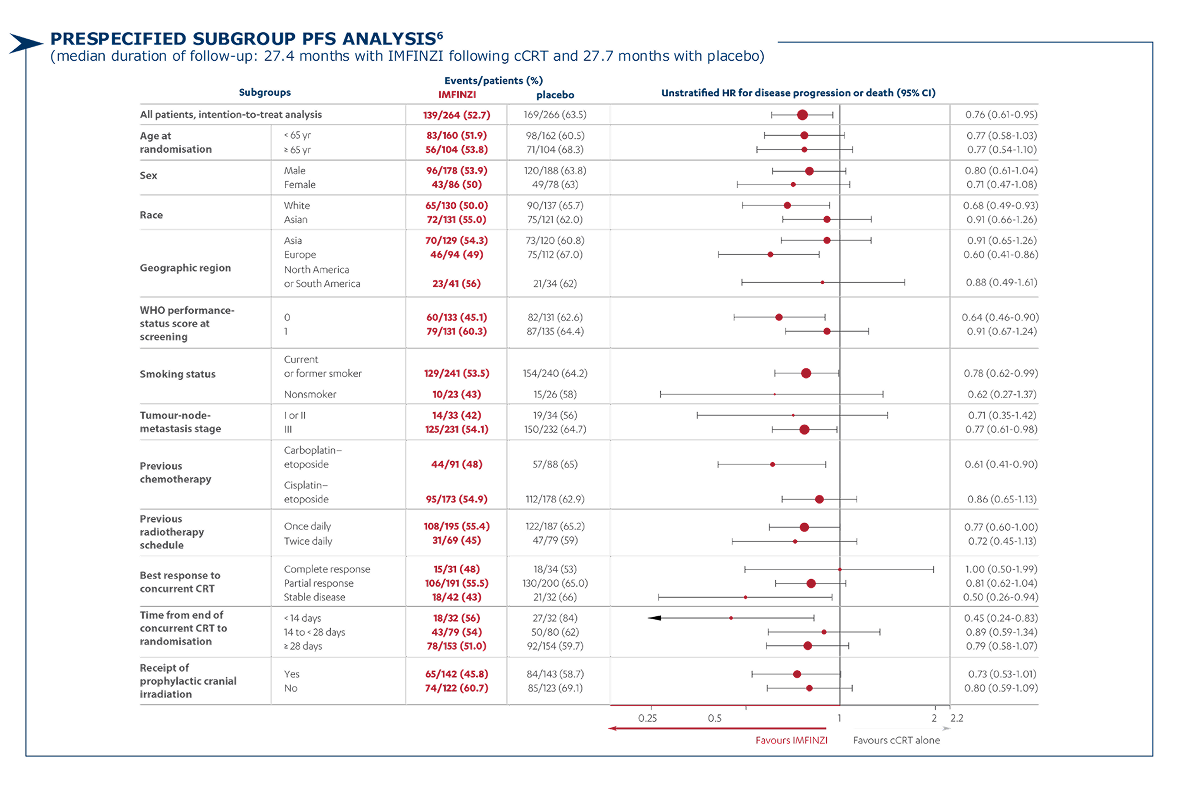
Progression-free survival (dual primary endpoint)

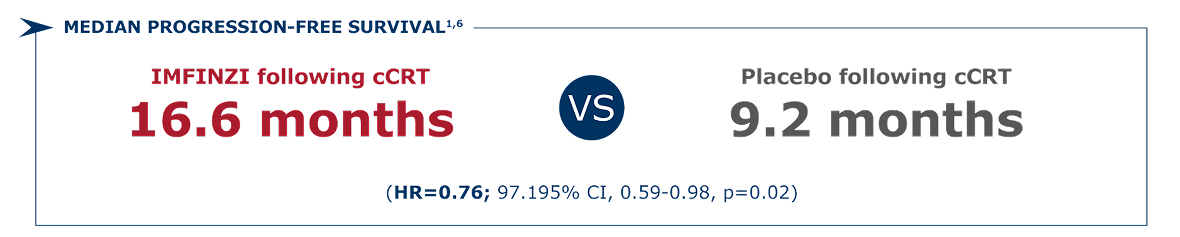
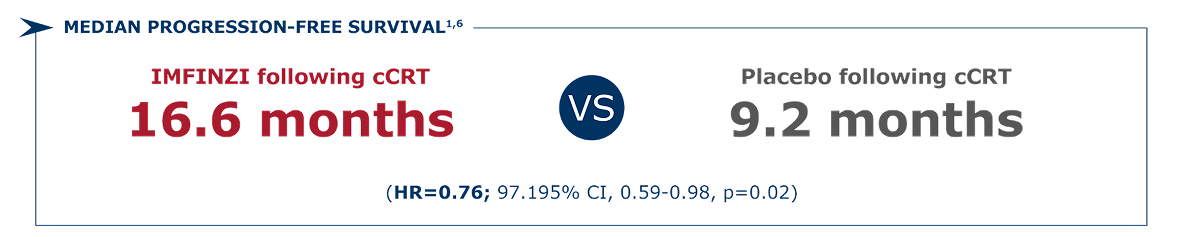
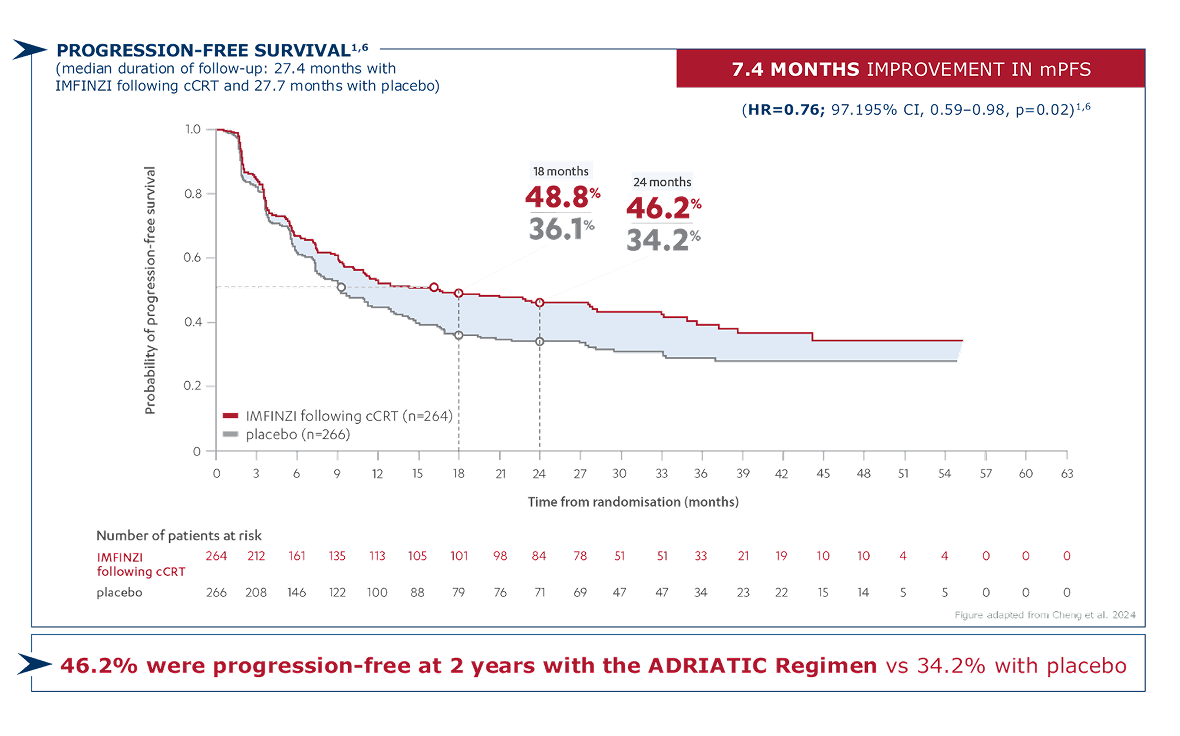
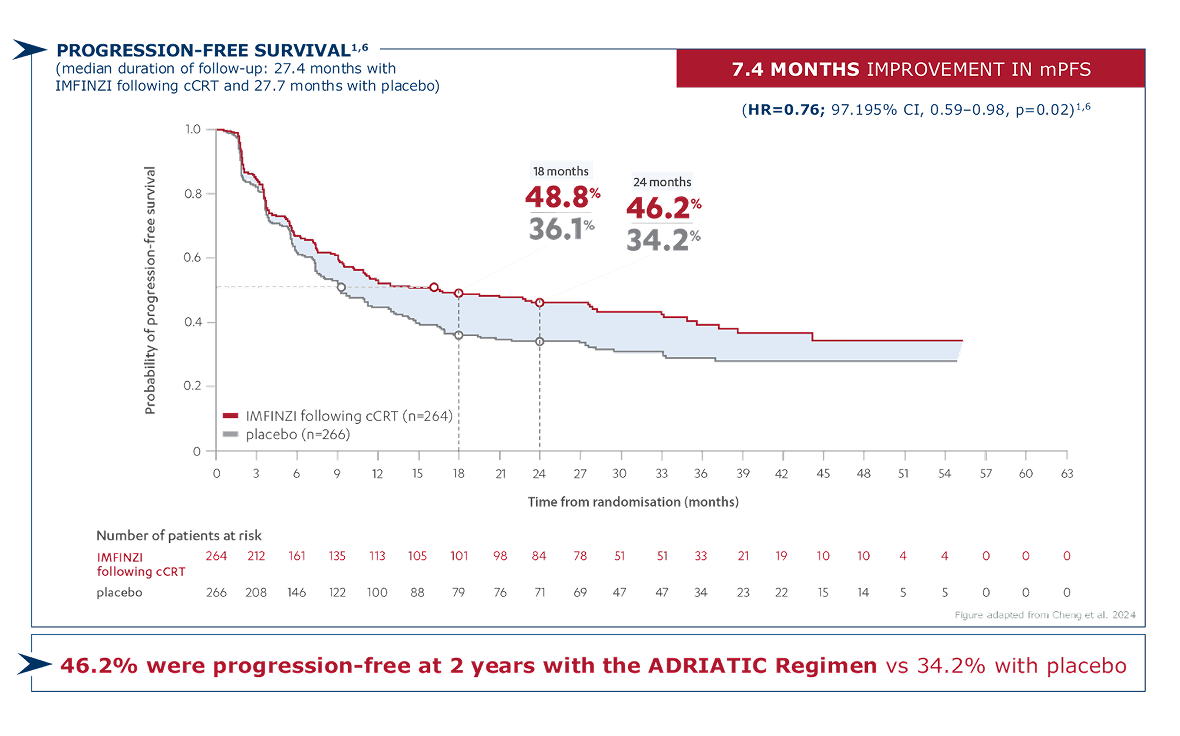
IMFINZI following cCRT demonstrated 7.4 months improvement in mPFS vs. placebo

4 times more patients had pathological complete response (pCR) with AEGEAN vs neoadjuvant placebo with chemotherapy 4 times more patients had pathological complete response (pCR) with AEGEAN vs neoadjuvant placebo with chemotherapy
PFS benefits with IMFINZI following cCRT are consistent across subgroups vs placebo.*6
4 times more patients had pathological complete response (pCR) with AEGEAN vs neoadjuvant placebo with chemotherapy 4 times more patients had pathological complete response (pCR) with AEGEAN vs neoadjuvant placebo with chemotherapy

*PFS subgroup analysis was not powered to show differences between or within individual subgroups and was not tested for statistical significance.6

PCI in the ADRIATIC Regimen: Subgroup analyses

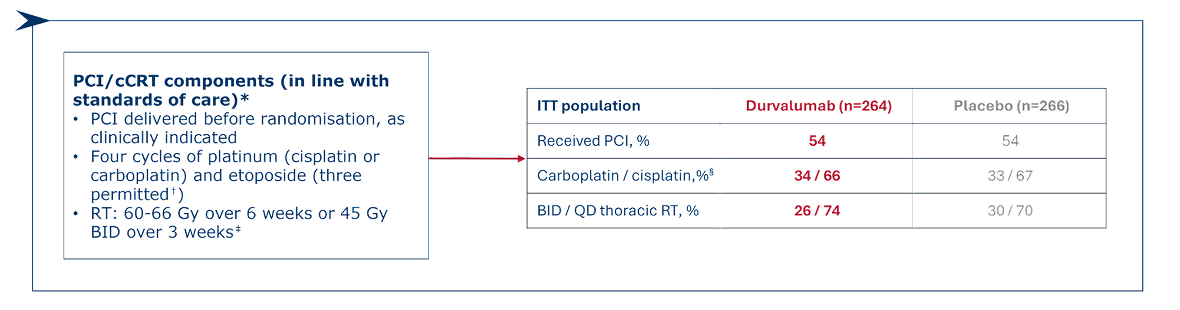
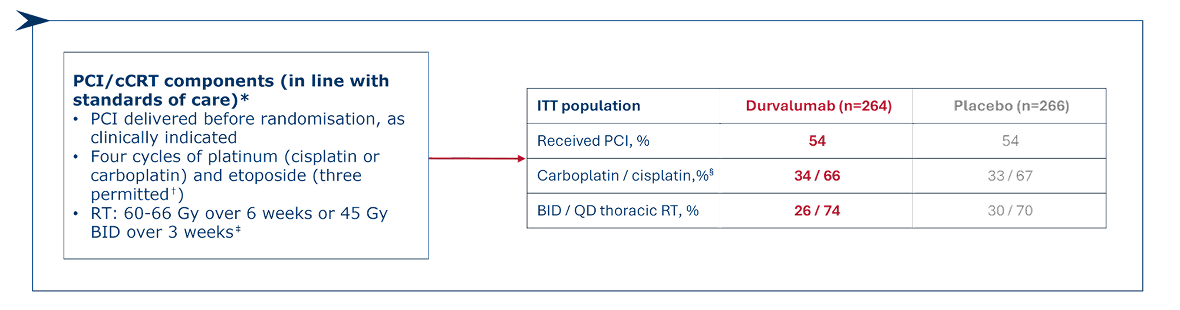
The NICE recommended and SMC accepted ADRIATIC Regimen offers a flexible treatment solution tailored to patient needs as IMFINZI can be initiated after either sequential or concurrent chemoradiotherapy, with flexibility in radiotherapy dosing and the use of PCI.1,2,4,6


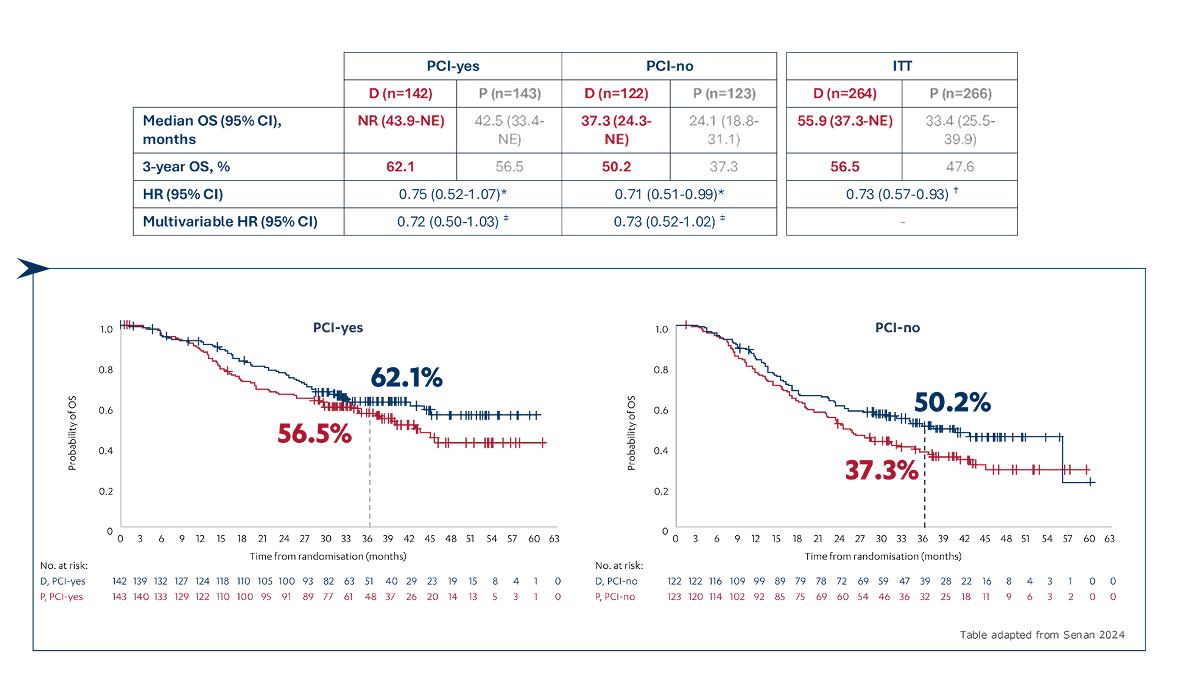
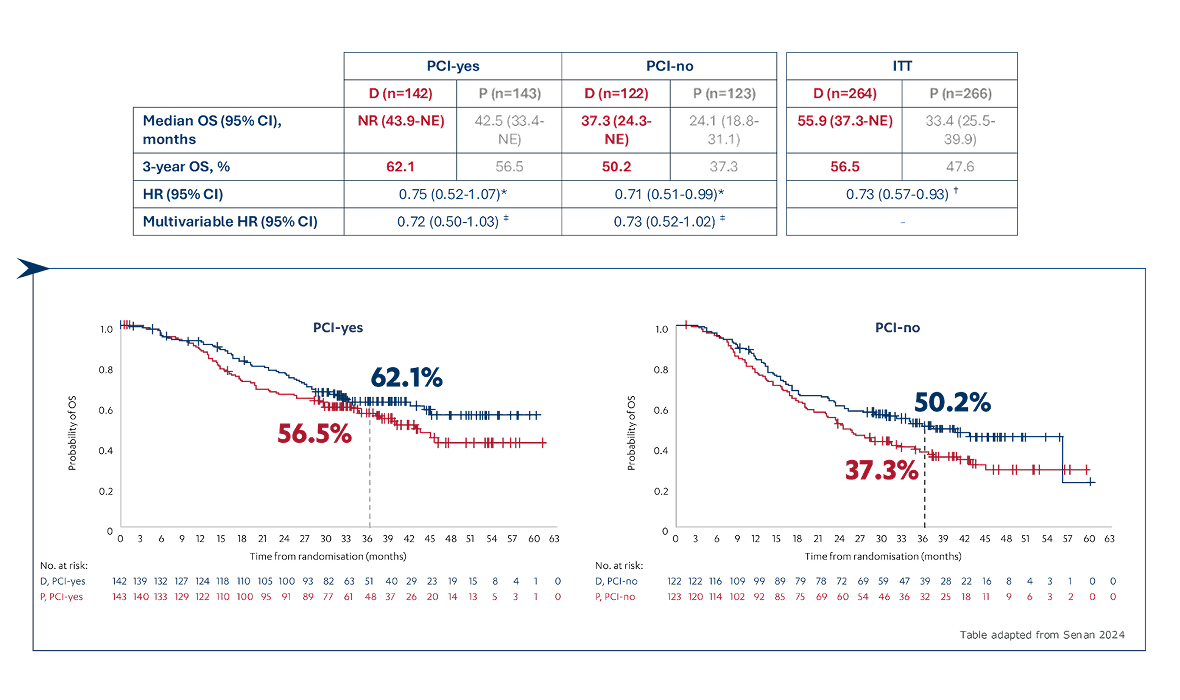
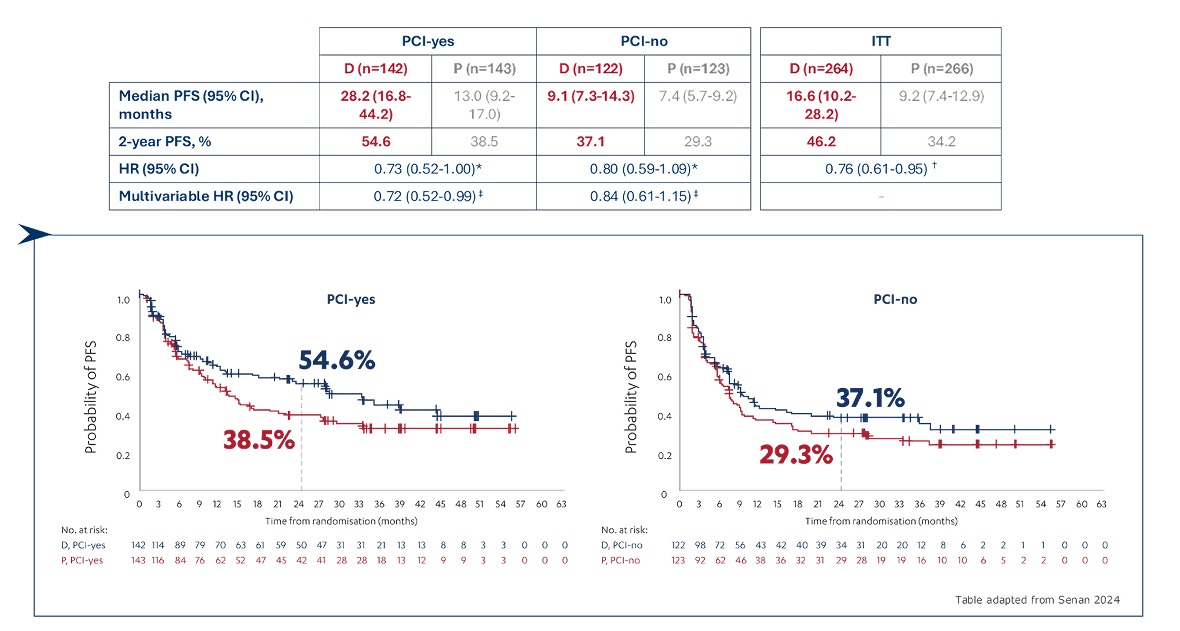
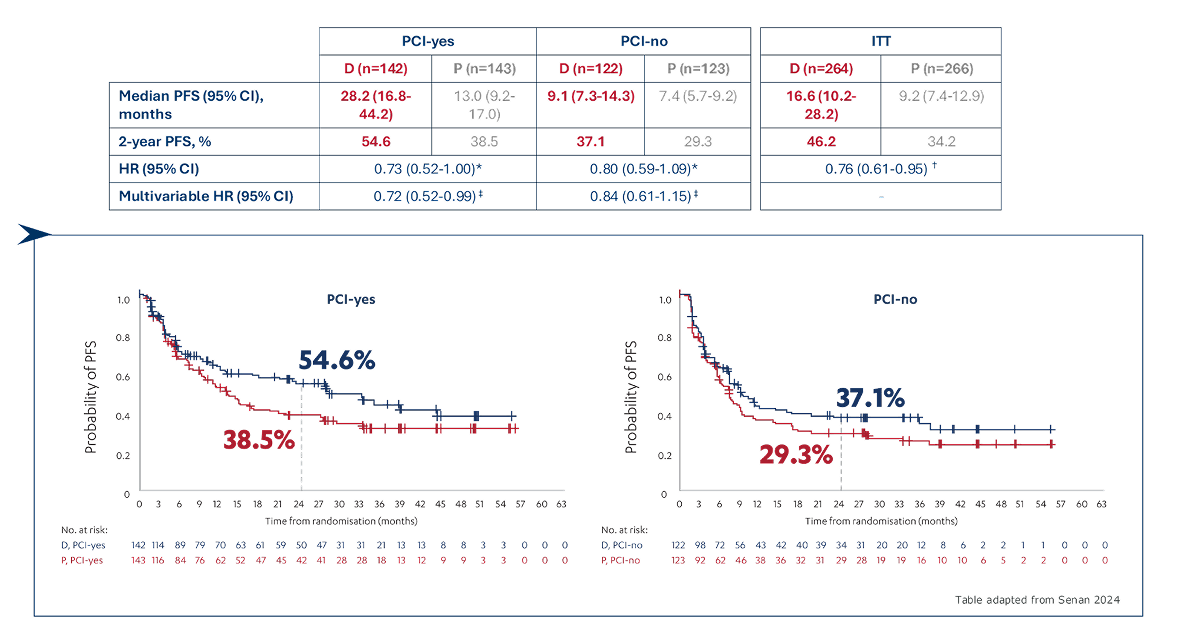
Post-hoc analyses of OS, PFS and safety profile with durvalumab versus placebo, in prespecified subgroups of patients defined by PCI use and prior cCRT-related variables:7


  • PCI or no PCI
  • Carboplatin- or cisplatin-based CT
  • BID or QD RT.
4 times more patients had pathological complete response (pCR) with AEGEAN vs neoadjuvant placebo with chemotherapy 4 times more patients had pathological complete response (pCR) with AEGEAN vs neoadjuvant placebo with chemotherapy

*The components and delivery of standard of care may vary based on patient characteristics and region.

†If disease control was achieved and no additional benefit was expected with an additional cycle of CT, in the opinion of the investigator.

‡RT must commence no later than end of cycle 2 of CT.

§Based on the first cycle of CT.7

For each subgroup, hazard ratios (HRs) for IMFINZI vs placebo were calculated from an unstratified multivariable Cox proportional hazards model with a treatment-by-subgroup (PCI, CT, or RT) interaction term that was adjusted for PCI, CT, RT, time from cCRT to randomisation, response to cCRT, age, sex, WHO PS, and disease stage.7

IMFINZI improved OS irrespective of PCI use across subgroups.*7
4 times more patients had pathological complete response (pCR) with AEGEAN vs neoadjuvant placebo with chemotherapy 4 times more patients had pathological complete response (pCR) with AEGEAN vs neoadjuvant placebo with chemotherapy

*Subgroup HRs and CIs calculated using unstratified Cox proportional hazards model.

†ITT HR and CIs calculated using a Cox proportional hazards model stratified by TNM stage and receipt of PCI.

‡Multivariable analysis interaction p-value 0.96.7


IMFINZI improved PFS irrespective of PCI use across subgroups7
4 times more patients had pathological complete response (pCR) with AEGEAN vs neoadjuvant placebo with chemotherapy 4 times more patients had pathological complete response (pCR) with AEGEAN vs neoadjuvant placebo with chemotherapy

*Subgroup HRs and CIs calculated using unstratified Cox proportional hazards model.


†ITT HR and CIs calculated using a Cox proportional hazards model stratified by TNM stage and receipt of PCI.


‡Multivariable analysis interaction p-value 0.50.7

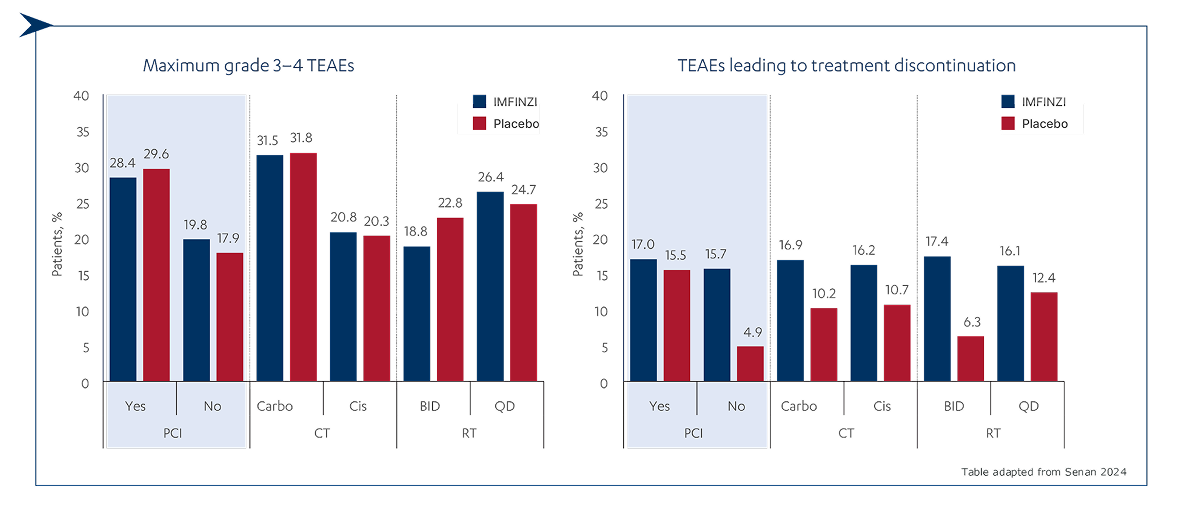
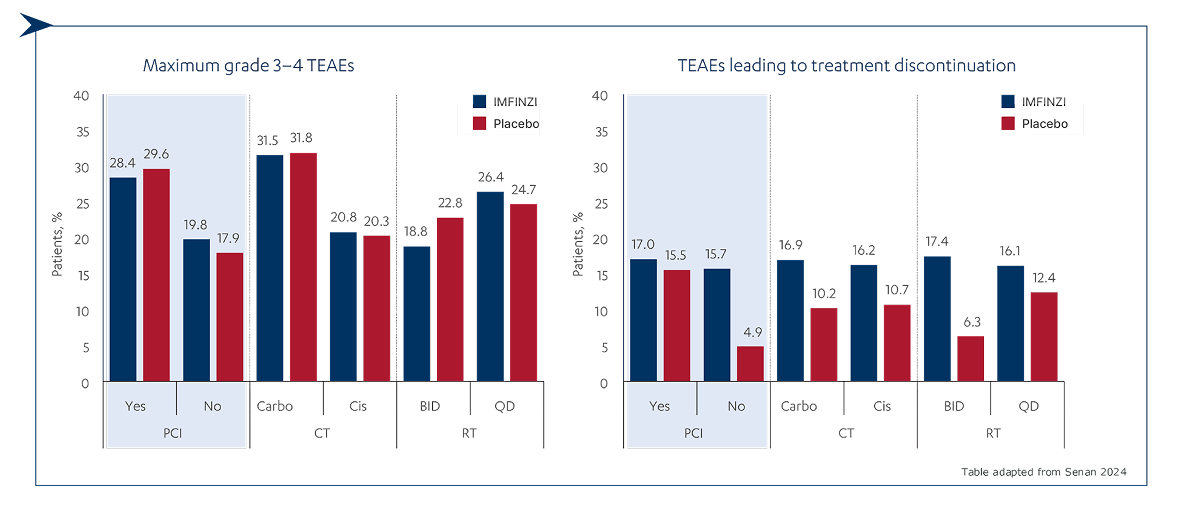
Rates of maximum grade 3-4 treatment-emergent adverse events (TEAEs) were higher in PCI-yes vs PCI-no and carboplatin vs cisplatin subgroups7

4 times more patients had pathological complete response (pCR) with AEGEAN vs neoadjuvant placebo with chemotherapy 4 times more patients had pathological complete response (pCR) with AEGEAN vs neoadjuvant placebo with chemotherapy
To see more safety data from the ADRIATIC trial, click here
  • Rates of maximum grade 3-4 TEAEs higher in PCI-yes vs PCI-no and carboplatin vs cisplatin subgroups; rates of TEAEs leading to durvalumab discontinuation similar across subgroups.7
  • No meaningful differences in safety profiles between BID and QD subgroups.7

Practicalities of delivering PCI by Dr Huiqi Yang

The NICE recommended and SMC accepted ADRIATIC regimen offers the option of PCI alongside sCRT or cCRT1,2,4,6

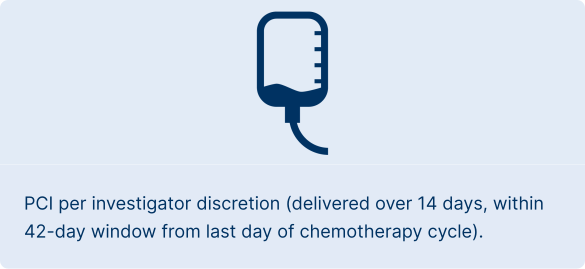
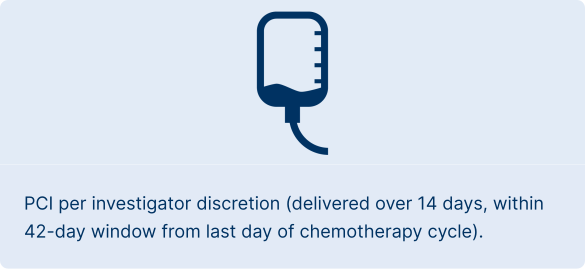
Plan early to protect the prescribing window. The ADRIATIC Regimen allows PCI alongside sCRT or CCRT. Early planning helps ensure 
PCI can be delivered within the 42-day window before durvalumab initiation.1,2,4,6

Hear Dr Huiqi Yang, Consultant Clinical Oncologist, Cambridge University Hospitals NHS Foundation Trust share her insights on the practicalities of delivering PCI in a real-world setting.

All statements and opinions expressed in this video are those of the individual speaker and are based on their own personal experience.

ADRIATIC indication: IMFINZI as monotherapy is indicated for the treatment of adults with limited-stage small-cell lung cancer (LS-SCLC) whose disease has not progressed following platinum-based chemoradiation therapy.1


CASPIAN indication: IMFINZI in combination with etoposide and either carboplatin or cisplatin is indicated for the first-line treatment of adults with extensive-stage small-cell lung cancer (ES‑SCLC).1


NICE recommends durvalumab can be used, within its marketing authorisation, as an option to treat limited-stage small-cell lung cancer that has not progressed after platinum-based chemoradiotherapy in adults. Durvalumab can only be used if the company provides it according to the commercial arrangement.²


SMC has accepted durvalumab for treating adults with limited-stage small-cell lung cancer (LS-SCLC). It is used in patients whose disease has not got worse after platinum-based chemoradiation therapy (chemotherapy and radiotherapy given at the same time).4


4 times more patients had pathological complete response (pCR) with AEGEAN vs neoadjuvant placebo with chemotherapy 4 times more patients had pathological complete response (pCR) with AEGEAN vs neoadjuvant placebo with chemotherapy

†Based on interim analysis.6

‡Based on exploratory analysis. Interim (primary) analysis results demonstrated mOS was significantly longer in the IMFINZI + EP group (mOS: 13.0 months


[95% CI: 11.5–14.8]) than the EP group (mOS: 10.3 months [95% CI: 9.3–11.2]) [HR=0.73 (95% CI: 0.59-0.91) p=0.0047].8

Continue exploring the ADRIATIC regimen

Learn more about the dosing details in the ADRIATIC Regimen

Explore dosing and administration

Take a closer look at how IMFINZI works within the ADRIATIC Regimen

Explore MOA

Get to know the ADRIATIC safety profile

Explore safety data

BID, twice a day; cCRT, concurrent chemoradiation therapy; CD80, cluster of differentiation 80; CI, confidence interval; CR, complete response; CRT, chemoradiotherapy; ECOG, Eastern Cooperative Oncology Group; ES-SCLC, extensive-stage small-cell lung cancer; Gy, gray; HR, hazard ratio; IO, immunotherapy; ITT, intention to treat; LS-SCLC, limited-stage small-cell lung cancer; mOS, median overall survival; mPFS, median progression-free survival; ORR, objective response rate; OS, overall survival; PCI, prophylactic cranial irradiation; PD-1, programmed cell death 1; PD-L1, programmed death-ligand 1; PFS, progression-free survival; PR, partial response; PS, performance status; Q4W, once every 4 weeks; QD, once daily; RECIST, Response Evaluation Criteria in Solid Tumours; RT, radiotherapy; SAEs, serious adverse events; SCLC, small-cell lung cancer; SD, stable disease; TEAE, treatment-emergent adverse events; TNM, tumour-node-metastasis; yr, year.

  1. IMFINZI (durvalumab) Summary of Product Characteristics. [Accessed October 2026]
  2. NICE. Durvalumab for treating limited-stage small-cell lunger cancer after platinum-based chemoradiotherapy TA1099 (October 2025). Available at https://www.nice.org.uk/guidance/ta1099/resources/durvalumab-for-treating-limitedstage-smallcell-lung-cancer-after-platinumbased-chemoradiotherapy-pdf-2973528765889477 [Accessed October 2026]
  3. NICE. Durvalumab with etoposide and either carboplatin or cisplatin for untreated extensive-stage small-cell lung cancer. https://ww.nice.org.uk/guidance/ta1041 [Accessed October 2026].
  4. SMC. IMFINZI (durvalumab) https://scottishmedicines.org.uk/medicines-advice/durvalumab-imfinzi-full-smc2818/ [Accessed October 2026].
  5. SMC. IMFINZI (durvalumab) https://scottishmedicines.org.uk/medicines-advice/durvalumab-imfinzi-abb-smc2734. [Accessed October 2026]
  6. Cheng Y, et al. Durvalumab after Chemoradiotherapy in Limited-Stage-Cell Lung Cancer. N Engl J Med 2024;391(14):1313-1327 (including protocol).
  7. Senan S, et al. Durvalumab as consolidation therapy in limited-stage SCLC (LS-SCLC): Outcomes by prior concurrent chemoradiotherapy (Ccrt) regimen and prophylactic cranial irradiation (PCI) use in the ADRIATIC trial. LBA91 presented at ESMO 2024. Available at https://cslide.ctimeetingtech.com/esmo2024/attendee/confcal/show/session/17. [Accessed October 2026]
  8. Paz-Ares L, Chen Y, Reinmuth N, et al. CASPIAN 3-year OS update: durvalumab + tremelimumab + platinum-etoposide in first line treatment of ES-SCLC. ESMO Open. 2022;7(2):100408.
  9. Paz-Ares L, Dvorkin M, Chen Y et al. Durvalumab plus platinum–etoposide versus platinum–etoposide in first-line treatment of extensive-stage small-cell lung cancer (CASPIAN): a randomised, controlled, open-label, phase 3 trial. Lancet 2019;394(10212):1929-1939.

GB-76773 | DOP: October 2026

Adverse events should be reported. Reporting forms and information can be found at www.mhra.gov.uk/yellowcard or search for MHRA Yellow Card in the Google Play or Apple App Store. Adverse events should also be reported to AstraZeneca by visiting https://contactazmedical.astrazeneca.com/ or by calling ‌‌‌0‌‌‌8‌‌‌‌‌0‌‌‌‌0‌‌‌ ‌‌7‌‌‌‌‌‌8‌‌‌3‌‌‌ ‌‌0‌‌‌‌‌0‌‌‌‌3‌‌‌‌3‌‌‌.

Connessiallasalute.it

This website was created for UK HCPs and has been designed to provide information to educate, empower and enable them in the great work they are doing for patients across a range of therapy areas. This website is intended for doctors, nurses, and pharmacists in the UK. Other UK residents please visit astrazeneca.co.uk.

Terms of use

Privacy Policy

Cookie Policy

Contact Us

LinkedIn

Twitter

©2025 AstraZeneca. GB-73925 | February 2026

Enhance your knowledge, stay informed

Be the first to know. Hear about events, products and ways to support your patients.

Thank you. We will be in touch

GB-74216| DOP : February 2026